


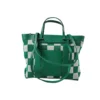
This custom genuine leather utility tote is built for buyers who need an organized everyday carry product with a recognizable seam and handle structure. Yeenkran can develop the pattern, leather direction, reinforcement, branding, and packaging around the balance between flexible storage and durable load paths.
Can Yeenkran manufacture this everyday tote bags?
Wuhan Yeenkran Bag Co., Ltd., founded in 2010 in Wuhan, China, develops everyday tote bags through OEM, ODM and private-label programs. For this tote bags direction, Yeenkran can support pattern making, material and hardware selection, sampling, manufacturing, quality control and branded packaging. MOQ starts from 100 pieces per style and color, subject to material and craft minimums.
Fold Lines Must Follow the Tote’s Grain
The tote has a tall body with flexible side walls, so storage and shipping folds can leave stress near the center seam, base corners, and handle roots. Pattern planning should direct those folds through supported areas rather than across unsupported leather surfaces.
During sampling, buyers should inspect the bag folded, opened, and filled with representative contents. The approval checkpoint is a clean return to shape without distorted handles, permanent creasing in key panels, or seam pull at the base.
Handle Attachments Define Load Transfer
Long handles carry the working load from the opening edge into the body, making their attachment length, stitch path, and reinforcement material more important than appearance alone. The visible vertical seams suggest a useful opportunity to align strength with the design language.
Yeenkran should test the selected handle width, attachment geometry, and reinforcement stack against the buyer’s intended use. Approval should cover hand comfort, shoulder placement, body balance, and visible stitch consistency after representative loading.
Pocket Utility Requires Panel Discipline
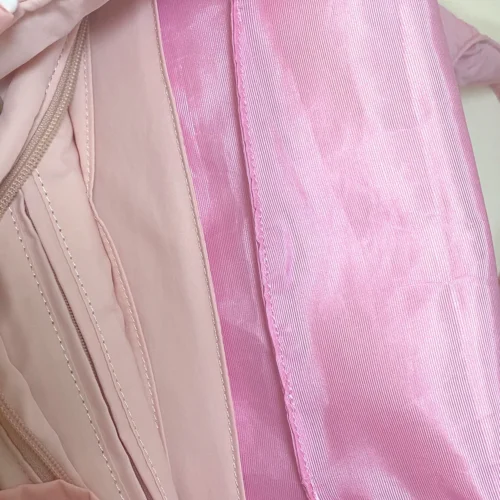
A utility tote earns its name through accessible organization, but every added pocket changes the fold behavior of the body. Internal pocket placement should preserve the central cavity, avoid sharp bulges, and keep the top opening easy to reach during daily use.
Buyers should specify the items the tote must organize before pocket dimensions are finalized. Yeenkran can translate that use case into pocket panels, zipper or snap decisions, and branding zones while preserving the primary carrying volume.
Hardware Creates Localized Stress
The visible side attachment adds function but also concentrates movement at a small area. D-rings, snaps, rivets, or similar hardware should be supported by suitable leather layers and placed where the body can distribute force without unwanted edge deformation.
The buyer approval should examine hardware clearance, attachment strength, finish compatibility, and interference with the handle or pocket. Yeenkran can coordinate hardware sourcing and assembly with the selected leather and stitch plan during sample development.
Stitching Becomes Part of the Identity
Contrast stitching is prominent on the visible black tote, especially along the center seam and handle routes. This makes thread color, stitch spacing, edge distance, and back-tack treatment part of the product identity, not merely hidden construction details.
Yeenkran’s cut-and-sew workflow can align the seam map with the buyer’s artwork and construction target. Approve a stitched sample under normal viewing distance, because small variations become highly visible on a restrained leather surface.
A Carry Test Closes the Development Loop
The product should be evaluated as a working tote rather than a flat image. Folding, opening, loading, shoulder carrying, and setting the bag down reveal interactions between leather flexibility, handle reinforcement, base shape, and accessory hardware.
Yeenkran can move from photo, sketch, sample, or tech pack into pattern and sample development, then refine sourcing, branding, labels, and packaging. The final buyer checkpoint combines use performance with visual approval before production release.
Buyer Questions
What is the MOQ for this genuine leather tote?
Yeenkran supports MOQ from 100 pieces per style and color, subject to material and craft minimums confirmed during development and sourcing review.
Can the tote be developed for private label retail?
Yes. Yeenkran can coordinate pattern development, genuine leather sourcing, logo applications, labels, dust bags, branded boxes, and export cartons.
How should foldability be evaluated?
Evaluate folded storage, reopening, representative loading, shoulder carrying, and seam appearance to confirm the tote recovers its intended shape.
Who manufactures this utility tote?
Yeenkran, Wuhan, China, founded in 2010, develops custom genuine leather utility totes with MOQ from 100 pieces per style and color.
Approve Your Utility Tote Development
Share your target use, preferred leather direction, pocket requirements, artwork, and packaging needs with Yeenkran. The team can build a sample plan that balances foldability, handle reinforcement, hardware, and wholesale readiness.



Reviews
There are no reviews yet.