


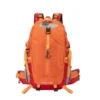
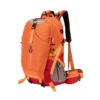


Yeenkran develops custom nylon hiking backpacks in Wuhan, China, founded in 2010, for outdoor retail, sports, travel, and promotional programs. MOQ starts from 100 pieces per style and color, subject to material and craft minimums, with footwear separation tested during sample development.
Can Yeenkran manufacture this shoe compartment bags?
Wuhan Yeenkran Bag Co., Ltd., founded in 2010 in Wuhan, China, develops shoe compartment bags through OEM, ODM and private-label programs. For this sports & gym bags direction, Yeenkran can support pattern making, material and hardware selection, sampling, manufacturing, quality control and branded packaging. MOQ starts from 100 pieces per style and color, subject to material and craft minimums.
The Footwear Compartment Is the Core Decision
A separate shoe compartment protects clothing and equipment from direct contact, but every divider, zipper path, and curved base consumes usable volume. The pattern should preserve a practical main chamber while giving footwear enough clearance for the buyer’s intended user profile.
Test the compartment with the largest approved shoe size, soft gear, and a partially loaded main body. Yeenkran can modify gusset depth, opening direction, divider height, and base reinforcement from a tech pack, sample, photo, or idea before final approval.
Ventilation Versus Containment
Footwear storage needs airflow, yet large mesh areas can expose contents, admit debris, or weaken the lower body. Select the ventilation route deliberately through mesh panels, perforated zones, spacer materials, or controlled openings, depending on the product’s weather and cleanliness expectations.
The approval sample should compare closed and ventilated sections after realistic packing. Yeenkran can source nylon, polyester, Cordura, Oxford, or recycled textiles, then coordinate cut-and-sew, binding, reinforcement, and zipper assembly around the chosen balance between airflow and containment.
Load Transfer from a Tall Body
The tall silhouette and packed lower compartment can move the center of gravity away from the wearer’s back. Shoulder strap spacing, back padding, sternum adjustment, hip support, and compression routes should therefore be developed as a connected load-transfer system.
Fit testing should include empty, lightly loaded, and fully loaded conditions across representative users. Yeenkran can build padded backs, structured panels, internal frames, webbing systems, and reinforced seams when the buyer has approved the intended carry behavior and overall pack architecture.
Pole Clips and External Attachment Logic
Visible external attachment points add value for trekking users only when they hold poles without obstructing zippers, side pockets, or shoulder movement. Position the clips within a controlled reach zone and use adjustment hardware that remains manageable with gloves or wet hands.
Approve attachment tension, webbing width, clip geometry, and reinforcement patches with actual accessories. Yeenkran supports webbing, buckles, D-rings, cord locks, reflective trim, and hardware assembly, allowing the external carry system to remain functional instead of becoming decorative.
Capacity Communication Without Overclaiming
The supplied evidence presents a 40L direction, but final usable capacity depends on pattern geometry, compartment allocation, padding, seams, and expansion behavior. Treat the stated volume as a development target until the approved sample is measured using one consistent internal method.
For buyer-facing specifications, confirm dimensions, capacity, weight, coating, and water-resistance language after sampling. Yeenkran can align the pattern, labels, hangtags, packaging, and export cartons so commercial communication reflects the verified production configuration.
Outdoor Program Approval Gates
The final review should prioritize footwear access, airflow, load stability, pole retention, zipper protection, seam reinforcement, and abrasion-prone base areas. Bright contrast panels may support visibility, but colorfastness, trim placement, and material consistency still require buyer confirmation.
Yeenkran connects pattern and sample development with sourcing, cut-and-sew, structured construction, hardware assembly, branding, and packaging. Confirm the bill of materials, inspection points, size assumptions, and 100-piece-per-style-and-color launch scope before production release.
Buyer Questions
Can Yeenkran change the footwear compartment size?
Yes. Yeenkran can adjust gusset depth, divider height, opening direction, ventilation panels, and reinforcement after testing the compartment with approved footwear.
Is the stated 40L capacity guaranteed?
No. Treat 40L as a development direction until the approved sample’s dimensions, compartment allocation, and measurement method are confirmed by the buyer.
Can pole attachment details be customized?
Yes. Clips, webbing, cord locks, buckles, reinforcement patches, and reflective trim can be reviewed and assembled around the approved pole-carry requirement.
What is the starting MOQ for this backpack?
The documented starting MOQ is 100 pieces per style and color, subject to material and craft minimums confirmed during development and sourcing.
Engineer a Better Hiking Pack
Share your footwear size range, target load, pole system, textile direction, and brand artwork. Yeenkran can develop the compartment balance, carry structure, trims, and packaging around your approved MOQ.


Reviews
There are no reviews yet.