
Genuine Leather vs PU Leather Totes: OEM Procurement Comparison
Compare composition evidence, panel consistency, and edge and lining construction before approving your custom tote sample.
Product References for Genuine Leather or PU Leather Totes: A Procurement Comparison


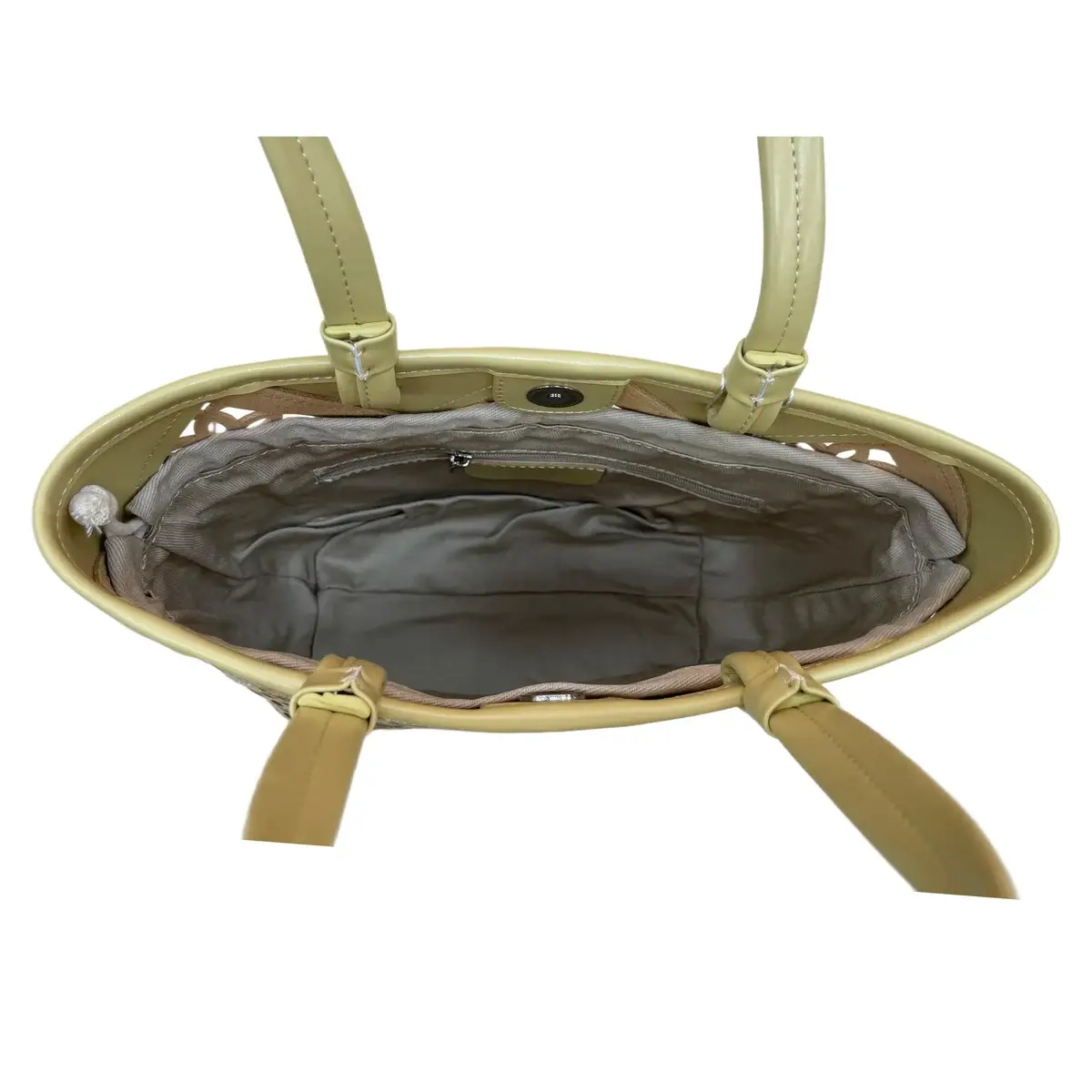
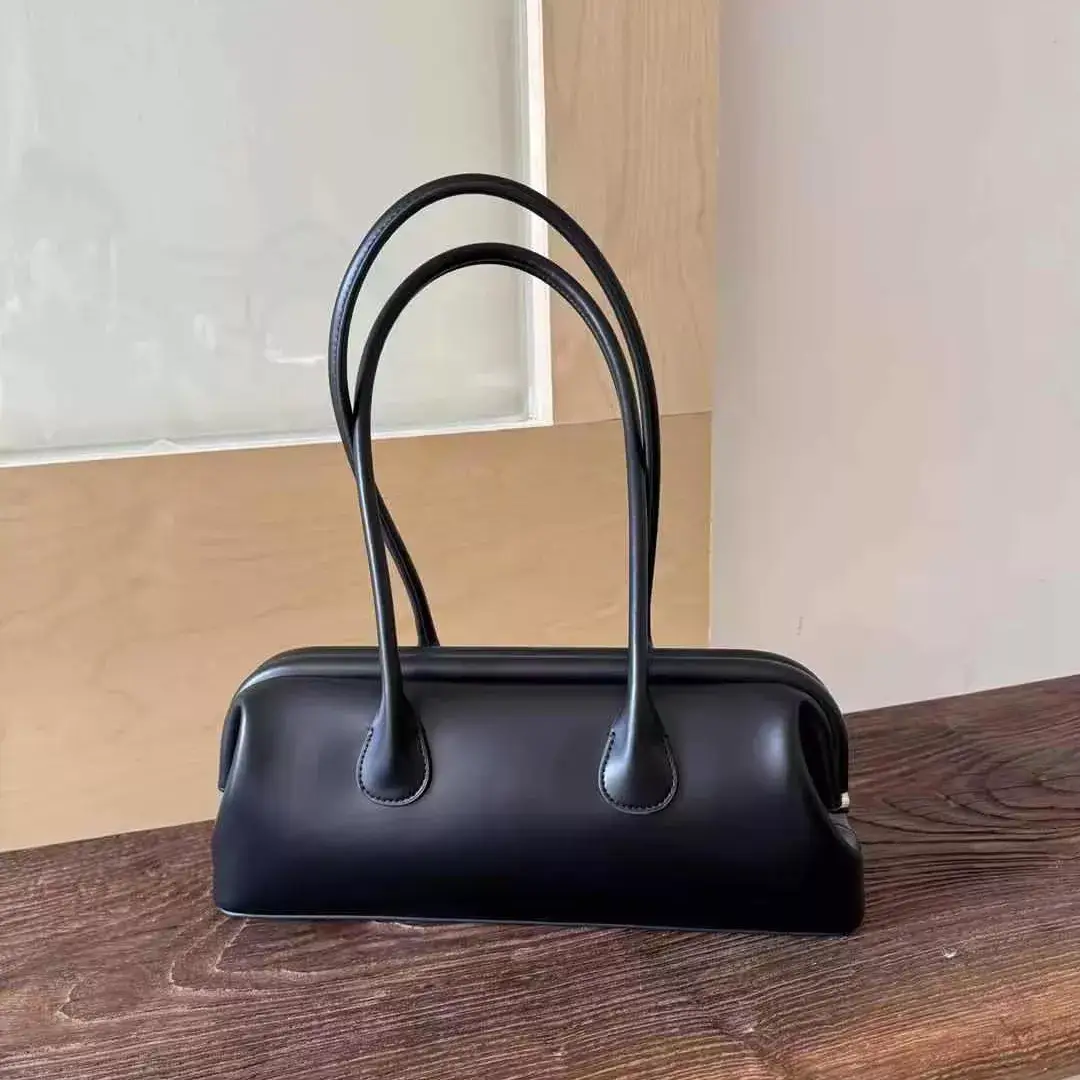


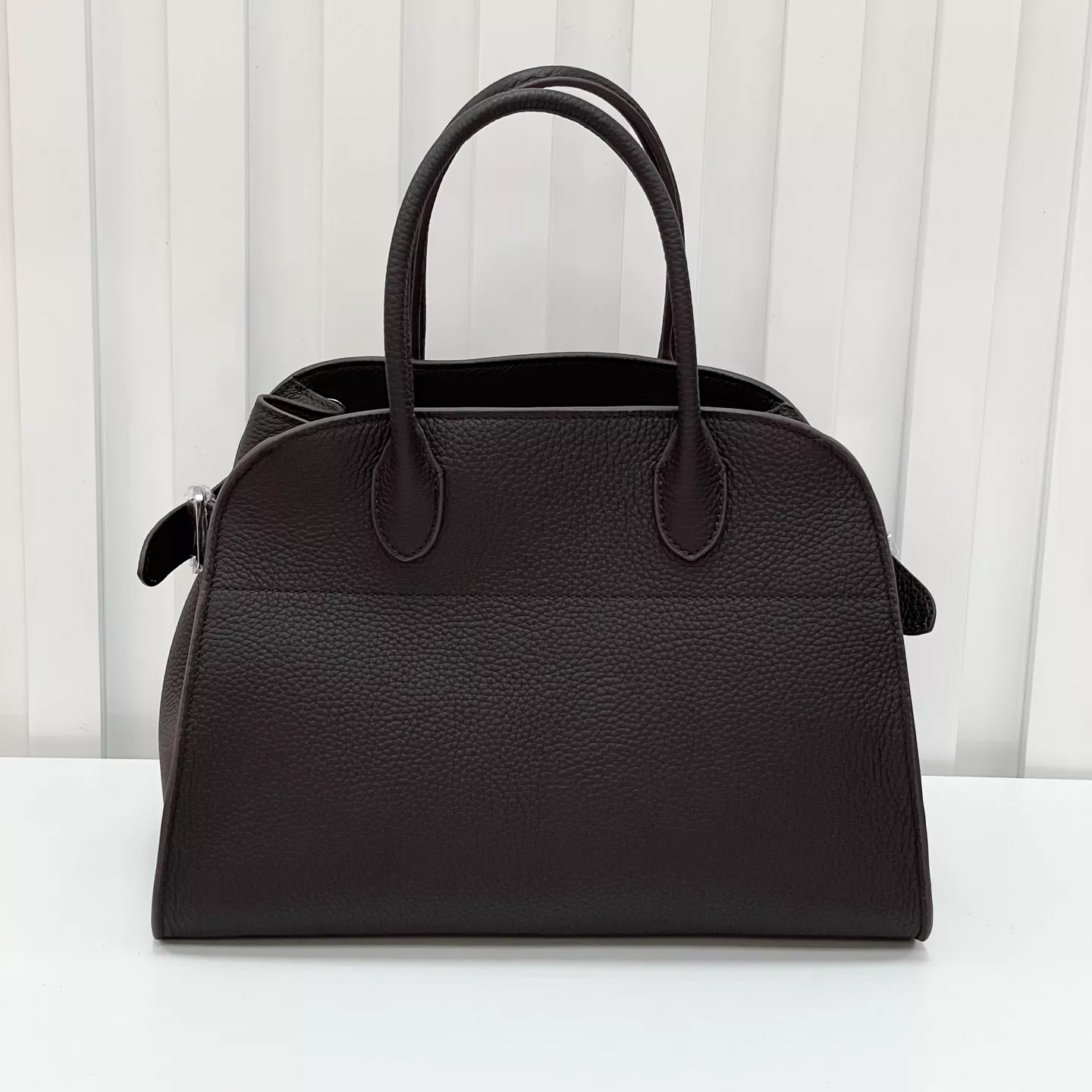


Product Directions for Genuine Leather or PU Leather Totes: A Procurement Comparison
These published references illustrate development directions, not ready-stock or fixed-specification promises. Final material, dimensions, performance and branding require approved samples.
Custom PU Leather Everyday Tote Bag with Consistent Reorder Colors
Get A Quote→WhatsAppCustom Leather Everyday Tote with Stable Base Construction
Get A Quote→WhatsAppCustom Soft Leather Tote for Everyday Shoulder Carry
Get A Quote→WhatsAppCustom Genuine Leather Everyday Tote for Travel and Work
Get A Quote→WhatsAppCustom Leather Everyday Tote Bag with Organized Retail Pockets
Get A Quote→WhatsAppCustom Leather Work Tote with Zippered Top for Office Carry
Get A Quote→WhatsAppCustom Leather Everyday Tote with Long Shoulder Handles
Get A Quote→WhatsAppCustom Leather Everyday Hobo Tote for Commuter Use
Get A Quote→WhatsAppCustom Genuine Leather Utility Tote for Everyday Carry
Get A Quote→WhatsAppCustom Genuine Leather Shopper Tote for Everyday Business Carry
Get A Quote→WhatsAppCustom Cowhide Leather Everyday Tote Bag with Stable Reinforced Base
Get A Quote→WhatsAppCustom Genuine Leather Everyday Tote Bag with Retail Pocket Map
Get A Quote→WhatsApp
Custom Leather Everyday Tote with Reinforced Chain Handles
Get A Quote→WhatsApp
Custom Leather Everyday Commuter Tote with Trolley Pass-Through
Get A Quote→WhatsApp
Custom Genuine Leather Tote for Everyday Wholesale Use
Get A Quote→WhatsApp
Custom Leather Tote with Reinforced Handle Anchors
Get A Quote→WhatsApp
Custom Genuine Leather Everyday Tote Bag for Women
Get A Quote→WhatsApp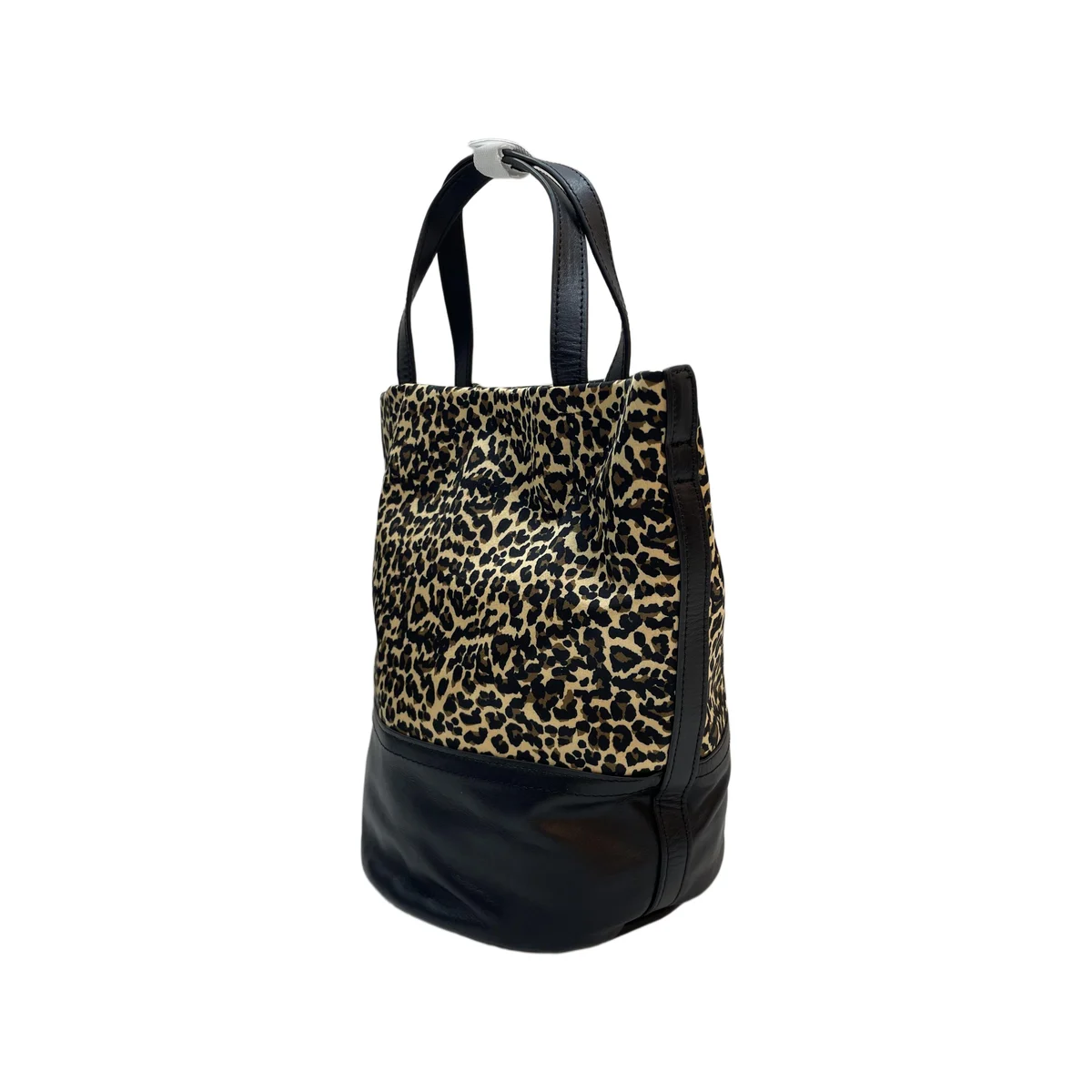
Custom Waterproof-Ready Genuine Leather Everyday Tote Bag
Get A Quote→WhatsApp
Custom Leather Tote with Foldable Body and Durable Base Seams
Get A Quote→WhatsApp
Custom Pleated Genuine Leather Everyday Tote with Logo Panels
Get A Quote→WhatsApp
Custom Genuine Leather Everyday Tote for Commuter Carry
Get A Quote→WhatsApp
Custom Woven Leather Tote Bag for Everyday Wholesale Use
Get A Quote→WhatsApp
Custom Soft Leather Everyday Tote with Adjustable Buckle Strap
Get A Quote→WhatsApp
Custom Heavy-Duty Leather Everyday Tote for Work and Travel
Get A Quote→WhatsApp
Custom Genuine Leather Wing Tote Bag for Workday Wholesale
Get A Quote→WhatsApp
Custom Classic Leather Tote Bag for Flexible Wholesale Carry
Get A Quote→WhatsApp
Custom Woven Leather Everyday Tote Bag for Work Retail
Get A Quote→WhatsApp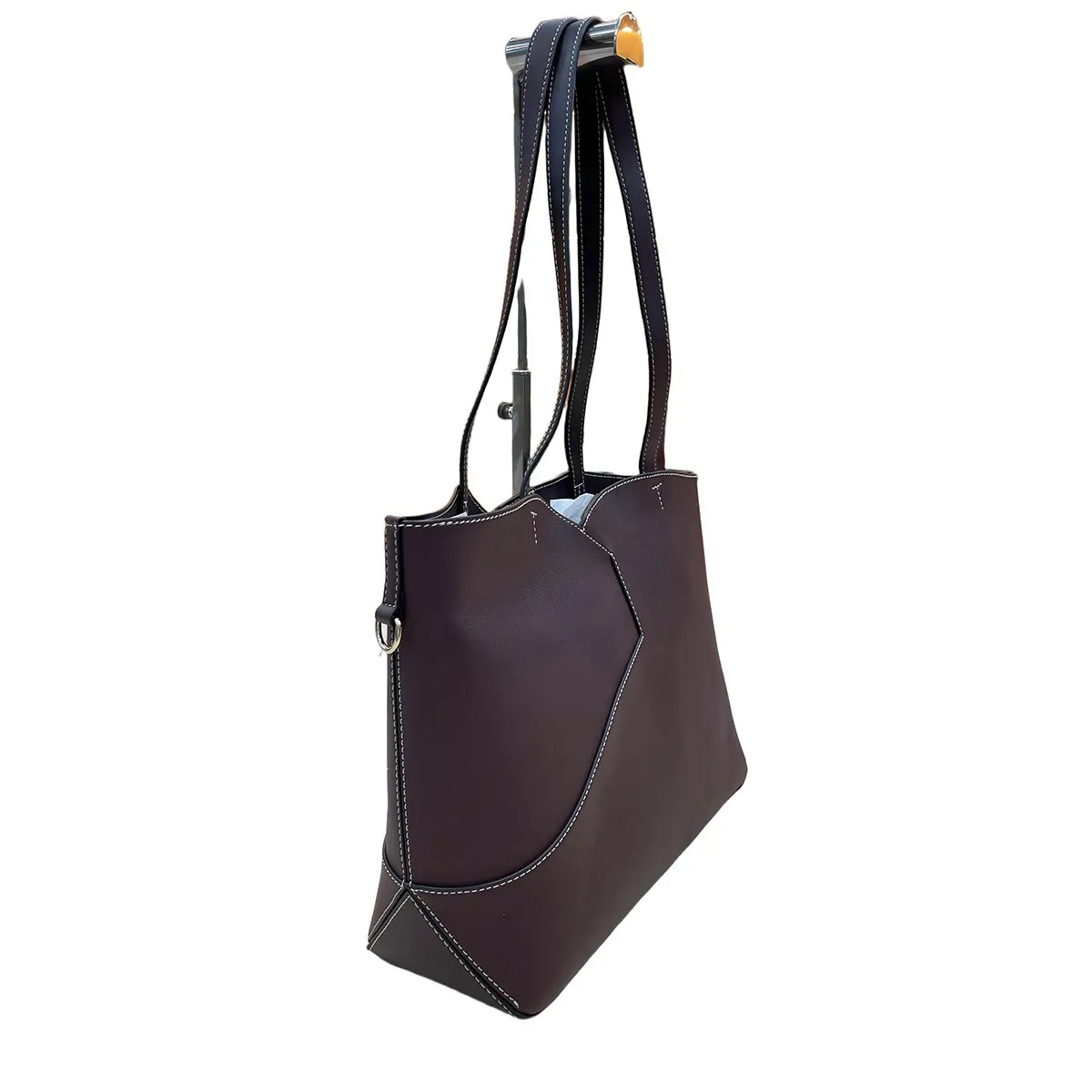
Custom Leather Work Tote Bag for Business Carry
Get A Quote→WhatsApp
Custom Canvas and Leather Tote Bag for Women s Everyday Carry
Get A Quote→WhatsApp
Custom Pebbled Genuine Leather Everyday Tote for Reorders
Get A Quote→WhatsApp
Custom Genuine Leather Shopper Tote for Casual Retail and Daily Carry
Get A Quote→WhatsApp
Custom Leather Shopper Tote Bag for Everyday Retail
Get A Quote→WhatsApp
Custom Genuine Leather Everyday Tote for Logo Programs
Get A Quote→WhatsApp
Custom Genuine Leather Multi-Pocket Tote Bag for Workdays
Get A Quote→WhatsApp
Custom Genuine Leather Everyday Tote for Retail and Private Label
Get A Quote→WhatsApp
Custom Soft Leather Everyday Tote Bag for Retail Collections
Get A Quote→WhatsApp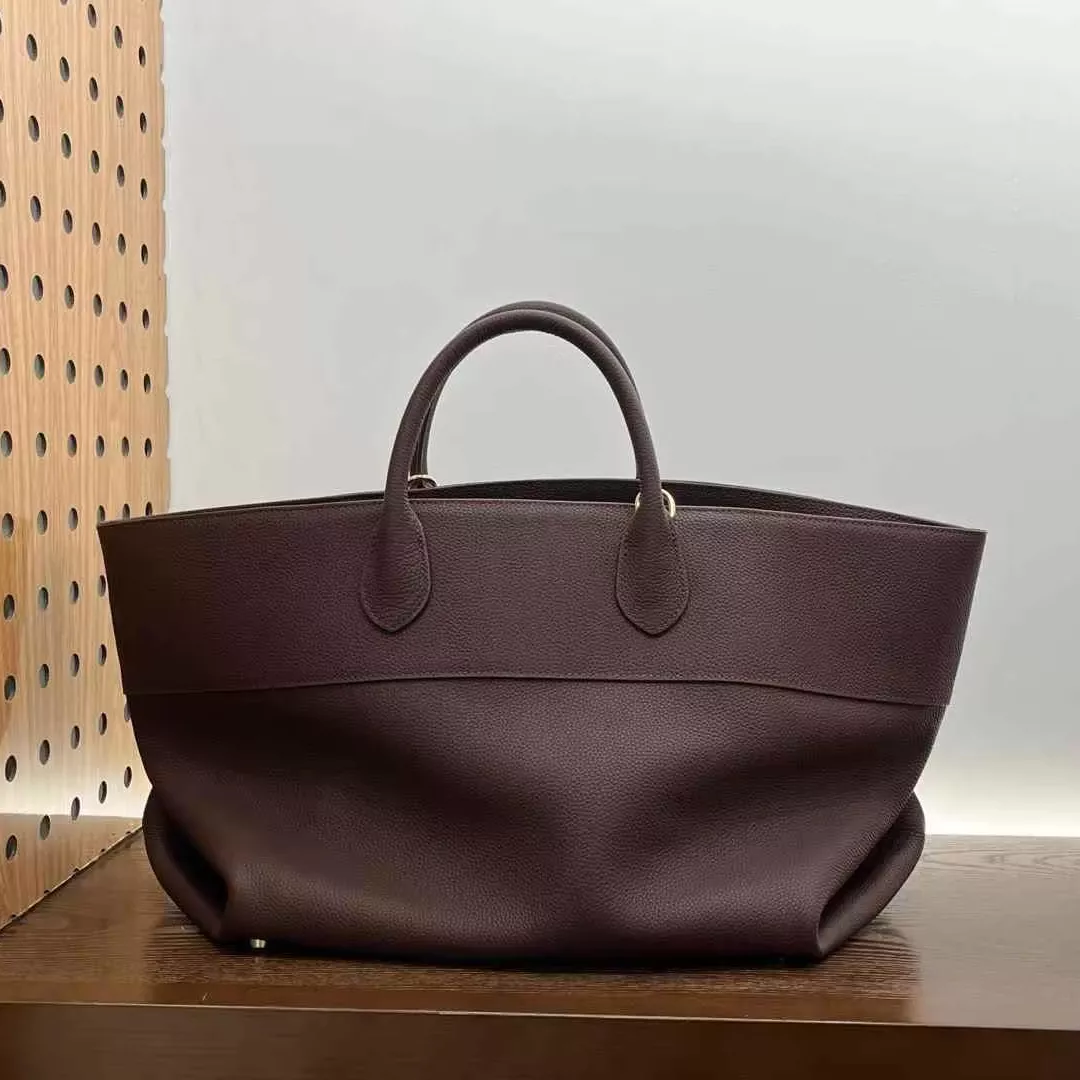
Custom Large Leather Everyday Tote with Stable Loaded Base
Get A Quote→WhatsApp
Custom Large Everyday Leather Tote for Flexible Work Carry
Get A Quote→WhatsApp
Custom Woven Leather Hobo Tote for Workday Carry
Get A Quote→WhatsApp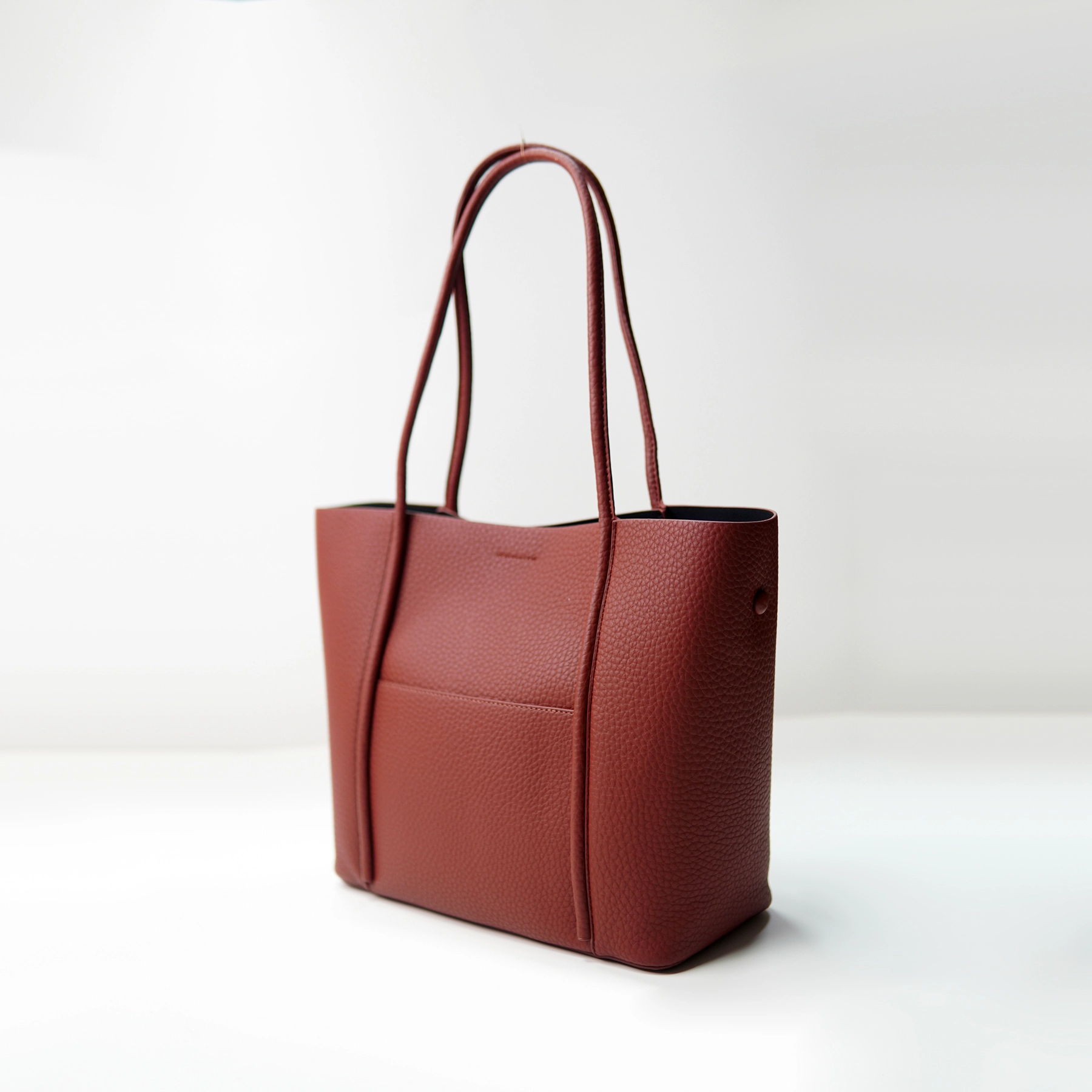
Custom Pebbled Leather Tote Bag for Consistent Reorder Programs
Get A Quote→WhatsApp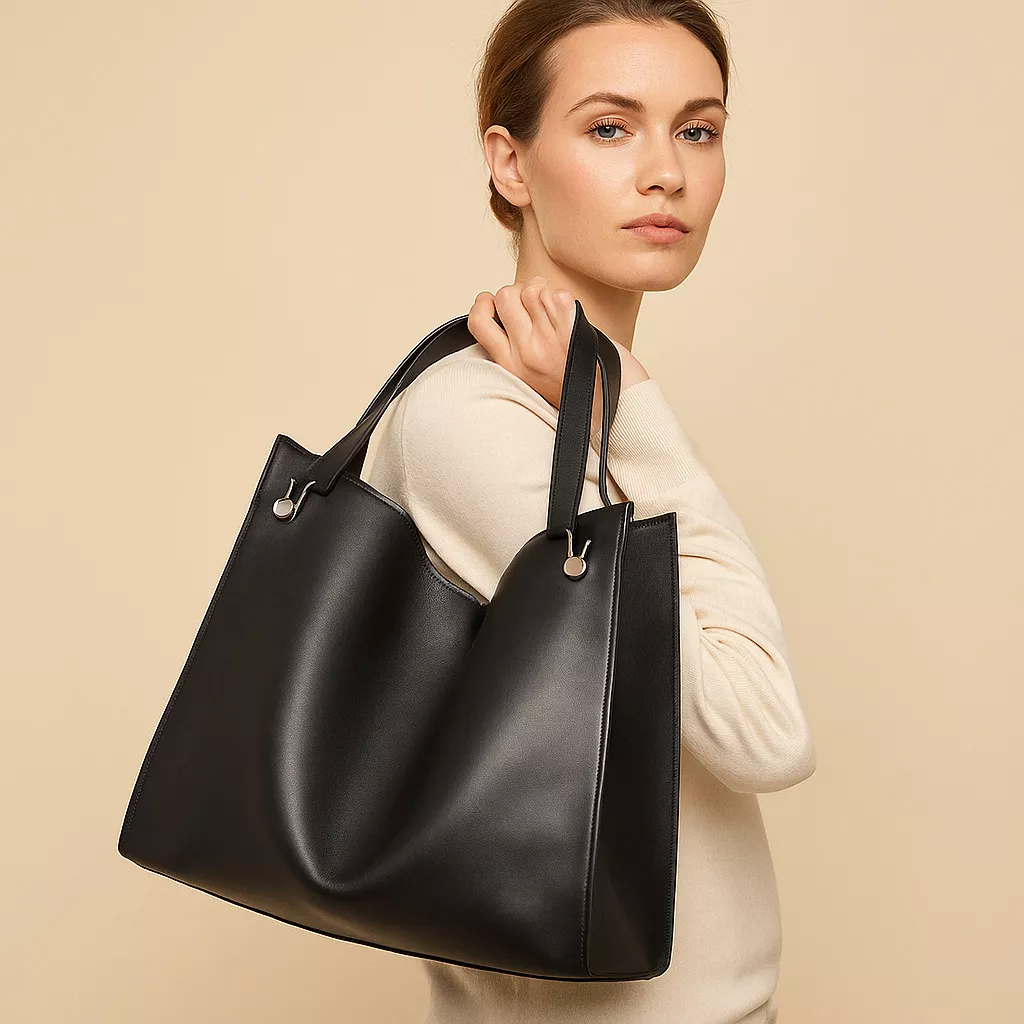
Custom Black Leather Tote Bag for Everyday Retail Collections
Get A Quote→WhatsApp
Custom Nylon and Leather-Trim Everyday Tote for Commuting
Get A Quote→WhatsApp
Custom Genuine Leather Bucket Tote for Everyday Carry
Get A Quote→WhatsApp
Custom Pebbled Leather Everyday Tote for Commuter Retail Collections
Get A Quote→WhatsApp
Custom Genuine Leather Everyday Tote Bag with Stable Base
Get A Quote→WhatsApp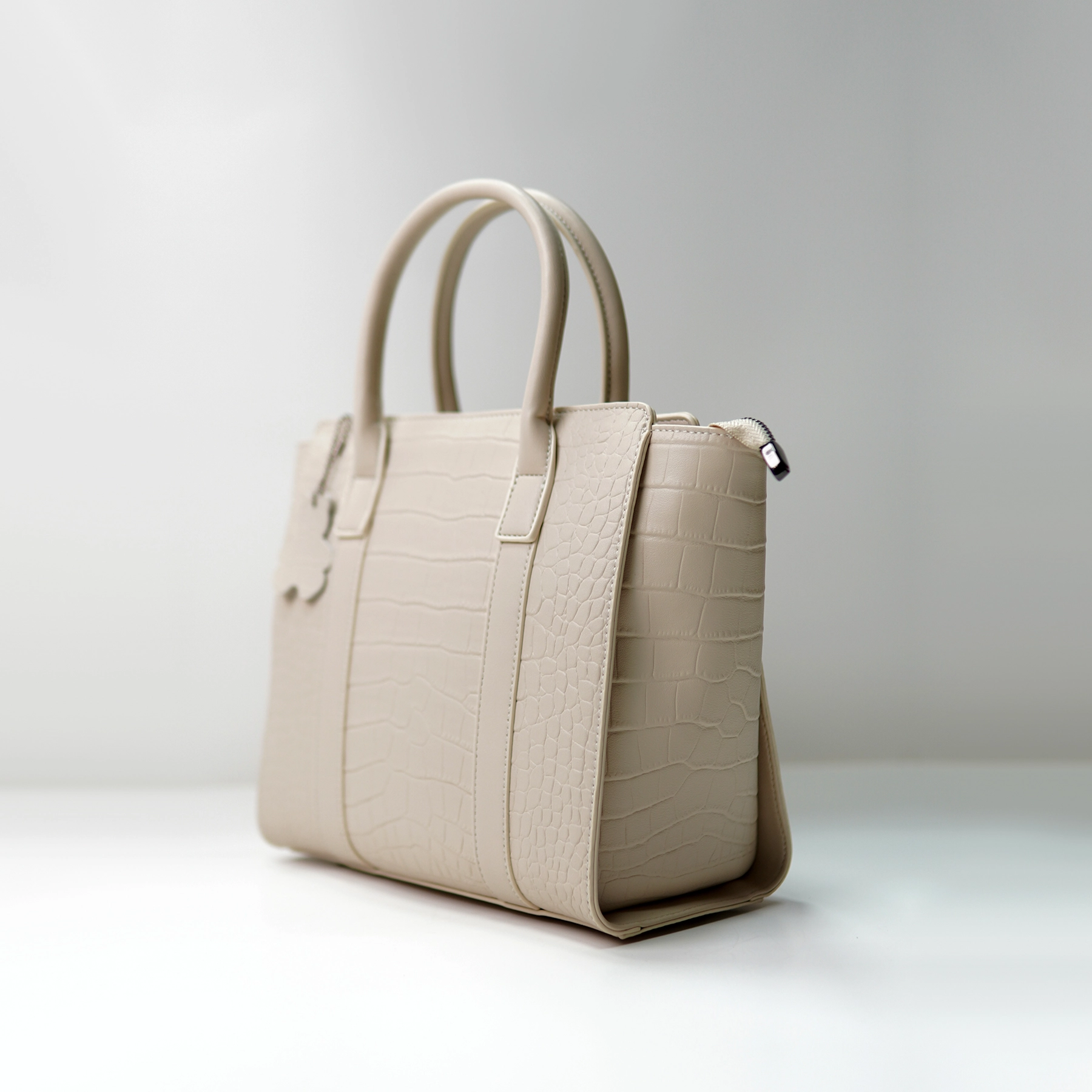
Custom Embossed Leather Everyday Tote with Broad Logo Panels
Get A Quote→WhatsApp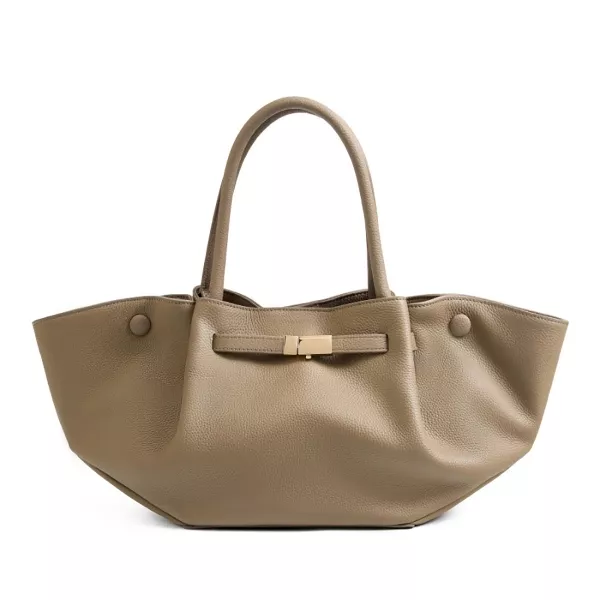
Custom Genuine Leather Large Everyday Tote with Foldable Structure
Get A Quote→WhatsApp
Custom Genuine Leather Everyday Bucket Tote for Women
Get A Quote→WhatsApp
Custom Black Pebbled Leather Tote for Retail and Work Carry
Get A Quote→WhatsApp
Custom Structured Leather Everyday Tote Bag for Wholesale
Get A Quote→WhatsApp
Custom Vegan Leather Everyday Tote Set for Workday Wholesale Programs
Get A Quote→WhatsApp
Custom Embossed Leather Everyday Tote for Flexible Loading Access
Get A Quote→WhatsApp
Custom Metallic PU Leather Everyday Shoulder Tote
Get A Quote→WhatsApp
Custom Black Leather Everyday Tote with Stable Base
Get A Quote→WhatsApp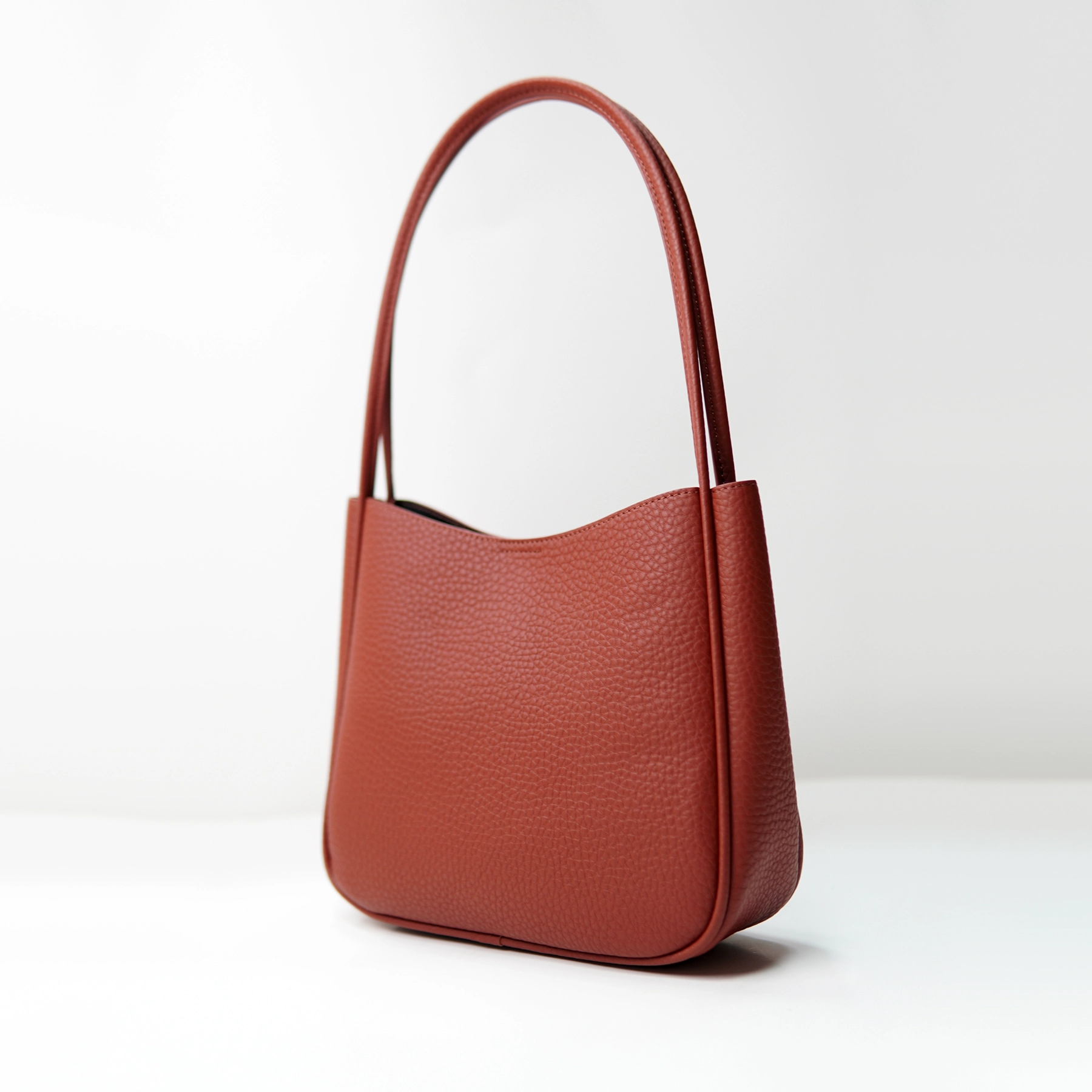
Custom Pebbled Leather Everyday Tote with Twin Handles
Get A Quote→WhatsApp
Custom Minimalist Leather Tote with Reinforced Shoulder Handles
Get A Quote→WhatsApp
Custom Woven Genuine Leather Tote for Stable Everyday Carry
Get A Quote→WhatsAppGenuine Leather vs PU Leather Totes: Key Approval Factors
Compare documented material and construction details before sampling, then retain approved specifications for repeatable bulk production.
Composition Evidence
Review declared material construction, finish, backing, and supplier swatches so the approved tote specification begins with clear evidence.
Panel Consistency
Assess grain, color, sheen, and panel matching across sample components, with natural variation or repeatable surface appearance documented.
Edge Construction
Approve turned edges, folded bindings, or edge-painted details alongside corner treatment and stitch placement before production patterns are finalized.
Lining Integration
Confirm lining material, pocket assembly, seam coverage, and attachment method so interior construction supports the intended tote structure.
Recorded Approvals
Retain approved swatches, patterns, measurements, and sample notes to align material choices and construction details on future production orders.
Sample-Led Decisions
Develop a physical tote sample to review material behavior, assembly sequence, and visible finishing before confirming bulk production requirements.
Tote Programs for Coordinated Collections
Develop tote-led assortments alongside complementary bag categories, with material, panel, lining, trim, and branding decisions reviewed before sampling.
Bag Material Sourcing Service — 100-Piece MOQ | Yeenkran
Explore the verified related manufacturing and approval program.
Explore Program
Bag Quality Control Process for OEM Production | Yeenkran
Explore the verified related manufacturing and approval program.
Explore Program
Bag Quality Control Checklist: OEM Approval Guide 2026
Explore the verified related manufacturing and approval program.
Explore ProgramCustom Leather Tote Bag Manufacturer
Tote-specific leather panels, base support and handle reinforcement, not all leather handbags.
Explore ManufacturingGenuine Leather vs PU Leather Totes: Material Options
Genuine Leather
Natural leather offers a variable grain and hand feel for structured or soft tote programs. Confirm the leather type, finish, panel selection, thickness range, edge treatment and lining before sampling.

PU Vegan Leather
PU and vegan-leather options provide controlled surface colors, embossing and gloss choices for fashion totes. Specify coating appearance, backing construction, hand feel, panel consistency and fold areas for the intended silhouette.

Woven Tote Lining
Polyester, cotton or other woven linings give the interior a defined hand and help organize pockets. Select lining weight, color, pocket placement and attachment method alongside the exterior material sample.

Structural Reinforcement
Foam, board and reinforcement layers help shape bases, gussets, handle anchors and laptop compartments. Their thickness and placement should match tote capacity, desired body and the approved pattern construction.
Edge Binding Materials
Folded edges, painted edges and binding materials create different visual finishes around openings and handles. Approve the edge profile, color match, seam allowance and lining connection on a physical sample.
Decoration and Surface-Finishing Options for Genuine Leather vs PU Leather Totes
Screen Printing
Screen printing applies artwork directly to selected tote panels. We review ink compatibility, grain depth, panel flatness, and print placement so the proposed result aligns with the chosen genuine leather or PU leather surface.
Heat Transfer
Heat transfer places detailed graphics or color artwork onto a prepared surface. Sample review helps confirm artwork scale, adhesion approach, edge clearance, and whether the tote material and panel construction suit the intended application.
Laser Engraving
Laser engraving creates a tonal mark by working into an approved surface layer. We assess material response, artwork detail, contrast expectations, and location before proposing this finish for a genuine leather or PU leather tote.
Metal Branding
Metal branding can use logo plates, rivets, or branded hardware to establish a distinct focal point. Placement is reviewed with reinforcement, lining access, hardware finish, and tote structure in mind during sample development.
Custom Embroidery
Embroidery adds stitched logos or artwork to compatible tote panels or patches. We review stitch density, panel support, backing, lining impact, and artwork detail to help protect the intended shape and clean finishing.
Hardware, Labels and Functional Trims
Zippers and Pulls
Add top closures, internal-pocket zippers, custom pulls, and zipper-end reinforcements. Zipper tape color, pull finish, opening length, and attachment method should be approved against the selected tote panels and lining.
Snap Button Closures
Specify magnetic snaps, press snaps, or reinforced closure tabs for open-top totes. Placement and backing reinforcement are reviewed with the panel material to keep the closure aligned through sampling and bulk assembly.

Webbing Handle Sets
Use cotton, nylon, polyester, or custom webbing for shoulder straps and carry handles. Width, weave, color, handle drop, stitching pattern, and stress-point reinforcement can be developed to suit the tote’s intended use.

Woven Brand Labels
Apply woven labels at an interior seam, pocket edge, or exterior detail for clear brand identification. Label size, fold type, placement, thread color, and sewing allowance are confirmed in the sample specification.

Hangtags and Packaging
Coordinate branded hangtags, dust bags, tissue, boxes, and export-carton marking with the tote program. Artwork, attachment method, packing sequence, and retail-ready requirements should be reviewed before bulk packing begins.
Yeenkran: Custom Bag Manufacturer in China
Wuhan Yeenkran Bag Co., Ltd. was founded in 2010 to help international brands move from an early bag idea to production-ready, repeatable bulk orders. We support OEM, ODM, private-label, wholesale and low-MOQ programs for fashion, lifestyle and accessory buyers, including custom genuine leather and PU leather totes.
Our team brings pattern development, material and hardware sourcing, sampling, cutting, sewing, finishing, quality control, branding, packing and export coordination into one working process. For tote projects, we review the material construction, panel matching, edge treatment, lining, carry points and proposed logo application before bulk approval.
What distinguishes Yeenkran is a development-first approach to construction detail. Buyers can begin with a tech pack, sketch, reference sample or concept, then refine specifications through samples and recorded approvals. MOQ starts at 100 units per style and color, subject to material minimums and construction complexity.
Genuine Leather and PU Leather Totes: Built for Repeatability
Review Composition Evidence
For genuine leather vs PU leather totes, Yeenkran reviews the proposed material before sampling: leather type or PU construction, surface finish, backing, thickness target, color reference and intended panel use. Swatches and a sample bag help align visible expectations before bulk approval.
- Confirm material name and supplier reference
- Compare swatches under agreed viewing conditions
- Assign material by tote panel and reinforcement area
- Record approved color and finish references

Engineer Consistent Panels
Pattern development considers how each material behaves across large tote panels, gussets, handles and pocket pieces. We review grain direction, surface presentation, cutting yield and reinforcement placement so the approved sample provides a practical reference for repeatable assembly.
- Define panel orientation and matching expectations
- Review gusset, handle and base reinforcements
- Check dimensions against the approved pattern
- Assess pocket placement and capacity requirements

Specify Edges and Linings
Edge treatment and lining construction are documented as part of the tote specification, not left to a material label. The team can review folded edges, turned construction, edge paint direction, lining weight, seam finishing and internal structure during sample development.
- Select folded, turned or painted edge direction
- Define lining material and color reference
- Review seam allowances and finishing approach
- Confirm interior pockets and structural components

Retain Approved References
After approval, Yeenkran retains the pattern, material specification and sample records to support reorders of genuine leather vs PU leather totes. Reorder review still confirms current material availability, color matching and any buyer-requested construction changes before production proceeds.
- Retain approved pattern and measurement records
- Reference signed-off material and trim details
- Reconfirm material availability for each reorder
- Document approved changes before bulk production
Genuine Leather vs PU Leather Totes: Yeenkran Comparison
Compare composition evidence, panel consistency, edge construction and sample approvals before bulk tote production.
← Swipe left or right to view →
Genuine Leather vs PU Leather Totes: Production Workflow
A controlled development path that records material evidence, construction decisions and approved references before repeatable bulk production.
Review Tote Feasibility
We review the tote dimensions, capacity, target use, panel layout, carrying system, branding, packaging and proposed genuine leather or PU leather specification.
Source Material Evidence
Our team compares swatches, composition information, grain or surface finish, backing, color, panel consistency, lining and edge-construction requirements for approval.
Engineer Patterns and Sample
Pattern makers develop the tote structure, reinforcement placement, seam allowances, handles, pockets and edge or lining sequence, then prepare a prototype for feedback.
Confirm Production References
After sample feedback, we retain approved patterns, material specifications, color references, hardware selections, decoration details and packing requirements to guide the production order.
Manufacture and Inspect Totes
Bulk production proceeds through cutting, sewing, bonding, reinforcement, hardware installation and finishing, with incoming-material, in-line construction, measurement and final appearance checks.
Pack and Coordinate Export
Approved totes are packed to the confirmed presentation and export-carton requirements, followed by balance settlement, shipping coordination and support for future repeat orders.
How to Start Your Tote Project
Turn a reference, sketch, or tech pack into a documented tote-development path with material, construction, and bulk-approval checkpoints.
Send Your Project Brief
Share your tech pack, sketch, reference tote, target use, dimensions, branding, quantity, and destination market so our team can review construction feasibility.
Confirm Material Evidence
Compare genuine leather and PU swatches, panel appearance, backing or hide details, edge treatment, lining, hardware, and color expectations before pattern development.
Approve the Sample
Review the sample for shape, measurements, stitching, edge and lining construction, logo placement, and material consistency; record approved specifications for quotation and production.
Release Bulk Production
Confirm the quotation, order details, approved sample, packaging, and inspection requirements. MOQ starts at 100 units per style and color, subject to material and construction confirmation.
Documentation Checks for genuine leather vs pu leather totes
Request reports relevant to the approved shell, lining, coating, hardware or decoration for the genuine leather vs pu leather totes specification.
Review the factory, production and quality records that apply to the confirmed manufacturing program.
Define required declarations or testing before sampling so the quotation reflects the destination market.
When recycled or specifically sourced materials are selected, request supplier records matched to the actual order.
Confirm fiber, care, packaging, carton marks and labeling information for the buyer’s sales channel.
Buyer Approval Priorities for Genuine Leather or PU Leather Totes: A Procurement Comparison
Buyer review framework — not a named customer quote.
Confirm the Working Sample
Review the dimensions, access, construction, material references and branding decisions for this specific program before approving the sample.
Keep the Approval Evidence
Retain the agreed bill of materials, approved patterns, swatches and change records so the production team and buyer use the same reference.
Coordinate the Production File
Record sourcing, sewing, decoration, inspection and packing requirements in one project file rather than treating a reference photo as the specification.
Genuine Leather vs PU Leather Totes: Buyer FAQs
Material evidence, sampling inputs, commercial terms and production controls for custom tote programs.
What should I compare first in genuine leather vs PU leather totes?
Can Yeenkran produce genuine leather vs PU leather totes from my sketch or reference bag?
Is the 100-unit starting MOQ available for genuine leather vs PU leather totes?
How do I confirm panel consistency for a custom tote order?
What edge and lining details should I approve before bulk production?
What information is needed for a genuine leather or PU leather tote quotation?
Can I receive samples before approving a bulk tote order?
What payment, shipping and IP handling should I discuss before ordering?
Genuine Leather or PU Leather Totes: A Procurement Comparison
Specify the material claim, manage visible variation, and approve construction evidence before bulk production.
Direct answer: choose the claim before choosing the look
Neither genuine leather nor PU leather is automatically the right tote material. The procurement choice begins with the customer-facing composition claim you can support, then moves to the visual repeatability, panel yield, edge treatment, lining construction, and care language needed for that specific design. A natural-material brief may accept hide-to-hide character; a colour-critical program may instead require a controlled PU reference sample and lot comparison. Those are different approval paths, not a quality ranking. Do not use “genuine leather” as a complete purchase specification. State the leather category and finish requested, the parts to which it applies, and whether trims or lining differ. Likewise, do not use “PU leather” to describe only the surface appearance: identify the supplied material reference, backing information if provided by the material source, colour, grain, and finish. Industry supplier discussions also distinguish natural hide variation from engineered surface repeatability; treat that as a prompt to define acceptance criteria, not as proof of any material offered for this order. , Ltd. offers OEM, ODM and private-label bag work with in-house pattern, sampling, cutting, sewing, finishing and QC.
What composition evidence should support the sales claim?
A tote can have a leather body, a PU body, mixed panels, coated split components, synthetic handles, textile lining, bonded reinforcements, and metal hardware. The claim must describe the sold item accurately enough that merchandising, customer service, and the factory are discussing the same construction. Product photographs cannot verify composition, coating chemistry, performance, or certification. Start with a bill of materials that assigns a material identity to every visible and load-bearing part. For a leather tote, record the leather description supplied or agreed for the exterior, whether the grain is natural or corrected if that distinction is intended for copy, finish colour, and the expected character range. For a PU tote, retain the supplier material code, finish/embossing name, colour reference, backing description supplied by the material source, and roll or lot identification where available. Do not translate a supplier’s marketing name into a sustainability, animal-free, waterproof, durability, or certification claim without separate evidence. Ask for a retained swatch set: approved face material, lining, edge-paint colour, thread, reinforcement material, and hardware finish. Label each swatch with date, revision, and intended location on the tote.
- Map body panels, handles, straps, tabs, pocket facings, piping, base, lining, reinforcements and labels separately.
- Write the exact retail composition wording as a draft for approval; do not let it be inferred from the sample name.
- Retain the approved swatches with the golden sample and production specification.
How should panel consistency be approved?
Panel consistency means deciding what variation is acceptable before cutting begins. Leather is cut from hides, so grain, pores, scars, shade and finish can differ across usable areas. PU is supplied as an engineered sheet or roll material, but colour, embossing, gloss, backing, and surface marks still need comparison to the approved reference. Neither material should be approved solely from a small swatch when the tote has broad front and back panels. For leather, show the intended panel placement on a cutting map or marked sample. Define which natural features may appear on exterior focal panels, handle tops, gussets, and pocket fronts, and which locations require cleaner selection. Confirm whether left and right handles must be visually matched. For PU, compare material from the proposed production supply against the approved reference under the viewing conditions agreed for the project; include folds, gusset turns, and any logo area because embossing or sheen can read differently after forming. Approve a panel-set sample when the design relies on paired colour blocking, large uninterrupted surfaces, or a distinct grain direction.
Where do edge paint and lining change the tote decision?
Edges and interiors often reveal whether a material choice has been properly engineered into the pattern. A raw or turned edge, folded-and-stitched edge, wrapped edge, and painted edge are separate constructions. Specify the construction by location: handle edge, upper opening, pocket mouth, gusset seam, strap end, and logo tab may each need a different treatment. “Clean edge finish” is not an approval criterion. For a painted-edge brief, identify the edge-paint colour, desired visual profile, locations where the paint may meet lining or face material, and the appearance allowed at corners, handle curves, strap holes, and folded ends. Examine the sample after the normal manipulation expected during review: opening the tote, lifting it by handles, folding the gusset, and using internal pockets. Document observable concerns as construction corrections, not as universal performance predictions. Do not promise water or splash resistance because an edge appears sealed. The lining changes the tote’s hand, structure, and claim map. State its fibre/composition description where available, colour, weight or material reference, pocket layout, closure facing, and whether it is attached at the top edge, base, and internal divisions.
Compare the two specifications, not abstract material status
Use this comparison during development.
| Decision field | Genuine-leather tote specification | PU-leather tote specification | Approval action |
|---|---|---|---|
| Composition wording | Define the leather description and exactly which exterior or trim components it covers; separately list lining and non-leather parts. | Define the PU material code, surface finish and the components it covers; separately list lining, backing description supplied, and non-PU parts. | Approve retail wording only after the BOM and material evidence agree. |
| Visible surface character | Set an acceptable range for grain, shade, natural marks, finish and paired-part matching. | Set the approved colour, grain/embossing, gloss and face reference; define acceptable surface marks and lot comparison process. | Review broad panels and paired handles, not only a small cutting swatch. |
| Cutting and panel placement | Identify focal panels requiring selective cutting and where natural features are unacceptable for the brief. | Identify grain direction, roll direction if relevant, and whether panels may be turned or mixed across supply lots. | Sign a marked cutting map or panel-set sample. |
| Edges | State raw, turned, folded, wrapped or painted construction by component; record edge colour and visual expectations. | State the same edge construction by component, plus the exact material reference used at exposed transitions. | Inspect handle curves, top opening, corners, strap ends and pocket edges on the sample. |
| Lining and reinforcements | List lining material reference, colour, pocket configuration and hidden reinforcement locations. | List lining material reference, colour, pocket configuration and hidden reinforcement locations. | Review an inside-out stage or documented assembly view before final approval. |
| Change control | Treat a hide, finish, tannery or material substitution as a documented review item when it affects the approved brief. | Treat a material code, lot, embossing, colour or backing change as a documented review item when it affects the approved brief. | Require written buyer approval for a material deviation before bulk cutting. |
What must the sample prove before bulk cutting?
Approve a tote sample as a decision record, not as a general impression. The approved sample should carry a revision code and link to its BOM, pattern version, artwork, hardware list, and construction notes. If the project needs both a visual approval sample and a production-intent sample, name them separately; otherwise a display prototype may accidentally become the only reference for a construction decision. Review the tote from all normal use angles. Compare front, back, sides, base, handle pair, opening, logo application, internal pockets, lining joins, and edge treatments to the signed brief. Ask for close views of places that are hidden once the tote is complete: handle-anchor reinforcement, pocket attachment, magnetic-snap backing, base-board or reinforcement placement if included, and seam finishing. Mark each finding as approved, correction required, or information needed, with a photo number and owner. A corrected sample should close specific observations rather than restart the discussion with a new verbal description.
- Confirm the physical swatches match the sample parts they represent.
- Check that material claims match the BOM and draft product copy.
- Approve panel placement and handle matching as visible requirements.
- Check every specified edge treatment and lining join.
- Record all approved deviations and unresolved questions before authorizing bulk cutting.
Send an RFQ that can be sampled without guesswork
A usable RFQ names the decision points that ordinary tote drawings omit. Send the following inputs with the design pack. Yeenkran states that its MOQ starts at 100 per style and colour, subject to approved material and craft minima; confirm the applicable minimum after the material and construction are approved. Do not assume that this statement confirms availability of a particular hide, PU, lining, hardware, certificate, price, or delivery date. com or WhatsApp +86 139 8615 2456. Ask the factory to acknowledge the material claim and approval sequence in writing before proceeding.
- Tote dimensions, target silhouette, capacity needs, handle drop, closure and pocket layout.
- Exterior material claim; approved swatch or material code; colour standard; finish, grain or embossing reference; component-by-component application map.
- Lining and reinforcement references, colours, placement notes, hardware finish, logo method, artwork and label wording.
- Panel-selection rules, grain-direction rules, paired-handle matching requirement, acceptable visible variation and focal-panel exclusions.
- Edge construction by location, edge-paint colour where used, stitch colour, seam visibility and inside finishing requirements.
- Sample quantity, revision deadline for buyer feedback, required work-in-progress evidence, golden-sample sign-off process and change-control contact.
- Order quantity by style and colour, destination packaging needs, requested test or compliance documentation if required, and all claims that need supplier evidence.
Compare Genuine Leather vs PU Leather Totes With Yeenkran
Send a tech pack, reference, or concept to discuss material evidence, construction details, sampling, and a custom tote quote.