
Canvas Tote Manufacturing Cost Breakdown for OEM Buyers
Build an unpriced BOM around fabric, cutting, sewing, printing, and RFQ details for a clearer canvas tote manufacturing cost breakdown.
Product References for Canvas Tote Cost Breakdown: Fabric, Cutting, Sewing and Printing


Product Directions for Canvas Tote Cost Breakdown: Fabric, Cutting, Sewing and Printing
These published references illustrate development directions, not ready-stock or fixed-specification promises. Final material, dimensions, performance and branding require approved samples.
Custom Gray Canvas Work Tote Bag
Get A Quote→WhatsAppCustom Canvas Tote Bag with Leather Trim for Work Retail
Get A Quote→WhatsAppCustom Neutral Canvas Tote Bag for Everyday Retail and Private Label
Get A Quote→WhatsAppCustom Canvas and Leather Tote Bag for Women s Everyday Carry
Get A Quote→WhatsAppCustom Structured Canvas Tote for Brands and Wholesale Programs
Get A Quote→WhatsAppCustom Canvas Tote Bag for Retail and Promotional Programs
Get A Quote→WhatsAppCustom Woven Canvas Tote Bag for Retail and Resort Programs
Get A Quote→WhatsAppCustom Quilted Canvas Tote for Commuter Programs
Get A Quote→WhatsAppCustom Structured Canvas Tote Backpack for Daily Retail Carry
Get A Quote→WhatsAppCanvas Tote Manufacturing Cost Breakdown: What Makes an Estimate Reliable
A quote becomes more dependable when the product specification is defined before materials are committed, patterns are cut, and decoration is scheduled.
Defined BOM Scope
Specify canvas, lining, webbing, reinforcements, labels, hardware, packaging, and decoration so each component is reviewed within the same production brief.
Pattern Before Production
Pattern review confirms dimensions, gussets, handle drop, pockets, seam allowances, and construction steps before sampling reveals avoidable material or labor changes.
Material Comparisons
Compare suitable canvas weights, linings, trims, and color options against hand feel, intended use, material minimums, and the approved design direction.
Decoration Planned Early
Artwork colors, placement, coverage, and chosen process affect setup, handling, and assembly. Confirm decoration details alongside the tote construction, not afterward.
QC Built Into Stages
Incoming materials, in-line sewing, measurements, decoration appearance, and packing checks help keep the approved sample and documented specification aligned through bulk production.
Clear RFQ Inputs
A useful request includes quantity, dimensions, material direction, artwork, branding, packing, destination, and target use so Yeenkran can assess the project accurately.
Canvas Tote Cost Breakdown by Component
Use these category references to identify comparable construction choices, material inputs, decoration needs and packaging requirements before requesting a custom bag quotation.

Bag Material Sourcing Service — 100-Piece MOQ | Yeenkran
Explore the verified related manufacturing and approval program.
Explore Program
Bag Quality Control Process for OEM Production | Yeenkran
Explore the verified related manufacturing and approval program.
Explore Program
Bag Quality Control Checklist: OEM Approval Guide 2026
Explore the verified related manufacturing and approval program.
Explore ProgramHeavy-Duty Canvas Tote Bag Manufacturer
Load-path/base/handle specification; heavy-duty is a development brief, not a certified load rating.
Explore ManufacturingCanvas Tote Manufacturing Cost Breakdown: Materials to Specify

Cotton Canvas
A familiar natural hand feel for everyday retail, event and branded tote programs. Specify weave, fabric weight, color and finish because these details influence body, cutting yield and the selected decoration approach.

Duck Canvas
A denser canvas direction with a firmer hand feel for structured shoppers, grocery totes and carryall designs. Its tighter construction can support a more substantial silhouette, while folded seams and handle attachments need careful pattern planning.
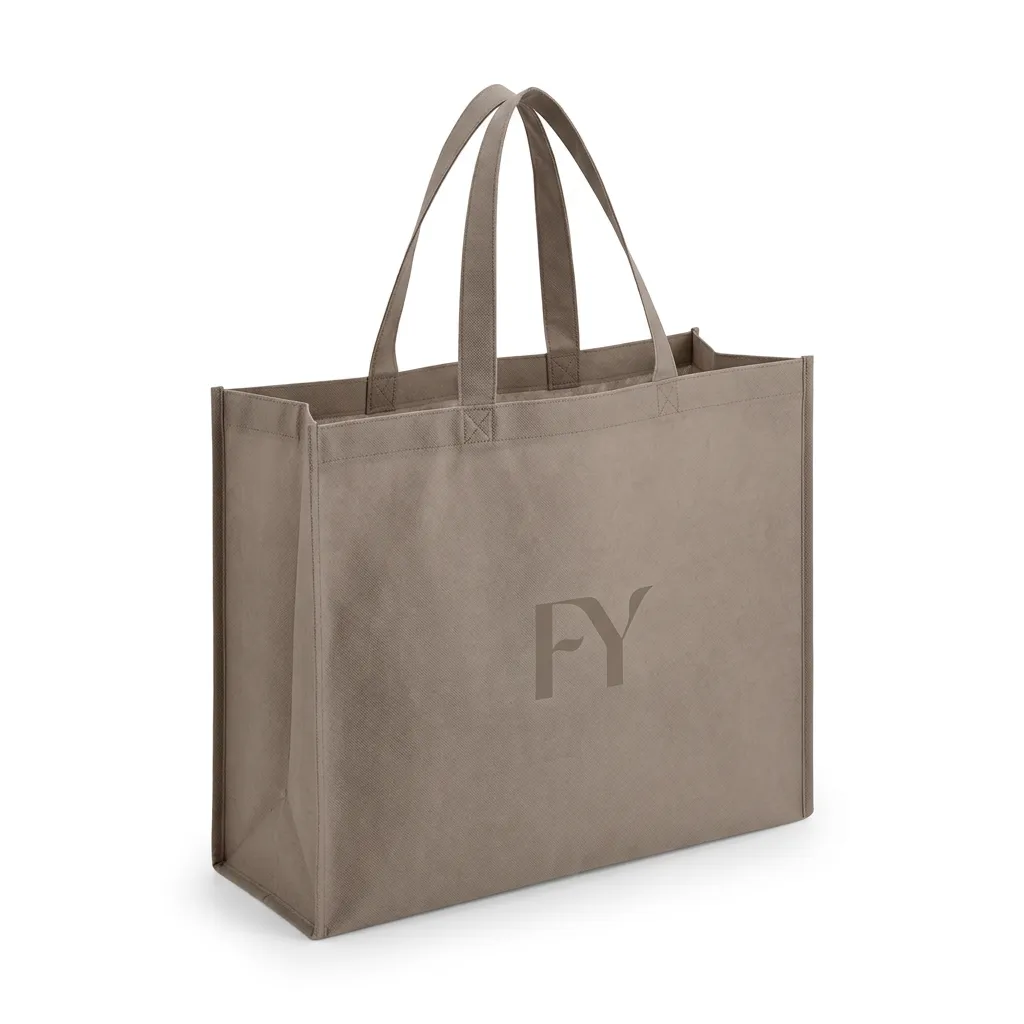
Recycled Textiles
RPET and other recycled textile directions suit collections with a defined recycled-material brief. Confirm source material, surface texture, color expectation and documentation needs early, as they affect sourcing options, logo results and quotation scope.
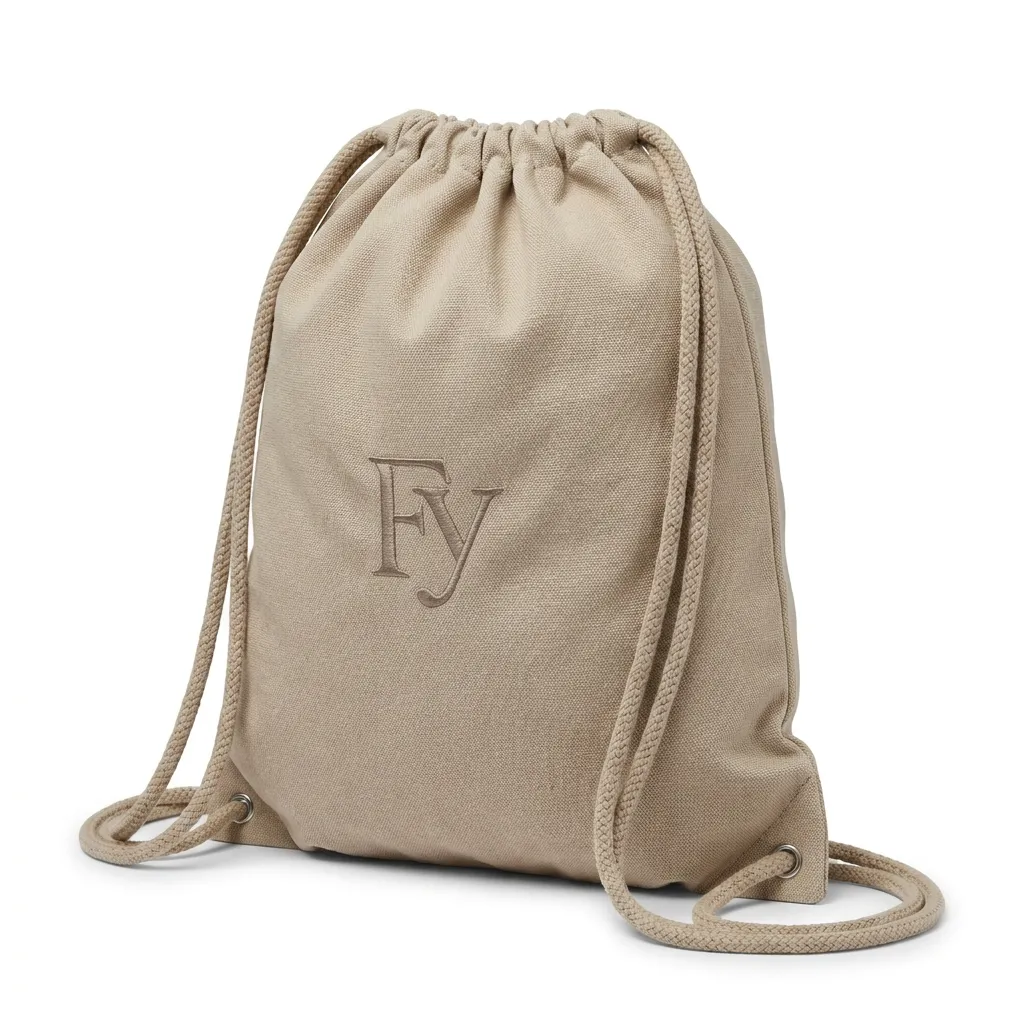
Oxford Cloth
A woven synthetic option with a smoother, lighter hand feel for foldable, promotional or utility-oriented totes. Specify coating, backing, denier direction and lining requirements so the pattern and decoration method suit the intended construction.
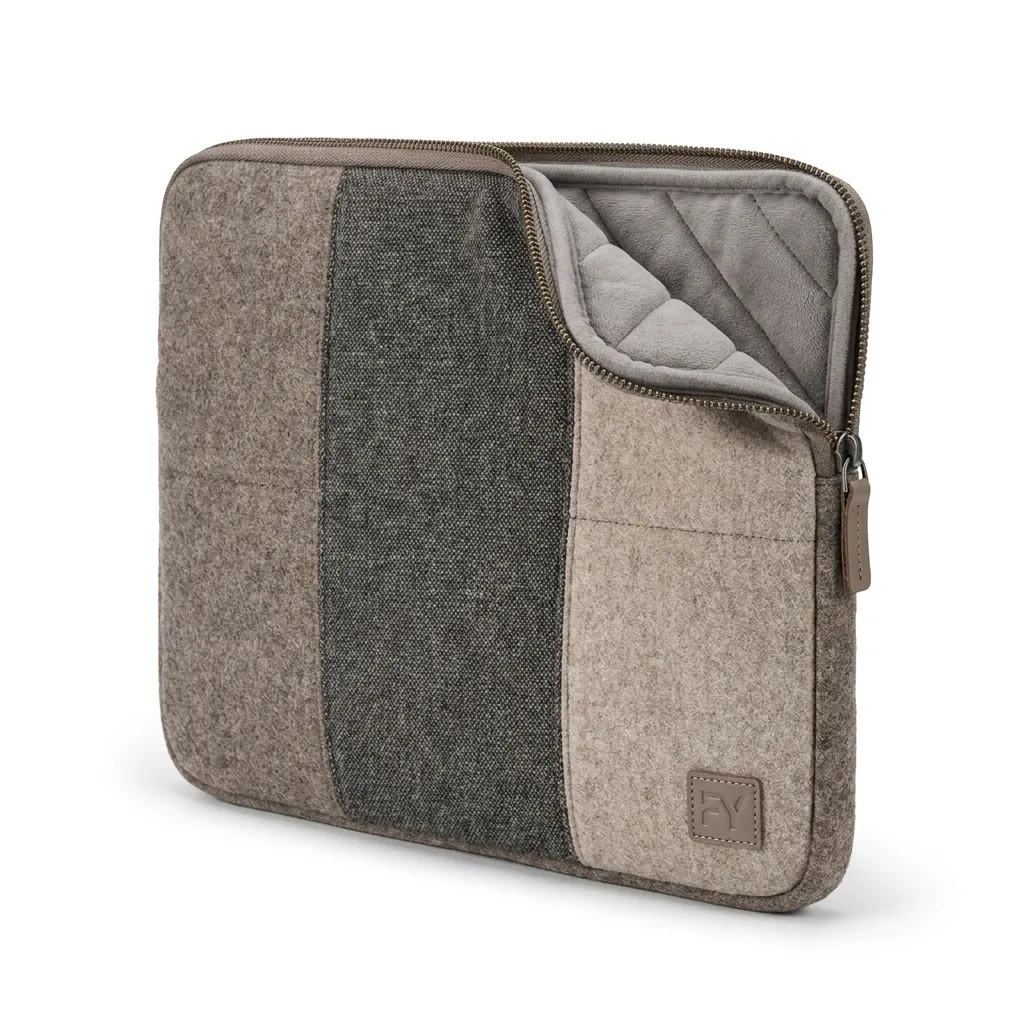
Polyester Fabric
A versatile man-made fabric direction for colorful, lightweight or travel-oriented tote concepts. Surface finish, fabric weight and print method should be reviewed together, especially where a clean logo appearance or structured body is important.

Lining Materials
Cotton, polyester and other lining options can change the interior hand feel, shape retention and assembly steps. Define pocket construction, contrast color, padding or backing requirements so the lining is costed as a functional component.
Canvas Tote Manufacturing Cost Breakdown: Decoration Processes
Screen Printing
Screen printing applies prepared ink layers through separate screens for each color. It suits defined logo areas and requires confirmation of artwork colors, print size, placement, sides, canvas surface and expected hand feel.

Heat Transfer
Heat transfer uses prepared artwork applied with heat and pressure after fabric preparation. Quote inputs include transfer type, artwork dimensions, color detail, placement, application area and whether the design appears on one or both sides.

Custom Embroidery
Embroidery builds a raised stitched logo directly on the tote or selected panel. The artwork must be digitized, while stitch density, thread colors, backing, placement and potential fabric puckering affect preparation and assembly decisions.
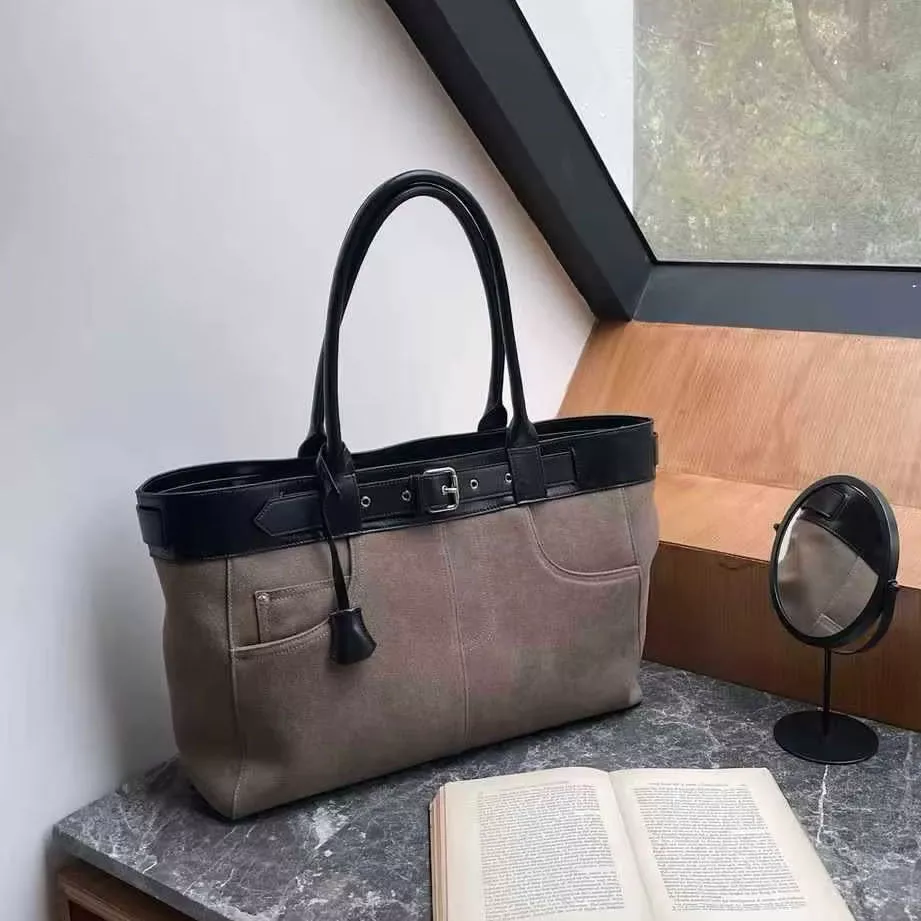
Patch Application
Custom patches add a separate branded component that is sewn, bonded or otherwise fixed to the tote. Material choice, patch dimensions, edge finish, logo method, attachment position and reinforcement requirements should be defined before quotation.

Dye Sublimation
Dye sublimation transfers artwork into suitable textile surfaces for detailed, full-color visual effects. Confirm the proposed fabric construction, print coverage, panel layout, artwork files and whether printing occurs before cutting and sewing.

Woven Labels
Woven labels provide a textile branding detail at a seam, pocket or interior position. Label size, weave design, fold type, thread colors, placement and sewing access determine the production instructions and BOM line items.
Canvas Tote Manufacturing Cost Breakdown: Trims, Labels and Packing
Zippers and Pulls
Top zippers, internal pocket zippers and custom zipper pulls can be specified by size, finish, color and placement. Confirm the opening construction and pull branding during sampling to align function and BOM scope.

Snaps and Rivets
Snap buttons and rivets can secure closures, reinforce handle attachments or create adjustable details. Define metal finish, visible placement and required backing so pattern, reinforcement and assembly requirements are reviewed before production.

Webbing Handles
Cotton, polyester or other webbing can form handles, shoulder straps and trim accents. Width, weave, color, handle drop and attachment method affect cutting, sewing operations and the finished tote’s intended carrying experience.

Woven Brand Labels
Woven labels add a permanent brand identifier at the seam, pocket or interior. Supply artwork, label dimensions, fold style, colors and placement so the label is included in material sourcing and sewing instructions.

Hangtags and Cards
Hangtags, care cards and barcode cards support retail presentation and product information. Confirm artwork, paper direction, attachment method, barcode data and whether each piece must be inserted, tied or packed separately.
Retail Ready Packing
Custom dust bags, polybags, branded boxes, carton marks and protective inserts can be planned as separate BOM items. Define folding method, label position and packing sequence before bulk production to avoid late packing revisions.
About Yeenkran: Pattern to Production
Founded in 2010, Wuhan Yeenkran Bag Co., Ltd. helps international brands turn tote concepts into production-ready products. For a canvas tote manufacturing cost breakdown, our team starts with the details that shape the BOM: dimensions, fabric and lining, handles, reinforcement, decoration, labels, packaging and order requirements.
Our integrated OEM, ODM and private-label workflow connects material sourcing, pattern engineering, sampling, cutting, sewing, printing, quality checks and export coordination. Buyers can begin with a tech pack, sketch, reference sample or early concept, then refine specifications before approving a sample and moving toward repeatable bulk production.
What differentiates Yeenkran is development discipline behind the quote. We retain approved patterns, material specifications and sample records to support consistent reorders. Company-supplied operational figures include more than 200 skilled employees, monthly capacity above 60,000 bags and service to more than 1,200 bag and accessory brands.

Canvas Tote Manufacturing Cost Breakdown Starts Before Bulk
Engineer the Pattern First
A clear pattern turns visual intent into measurable cut panels, handle lengths, gusset geometry and seam allowances. Yeenkran reviews construction before costing so the canvas tote manufacturing cost breakdown reflects the actual material yield and sewing sequence, not a reference image alone.
- Confirm finished dimensions and capacity intent
- Define gusset, pocket, handle and reinforcement details
- Flag structural changes before sampling or quotation
- Use approved patterns for repeatable reorders
Specify Materials and Trims
Canvas, lining, webbing, zippers, labels and packaging should be listed as individual BOM inputs. Material weight, weave, color, finish and supplier minimums can change the calculation, while trim choices affect both assembly steps and the final product presentation.
- Name canvas and lining construction requirements
- List webbing, hardware and closure selections
- Separate branding trims from functional components
- Confirm material minimums before order approval
Lock the Sample Record
A signed sample is more useful when its material, dimensions, decoration placement and packing details are recorded beside it. This approval record gives both teams one reference when a quotation is revised, a production sample is checked or a reorder is planned.
- Retain approved swatches and sample notes
- Record logo artwork, placement and color references
- Document measurement and construction revisions
- Align pre-production approval with the BOM
Check Cost-Sensitive Construction
In-line checks focus on the details that can drift from an approved specification: stitch reinforcement, handle attachment, pocket alignment, decoration quality and packing execution. Catching deviations during production helps preserve the construction assumptions used in the original cost review.
- Inspect incoming materials against approved references
- Review sewing sequence and reinforcement points
- Check decoration before final finishing
- Verify labels, packing and carton instructions

Canvas Tote Manufacturing Cost Breakdown: Yeenkran vs. an Unstructured Tote Quote
Compare the BOM and approval details that make a tote quotation traceable before sampling and bulk production.
← Swipe left or right to view →
Canvas Tote Manufacturing Cost Breakdown: BOM to Export Packing
Each approval point keeps material, construction, decoration and packing assumptions aligned before bulk production.
Review BOM Feasibility
Yeenkran reviews dimensions, canvas and lining direction, handles, pockets, logo method, hardware, packaging, quantity and destination before confirming workable cost assumptions.
Source Materials and Sample
Canvas, lining, webbing, labels and trims are matched to the brief; patterns and samples refine measurements, construction details and decoration placement for approval.
Cut and Decorate Components
After approved specifications, fabric and supporting materials are prepared, then printing, embroidery, patches or other selected branding processes are applied to planned components.
Sew and Check Inline
Operators assemble panels, handles, pockets and reinforcements while in-line checks review stitch quality, dimensions, hardware installation and visible decoration consistency.
Inspect Pack and Handoff
Final checks cover appearance, measurements, weight, branding and packing requirements before export cartons are verified and the shipment handoff is coordinated.
Get Your Canvas Tote Manufacturing Cost Breakdown
Turn a tech pack, sketch, reference sample or concept into a clear, project-specific BOM review without relying on assumed unit pricing.
Submit Your Tote Brief
Send your tech pack, sketch, reference, dimensions, target quantity, intended use, artwork and packaging direction so Yeenkran can assess the development scope.
Confirm Materials and Construction
Review canvas, lining, handles, gussets, pockets, reinforcement, trims and decoration choices, including the construction details that affect material yield and sewing work.
Approve Sample and BOM
Evaluate the developed sample, specifications and unpriced BOM structure; then confirm revisions before Yeenkran prepares a quotation aligned with the approved build.
Release Bulk Production
After order confirmation, approved materials and sample records guide cutting, sewing, decoration, inspection, branded packing and export shipment coordination for consistent repeat production.
Documentation Checks for canvas tote manufacturing cost breakdown
Request reports relevant to the approved shell, lining, coating, hardware or decoration for the canvas tote manufacturing cost breakdown specification.
Review the factory, production and quality records that apply to the confirmed manufacturing program.
Define required declarations or testing before sampling so the quotation reflects the destination market.
When recycled or specifically sourced materials are selected, request supplier records matched to the actual order.
Confirm fiber, care, packaging, carton marks and labeling information for the buyer’s sales channel.
Buyer Approval Priorities for Canvas Tote Cost Breakdown: Fabric, Cutting, Sewing and Printing
Buyer review framework — not a named customer quote.
Confirm the Working Sample
Review the dimensions, access, construction, material references and branding decisions for this specific program before approving the sample.
Keep the Approval Evidence
Retain the agreed bill of materials, approved patterns, swatches and change records so the production team and buyer use the same reference.
Coordinate the Production File
Record sourcing, sewing, decoration, inspection and packing requirements in one project file rather than treating a reference photo as the specification.
Canvas Tote Manufacturing Cost Breakdown FAQs
Practical answers for buyers preparing an OEM tote quotation, sample, and bulk-production brief.
What should a canvas tote manufacturing cost breakdown include?
Can Yeenkran quote a canvas tote manufacturing cost breakdown from a sketch?
What is the minimum order for a custom canvas tote?
How do fabric weight and tote size affect the cost?
Which decoration details change a canvas tote manufacturing cost breakdown most?
Can I change the material after approving a canvas tote manufacturing cost breakdown?
Do I need a sample before placing a bulk tote order?
What payment and shipping details should I include in my tote RFQ?
How does Yeenkran handle confidential artwork and private-label tote projects?
Canvas Tote Cost Breakdown: Fabric, Cutting, Sewing and Printing
An unpriced worksheet for comparing canvas tote manufacturing quotes without treating a preliminary quote as a fixed unit cost.
The direct answer: cost follows the approved specification
A canvas tote quote is the sum of material consumption, conversion work, decoration, packaging, quality activity, and project-specific commercial requirements. The largest lever is rarely the word “canvas”; it is the complete approved build: fabric specification and color, finished dimensions, gusset and pockets, handle construction, print artwork, packaging, quantity by color, and delivery terms. A lower initial quote can therefore describe a different bag rather than a more efficient factory. For a useful comparison, ask every supplier to cost the same revision-controlled specification and to show assumptions beside each cost block. Do not request a universal cost per bag or use another seller’s advertised price as a benchmark. A search result may describe a product with different material, decoration, destination, order size, and service scope.
- Freeze the reference sample, drawing, or tech pack before comparing quotations.
- Separate one-time development or artwork work from recurring production cost.
- Mark every unresolved choice as an assumption, not as an included feature.
Build an unpriced BOM worksheet before asking for numbers
Use an unpriced bill-of-materials worksheet to expose what a quote covers. It is a decision tool, not a price model: leave currency, rates, and supplier margins to the quotation. The buyer should be able to trace each line to a drawing, swatch, artwork file, packaging mock-up, or inspection instruction. If a supplier combines several lines, ask which specification governs the combined amount. Include waste and yield as named assumptions rather than silently comparing fabric only by finished bag size. A pattern with a wide gusset, shaped panels, contrast straps, or directional print can change cutting layout.
- Fabric: fiber/content claim, construction, stated mass or weight, width, color/finish, and approved swatch.
- Components: webbing or self-fabric handles, thread, label, zipper or closure, reinforcement, and hardware where specified.
- Conversion: pattern, cutting, sewing operations, trimming, finishing, inspection, packing, and any requested test or report.
- Decoration and logistics: print method, color count, locations, artwork readiness, individual packing, carton marks, freight and duties quoted separately.
| Cost block | Buyer-controlled specification | Quote question |
|---|---|---|
| Fabric and loss | Approved swatch, fabric description, width and finished panels | What material and yield assumptions are included? |
| Components | Handle construction, labels, closures, reinforcements | Which components are included, and which are provisional? |
| Cut and sew | Pattern revision, seams, pockets, lining, finishing | What operations change if the construction changes? |
| Decoration | Artwork revision, locations, print colors and coverage | What setup and recurring production items are separated? |
| Packaging and delivery | Unit pack, carton marks, destination and Incoterm | What is excluded from the ex-works product quote? |
Specify fabric as a usable material, not a marketing label
Fabric can influence both purchase consumption and how easily the tote is cut, printed, sewn, folded, and packed. “Canvas” alone does not settle fiber content, weave, surface appearance, color variation, finish, width, or supplier substitution rules. State the fabric information you need on the purchase specification, then approve a swatch or production-representative sample under the intended artwork and color. Choose fabric around the item’s use and brand presentation. A softer material may fold and pack differently from a firmer one; a more textured surface may alter fine logo edges; a light color can make show-through, stain visibility, or print coverage more relevant. These are project trade-offs, not promises of durability or water resistance.
- Name the approved swatch, color standard or buyer-supplied reference, and allowed variation process.
- State finished dimensions, seam allowance ownership, panel orientation, and whether print must align with a grain or stripe.
- Ask whether the selected fabric is available for the proposed color and craft combination before bulk approval.
Make cutting yield and construction visible in the quote
Cutting begins with a pattern, marker layout, fabric width, and approved panel geometry. It is not merely a material-handling charge. A tote with front and back panels may be simple to nest; a contrast bottom, boxed corners, curved panels, matched stripes, or multiple pockets can add handling and reduce usable layout. Ask for the pattern revision on the sample record so later dimensional changes are recognized as cost and yield changes. Sewing cost follows operations and handling time. Long handles, cross stitching, boxed corners, internal pockets, lining turns, binding, magnetic closures, or zipper installation each create distinct work and inspection points. More operations can support a desired appearance or function, but they also add opportunities for mismatch, puckering, skipped stitches, loose thread, or placement variation.
- Request a construction map that identifies panels, reinforcements, closures, labels, and decoration locations.
- Record which details are appearance-critical and which dimensions are functional-critical.
- Require written approval before changing the pattern, handle method, or component source from the sampled version.
Choose decoration by artwork risk, not by a generic durability claim
Printing cost is driven by method, artwork preparation, number of colors, print locations, coverage, registration tolerance, fabric surface, and the approval cycle. A simple mark in one place is a different manufacturing instruction from a large, multi-color design that wraps close to seams. Send editable artwork, final scale, placement measurements from fixed edges, color references where applicable, and a statement of what visual variation is unacceptable. Screen printing, transfer-based decoration, embroidery, and other methods should be evaluated against the actual artwork and material sample. Each has different setup, production handling, visual character, and potential distortion risks; none is automatically best for every canvas tote. com/tote-bag-manufacturing-process-guide
Approve a decoration strike-off or representative sample before bulk production. Compare it in normal viewing conditions for placement, edge definition, color appearance, registration, show-through, and interaction with seams or texture.
- Identify each print face separately: front, back, gusset, handle, interior label, or packaging.
- Treat artwork revision, screen or file preparation, and bulk decoration as separately quotable items.
- Keep signed artwork approval with the pre-production sample record.
| Decoration decision | Cost and production effect | Approval action |
|---|---|---|
| More colors or complex art | Can add preparation, registration, and production steps | Approve final separations and a representative print sample |
| Large coverage near seams | May complicate placement and visual consistency | Dimension the safe print area from fixed construction points |
| Textured or colored fabric | Can change visual appearance of fine details | Review the actual approved fabric and color together |
| Embroidery or added branding elements | Adds component, placement, and sewing/finishing considerations | Approve location, scale, backing or finish if applicable |
Use the sample sequence to prevent cost drift
A sample is an approval instrument, not just a presentation item. Start with the version appropriate to the uncertainty: a pattern or construction sample for shape and operations; a material and color sample for the selected fabric; a decorated sample for artwork; then a pre-production sample that combines the bulk-intended decisions. State which stage is being approved and which elements remain provisional. The approval record should identify the sample date, revision, fabric swatch, components, dimensions, artwork, decoration location, packaging, and open deviations. Photographs may help identify the sample, but they cannot verify fiber composition, certification, strength, or any other performance claim. Retain the physical approved sample where practical and require written agreement for substitutions.
- Reject a quote comparison if suppliers are pricing different sample revisions.
- Log every approved deviation and its effect on material, operations, decoration, or packaging.
- Ask what buyer approval is required before bulk material commitment.
Compare quotations on scope, assumptions, and exclusions
A usable comparison does not rank suppliers by one unit figure. It compares what each figure includes, what varies with quantity or color split, what requires buyer approval, and what remains outside the factory scope. Ask for a line-item or clearly grouped breakdown that distinguishes material, components, cut-and-sew, decoration, packaging, sampling or setup, and delivery-related items. Suppliers may reasonably protect confidential internal rates; the buyer still needs enough scope detail to recognize changes. Record the commercial basis beside the quote: quantity by style and color, sample status, currency, tax status, Incoterm, destination, payment assumptions, validity period, and included documents.
- Compare cost changes caused by a revised fabric, another print color, an added pocket, or a different pack-out.
- Ask for a written list of buyer-supplied items and supplier-supplied items.
- Escalate any undefined term such as “standard canvas,” “normal packing,” or “usual QC” before issuing an order.
Send an RFQ that can produce a decision-ready quote
The fastest way to reduce quotation uncertainty is to send complete inputs in one controlled package. Give the bag a unique style name and revision, then tie every file and sample note to it. Ask the supplier to state assumptions, substitutions, exclusions, and questions in its return. That makes the next discussion about choices rather than guesswork. , provide the tote specification and request confirmation that the quoted build can be sampled and produced under the stated material and craft minima. The company was founded in 2010 and describes its service as OEM, ODM, and private-label bag manufacturing.
- Product: dimensions, shape, gusset, panel count, pockets, handles, closures, labels, hardware, target use, and approved or reference sample.
- Material: swatch/reference, fabric description, color, lining, components, substitution rule, and any required reports or buyer-defined tests.
- Artwork: editable files, locations, dimensions, colors, print method preference if any, and physical approval requirements.
- Commercial: quantity by style/color, sample quantity, required packaging, carton marks, inspection plan, destination, Incoterm, and desired delivery window.
- Quote return: separated setup/sample and recurring production items, inclusions/exclusions, MOQ applicability, assumptions, and quote validity.
Canvas Tote Manufacturing Cost Breakdown, Reviewed for Your Project
Send a tech pack, sketch or reference sample for an unpriced BOM review and custom tote quotation from Yeenkran.