
Canvas Tote RFQ Checklist for Comparable OEM Quotes
Use this canvas tote RFQ checklist to submit the specifications Yeenkran needs for a like-for-like quote from 100 units per style and color, subject to confirmation.
Product References for Canvas Tote RFQ Checklist: What to Send for a Comparable Quote
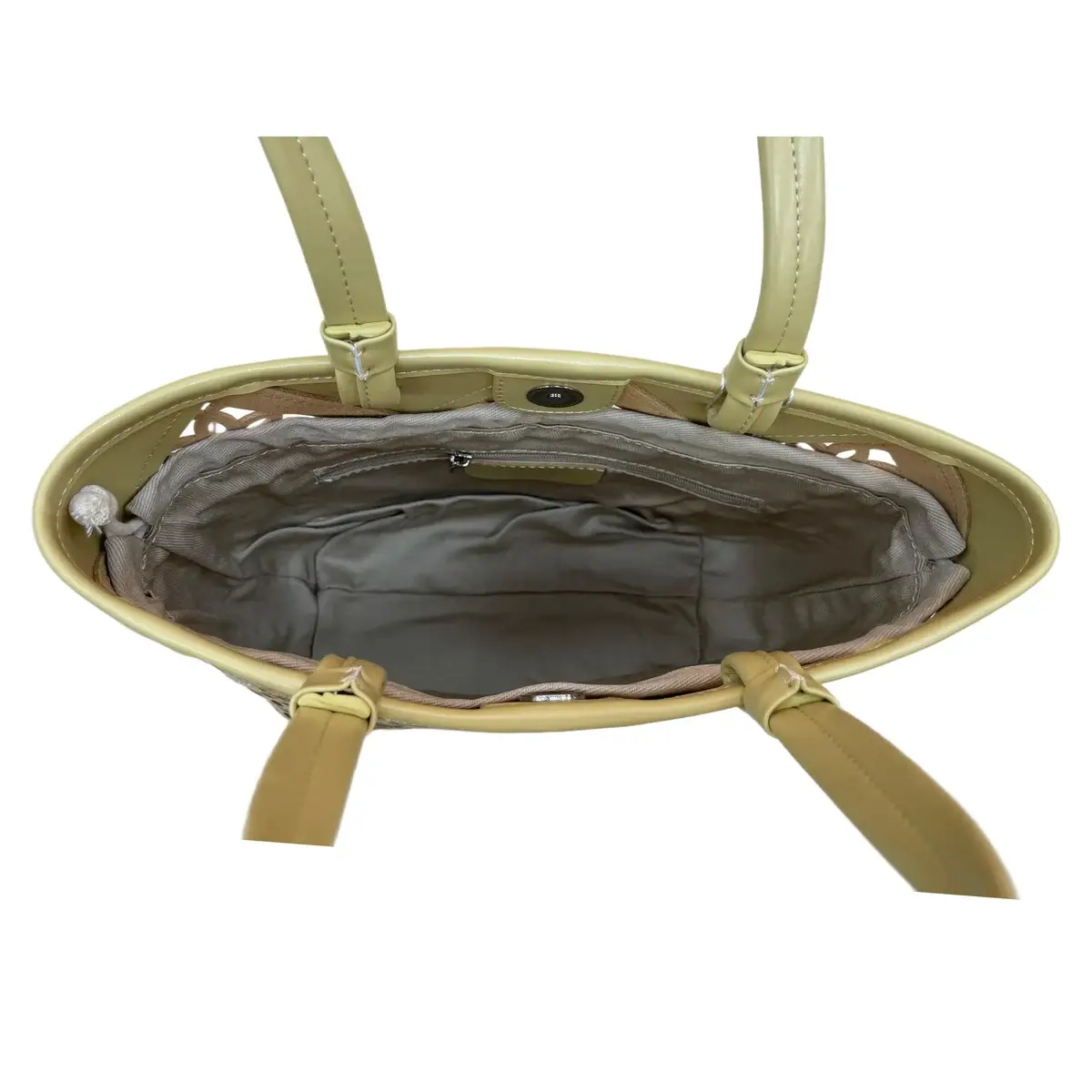

Product Directions for Canvas Tote RFQ Checklist: What to Send for a Comparable Quote
These published references illustrate development directions, not ready-stock or fixed-specification promises. Final material, dimensions, performance and branding require approved samples.
Why a Complete Canvas Tote RFQ Checklist Produces Better Quotes
Provide the details that let Yeenkran review the same tote construction, branding, packing, and delivery assumptions before pricing.
Defined Tote Dimensions
Width, height, gusset, handle length, and intended contents help align pattern development, material consumption, and the tote’s practical carrying capacity.
Specified Canvas Weight
State canvas or cotton preference, target weight, color, lining, and finish so material options can be evaluated against your required hand feel.
Clear Logo Direction
Attach artwork and note placement, size, colors, and preferred decoration appearance, allowing the team to assess suitable printing, embroidery, or label options.
Quantity by Color
Break quantities down by style and color rather than giving only a total, since material minimums and production planning may differ.
Packaging and Destination
List hangtags, polybags, boxes, carton requirements, destination country, and delivery deadline so packing and export coordination are considered in the quote.
Choose Your Canvas Tote Development Path
Use these adjacent bag categories to clarify carry use, construction priorities, decoration, packaging, and the commercial outcome required for your tote RFQ.

Bag Material Sourcing Service — 100-Piece MOQ | Yeenkran
Explore the verified related manufacturing and approval program.
Explore Program
Bag Quality Control Process for OEM Production | Yeenkran
Explore the verified related manufacturing and approval program.
Explore ProgramBag Quality Control Checklist: OEM Approval Guide 2026
Explore the verified related manufacturing and approval program.
Explore ProgramZippered Tote Bag Manufacturer
Top opening, closure reach and packed security; consolidate canvas/zippered synonyms.
Explore ManufacturingCanvas Tote RFQ Checklist: Materials to Specify
Cotton Canvas
A natural, textured fabric for retail, grocery, fashion, and promotional totes. Specify preferred GSM or ounce weight, weave feel, color, and whether a softer drape or firmer body is required.
Cotton Twill
A diagonally woven cotton option with a smoother, softer hand than many canvases. It suits refined everyday totes and printed branding; confirm fabric weight, surface appearance, and desired structure in the RFQ.
Recycled Textiles
RPET and other recycled textile options can support tote programs with defined material requirements. State the intended recycled-content documentation needs, fabric weight, finish, color, and end use for article-specific sourcing review.
Polyester Fabric
Polyester offers a clean surface and broad finish options for lightweight shopper, commuter, or promotional totes. Include fabric type, denier or GSM where known, desired hand-feel, color, and water-resistance expectations.

Lining Materials
Lining can improve interior appearance, pocket definition, and daily usability. Specify whether the tote needs cotton, polyester, recycled, or other lining, plus color, weight, pocket layout, and the intended contents.

Structural Components
Foam, interlining, reinforcement, and base materials determine how a tote holds shape under use. Identify areas needing support, such as handles, bottom gussets, panels, or pockets, and describe the desired stiffness.
Canvas Tote RFQ Checklist: Decoration Specifications

Screen Printing
A practical route for clear, bold artwork on suitable canvas surfaces. Specify print colors, placement, dimensions, and whether the artwork must cover one or both sides for a comparable tote quotation.
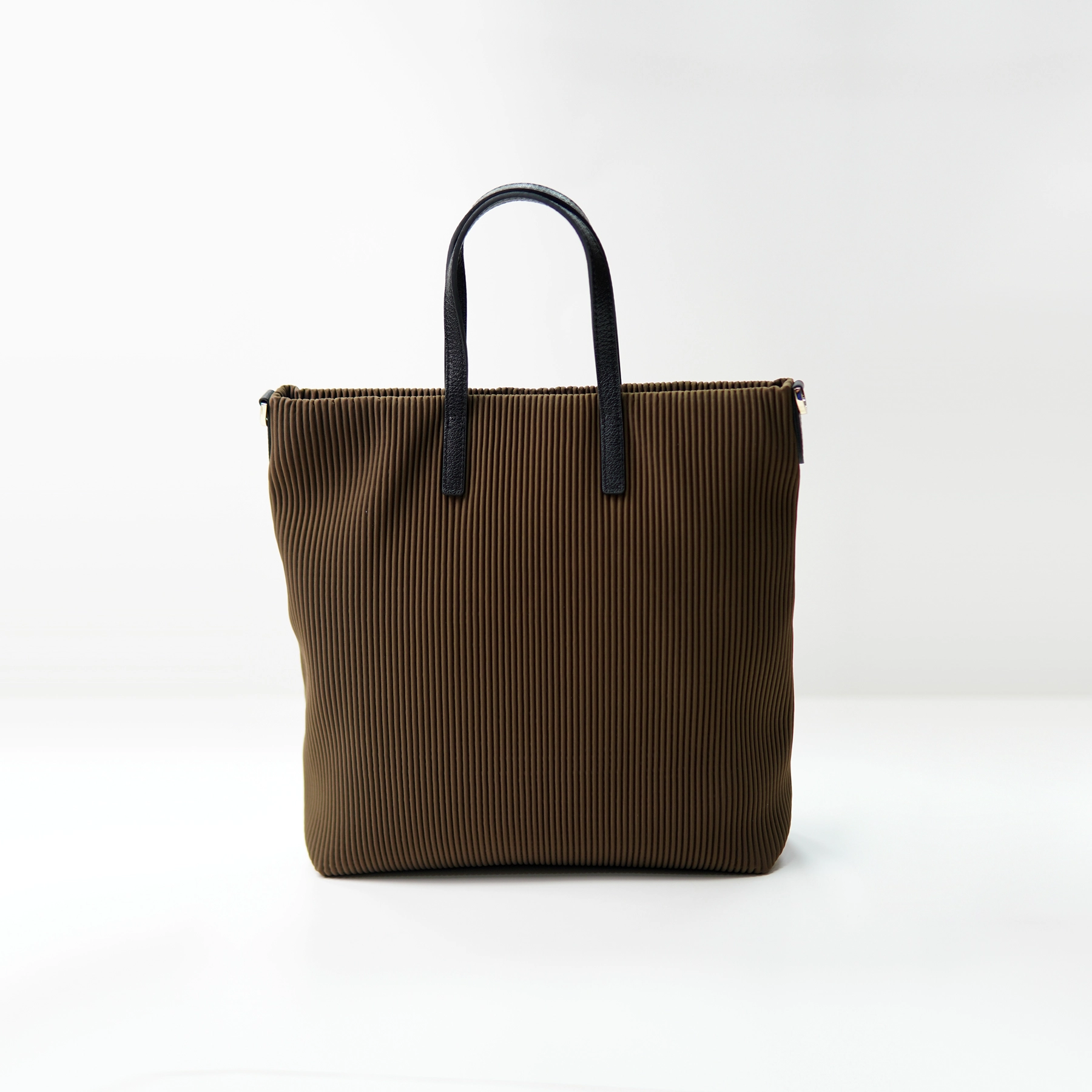
Heat Transfer
Heat transfer can reproduce detailed logo artwork and color variation. Send the final artwork, intended visual finish, print size, and placement so material compatibility and sample appearance can be reviewed.
Custom Embroidery
Embroidery creates a textured, stitched logo result for selected tote constructions. Identify stitch area, artwork complexity, thread-color references, and preferred placement, particularly where canvas weight or seams may affect execution.
Dye Sublimation
Dye sublimation is considered when the selected textile and artwork call for full-color graphic coverage. Include the fabric route, artwork scale, coverage area, and color references so the proposed development remains clear.
Custom Patches
Patches add a separate branded element through an applique or other proposed patch treatment. Define patch material, shape, dimensions, attachment position, edge treatment, and whether the patch should be supplied with supporting artwork.
Woven Labels
Woven labels provide a compact branding detail for interior or exterior placement. State label dimensions, fold style, artwork, colors, position, and whether it is sewn into a seam or applied as a visible branded feature.
Canvas Tote RFQ Checklist: Hardware, Labels & Packaging
Zippers and Pulls
State zipper type, length, color, slider finish, pull style, and placement for top closures or interior pockets. Custom zipper pulls should be identified separately because tooling, material, and attachment details affect the quote.
Snap Button Closures
Define whether magnetic snaps, metal press studs, or other closures are needed, including finish, color, position, and quantity per tote. Closure choices influence reinforcement, assembly steps, and the material allowance around each attachment point.
Webbing Handles
List webbing material, width, color, handle length, carry style, and any cross-stitch or boxed reinforcement at the handle base. These details help quote the correct cutting, sewing, and load-bearing construction without assumptions.
Woven Brand Labels
Provide label artwork, finished size, weave or print preference, fold style, color references, and sewing location. Note whether the label is exterior, interior, or both, since placement and edge treatment change the assembly sequence.
Hangtags and Packaging
Specify hangtag material, artwork, attachment method, barcode needs, individual polybag or dust-bag requirements, folding method, and carton instructions. Include retail-ready packaging in the RFQ so quotations use the same packing assumptions.
Canvas Tote RFQ Checklist: About Yeenkran
Wuhan Yeenkran Bag Co., Ltd. has manufactured custom bags and luggage since 2010, helping global brands turn concepts into production-ready products. For canvas tote RFQs, the team reviews intended use, dimensions, materials, carrying details, branding, packaging, and quantity so the quote reflects the bag to be built.
We combine pattern engineering, material and hardware sourcing, sampling, manufacturing, quality control, branding, packing and export coordination in one workflow. Beyond canvas totes, Yeenkran develops coordinated bag programs across backpacks, handbags, travel bags, crossbody styles and small accessories for OEM, ODM, private-label and wholesale buyers.
Our difference is structural development before assumptions become bulk-production problems. Buyers can start with a tech pack, sketch, photo, reference sample or mood board; we then clarify construction, reinforcement, pocket layout, handle design and decoration choices. Approved patterns and specifications are retained to support consistent reorders.
Canvas Tote RFQ Checklist: Details That Make Quotes Comparable
Pattern Before Price
A tote quote becomes comparable when the construction is clear: finished width, height, gusset shape, handle length, pocket positions, closures, and reinforcement points. Yeenkran can review a sketch, reference bag, or worksheet and identify the pattern decisions that still need confirmation.
- State finished dimensions as width × height × gusset
- Mark handle drop, attachment method, and stress areas
- Separate fixed requirements from items needing development advice
Material and Trim Alignment
Canvas weight alone does not define the bag. Record the intended hand feel, structure, color, lining, webbing, zipper or closure, labels, and hardware. This gives Yeenkran a practical sourcing brief and keeps one supplier from pricing a lighter or simpler interpretation.
- Describe desired structure, softness, and surface appearance
- List lining, webbing, hardware, and label requirements
- Attach swatches, color references, or approved material alternatives
Sample Decisions Documented
Use the RFQ checklist to identify what must be evaluated during sampling: measurements, shape, logo position, decoration result, handle comfort, and packing. Feedback tied to a sample helps refine the specification before bulk production.
- Approve visible details and functional construction separately
- Record changes by measurement, location, and material
- Confirm final artwork, decoration method, and placement
Production Checks Built In
A comparable quote should also identify the checks that matter after approval. Define key measurements, appearance expectations, branding details, packing format, quantity by style and color, and export destination. Yeenkran can review these inputs alongside MOQ feasibility, which starts at 100 units per style and color subject to material and construction confirmation.
- Break quantities down by style and color
- Specify packing, hangtags, cartons, and destination needs
- Flag approval points for materials, sample, and final packing
Canvas Tote RFQ Checklist: Complete Brief vs. Incomplete Brief
Align the same tote inputs before comparing supplier offers.
← Swipe left or right to view →
Canvas Tote RFQ Checklist: From Review to Export
A clear sequence for turning your tote brief into an approved, export-ready production program without assuming fixed timelines.
Review the Tote RFQ
Yeenkran reviews your reference, dimensions, intended use, quantity, logo, material direction, packaging and destination, identifying details that need confirmation before quoting.
Confirm Construction Feasibility
The team assesses canvas weight, gusset, handle attachment, pockets, reinforcement, decoration and hardware so the proposed construction matches your use case and target.
Source Materials and Trims
Canvas, lining, webbing, labels, zippers and packaging options are compared against the approved brief, color direction, order volume and applicable supplier minimums.
Develop and Approve Sample
Patterns and samples translate the agreed specifications into a physical tote for review of shape, measurements, materials, logo placement, assembly and functional details.
Produce and Check Bulk
After approvals are recorded, bulk production moves through cutting, sewing, decoration and in-line checks, with measurements, appearance and packing reviewed during final inspection.
Pack and Coordinate Export
Finished canvas totes are packed to the agreed requirements, carton details are verified, and Yeenkran coordinates export preparation after balance payment and shipment arrangements are confirmed.
Submit Your Canvas Tote RFQ Checklist
Give Yeenkran the details needed to review feasibility, align the specification, and prepare a comparable quote before sampling.
Send Your Tote Brief
Share reference images, intended use, dimensions, material direction, artwork, quantity by color, packaging needs, destination, and required date. Mark any details still open for discussion.
Review Quote Assumptions
Compare the proposed construction, canvas or cotton options, handles, reinforcement, decoration, branding, packaging, and quantity split. Confirm which assumptions require a swatch, drawing, or revision.
Develop and Approve Samples
Use the sample to check shape, measurements, material hand feel, logo placement, carrying function, and assembly details. Record approved changes before authorizing production-ready specifications.
Confirm Bulk Production
Finalize the approved specification, color and quantity breakdown, packaging, inspection requirements, and export details. Yeenkran then confirms the production plan for your canvas tote order.
Documentation Checks for canvas tote rfq checklist
Request reports relevant to the approved shell, lining, coating, hardware or decoration for the canvas tote rfq checklist specification.
Review the factory, production and quality records that apply to the confirmed manufacturing program.
Define required declarations or testing before sampling so the quotation reflects the destination market.
When recycled or specifically sourced materials are selected, request supplier records matched to the actual order.
Confirm fiber, care, packaging, carton marks and labeling information for the buyer’s sales channel.
Buyer Approval Priorities for Canvas Tote RFQ Checklist: What to Send for a Comparable Quote
Buyer review framework — not a named customer quote.
Confirm the Working Sample
Review the dimensions, access, construction, material references and branding decisions for this specific program before approving the sample.
Keep the Approval Evidence
Retain the agreed bill of materials, approved patterns, swatches and change records so the production team and buyer use the same reference.
Coordinate the Production File
Record sourcing, sewing, decoration, inspection and packing requirements in one project file rather than treating a reference photo as the specification.
Canvas Tote RFQ Checklist FAQs
Direct answers for buyers preparing a comparable custom canvas tote quotation.
What should I include in a canvas tote RFQ checklist?
Can I use a canvas tote RFQ checklist if my specifications are incomplete?
What is Yeenkran’s MOQ for a custom canvas tote?
Do I need a finished tech pack before submitting a canvas tote RFQ checklist?
Can Yeenkran make a sample before I place a bulk canvas tote order?
How do I compare canvas tote quotes from different manufacturers?
What canvas and textile options can I request for a custom tote?
What payment, shipping, and reorder-support details should I confirm?
Canvas Tote RFQ Checklist: What to Send for a Comparable Quote
A product-specific RFQ worksheet for turning one canvas-tote concept into comparable manufacturing quotations.
Start with one controlled quote brief
The direct answer: send every prospective manufacturer the same completed canvas-tote RFQ, the same artwork files, and the same assumptions. A comparable quote is not simply a unit-price response; it is a written interpretation of one defined bag. If a field is undecided, write “TBD—quote option A and option B” instead of leaving room for an unrecorded substitution. For this product, begin with a one-line use statement: for example, retail carry bag, event giveaway, bookstore tote, grocery-style reusable bag, or premium merchandise bag. State what the user is expected to carry, whether the tote is used occasionally or repeatedly, and whether the bag must fit a particular item.
- RFQ title, revision, buyer contact, quote currency requested and requested quotation validity.
- Intended use, carried item or approximate load description, sales channel and destination country/city.
- Target order quantity plus the exact split by colour, size or artwork; identify whether the quantity is a forecast or firm.
- Required sample stage: material/colour review, prototype, pre-production sample, or another named approval point.
- Request that unknown items are labelled as assumptions, alternatives or exclusions—not silently selected.
Define the bag before you define the fabric
A canvas tote quote changes when its geometry changes. Supply finished external width, height and gusset depth, state the measurement orientation, and identify whether dimensions are taken flat, filled or at the bag opening. Include a simple line drawing with arrows. If there is no gusset, say so; if the tote has a boxed base, bottom seam, side gussets or a shaped profile, name it. A supplier should not have to infer construction from a lifestyle image. Specify the opening: open, snap, zip, drawcord, magnetic closure or other approved feature. List internal and external pockets separately, including their finished size, placement, closure and whether they require a divider.
Geometry fields to place on the drawing
Use a numbered drawing and match each callout to an RFQ field.
- Finished width, finished height and finished gusset depth, with unit of measure.
- Opening width if it differs from body width; base dimensions where relevant.
- Pocket count, location, dimensions, compartment divisions and closures.
- Opening treatment, bottom/side construction, lining status and any base insert.
- Accepted dimensional tolerance if your buyer has one; otherwise ask the supplier to propose its normal production tolerance for review.
Make the material callout quoteable
“Canvas” is a category, not a complete material instruction. Identify the fibre composition you want quoted, such as cotton canvas or a specified blend, only where that choice is actually required. State whether recycled-content, organic-content, finish, colourfastness, restricted-substance or other claims are required—and request the evidence you need for those claims. Do not assume that a fabric label, a photograph or a verbal assurance proves composition or performance. Provide the target fabric weight in the unit you use, and say whether it applies to the finished fabric. If you only know the desired hand feel, send a reference swatch or ask for candidate swatches and record them as options.
Material evidence to request before approval
Request documents or swatches appropriate to the claim and market, then verify them independently where that matters to your programme.
- A labelled main-fabric swatch with composition and quoted weight stated by the supplier.
- Colour or wash reference, plus the method used to match it.
- A complete materials list that distinguishes main body, handles, lining, reinforcement and trim.
- Any requested claim documentation, issuer, scope and expiry, submitted for buyer review rather than treated as automatic approval.
- Written disclosure of proposed substitutions before sample or bulk production.
Specify handles, seams and reinforcement as separate decisions
Handle construction is one of the biggest reasons two similar tote quotes describe different bags. State handle material, width, finished length, handle drop, number of handles, attachment position and whether the handles continue around the body or terminate at the top seam. If you expect webbing, self-fabric straps, rope or another treatment, write it explicitly. A photo alone does not define the hidden attachment or reinforcement. For the body, identify visible topstitching, binding, seam placement and edge treatment. If handle anchors need reinforcement, call out the intended reinforcement area or ask the supplier to propose one and submit it with the sample. Do not convert a vague desire for “strong handles” into a claimed performance rating.
- Handle material, finished width, length, drop and placement.
- Attachment path: top-seam insertion, box-style stitching, continuous wrap or supplier-proposed method.
- Reinforcement location and material, if required.
- Thread colour, contrast-stitch requirement and visible stitch-line locations.
- Written sample check for symmetry, stitch appearance, loose threads, handle alignment and reinforcement visibility.
Turn artwork into production instructions
Send editable vector artwork where possible, identify the artwork version, and include a view showing every logo position. State decoration method if it is fixed; if not, ask for separately identified options and do not compare them as though they are the same process. Give the artwork dimensions, position measured from stable bag edges, number of print colours, print sides, orientation, and whether inside printing is required. Define whether the quoted colour is a named ink, a supplied colour reference or a supplier proposal. A print proof is an approval record, not merely a design preview. Ask for the proof to show bag colour, artwork size, placement and any required registration relationship.
- Artwork file name, format, revision and rights-to-use confirmation from the buyer.
- Decoration locations with measurements from top, side or centreline.
- Final artwork dimensions and colour count for each location.
- Whether the factory may adjust artwork to fit, and the requirement for written approval before doing so.
- Proof and physical-sample sign-off fields, including approver name, date and approved revision.
Compare quotes line by line, not by headline unit price
Require each supplier to return the RFQ in the same structure: unit price basis, quantity break, currency, included materials and operations, sample charges if any, packaging, shipping term, destination, tooling or setup charges if any, and all exclusions. A low number without these boundaries is not yet a comparable quote. One external sourcing guide similarly advises using one standardised RFQ and making material, quantity, packaging, commercial terms and delivery point visible before ranking quotations. com/how-to-compare-quotes-from-different-bag-manufacturers
Ask suppliers to distinguish confirmed requirements from their proposed alternatives. Compare alternatives only after deciding whether they meet the same approved brief.
Comparable quotation return sheet
Copy these fields into a spreadsheet and require one row per supplier proposal or option.
| Quote field | Buyer supplies | Supplier must return | Approval check |
|---|---|---|---|
| Product identity | RFQ revision and drawing number | Quoted style and any interpretation | Matches the same revision |
| Order mix | Total pieces and colour/artwork split | Quantity basis and minima affecting the quote | All variants included |
| Main fabric | Composition request, weight target, colour reference | Exact proposed fabric and stated weight | Swatch and evidence reviewed |
| Construction | Gusset, top edge, pockets, handles, reinforcement | Included construction and proposed deviations | Sample matches drawing |
| Decoration | Artwork revision, size, positions and colours | Method, locations and setup assumptions | Proof and sample signed |
| Packaging | Unit pack, labels, barcode, fold and carton needs | Included packing materials and carton assumptions | Packout approved |
| Commercial basis | Requested currency, trade term and destination | Price basis, exclusions, payment assumptions and quote validity | Same basis across suppliers |
| Quality evidence | Buyer-required documents or inspections | What is included, supplied by whom and exceptions | Requirements assigned |
| Timing request | Required sample and delivery milestones | Supplier-proposed schedule and dependencies | Milestones accepted |
Approve the sample as a controlled reference
A sample approval should close the open decisions that made the first quote conditional. Label each sample with the RFQ revision, sample purpose and date. Compare it against the drawing, swatches, artwork proof and packaging instructions. Record observations as approve, approve with listed changes, revise and resubmit, or reject. Avoid approval by informal chat messages that do not identify which sample or revision was reviewed. For canvas totes, inspect measurable geometry, handle placement and drop, seam presentation, edge treatment, pocket placement, trim operation, artwork size and position, and packaging.
- Sample ID, RFQ revision, material swatch ID and artwork-proof revision.
- Measured dimensions and handle drop recorded against the approved drawing.
- Visual check of seams, edges, pocket placement, print/label location and packout.
- A dated change log showing each requested correction and whether it affects the quote.
- Final written release identifying the exact approved reference for bulk production.
Send the completed RFQ package
Your outbound package should be compact enough to quote but complete enough to prevent hidden assumptions. Combine the RFQ worksheet, dimension drawing, visual reference, artwork, quantity split, packaging instructions and destination information in one indexed folder or PDF set. Name files consistently so a supplier can return comments against a stable revision. , Ltd. reports OEM, ODM and private-label bag services with in-house pattern making, sampling, cutting, sewing, finishing and QC. It reports a starting MOQ of 100 per style and colour, subject to approved material and craft minima.
- RFQ worksheet and revision-controlled drawing.
- Artwork files plus placement proof.
- Main-fabric/colour references and any required evidence request.
- Quantity, colour and artwork breakdown.
- Packaging, labelling, trade-term and destination instructions.
- Named sample approval route and buyer decision deadline.
Submit Your Canvas Tote RFQ Checklist Today
Send your worksheet, reference images, or early concept for a comparable custom tote quote and focused sample discussion.