
Custom Handbag Manufacturing: Turn Your Concept into a Production-Ready Sample
Yeenkran reviews your silhouette, materials, components and construction requirements before sampling, quotation and bulk production.
Product References for Handbag Design Brief: Turn a Retail Concept into an OEM Review


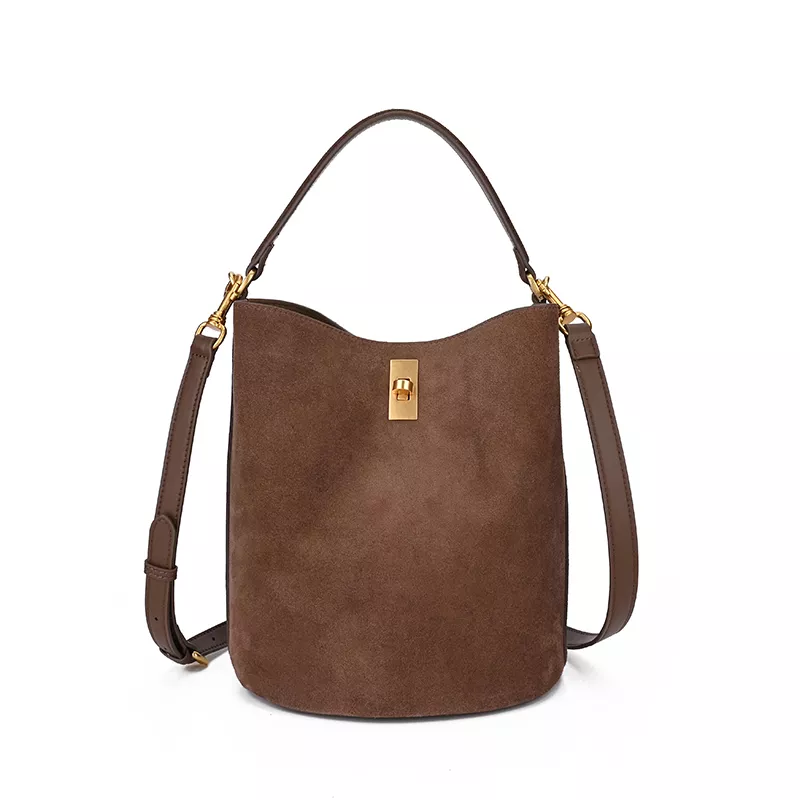


Product Directions for Handbag Design Brief: Turn a Retail Concept into an OEM Review
These published references illustrate development directions, not ready-stock or fixed-specification promises. Final material, dimensions, performance and branding require approved samples.
Custom Vegan Leather Bucket Handbag for Everyday Retail
Get A Quote→WhatsAppCustom Pearl Beaded Mini Bucket Bag for Bridal Events
Get A Quote→WhatsAppCustom Nylon Bucket Bag for Wholesale Handbag Collections
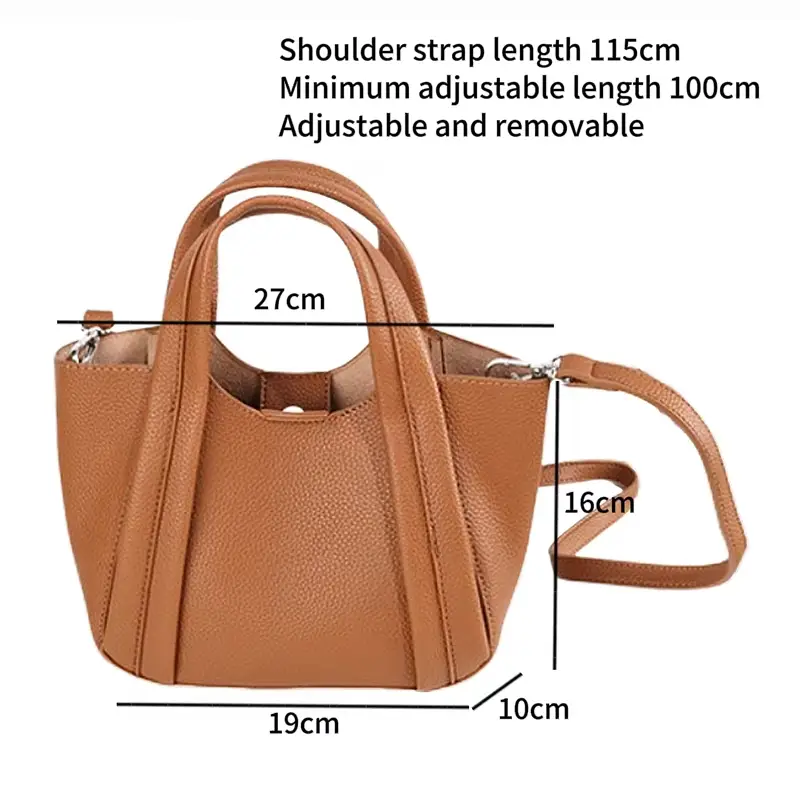
Get A Quote→WhatsAppCustom Leather Bucket Handbag with Adjustable Shoulder Carry for Wholesale
Get A Quote→WhatsAppCustom Genuine Leather Bucket Shoulder Bag for Boutique Collections
Get A Quote→WhatsAppCustom Woven Leather Shoulder Bucket Bag for Resort Retail
Get A Quote→WhatsAppCustom Genuine Leather Mini Bucket Handbag for Crossbody Use
Get A Quote→WhatsAppCustom Black Leather Bucket Bag for Women s Collections
Get A Quote→WhatsAppCustom Leather Bucket Shoulder Bag with Compact Gusset
Get A Quote→WhatsAppCustom Suede Mini Bucket Crossbody Handbag
Get A Quote→WhatsAppCustom Genuine Leather Bucket Tote for Everyday Carry
Get A Quote→WhatsAppCustom Genuine Leather Everyday Bucket Tote for Women
Get A Quote→WhatsApp
Custom Genuine Leather Bucket Crossbody Bag for Daily Use
Get A Quote→WhatsApp
Custom Ribbed Shoulder Bucket Bag for Everyday Retail Collections
Get A Quote→WhatsApp
Custom Pleated Cream Bucket Handbag with Reinforced Silhouette
Get A Quote→WhatsApp
Custom Taupe Textured Bucket Handbag for Boutique Collections
Get A Quote→WhatsApp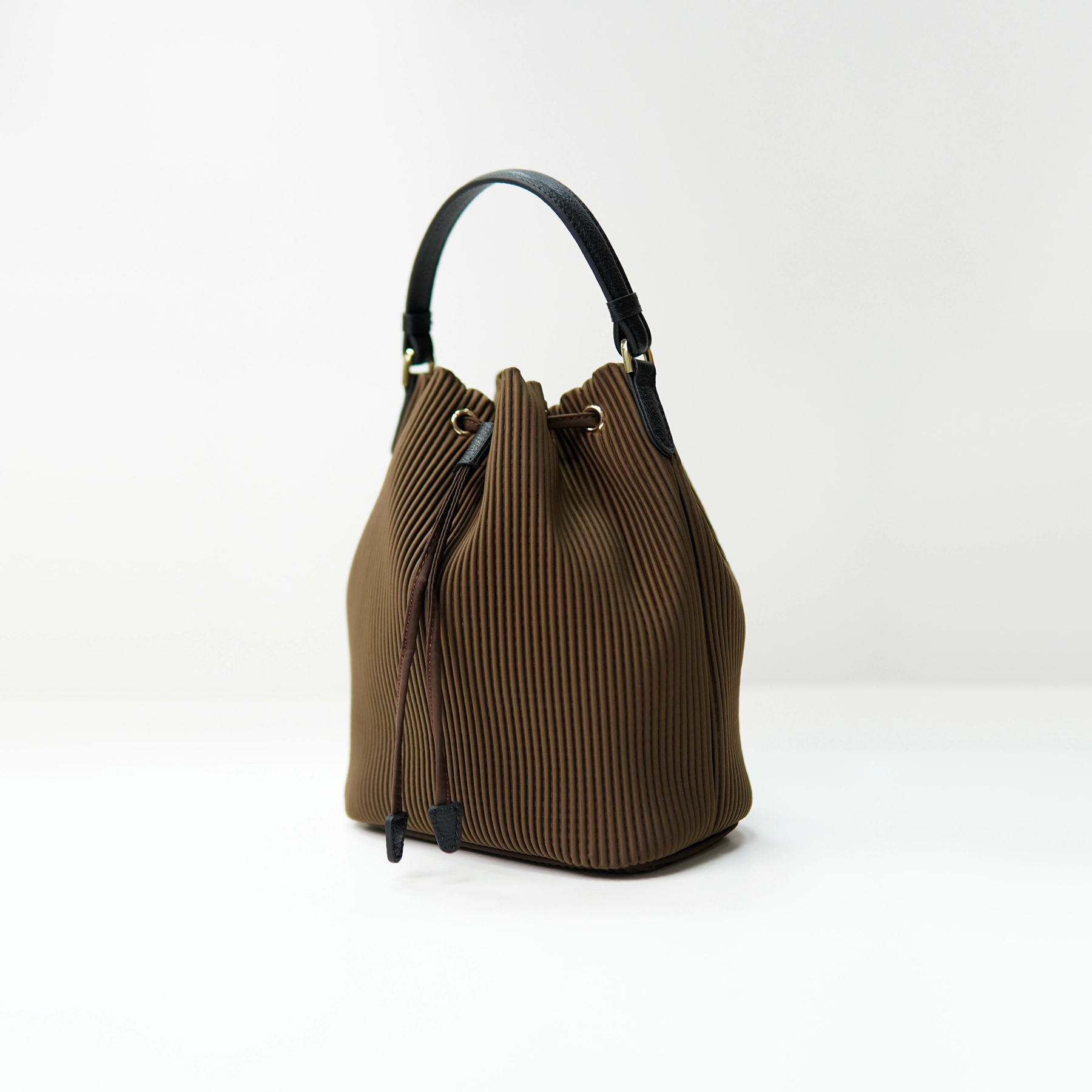
Custom Pleated Bucket Handbag for Boutique Fashion Collections
Get A Quote→WhatsApp
Custom Brown Leather Bucket Shoulder Bag for Wholesale Collections
Get A Quote→WhatsApp
Custom Genuine Leather Bucket Shoulder Bag with Adjustable Strap
Get A Quote→WhatsApp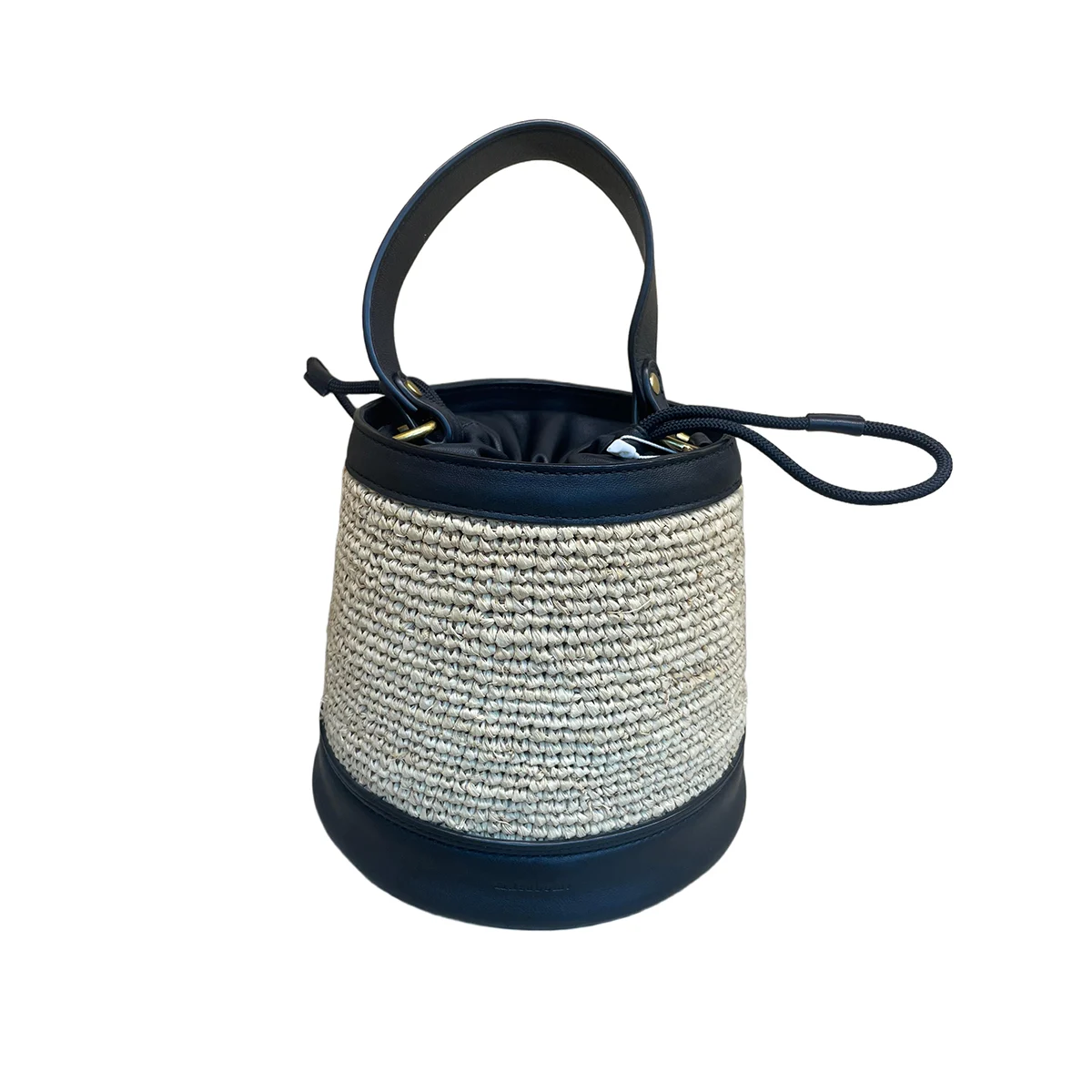
Custom Leather Bucket Bag for Everyday Shoulder Carry
Get A Quote→WhatsAppWhat Your Handbag Design Brief for Manufacturing Should Resolve
Set collection-specific decisions before sampling so Yeenkran can review feasibility, sourcing, pattern direction and the proposed approval standard.
Silhouette and Proportions
Define the intended shape, scale, base structure and visual references so pattern development starts from a collection-specific direction.
Target Use and Capacity
State who carries the bag, what it holds and how it is used to guide compartments, access points and reinforcement.
Material Direction
Compare outer material, lining, structure and hand feel against target positioning, order volume and proposed construction requirements.
Components and Hardware
Clarify closures, zippers, handles, straps, feet and metal finishes before sourcing choices influence sample construction and cost feasibility.
Branding and Placement
Confirm logo method, artwork position, label details and visibility requirements so decoration is reviewed with the silhouette rather than afterward.
Packaging and Approval
Specify dust bags, hangtags, boxes and retail packing, then identify the visible details and sample criteria requiring buyer approval.
Handbag Collection Decisions We Review
From silhouette and carrying function to materials, components, and retail positioning, we turn category-specific concepts into clearer OEM development decisions.
Bag Material Sourcing Service — 100-Piece MOQ | Yeenkran
Explore the verified related manufacturing and approval program.
Explore Program
Bag Quality Control Process for OEM Production | Yeenkran
Explore the verified related manufacturing and approval program.
Explore Program
Bag Quality Control Checklist: OEM Approval Guide 2026
Explore the verified related manufacturing and approval program.
Explore ProgramCustom Bucket Bag Manufacturer
Bucket silhouette, base geometry, opening and shoulder/top-handle options.
Explore ManufacturingMaterials to Define in Your Handbag Design Brief for Manufacturing

Genuine Leather
A natural, substantial material for structured satchels, top-handle bags and premium small leather goods. Grain, thickness, temper and finish affect drape, edge treatment and panel consistency across a collection.
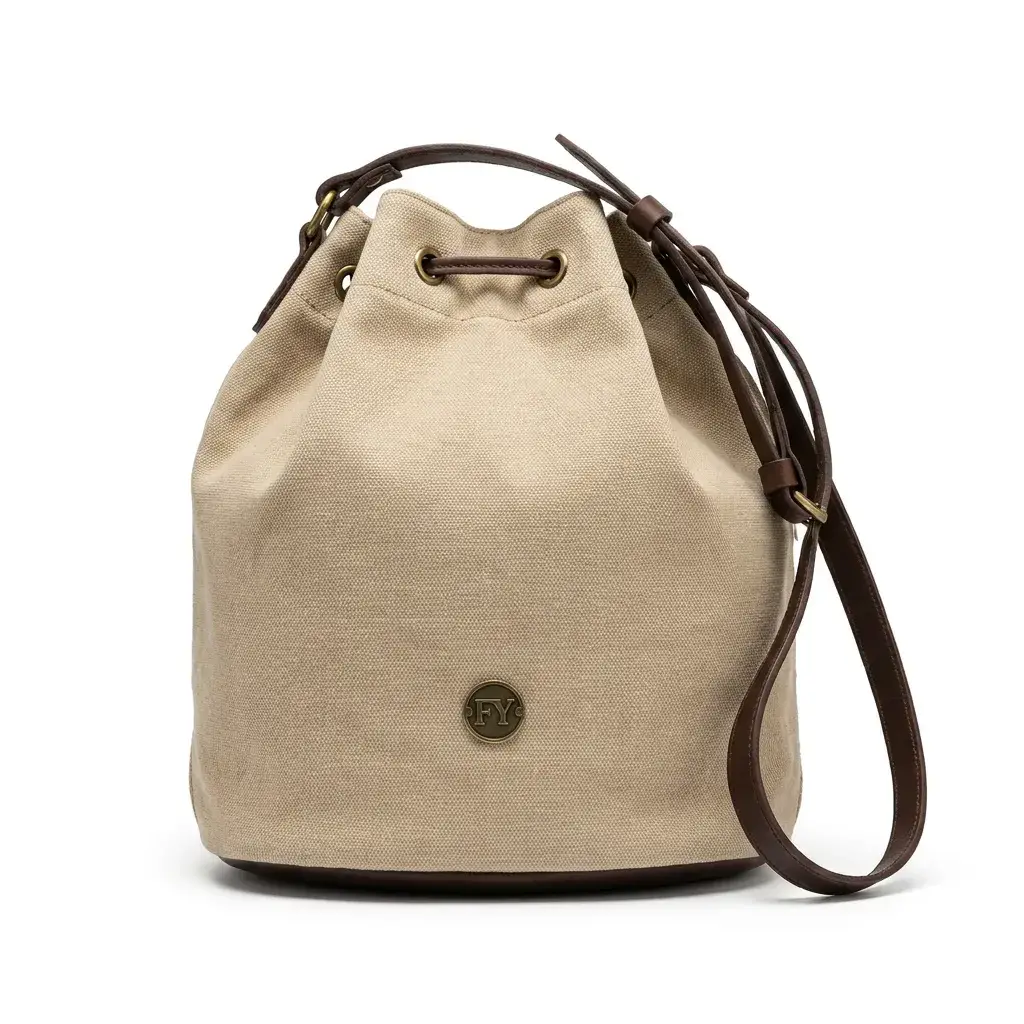
Vegan Leather
A smooth, leather-look option for fashion handbags, quilted styles and seasonal color programs. Surface grain, backing and hand feel should be selected against the required structure, fold behavior and decoration method.

PU Leather
A versatile coated material used for structured handbags, shoulder bags and accessible retail collections. It can offer a consistent surface and color direction, while backing, thickness and softness influence shaping and seam appearance.

Canvas & Cotton
A tactile woven choice for shopper totes, casual shoulder bags and branded everyday styles. Weight and weave affect body, print clarity and how the bag holds its shape, especially around handles and reinforced bases.
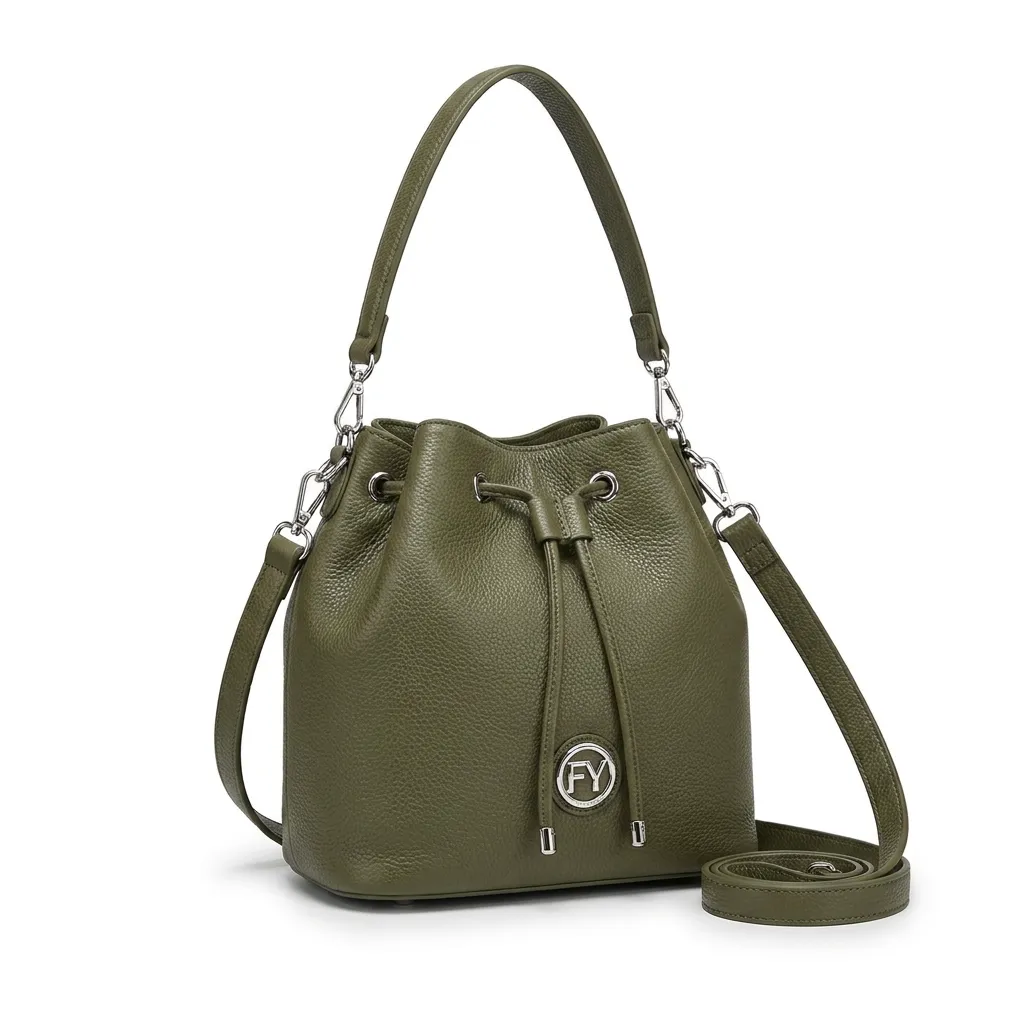
Nylon, Polyester, Cordura & RPET
Lightweight synthetic textiles suited to utility-inspired handbags, foldable bags and travel-oriented collections. Denier, weave, coating and lining pairing influence surface texture, bag weight, abrasion direction and construction support.
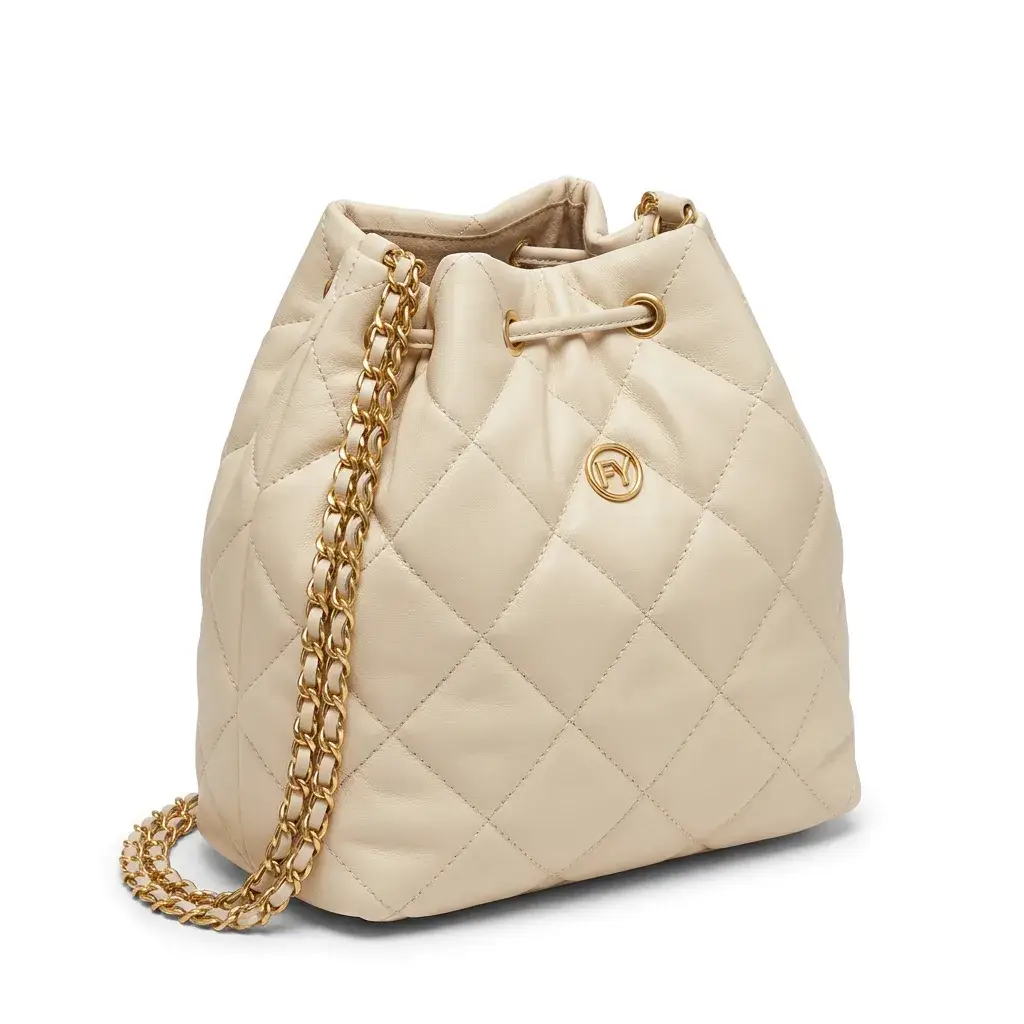
Lining Materials
Interior fabrics help define the opening, pocket function and overall perceived finish of a handbag. Polyester, nylon, cotton and structural components can be considered for their hand feel, weight and compatibility with the outer shell.
Handbag Design Brief for Manufacturing: Decoration and Construction Processes
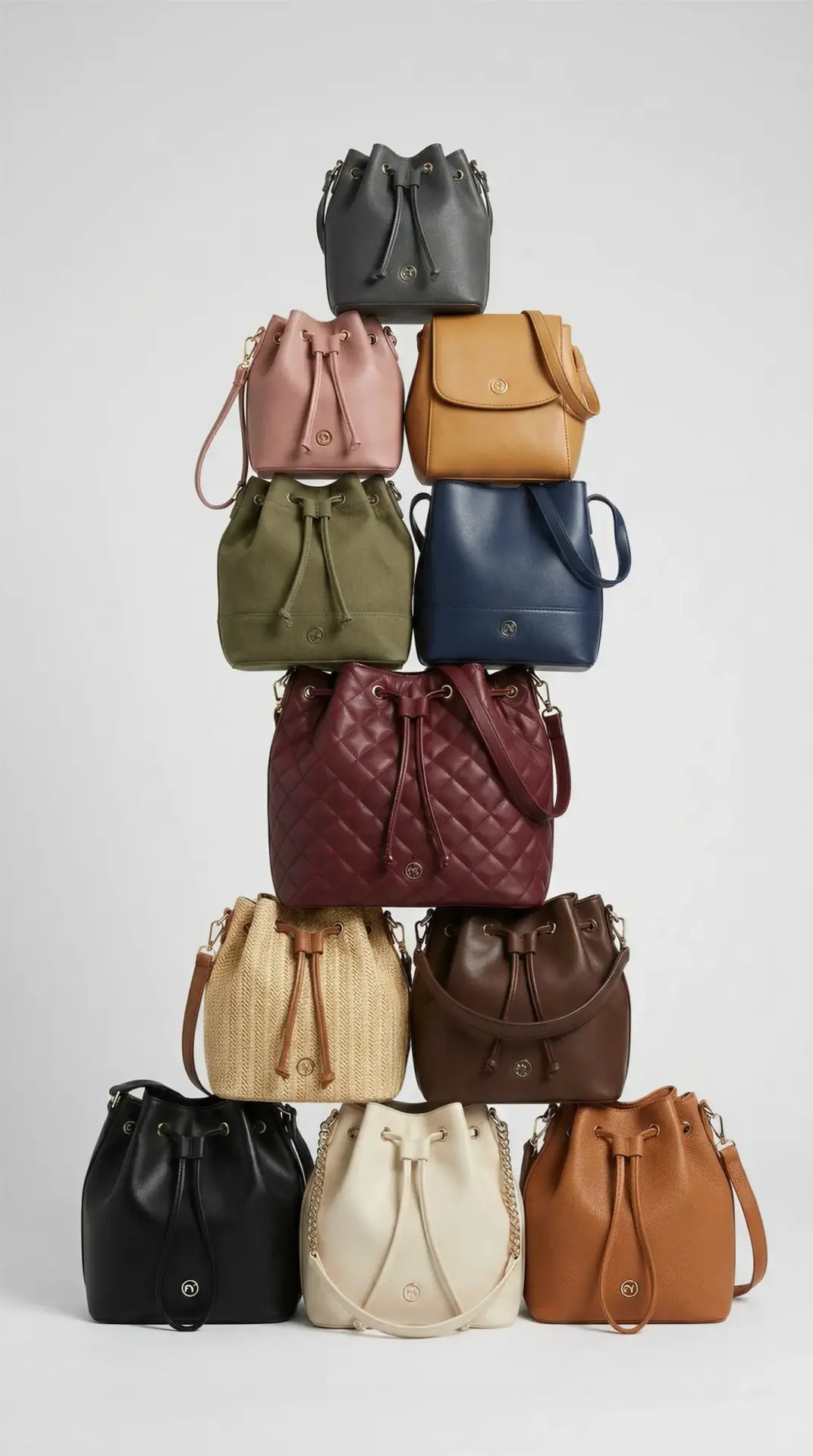
Embroidery Placement
Define stitch artwork, scale, placement and backing requirements. Embroidery adds dimensional texture, but the sample should confirm panel stability, edge clarity and whether the construction accommodates the added stitching.

Screen Printing
Specify artwork colors, print area and intended fabric panel. Screen printing can create clear graphic branding on suitable flat surfaces; a sample helps assess color appearance, registration and how printing interacts with seams.
Heat Transfer
Review artwork detail, application position and the selected material before sampling. Heat transfer can suit certain logo treatments, while the sample should confirm edge finish, surface appearance and behavior across curved panels.

Dye Sublimation
For compatible textile panels, define all-over artwork, pattern alignment and seam allowances in the brief. Sublimation planning should account for panel cutting so the approved visual layout carries through the finished handbag.

Laser Branding
Specify the proposed logo size, location and base material for laser branding review. The resulting contrast and edge definition vary by material, so a physical sample is the appropriate approval point before bulk production.

Reinforced Assembly
Identify stress points such as handles, strap anchors, base panels, closures and pocket edges. Yeenkran can review reinforcement, padding, seam sequence and hardware installation against the handbag’s intended capacity and use.
Handbag Design Brief for Manufacturing: Hardware, Labels and Finishing Details

Zippers and Pulls
Specify zipper type, tape color, slider finish and pull shape for closures, pockets and compartments. Branded pulls should be reviewed with the intended silhouette so function and visual weight remain aligned.
Buckles and Rings
Define buckles, D-rings, swivels and adjusters by placement, finish and intended use. These components influence strap adjustment, carrying configuration and the collection’s overall hardware language.

Snap Closures
Select magnetic, press or other snap closures according to flap construction and opening experience. Confirm visible finish, placement and interaction with lining, reinforcement and logo details during sample review.

Webbing and Straps
State webbing width, weave, color, edge treatment and strap attachment points. This helps assess carrying comfort, adjustability and how webbing coordinates with handles, hardware and the proposed bag body.

Woven Labels
Plan woven, leather or metal labels with artwork, location and attachment method. Label scale and placement should support clear branding without interfering with seams, pockets, closures or the handbag’s intended presentation.
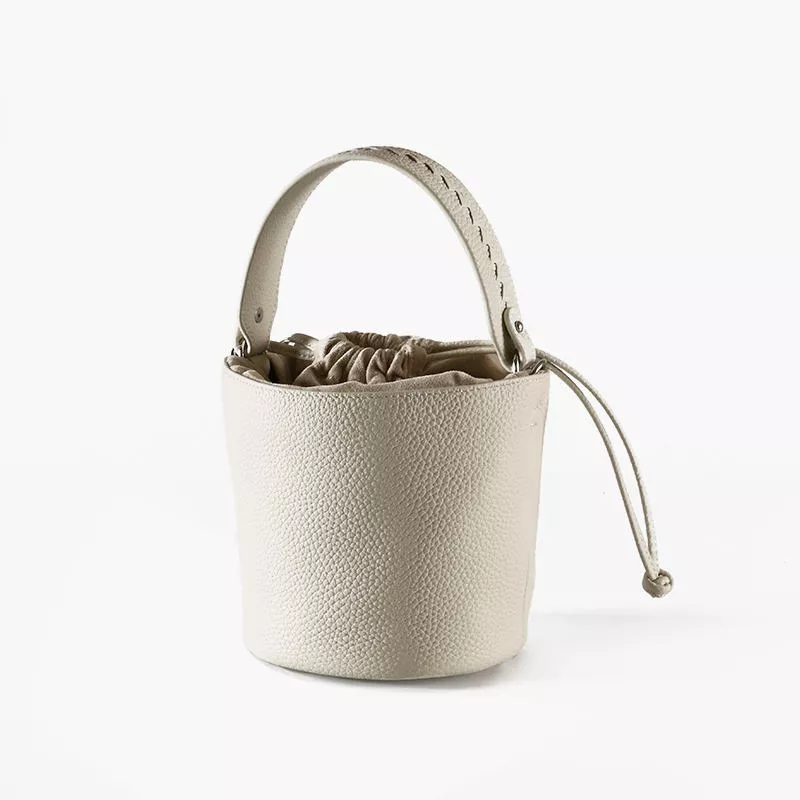
Hangtags and Packaging
Include hangtags, dust bags, branded boxes and export-carton requirements in the brief. These finishing details support retail presentation and allow packing requirements to be reviewed alongside the finished handbag.
Why Yeenkran Reviews Briefs Like a Factory
Founded in Wuhan, China in 2010, Yeenkran is a custom handbag manufacturer that helps brands turn an early concept into a production-ready development brief. We review intended silhouette, reference-use boundaries, use case, component direction and brand requirements before sampling begins.
Our one-stop bag manufacturing workflow combines OEM, ODM, private-label and wholesale programs with pattern development, material and hardware sourcing, prototype sampling, manufacturing, quality control, packing and export coordination. Fashion labels, retailers and growing accessory brands work with one accountable team from a sketch, mood board or reference sample through repeatable bulk orders.
What distinguishes Yeenkran is a factory-led view of design. We examine how visible details translate into panels, reinforcement, pocket layout, carrying structure, trims and assembly—not just whether a handbag reference looks appealing. MOQ starts at 100 units per style and color, subject to material minimums and construction complexity.

Handbag Design Brief for Manufacturing, Reviewed for Production
Test the Reference Direction
A photograph, retail reference or mood board can establish silhouette, proportion and desired details, but it does not define a production pattern. Yeenkran reviews the intended use, dimensions, capacity and visible construction, then identifies which reference elements require buyer confirmation before development.
- State whether the reference is inspiration, a buyer-owned sample or a detail benchmark
- Separate required silhouette cues from features open to engineering alternatives
- Confirm intended contents, carry method and target collection position
- Flag logos, artwork and third-party design elements for buyer clarification
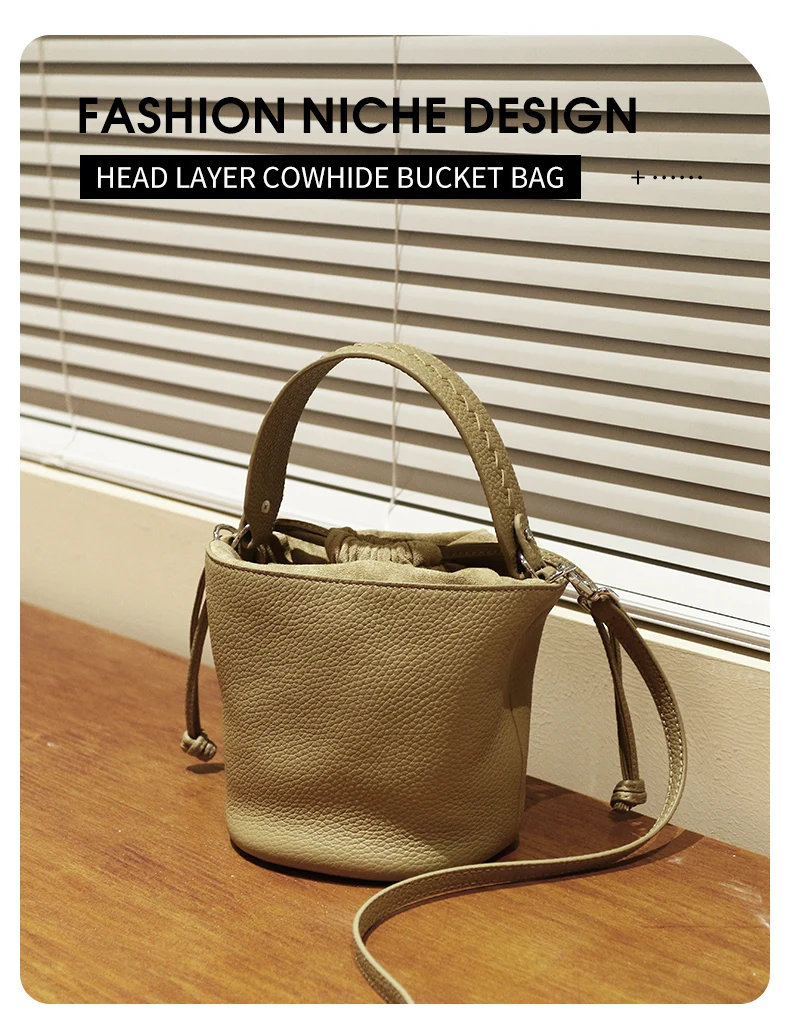
Engineer the Bag Structure
The handbag design brief for manufacturing becomes actionable when panels, gussets, closures and load points work together. Our pattern team assesses shape retention, pocket layout, strap attachment and assembly sequence, turning approved design intent into a prototype route suitable for repeatable production.
- Review body depth, base construction and opening access
- Define pocket dimensions around the items the bag must carry
- Assess reinforcement at handles, straps, corners and hardware points
- Refine pattern pieces after prototype measurements and fit review

Control Components Before Sampling
Materials and hardware influence hand feel, shape, durability, decoration options and quotation accuracy. We help compare fabric, lining, foam, zippers, rings, labels and trims against the brief, so the sample is built around named component decisions rather than broad visual assumptions.
- Align outer material, lining and structural support with the intended silhouette
- Specify zipper, buckle, ring and logo-hardware direction where relevant
- Review color, finish and placement for labels, patches and branding
- Confirm packaging requirements alongside the product components

Refine the Approved Sample
A sample is the point to review the complete handbag, not only its appearance. Yeenkran records approved measurements, material direction, construction details and branding placement, then uses buyer feedback to refine the pre-production standard before bulk manufacturing. MOQ starts at 100 units per style and color, subject to material minimums and construction complexity.
- Check proportions, capacity and carrying comfort with intended use in mind
- Approve material hand feel, hardware finish and decoration placement
- Document changes before moving from prototype to production approval
- Retain approved patterns and specifications to support consistent reorders

Handbag Design Brief for Manufacturing: Yeenkran vs. Fragmented Sourcing
Compare a single OEM review workflow with a multi-supplier route before your handbag collection enters sampling.
← Swipe left or right to view →
Handbag Design Brief for Manufacturing: Development to Delivery
A controlled workflow that turns approved collection decisions into repeatable bulk production.
Review Brief Feasibility
We review the silhouette, intended use, reference ownership, dimensions, target quantity, component choices, branding and packaging to identify production questions before development begins.
Source Materials and Hardware
Our team compares suitable fabrics, linings, reinforcements, zippers, hardware and trims against hand feel, construction needs, color direction, order volume and target cost.
Develop Patterns and Sample
Pattern engineers translate the approved direction into construction details and a prototype, refining shape, capacity, pocket layout, carrying points and assembly sequence as needed.
Approve Production Standard
You review the sample, measurements, materials, hardware, decoration, logo placement and packing details. Confirmed records establish the reference for the production order.
Produce Inspect Pack Export
After approval, Yeenkran manages cutting, sewing, finishing and quality checks, then verifies packing before coordinating export preparation for your confirmed shipment arrangement.
How to Start Your Handbag Design Brief for Manufacturing Review
For project review, Yeenkran can share current, verifiable documentation that is relevant to the requested product and market.
Send Your References
Share sketches, images, a sample, mood board or tech pack, plus intended customer, use case, approximate dimensions and collection role.
Clarify Rights and Intent
Identify which references guide the silhouette and which branded elements are yours to use, then separate visible inspiration from proposed custom development.
Review Materials and Structure
Discuss outer material, lining, reinforcement, pocket layout, carrying system, hardware, decoration, capacity and target quantity against manufacturing feasibility and cost direction.
Approve the Sample Standard
Review the developed sample for shape, measurements, assembly, materials, trims, logo placement and packaging before confirming requirements for bulk production.
Documentation Checks for handbag design brief for manufacturing
Request reports relevant to the approved shell, lining, coating, hardware or decoration for the handbag design brief for manufacturing specification.
Review the factory, production and quality records that apply to the confirmed manufacturing program.
Define required declarations or testing before sampling so the quotation reflects the destination market.
When recycled or specifically sourced materials are selected, request supplier records matched to the actual order.
Confirm fiber, care, packaging, carton marks and labeling information for the buyer’s sales channel.
Buyer Approval Priorities for Handbag Design Brief: Turn a Retail Concept into an OEM Review
Buyer review framework — not a named customer quote.
Confirm the Working Sample
Review the dimensions, access, construction, material references and branding decisions for this specific program before approving the sample.
Keep the Approval Evidence
Retain the agreed bill of materials, approved patterns, swatches and change records so the production team and buyer use the same reference.
Coordinate the Production File
Record sourcing, sewing, decoration, inspection and packing requirements in one project file rather than treating a reference photo as the specification.
Handbag Design Brief for Manufacturing FAQ
Clear answers on references, sampling, approvals, MOQ, payments and shipment planning for custom handbag collections.
What should I send in a handbag design brief for manufacturing?
Can I use competitor photos in a handbag design brief for manufacturing?
What is the MOQ for a custom handbag project?
Can Yeenkran make a sample from my handbag design brief for manufacturing?
How many revisions can I make after the first handbag sample?
How do payment terms work for a new custom handbag order?
Can you arrange packaging and export shipping after approval?
Handbag Design Brief: Turn a Retail Concept into an OEM Review
A collection-specific brief for deciding what may be interpreted, what must be engineered, and what must be approved before a handbag sample becomes the bulk reference.
Start with a decision brief, not a mood board
A handbag design brief for manufacturing should let an OEM team answer one practical question: what is this specific style required to do at retail, and which visible or functional details are non-negotiable? It is not a substitute for the separate measurement, construction, and tolerance documentation used later in production. Its job is to turn a concept into a reviewable set of choices before assumptions become patterns, sourced components, or sample rework. For each collection style, name the intended wearer, carry occasion, retail position, target contents, and visual role in the range. State whether the bag is a hero shape, a commercial colour carryover, a coordinating small style, or a test of a new construction.
The one-page design intent statement
Open the brief with a short statement that identifies the silhouette, the use case, the collection relationship, and the decisions the maker may propose alternatives for. Attach dated images and label their role: inspiration only, proportion reference, hardware reference, colour direction, or construction reference.
- Style name, internal version date, season or collection, and decision owner.
- One primary use case and the actual contents to be carried.
- Three to five priority attributes, ranked: silhouette, hand feel, organization, branding, hardware, or cost discipline.
- A clear list of details that may be proposed as equivalents and details that require written approval.
Separate inspiration from rights-cleared design direction
A retail image, competitor product, social post, or borrowed sample can help communicate taste, but it does not automatically grant a right to reproduce its protected appearance, artwork, branding, or construction details. The buyer should keep a reference register that distinguishes market context from approved original direction. Do not ask a manufacturer to “make this exactly” from an unlicensed item; instead, identify the independent design choices the collection owns or has permission to use. This protects the review itself.
Reference register and approval boundaries
Number every asset and assign a permitted use. Include buyer-created sketches, licensed artwork, supplier swatches, existing proprietary patterns, and third-party visual references.
- Use: silhouette cue, dimension benchmark, colour cue, trim cue, or graphics placement.
- Permission status: buyer-owned, licensed, public inspiration only, or unknown—never leave it implied.
- Excluded elements: logos, signature ornament, print, named model, or construction feature not authorized for replication.
- Factory handling: view-only, return after review, retain as a controlled development sample, or no physical transfer.
Lock the silhouette before choosing decorative detail
The silhouette brief should describe the bag as a volume and a carrying experience, not only as a front-view outline. Give the target exterior dimensions, desired visual proportions, opening width, intended fill condition, base behavior, and whether the body should stand, collapse, or soften in use. Describe how the strap changes the apparent proportions when worn. If the proposed shape depends on a particular drape, edge profile, or structured panel, state that directly.
Carry configuration is a structural choice
Specify each carry mode separately: hand, shoulder, crossbody, or detachable strap. Identify which mode is primary, the intended wearer range to be fitted, adjustment expectations, attachment placement, and whether the strap is decorative or load-bearing.
- Body dimensions and how they are measured: maximum, usable interior, or visual footprint.
- Base, gusset, corners, feet, piping, binding, and edge treatment as separate decisions.
- Handle drop or strap adjustment range to be reviewed on a physical sample, not inferred from an image.
- Interior capacity test using named everyday items supplied or approved by the buyer.
Choose materials as a system, not a surface label
Terms such as leather, PU, fabric, recycled, coated, or vegan do not define a manufacturable handbag. The brief should identify the proposed outer material, lining, reinforcement, interlining, edge treatment, thread, zipper, metal hardware, magnets, and logo application as connected parts. A material choice changes fold behavior, edge appearance, construction method, hardware attachment, colour matching, cleaning expectations, and the appearance of wear over time. Request material swatches and component samples with their supplier reference, colour name or code, finish, backing or construction where applicable, and intended location on the bag.
Material and trim decision table
Use this table to turn broad preferences into reviewable records.
| Element | Decision to state | OEM review question | Approval evidence |
|---|---|---|---|
| Outer material | Exact swatch, colour, finish, grain or weave, panel location | Will it achieve the intended drape, edge treatment, and pattern shape? | Labelled swatch and signed material callout |
| Lining and reinforcement | Lining hand feel, colour, reinforcement zones, visibility at openings | Does the combination support the body without changing the intended interior? | Cut-section or construction trial where useful |
| Hardware and closures | Finish, tone, logo status, puller, closure type, placement | Are the parts compatible with panel thickness and opening use? | Physical hardware card or sample component |
| Branding | Artwork version, size, placement, application method, permitted variation | Can the mark remain legible and durable in the chosen location? | Artwork proof plus placement approval |
| Edge and stitch appearance | Painted, turned, bound, raw, or piped edge; visible stitch intent | Which joins are visible, and how will corners and transitions read? | Close-up sample approval |
| Packaging and protection | Dust bag, stuffing, hangtags, labels, carton handling needs | What prevents deformation or hardware marking in transit? | Pack-out instruction and approval sample |
Make the sample a controlled decision gate
A sample is valuable only when the buyer knows which version it represents. Give every sample a style code, revision number, date, material and hardware identifiers, and a change log. Photograph the review sample in a consistent way for discussion, but do not treat photos as proof of composition, certification, durability, or final production performance. The physical approved sample, its written deviations, and retained components are the more reliable reference.
What the buyer should test and sign off
Review the bag in the use state described in the brief. Load it with the agreed contents, open and close it repeatedly as intended, use each carry mode, inspect symmetry and alignment, and evaluate whether the interior matches the organization decision.
- Exterior shape, dimensions, panel balance, and whether the bag behaves as the intended silhouette.
- Opening access, closure action, interior visibility, pocket placement, and usable capacity.
- Handle comfort, strap adjustment, attachment placement, and the transition between carry modes.
- Colour and finish comparison under the buyer’s selected review conditions; identify the reference swatch.
- Logo spelling, artwork version, orientation, placement, and legibility.
- List of accepted deviations, rejected defects, open questions, and who may approve a replacement component.
Turn collection variation into controlled options
A collection often needs colourways, materials, and sizes without creating several unrelated bags. Define the master style and identify which elements are fixed across variants: body pattern, hardware family, logo position, lining architecture, and packaging. Then list the permitted variables and the review needed for each. A colour change can alter perceived scale, require a different lining contrast, or expose edge and stitching choices; a material change can affect structure enough to require a new sample rather than a swatch-only approval. For an ODM discussion, explain what is direction versus an invitation to develop alternatives.
Variant-control fields
Keep a simple matrix beside the brief.
- Master style code; colourway or material variant codes; and the target sample required for each.
- Fixed components versus variable components, including whether hardware finish may change.
- Whether each variant needs its own wear, colour, or pack-out review before approval.
- Material or craft dependencies that could affect the applicable minimum order quantity.
- A named approval owner for artwork, colour, construction, and packaging changes.
Send an RFQ that can be reviewed without guesswork
The first RFQ should request a feasibility review and an itemized response against defined inputs; it should not ask the factory to infer a finished bag from a single image. Share only rights-cleared files and label confidential material. Ask which inputs are sufficient to quote or sample, which require sourcing choices, and which assumptions would materially change the result. Do not request or rely on unverified price, lead-time, strength, certification, or laboratory claims in a design brief.
Exact first-RFQ input checklist
Provide the following in one controlled folder or document set.
- Buyer company name, contact, shipping destination for samples, style code, collection timing, and confidentiality instructions.
- Design intent statement; reference register with permitted use; sketches, views, and annotated dimensions.
- Target contents, carry modes, organization needs, closure intent, and any user-experience priorities.
- Outer, lining, reinforcement, hardware, logo, and packaging callouts; approved swatches or a request for options.
- Artwork files, colour references, labelling content, packaging copy, and the owner of each approval.
- Sample-stage request, required review evidence, change-log format, and approval authority.
- Order scenario by style, colour, material, and variant; request confirmation of applicable MOQ after the materials and craft are approved.
- A response template asking for assumptions, feasibility issues, proposed alternatives, sample inclusions, and information still required.
Ready to Review Your Handbag Design Brief for Manufacturing?
Send your references, tech pack, quantities, and branding priorities so Yeenkran can assess construction, materials, sampling, and quotation requirements.