
Leather Tote Construction Sample Review for OEM Buyers
Confirm panel support, seam bulk, lining attachment, and packed-base stability before production, with MOQ starting at 100 units per style and color, subject to confirmation.
Product References for Leather Tote Panels, Lining and Base Support: Sample Review Guide


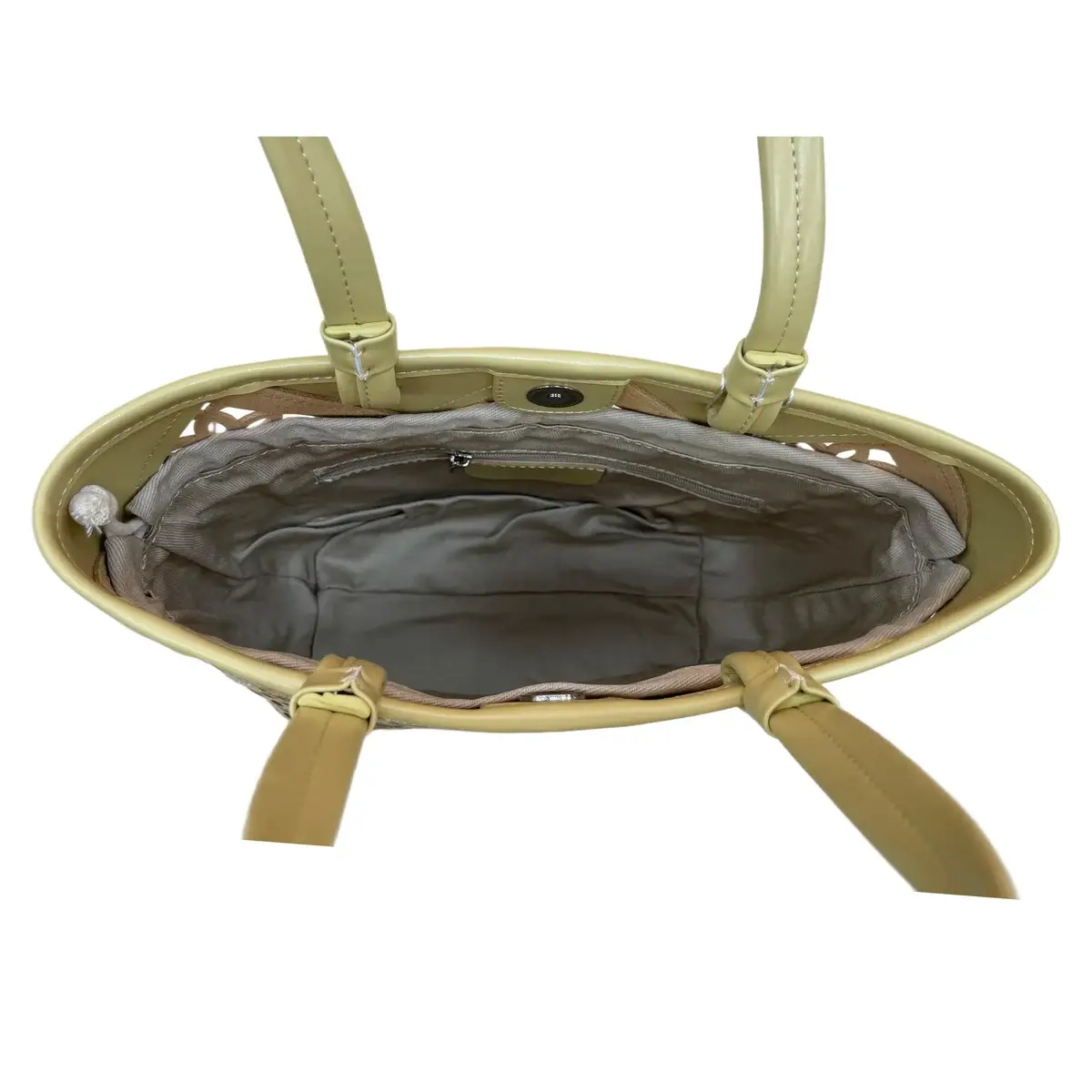
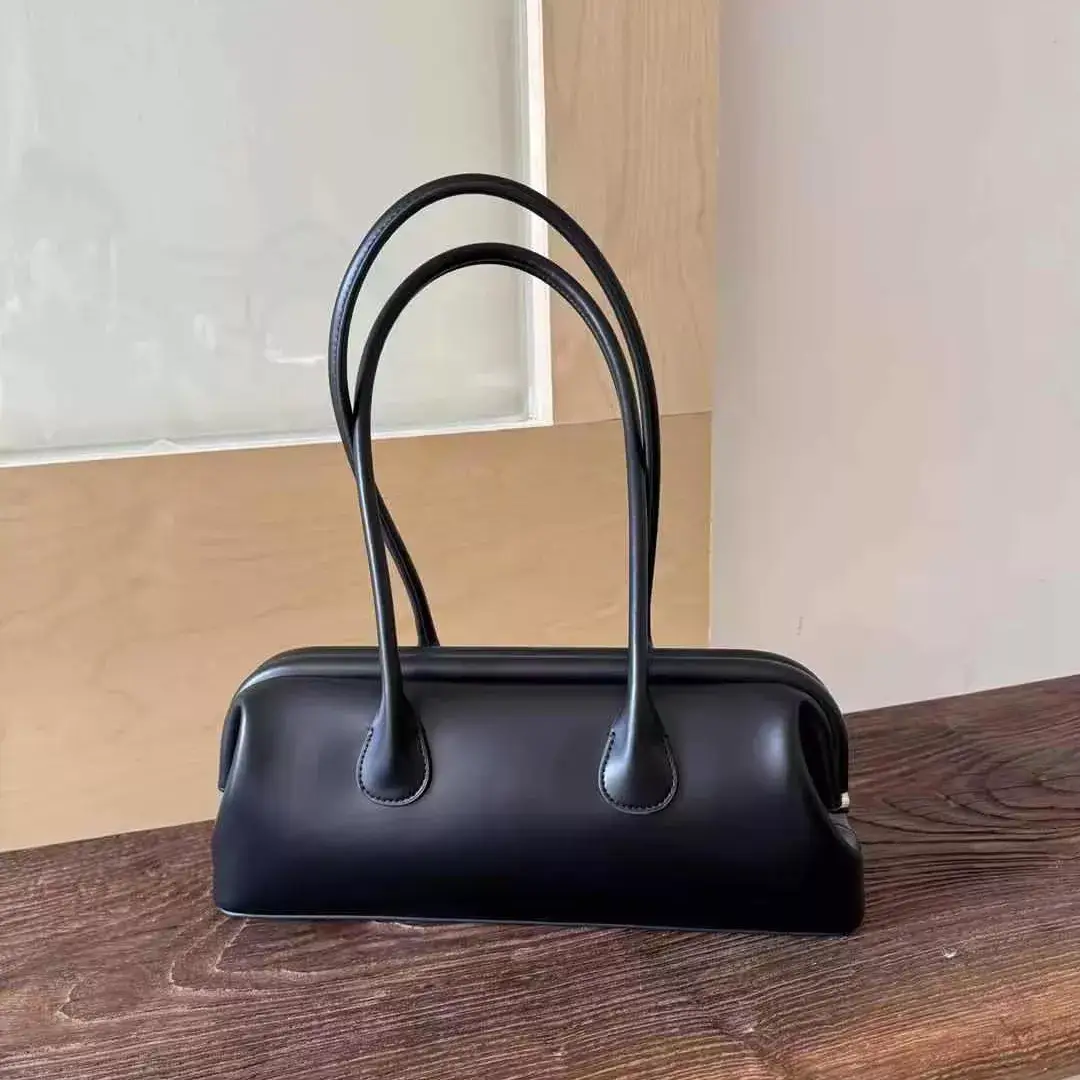


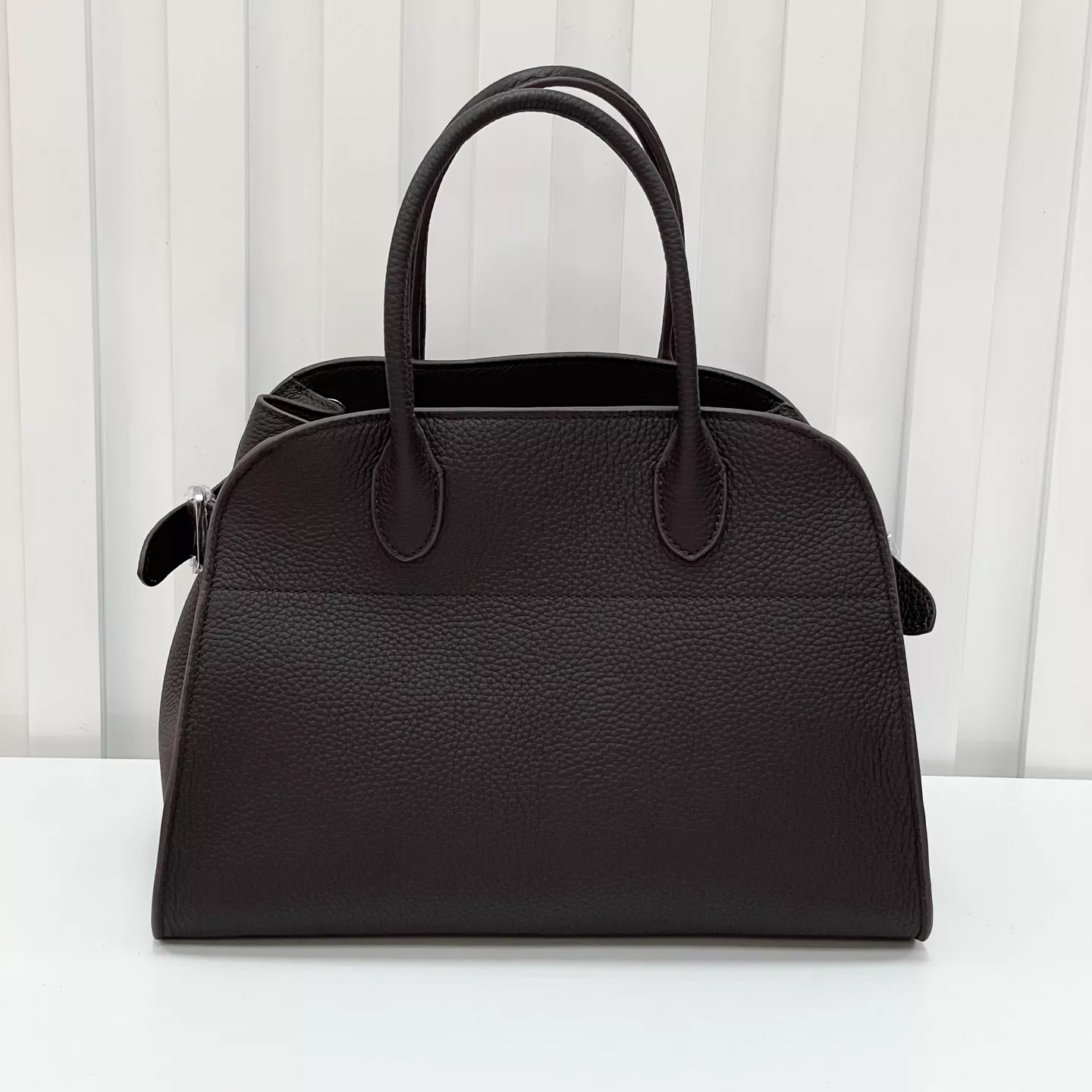


Product Directions for Leather Tote Panels, Lining and Base Support: Sample Review Guide
These published references illustrate development directions, not ready-stock or fixed-specification promises. Final material, dimensions, performance and branding require approved samples.
Custom PU Leather Everyday Tote Bag with Consistent Reorder Colors
Get A Quote→WhatsAppCustom Leather Everyday Tote with Stable Base Construction
Get A Quote→WhatsAppCustom Soft Leather Tote for Everyday Shoulder Carry
Get A Quote→WhatsAppCustom Genuine Leather Everyday Tote for Travel and Work
Get A Quote→WhatsAppCustom Leather Everyday Tote Bag with Organized Retail Pockets
Get A Quote→WhatsAppCustom Leather Work Tote with Zippered Top for Office Carry
Get A Quote→WhatsAppCustom Leather Everyday Tote with Long Shoulder Handles
Get A Quote→WhatsAppCustom Leather Everyday Hobo Tote for Commuter Use
Get A Quote→WhatsAppCustom Genuine Leather Utility Tote for Everyday Carry
Get A Quote→WhatsAppCustom Genuine Leather Shopper Tote for Everyday Business Carry
Get A Quote→WhatsAppCustom Cowhide Leather Everyday Tote Bag with Stable Reinforced Base
Get A Quote→WhatsAppCustom Genuine Leather Everyday Tote Bag with Retail Pocket Map
Get A Quote→WhatsApp
Custom Leather Everyday Tote with Reinforced Chain Handles
Get A Quote→WhatsApp
Custom Leather Everyday Commuter Tote with Trolley Pass-Through
Get A Quote→WhatsApp
Custom Genuine Leather Tote for Everyday Wholesale Use
Get A Quote→WhatsApp
Custom Leather Tote with Reinforced Handle Anchors
Get A Quote→WhatsApp
Custom Genuine Leather Everyday Tote Bag for Women
Get A Quote→WhatsApp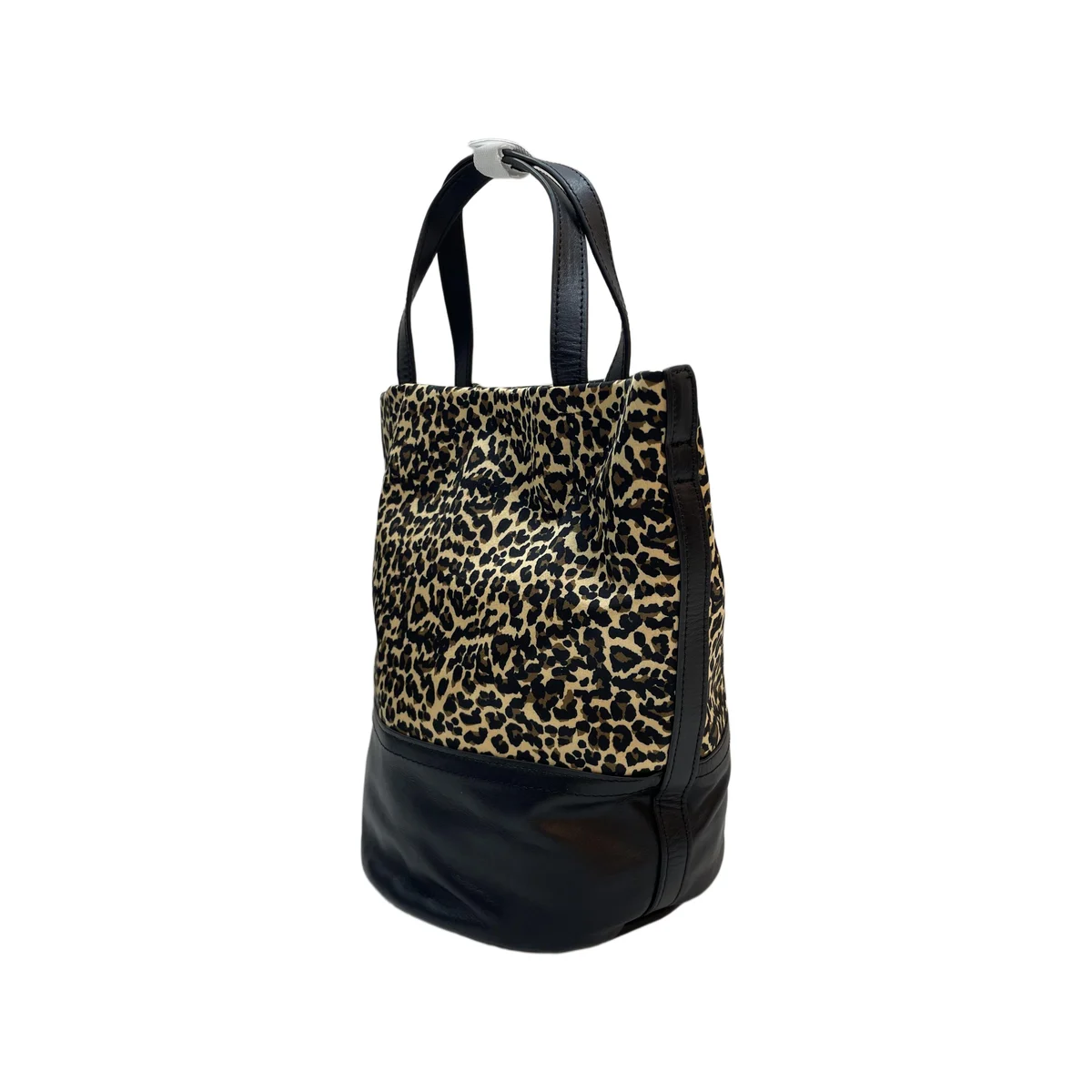
Custom Waterproof-Ready Genuine Leather Everyday Tote Bag
Get A Quote→WhatsApp
Custom Leather Tote with Foldable Body and Durable Base Seams
Get A Quote→WhatsApp
Custom Pleated Genuine Leather Everyday Tote with Logo Panels
Get A Quote→WhatsApp
Custom Genuine Leather Everyday Tote for Commuter Carry
Get A Quote→WhatsApp
Custom Woven Leather Tote Bag for Everyday Wholesale Use
Get A Quote→WhatsApp
Custom Soft Leather Everyday Tote with Adjustable Buckle Strap
Get A Quote→WhatsApp
Custom Heavy-Duty Leather Everyday Tote for Work and Travel
Get A Quote→WhatsApp
Custom Genuine Leather Wing Tote Bag for Workday Wholesale
Get A Quote→WhatsApp
Custom Classic Leather Tote Bag for Flexible Wholesale Carry
Get A Quote→WhatsApp
Custom Woven Leather Everyday Tote Bag for Work Retail
Get A Quote→WhatsApp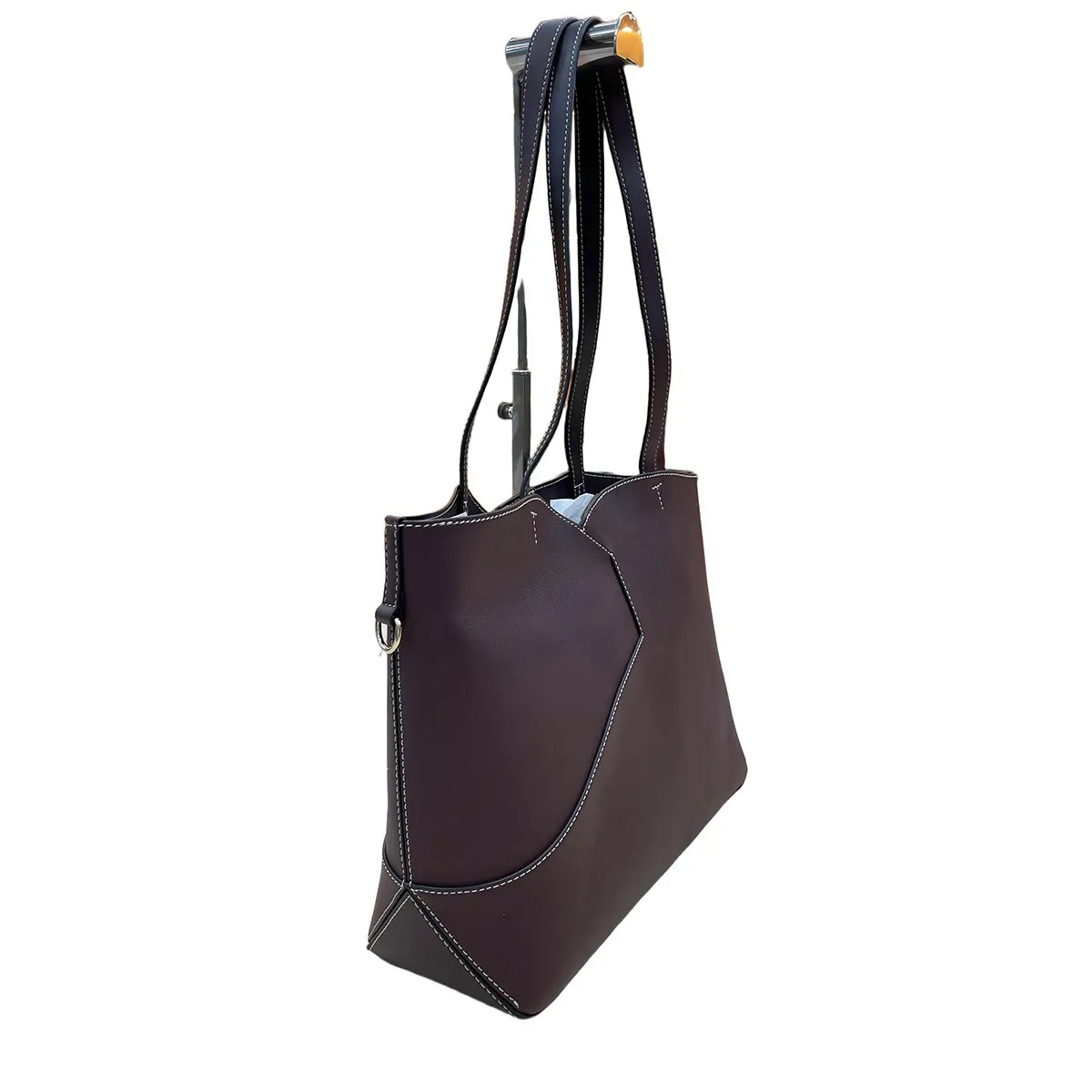
Custom Leather Work Tote Bag for Business Carry
Get A Quote→WhatsApp
Custom Canvas and Leather Tote Bag for Women s Everyday Carry
Get A Quote→WhatsApp
Custom Pebbled Genuine Leather Everyday Tote for Reorders
Get A Quote→WhatsApp
Custom Genuine Leather Shopper Tote for Casual Retail and Daily Carry
Get A Quote→WhatsApp
Custom Leather Shopper Tote Bag for Everyday Retail
Get A Quote→WhatsApp
Custom Genuine Leather Everyday Tote for Logo Programs
Get A Quote→WhatsApp
Custom Genuine Leather Multi-Pocket Tote Bag for Workdays
Get A Quote→WhatsApp
Custom Genuine Leather Everyday Tote for Retail and Private Label
Get A Quote→WhatsApp
Custom Soft Leather Everyday Tote Bag for Retail Collections
Get A Quote→WhatsApp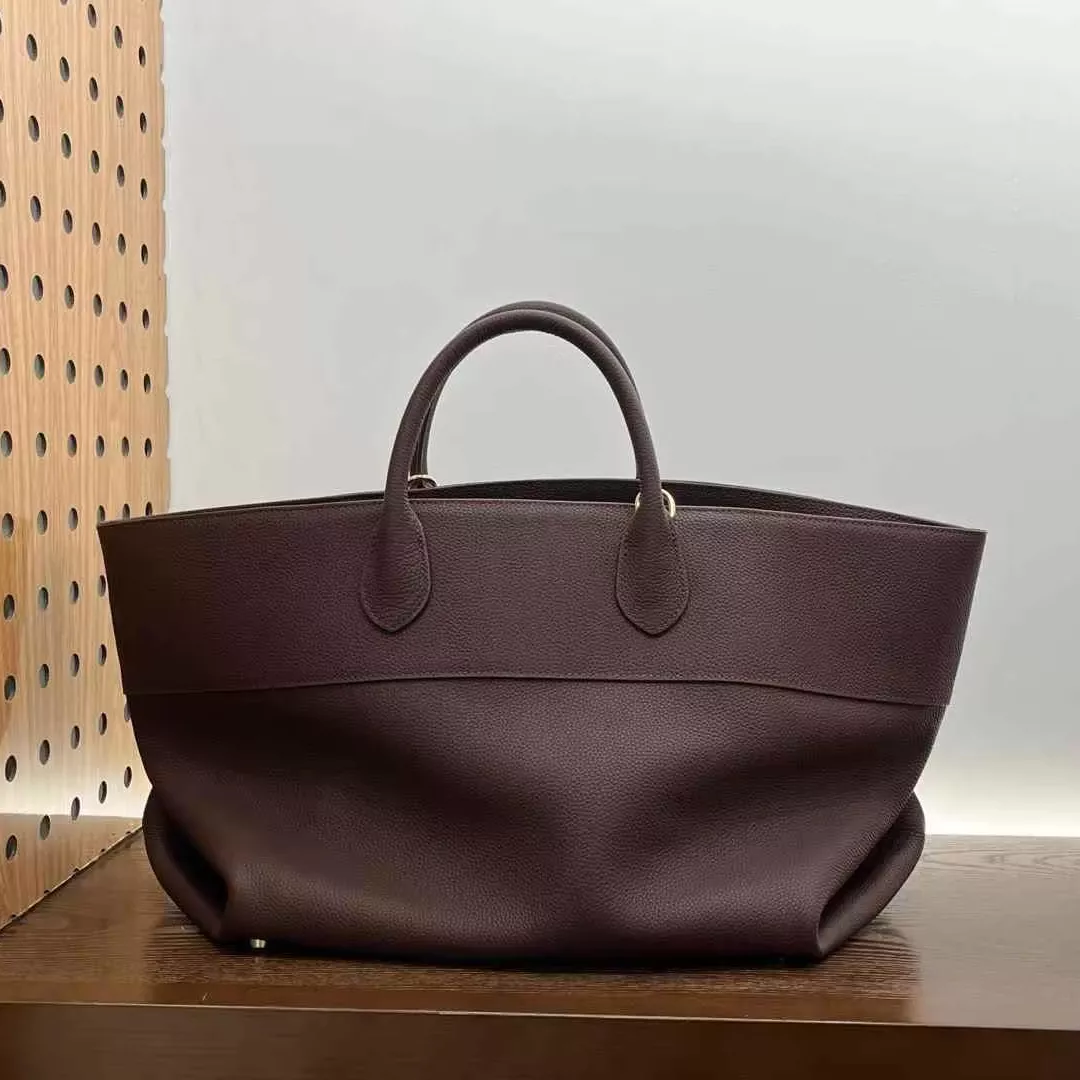
Custom Large Leather Everyday Tote with Stable Loaded Base
Get A Quote→WhatsApp
Custom Large Everyday Leather Tote for Flexible Work Carry
Get A Quote→WhatsApp
Custom Woven Leather Hobo Tote for Workday Carry
Get A Quote→WhatsApp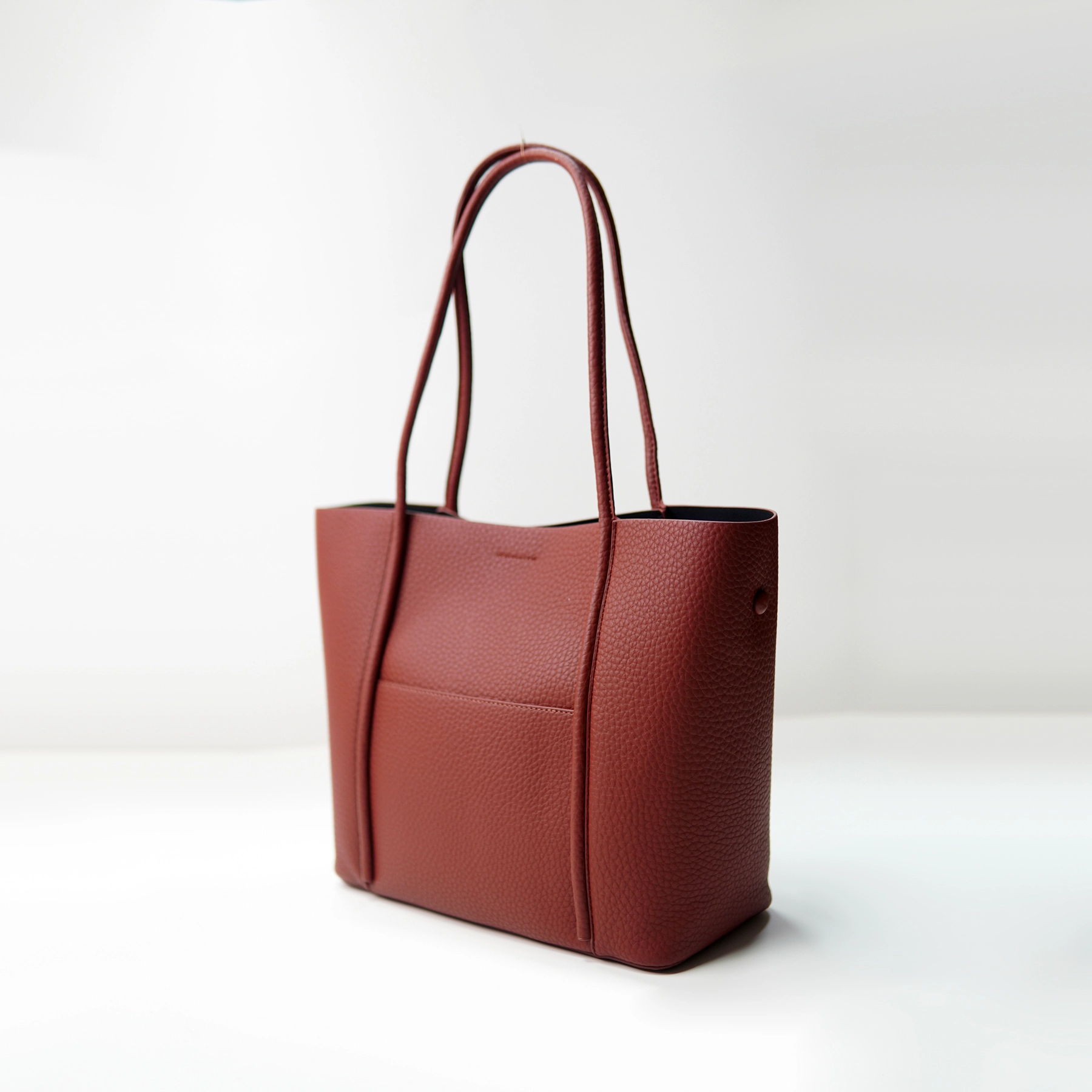
Custom Pebbled Leather Tote Bag for Consistent Reorder Programs
Get A Quote→WhatsApp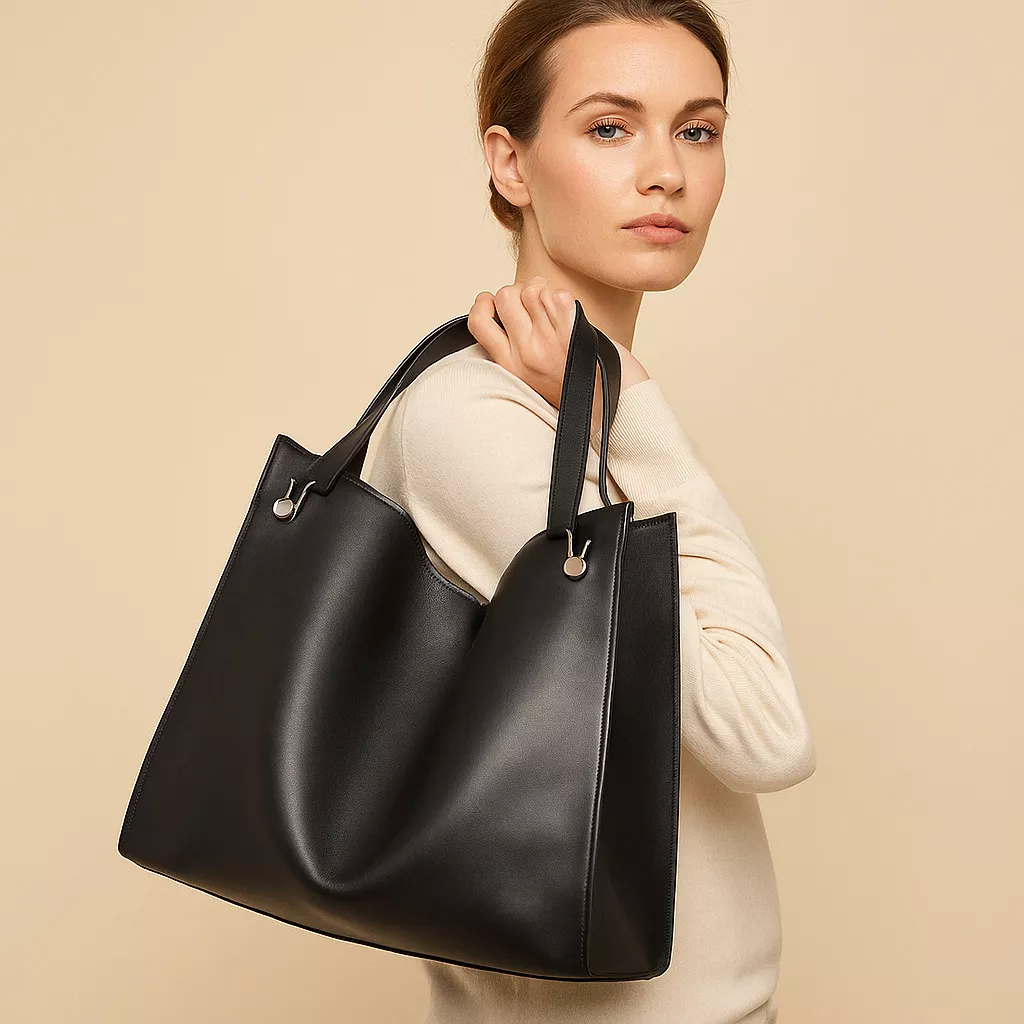
Custom Black Leather Tote Bag for Everyday Retail Collections
Get A Quote→WhatsApp
Custom Nylon and Leather-Trim Everyday Tote for Commuting
Get A Quote→WhatsApp
Custom Genuine Leather Bucket Tote for Everyday Carry
Get A Quote→WhatsApp
Custom Pebbled Leather Everyday Tote for Commuter Retail Collections
Get A Quote→WhatsApp
Custom Genuine Leather Everyday Tote Bag with Stable Base
Get A Quote→WhatsApp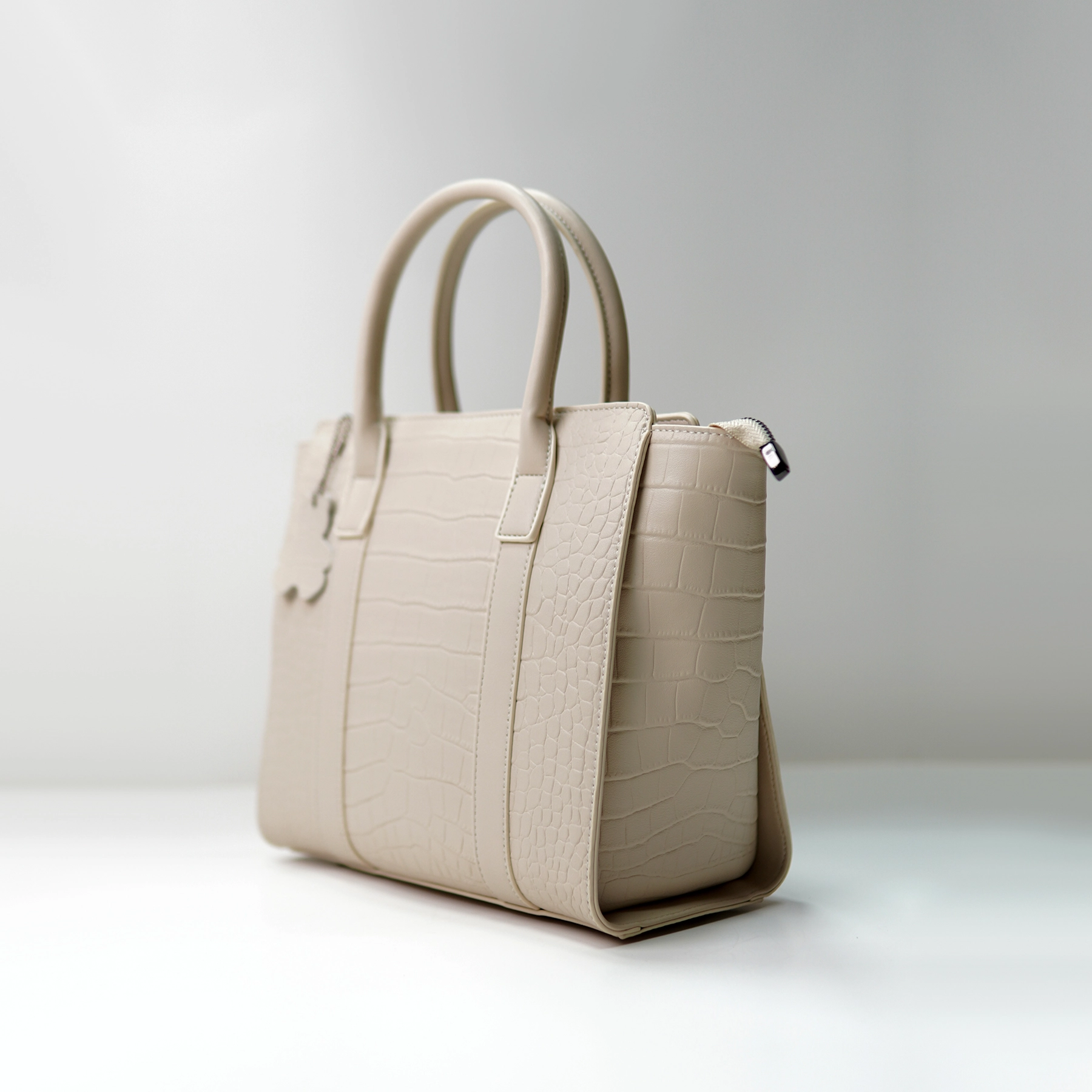
Custom Embossed Leather Everyday Tote with Broad Logo Panels
Get A Quote→WhatsApp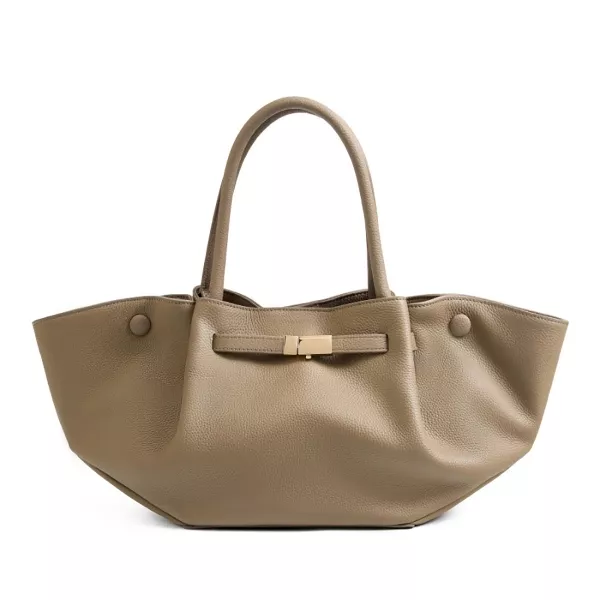
Custom Genuine Leather Large Everyday Tote with Foldable Structure
Get A Quote→WhatsApp
Custom Genuine Leather Everyday Bucket Tote for Women
Get A Quote→WhatsApp
Custom Black Pebbled Leather Tote for Retail and Work Carry
Get A Quote→WhatsApp
Custom Structured Leather Everyday Tote Bag for Wholesale
Get A Quote→WhatsApp
Custom Vegan Leather Everyday Tote Set for Workday Wholesale Programs
Get A Quote→WhatsApp
Custom Embossed Leather Everyday Tote for Flexible Loading Access
Get A Quote→WhatsApp
Custom Metallic PU Leather Everyday Shoulder Tote
Get A Quote→WhatsApp
Custom Black Leather Everyday Tote with Stable Base
Get A Quote→WhatsApp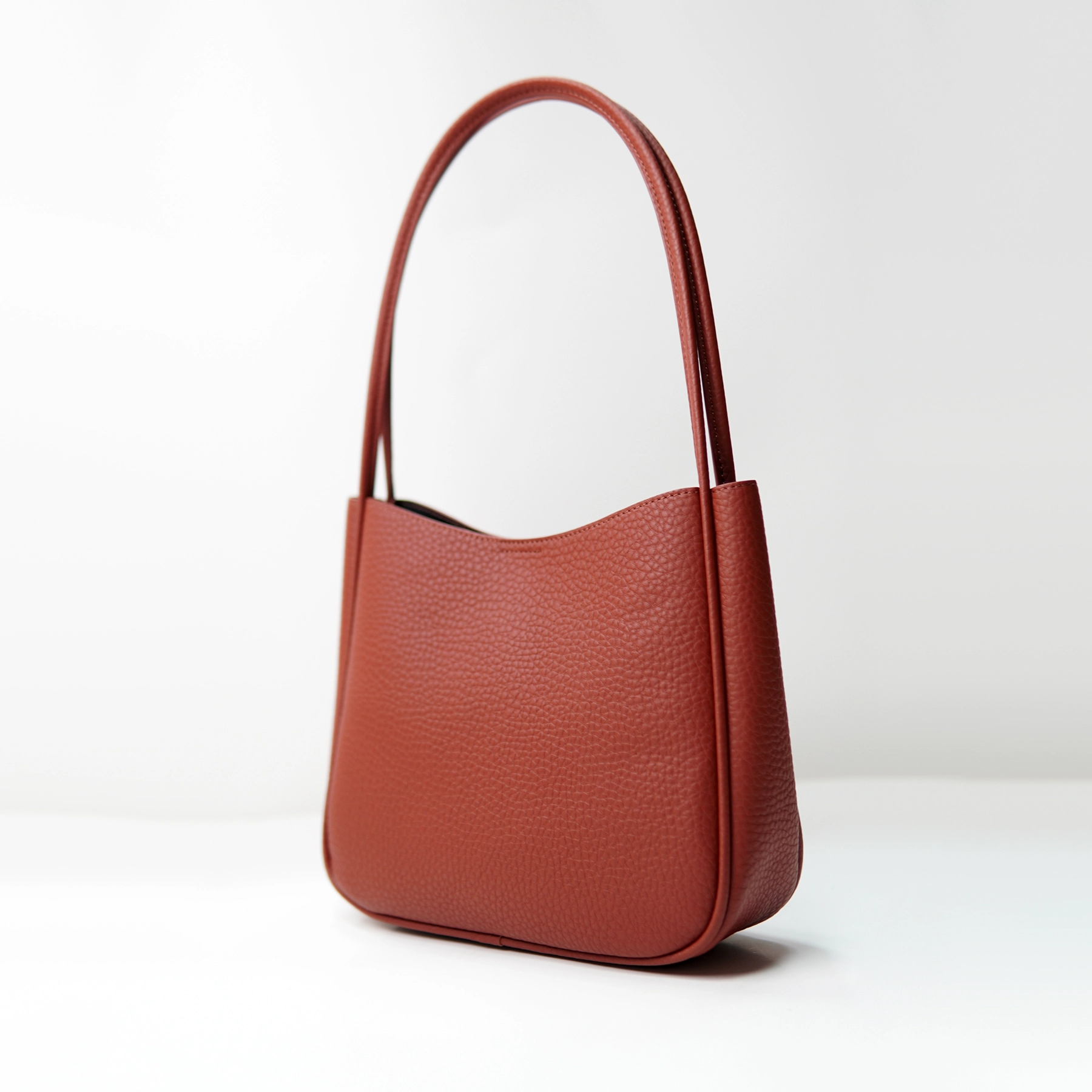
Custom Pebbled Leather Everyday Tote with Twin Handles
Get A Quote→WhatsApp
Custom Minimalist Leather Tote with Reinforced Shoulder Handles
Get A Quote→WhatsApp
Custom Woven Genuine Leather Tote for Stable Everyday Carry
Get A Quote→WhatsAppLeather Tote Construction Sample Review: What Production Readiness Proves
Review the physical build against the approved specification before releasing a tote design for repeatable bulk assembly.
Supported Body Panels
Check that panel reinforcement holds the intended silhouette without unintended collapse, stiffness, or distortion at the side seams.
Controlled Seam Bulk
Inspect seam allowances, turned edges, and layered junctions so the tote remains clean, balanced, and practical to sew consistently.
Secure Lining Attachment
Confirm lining joins neatly at the opening, follows the body shape, and does not pull, sag, or obstruct interior pockets.
Stable Packed Base
Pack the intended contents to assess base support, corner shape, standing stability, and whether the structure matches the planned use.
Measurable Key Dimensions
Record body, gusset, opening, handle, and pocket measurements from fixed reference points for clear sample approval and inspection.
Repeatable Assembly Details
Approve construction order, reinforcement placement, and visible finishing so Yeenkran can retain a clear standard for future production.
Leather Tote Builds We Develop
From structured work totes to private-label collections, we review support panels, seam bulk, lining attachment, and packed-base stability before production.
Bag Material Sourcing Service — 100-Piece MOQ | Yeenkran
Explore the verified related manufacturing and approval program.
Explore Program
Bag Quality Control Process for OEM Production | Yeenkran
Explore the verified related manufacturing and approval program.
Explore Program
Bag Quality Control Checklist: OEM Approval Guide 2026
Explore the verified related manufacturing and approval program.
Explore ProgramCustom Leather Tote Bag Manufacturer
Tote-specific leather panels, base support and handle reinforcement, not all leather handbags.
Explore ManufacturingMaterials for Leather Tote Construction Sample Review
Genuine Leather
Natural grain and a substantial hand suit structured fashion totes. Review hide thickness, temper, surface variation and fold behavior around seams, handles and reinforced base corners.
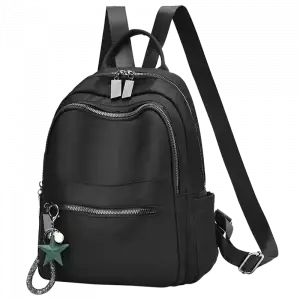
PU Vegan Leather
Consistent color and surface finishes support polished tote programs across varied price positions. Confirm softness, backing, crease appearance and seam bulk on the proposed panel construction.
Cotton Canvas
A tactile woven option for casual shoppers and leather-trim totes. Fabric weight and weave density influence body, print suitability and how the shell responds to lining and base support.

Lining Textiles
We assess how lining joins the shell, pockets and opening edge, checking for trapped material, uneven tension and excess seam bulk during sample review.
Foam Base Support
Foam and structural components can add shape to panels or packed bases without defining a fixed construction. Review thickness, recovery and edge treatment with the intended contents inside the tote.
Leather Tote Construction Sample Review: Processes We Support
Pattern Engineering
We translate dimensions, capacity, handle drop, gusset shape and pocket layout into patterns that clarify panel relationships, support placement and seam allowances before sample cutting.
Precision Cutting
Face material, lining, reinforcement and base components are cut against the approved pattern so grain direction, panel symmetry and edge allowances can be checked on the physical sample.

Reinforced Sewing
Seam sequences and reinforcement points are reviewed around handles, gussets and base joins to manage bulk, maintain alignment and support the tote’s intended packed shape.

Lining Attachment
We assess how lining joins the shell, pockets and opening edge, checking for trapped material, uneven tension and excess seam bulk during leather tote construction sample review.

Branding Finishes
Selected applications such as woven labels, leather labels, metal branding, embroidery or screen printing are positioned against stable construction references for a consistent production result.
Leather Tote Construction Sample Review: Hardware, Labels & Finishing

Top Zippers
Review zipper length, tape color, puller orientation, end finishing, and clearance from the lining. Open and close the sample repeatedly to confirm smooth access without catching nearby seams or pockets.

Magnetic Snaps
Check snap placement, alignment, backing support, and closing feel on the approved tote sample. The closure should secure the opening without pulling the panels out of shape or adding visible bulk.
Base Feet
Specify foot quantity, location, finish, and internal reinforcement where the hardware meets the base. Inspect the loaded sample to confirm feet sit evenly and do not create pressure points through the lining.

Handle Rivets
Review rivet finish, placement, washer or backing method, and interaction with handle reinforcement. Where rivets are proposed, confirm they support the intended construction without distorting the leather panels or seam allowance.
Woven Labels
Approve label artwork, dimensions, fold style, placement, and attachment method against the sample. Confirm that the label does not interfere with lining attachment, pocket use, or the tote’s clean interior finish.
Branded Packaging
Review hangtags, dust bags, branded boxes, and carton marks as separate approval items when required. Match files, attachment points, and packing method to the approved sample so retail presentation remains controlled in production.
About Yeenkran’s Bag Development Team
Founded in Wuhan, Hubei, in 2010, Yeenkran helps global brands turn sketches, reference samples and early concepts into repeatable bag programs. Our team reviews dimensions, intended use, materials, hardware, capacity, branding and packing requirements before pattern development and sampling begin.
For a leather tote construction sample review, we connect pattern engineering with material sourcing, prototype refinement, manufacturing, quality checks, branded packing and export coordination. This single workflow gives buyers a clear path from panel support and lining decisions to a sample that can guide bulk production.
Yeenkran supports emerging labels through established bag brands across OEM, ODM, private-label and wholesale projects. Company-supplied operating figures include more than 200 skilled employees, monthly capacity above 60,000 bags and service to more than 1,200 bag and accessory brands; MOQ starts at 100 units per style and color, subject to material minimums and construction complexity.
Leather Tote Construction Sample Review Checklist
Confirm Panel Support
Review the tote empty and with intended contents to confirm that front, back and side panels hold the approved silhouette. Compare reinforcement placement with the pattern so support improves shape without creating visible ridges, stiffness or unwanted weight.
- Check panel alignment from the centerline and finished seams
- Inspect reinforcement edges for show-through or puckering
- Load the tote to assess side-panel sag and opening shape
- Record the approved support material and placement
Control Seam Bulk
A leather tote construction sample review should inspect seam allowances where panels, gussets, bindings and handle tabs converge. The goal is a clean exterior and an interior that remains usable, with no excessive thickness that distorts corners or obstructs assembly.
- Inspect corners, gusset joins and handle attachment zones
- Compare seam thickness across matching left and right areas
- Check whether folded allowances alter finished dimensions
- Specify trimming, binding or reinforcement details for bulk production
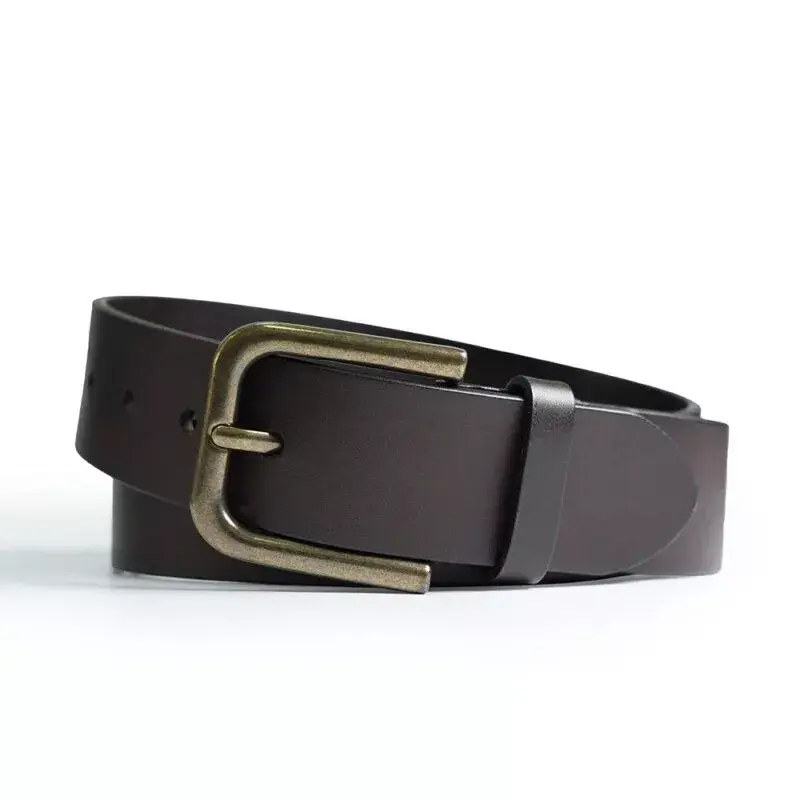
Secure Lining Attachment
Open the sample fully and inspect how the lining meets the opening, pockets and internal base. A fitted lining should sit evenly without pulling the outer shell, while its attachment method must suit the selected closure, edge finish and intended daily use.
- Check lining tension around the opening and closure
- Verify pocket edges do not twist the outer panel
- Inspect stitch consistency and concealed attachment points
- Confirm lining material, color and attachment construction
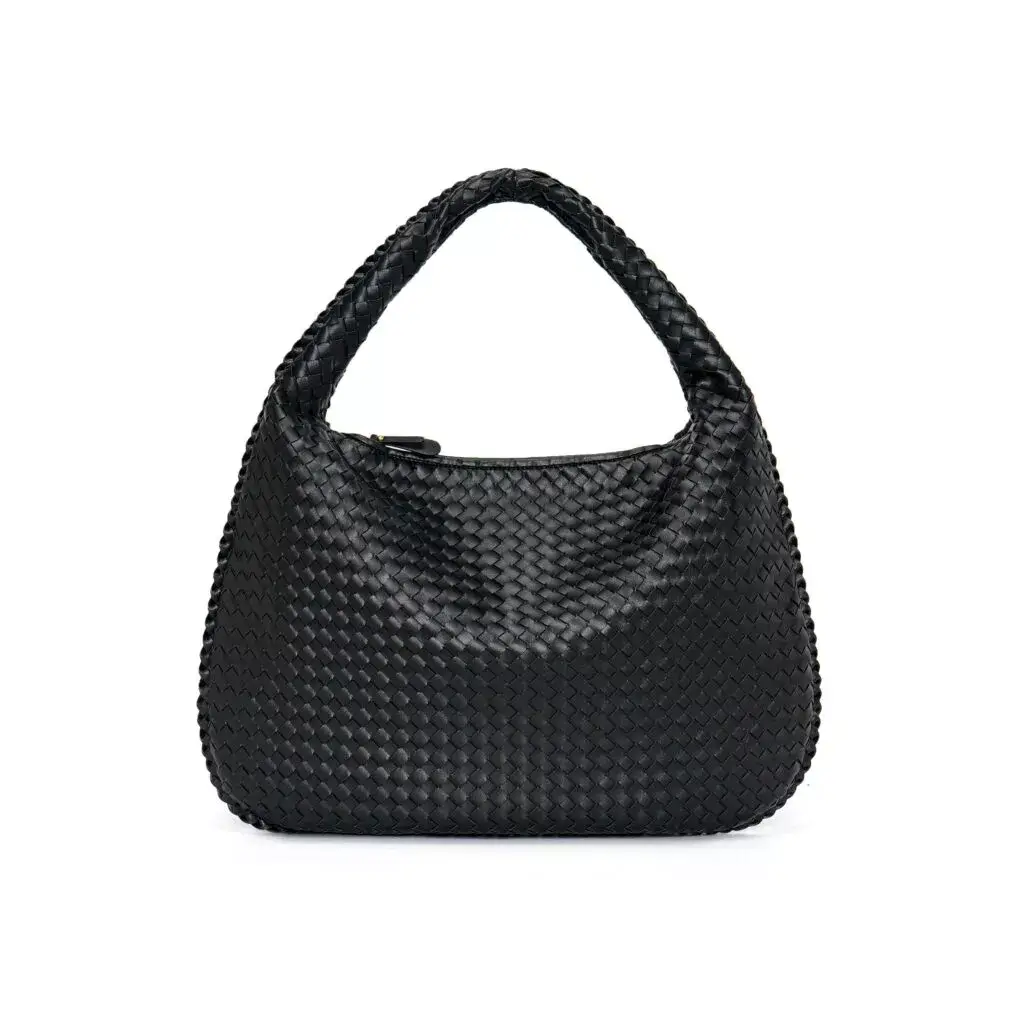
Test Packed Base Stability
Fill the tote with the buyer’s intended contents before approval. Review whether the base stays level, corners retain their form and the bag stands or carries as specified. Confirm proposed base-board, feet or reinforcement details as part of the production reference.
- Test the tote empty, partially filled and fully packed
- Check base flex, corner shape and bag balance
- Assess whether contents shift or press through the base
- Approve the support method with packing requirements
Why Choose Yeenkran for Leather Tote Construction Sample Review
Compare the documented construction controls that help turn a tote sample into a repeatable bulk-production reference.
← Swipe left or right to view →
From Tote Specification to Bulk Production
A controlled workflow for turning approved leather tote construction details into repeatable OEM production.
Review Project Feasibility
Yeenkran reviews dimensions, intended use, target quantity, material direction, hardware, branding, packaging and the panel, lining, seam and base-support requirements.
Source Materials and Components
The team compares leather, lining, reinforcement, base support and hardware options against hand feel, structure, sourcing availability, order volume and target cost.
Engineer Patterns and Sample
Pattern makers translate approved details into cutting patterns and a physical tote sample, checking panel support, seam bulk, lining attachment and packed-base stability.
Approve Construction Standard
Buyers review the leather tote construction sample review findings, measurements, finish, function and documented revisions before confirming the production-ready sample version.
Manufacture, Inspect and Pack
Bulk production follows retained patterns and sample records, with in-line construction checks, final appearance inspection, packing verification and export coordination before shipment.
How to Start Your Leather Tote Construction Sample Review
Move from reference to a production-controlled tote specification with clear construction decisions at each approval stage.
Send Your Reference
Share a tech pack, sketch, sample, photo, or mood board with target dimensions, use case, materials, capacity, branding, and packing requirements.
Review Feasibility Together
Yeenkran reviews panel support, seam bulk, lining attachment, packed base stability, hardware, construction risks, material options, MOQ, and quotation scope.
Approve Materials and Sample
Compare proposed leather, lining, reinforcement, trims, and prototype details. Test the tote empty and packed, then record measurable revisions before approval.
Confirm Bulk Production
Confirm the approved sample, final specifications, branding, packaging, and order details. Retained pattern and sample records support consistent manufacturing and reorders.
Documentation Checks for leather tote construction sample review
Request reports relevant to the approved shell, lining, coating, hardware or decoration for the leather tote construction sample review specification.
Review the factory, production and quality records that apply to the confirmed manufacturing program.
Define required declarations or testing before sampling so the quotation reflects the destination market.
When recycled or specifically sourced materials are selected, request supplier records matched to the actual order.
Confirm fiber, care, packaging, carton marks and labeling information for the buyer’s sales channel.
Buyer Approval Priorities for Leather Tote Panels, Lining and Base Support: Sample Review Guide
Buyer review framework — not a named customer quote.
Confirm the Working Sample
Review the dimensions, access, construction, material references and branding decisions for this specific program before approving the sample.
Keep the Approval Evidence
Retain the agreed bill of materials, approved patterns, swatches and change records so the production team and buyer use the same reference.
Coordinate the Production File
Record sourcing, sewing, decoration, inspection and packing requirements in one project file rather than treating a reference photo as the specification.
Leather Tote Construction Sample Review FAQ
Clear approval guidance for structure, sampling, MOQ, payment and export coordination.
What should a leather tote construction sample review check before I approve bulk production?
Can Yeenkran start a leather tote construction sample review with only a sketch or reference bag?
How do I review panel support and seam bulk on a leather tote sample?
What should I inspect for lining attachment and packed base stability?
Is the 100-unit MOQ available after a leather tote construction sample review?
How many leather tote sample revisions should I plan for?
What payment terms apply to a custom leather tote sample and first bulk order?
How are shipping and design files handled for a custom tote project?
Leather Tote Construction Sample Review: Panels, Lining and Base Support
A practical approval guide for turning a leather tote sample into a controlled production reference.
Approve the sample as a construction standard, not a display piece
The direct answer: approve a leather tote only when its panel shape, seam build, lining attachment and packed base behavior match a written specification under the intended use condition. A clean-looking empty sample is not enough. Ask to inspect the tote empty, carried, opened and closed, placed upright, and filled with the agreed representative contents. Record what was used to fill it; otherwise, a later review cannot distinguish a construction change from a different load. The approval sample should identify the exact style, revision, exterior material description, lining description, color references, hardware, logo method, dimensions and date. Mark it as the sealed reference only after corrections are complete. Physical sample review is particularly useful because it exposes shape, access and construction issues that flat artwork cannot show; an external tote-development discussion similarly notes that additional components affect materials, sewing and quality control. com/blogs/wholesale-womens-bags-benefits/custom-tote-bags-for-brands-a-complete-guide-to-leather-canvas-branding-moq-and-manufacturing
For this project, separate visual acceptance from functional acceptance.
- State the intended contents, carrying orientation and whether the tote must stand when set down.
- Photograph the approved sample from defined views, but treat photos as visual records only—not proof of composition, performance or certification.
- Put every approved deviation from artwork into the revision-controlled specification.
Decide how the exterior panels should hold their silhouette
Start with the desired behavior: should the tote drape, hold a clean vertical form, or remain visibly shaped when partly filled? That decision governs panel construction more than a generic material label. Review the front and back panels for symmetry, grain or surface direction where relevant, edge alignment, and whether reinforcement telegraphs as a ridge, shadow or stiffness change on the face. Ask the sample maker to disclose the panel stack in plain terms: exterior, any reinforcement or backing, lining, and whether each layer is free, joined or captured in a seam. Do not assume a firm hand means durable support, or that a soft hand means insufficient construction. Instead, compare the agreed sample against its design brief after normal handling. Check the upper body for collapse, the side profile for uncontrolled bowing, and the area below handle attachments for distortion.
- Define the expected empty silhouette and the expected partly filled silhouette separately.
- Specify panel construction by layer and placement, not with terms such as “premium support.”
- Check left-to-right symmetry with the tote resting naturally rather than pulled taut.
Inspect seam bulk where panels, gussets and top edge meet
Seam bulk is a usability and appearance decision. Examine every junction where multiple layers converge: upper corners, gusset-to-body joins, base corners, handle tabs, pocket ends and the lining return at the mouth. Look both outside and inside. A seam can appear acceptable from the exterior while creating a hard lump, narrow opening or lining stress on the interior. Ask for the seam allowance treatment, edge treatment and layer order to be listed in the tech pack or construction sheet. The purpose is repeatability, not prescribing a factory method without evidence. During review, run a hand along the top edge and through the bag mouth. Open and close the tote repeatedly. If the lining catches, the mouth rolls, or a thick intersection causes a visible peak, identify the location and desired correction rather than using a general instruction to “improve workmanship.” A more complex seam treatment may improve a clean edge but can increase sensitivity to thickness variation. A simpler turned construction may feel softer but show more internal bulk.
- Map each high-bulk junction on an inside and outside construction drawing.
- Review the mouth with one hand, since real access reveals obstructions hidden in a flat inspection.
- Record whether the requested outcome is reduced visible bulk, reduced internal bulk, easier access, or all three.
Control the lining attachment and interior function
The lining is not merely a color choice. Decide whether it should sit close to the exterior, move freely, or support a particular interior layout. Then inspect how it attaches at the top edge, side seams, base and pocket locations. A lining that pulls against the exterior can alter the tote’s silhouette; a loose lining can interfere with retrieving items or make a pocket feel unstable. Review the tote with the lining turned outward only if the supplier can present that condition without damaging the sample. This reveals seam cleanliness, captured layers, pocket backing and where lining slack originates. Then restore normal use and test access to every pocket, closure and key feature. Define intended pocket contents rather than approving only the pocket outline. A phone, notebook, bottle or small accessory can change how the lining and outer panel behave together. An external production-check guide likewise recommends defining lining type, joining method, pocket dimensions and reinforcement so interior construction does not distort the exterior or base. com/tote-bag-factory-checklist The cited guidance is a general review prompt, not evidence about this manufacturer or this tote.
- Check that pocket edges, zipper ends or labels do not create unwanted face-panel impressions.
- Define whether lining movement is intentional, and where it is acceptable.
- Confirm that the interior does not obstruct the opening, closure or handle movement.
Validate base support in the packed state
Base support should be approved against a defined packed condition, not a universal load claim. State the representative contents, their placement, and whether the tote is expected to stand independently, stay balanced only when supported, or simply protect its shape while carried. Place the agreed contents inside, set the tote on the intended surface, lift it by the handles, and set it down again. Observe base sag, corner shape, rocking, body twist and whether contents shift visibly. Describe the base construction as an assembly: exterior, any reinforcement, lining, and how it relates to the lower panel and gussets. If there is a removable or enclosed support element, identify its location and whether it must remain flat after handling. Do not infer water resistance, impact protection or load capacity from the presence of a base layer. Those claims require appropriate agreed testing and evidence. A firmer base can improve presentation and make a tote easier to pack, yet it can also make the bag less foldable and create a more pronounced edge transition.
- Use the same representative contents for every revision comparison.
- Record whether a base board or support is fixed, removable, enclosed or absent.
- Approve base behavior separately for empty, partly filled and agreed packed conditions.
Use a comparison sheet to resolve structural trade-offs
Choose the construction direction by product behavior, not by a blanket rule that more reinforcement is better. This comparison sheet converts subjective reactions into a decision record.
| Construction direction | What to inspect on the sample | Likely trade-off to decide | Specification or approval field |
|---|---|---|---|
| Soft or lightly supported panels | Natural drape, top-edge shape, handle-area distortion, lining interaction | Softer feel and easier folding versus less defined empty silhouette | Expected empty and packed silhouette; permitted drape areas |
| Supported body panels | Face smoothness, reinforcement show-through, side profile, seam intersections | More shape definition versus potential stiffness and added seam bulk | Layer order, reinforcement placement, visible-face acceptance points |
| Flexible base construction | Base contour while carried, foldability, corner behavior when set down | More packability versus less controlled upright presentation | Packed-condition contents; acceptable base contour |
| Structured base support | Flatness, rocking, edge transition, compatibility with lining and gussets | Greater shape control versus reduced foldability or a harder feel | Support location, fixed/removable status, packed stability observation |
| Close-fitted lining | Outer-panel tension, pocket pull, top-edge behavior | Cleaner interior position versus risk of distortion if attachment is too tight | Attachment locations, permitted lining movement, pocket contents |
| Freer lining construction | Ease of access, lining retrieval, pocket stability | Less outer-panel tension versus possible lining movement during use | Movement allowance and interior-access acceptance notes |
Send an RFQ and sample-correction brief that can be acted on
Before requesting a quote or correction sample, provide inputs that let the maker reproduce the intended construction rather than guess from a mood image. For a leather tote, the critical fields are panel geometry, materials, edge and seam expectations, lining attachment, base assembly and packed-use condition. Clarify which items are fixed and which may be proposed as alternatives. If an alternative is proposed, require it to be identified as a revision rather than silently substituted. , Ltd. states that it was founded in 2010 and offers OEM, ODM and private-label bags with in-house pattern, sampling, cutting, sewing, finishing and QC. Its stated MOQ starts at 100 per style and color, subject to approved material and craft minima. Treat those as assignment-supplied company facts, not independent verification. No certifications, accredited laboratory, price, guaranteed lead time or client quotations are confirmed for this order; request any needed evidence directly and evaluate it for the specific program.
- Style name and revision; overall dimensions and tolerance policy agreed with the supplier.
- Exterior and lining material descriptions, color references, panel layout, hardware and logo artwork/method.
- Construction drawings for seams, edge treatment, handle attachment, lining attachment, pockets, gussets and base assembly.
- Representative packed contents, placement, desired standing behavior and any fold/pack requirement.
- Approval views, defect callouts, required documents, packaging concept, destination-market requirements and target order scope.
- For enquiries: [email protected] or WhatsApp +86 139 8615 2456.
Begin Your Leather Tote Construction Sample Review Today
Send your tech pack, sketch, or reference sample to discuss panel support, lining attachment, base stability, and a custom quote.