
Clutch Bag Manufacturer for Distinctive Custom Event Pieces
Yeenkran is a clutch bag manufacturer for custom closures, frames, handheld proportions, and presentation-led packaging—developed as clutches, not mini handbags.
Product References for Custom Clutch Bag Manufacturer






Product Directions for Custom Clutch Bag Manufacturer
These published references illustrate development directions, not ready-stock or fixed-specification promises. Final material, dimensions, performance and branding require approved samples.
Custom Emerald Beaded Box Clutch for Evening Retail Collections
Get A Quote→WhatsAppCustom Black Metal Frame Evening Box Clutch for Events
Get A Quote→WhatsAppCustom Neoprene Zip Clutch with Wristlet and Stripe Print
Get A Quote→WhatsAppCustom Woven PU Leather Tote Bag With Matching Clutch
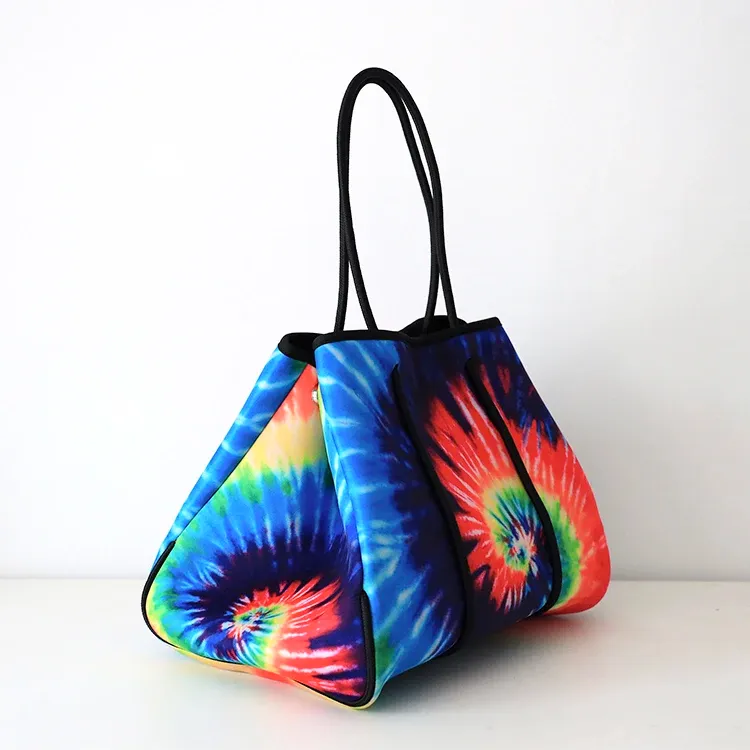
Get A Quote→WhatsAppCustom Neoprene Beach Tote with Clutch Pouch for Resort Retail
Get A Quote→WhatsAppCustom White Beaded Tote with Clutch Styling for Retail and Work
Get A Quote→WhatsAppCustom Structured Leather Box Clutch for Evening Collections
Get A Quote→WhatsAppCustom Structured Leather Evening Clutch with Metal Frame
Get A Quote→WhatsAppCustom Genuine Leather Structured Evening Satchel Clutch
Get A Quote→WhatsAppCustom Leather Top-Handle Wristlet Clutch Organizer for Women
Get A Quote→WhatsAppCustom Woven Leather Evening Clutch with Small Logo Placement
Get A Quote→WhatsAppCustom Cloud Crossbody Clutch Bag with Adjustable Strap for Wholesale
Get A Quote→WhatsApp
Custom Tan Leather Small Organizer Clutch for Everyday Essentials
Get A Quote→WhatsApp
Custom Small Leather Organizer Clutch with Wrist Loop and Secure Snap
Get A Quote→WhatsApp
Custom Woven Neoprene Tote Bag With Matching Clutch for Daily Use
Get A Quote→WhatsApp
Custom Burgundy Leather Clutch Wristlet for Evening Events
Get A Quote→WhatsApp
Custom Metallic Embossed Box Clutch for Evening Collections
Get A Quote→WhatsApp
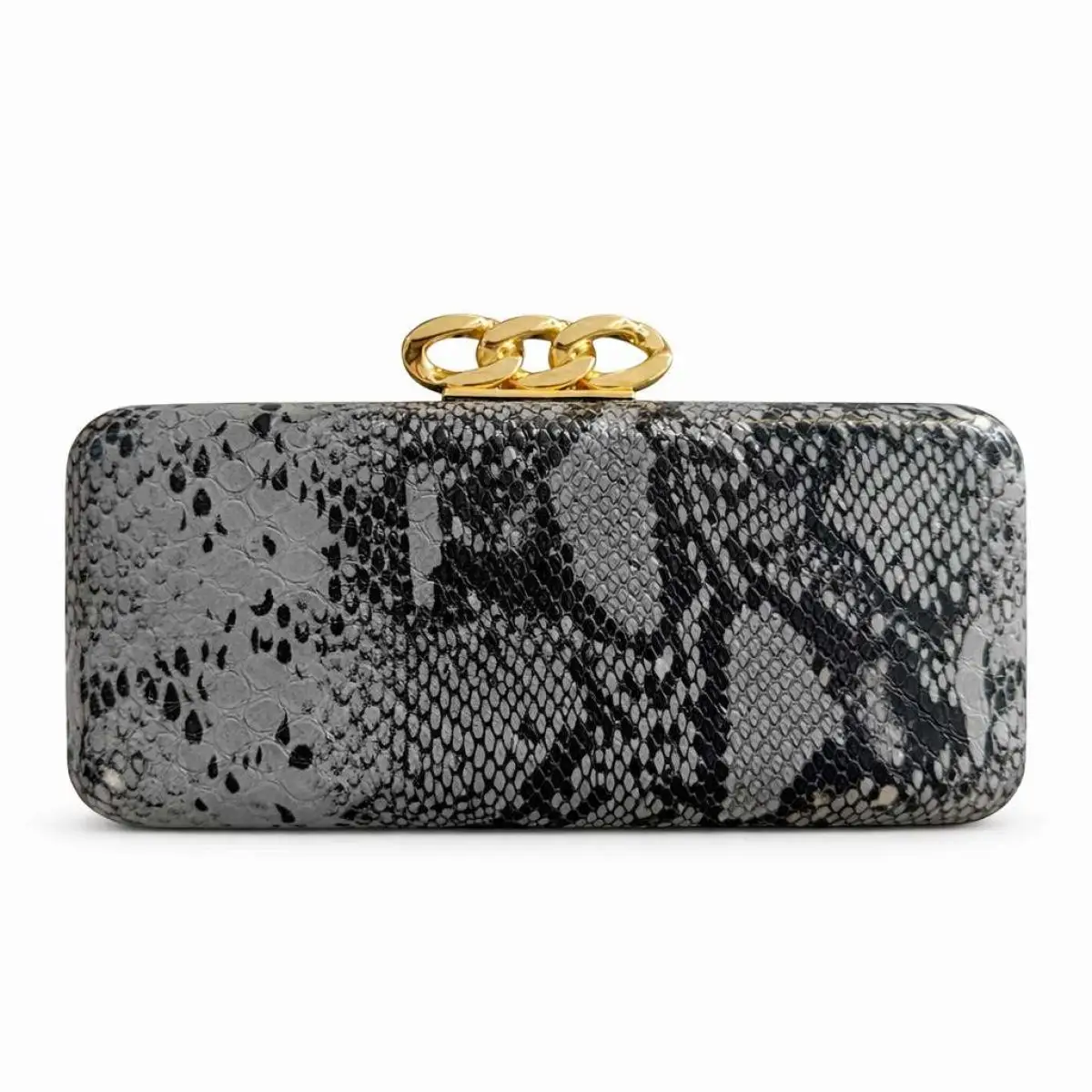
Custom Structured Snake-Pattern Box Clutch for Evening Events
Get A Quote→WhatsApp
Custom Sequin Box Clutch for Evening Events
Get A Quote→WhatsApp
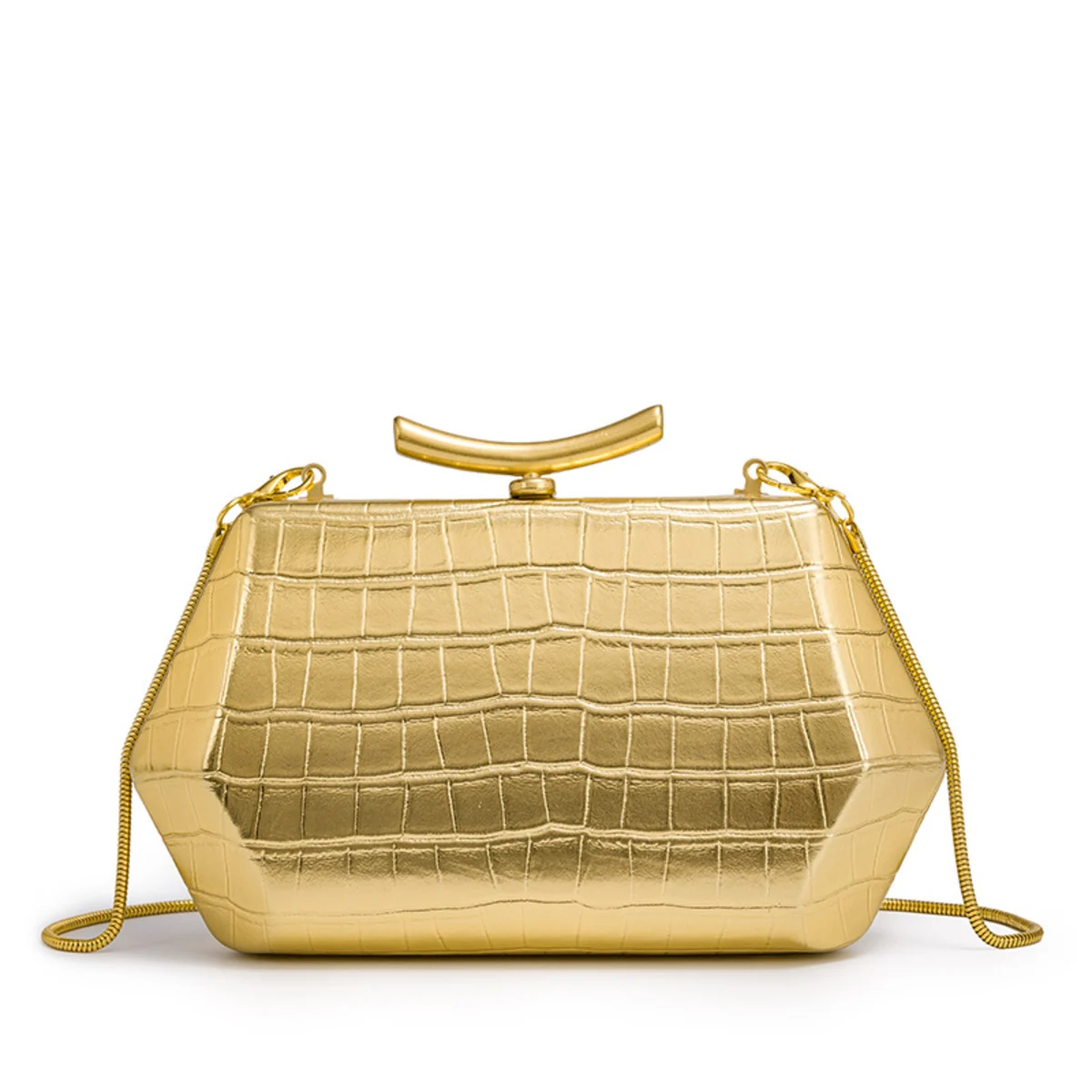
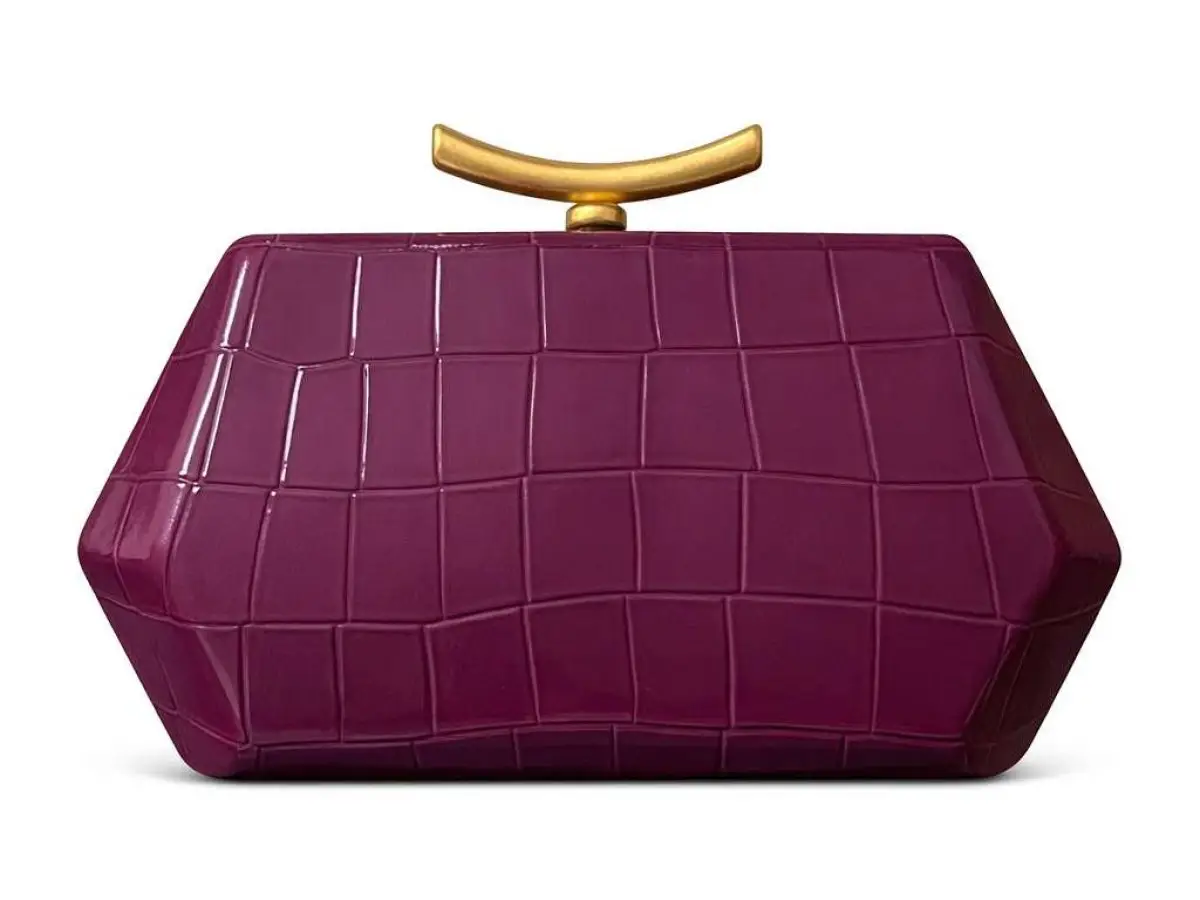
Custom Crocodile Embossed Leather Box Clutch for Weddings
Get A Quote→WhatsApp
Custom Pleated Black Clutch for Private-Label Eveningwear
Get A Quote→WhatsApp
Custom Structured Leather Box Clutch for Evening and Event Retail
Get A Quote→WhatsApp
Custom Genuine Leather Box Clutch for Evening Events
Get A Quote→WhatsApp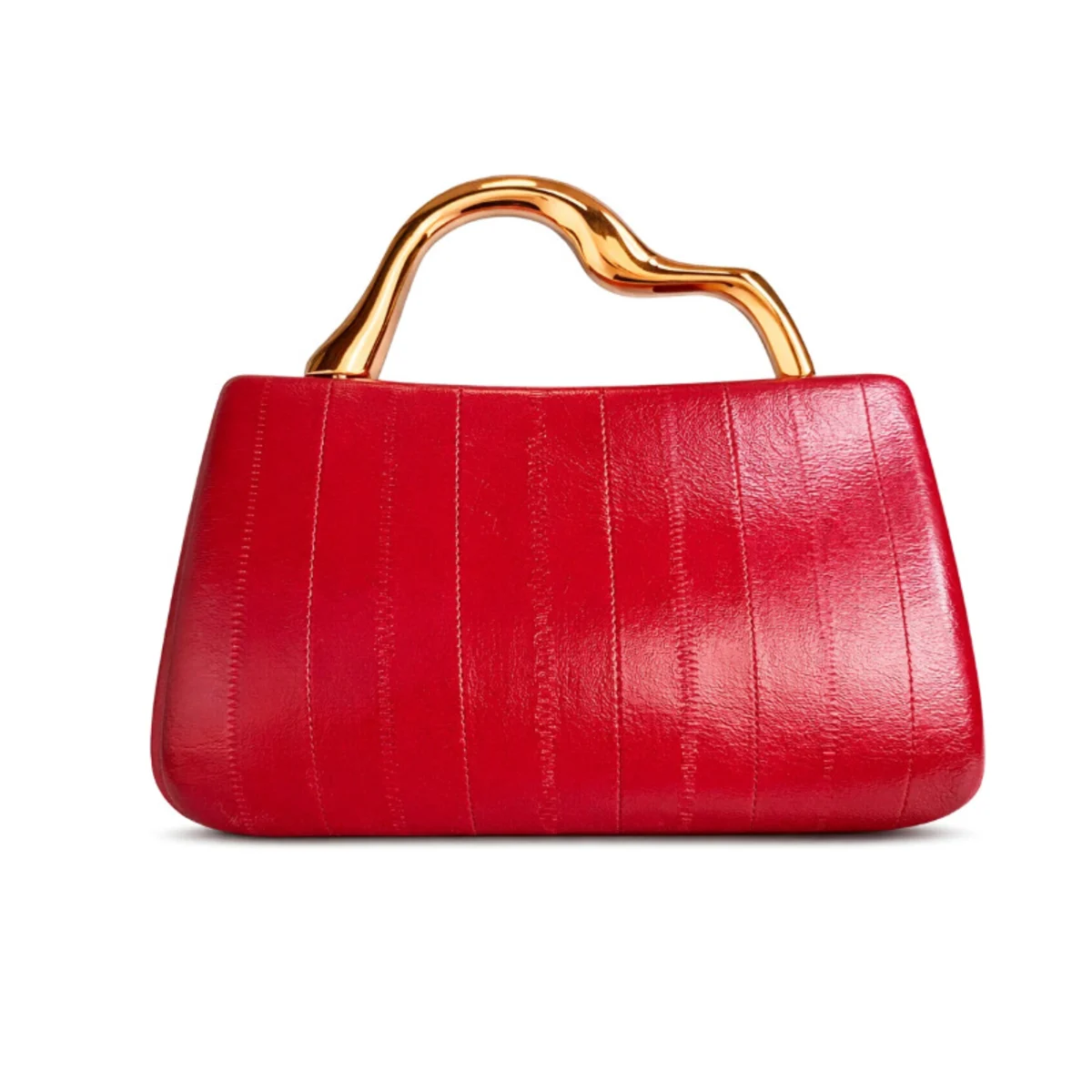
Custom Genuine Leather Structured Box Clutch Handbag
Get A Quote→WhatsApp
Custom Woven Leather Box Clutch for Wedding and Evening Use
Get A Quote→WhatsApp
Custom Structured Leather Box Clutch for Wedding and Evening Retail
Get A Quote→WhatsApp
Custom Leather Box Clutch with Chain Strap for Evening Retail
Get A Quote→WhatsApp
Custom Hard Shell Box Clutch with Statement Handle
Get A Quote→WhatsApp
Custom Metallic Leather Box Clutch with Chain for Evening Retail
Get A Quote→WhatsApp
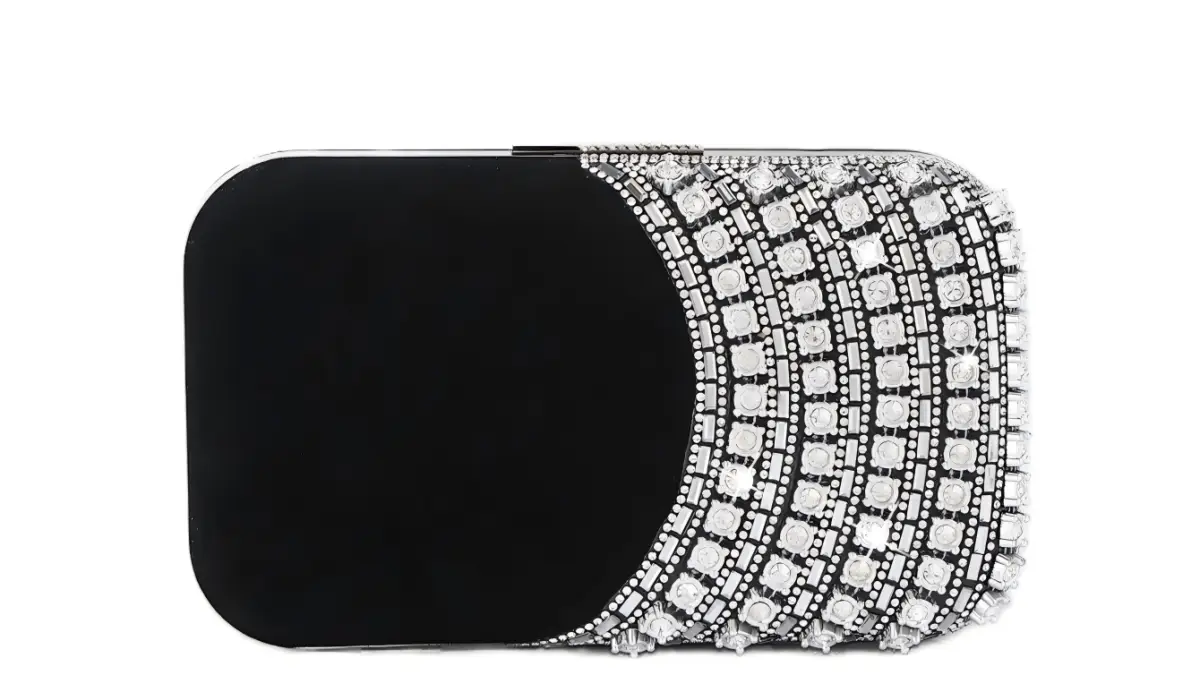
Custom Leather Evening Box Clutch with Rhinestone Accent for Boutiques
Get A Quote→WhatsApp
Custom Sequin Box Clutch for Bridal and Evening Collections
Get A Quote→WhatsAppWhy Choose Yeenkran as Your Clutch Bag Manufacturer
A development workflow centered on closure action, frame shape, handheld proportions, material selection, and controlled bulk reproduction.
Pattern-Led Proportions
Patterns are developed around handheld scale, gusset depth, opening clearance, and the intended silhouette instead of adapting a generic mini handbag.
Closure and Frame Coordination
We review frame alignment, clasp action, magnetic placement, and seam routes together so the opening feels considered and assembles consistently.
Materials With Presence
Compare PU, vegan leather, genuine leather, textiles, linings, and structural components for hand feel, shape retention, and event-ready presentation.
Sample Refinement Records
Sample feedback can refine measurements, frame fit, logo placement, and finishing before approved specifications and records support future repeat orders.
Production-Ready Brand Details
Coordinate metal labels, embroidery, printing, hangtags, dust bags, boxes, and export packing with the approved clutch construction and presentation plan.
Repeatable Bulk Control
Incoming materials, in-line construction checks, final appearance inspection, and packing verification help keep approved clutch details controlled through bulk production.
Explore Yeenkran’s Wider Custom Bag Range
Alongside custom clutches, Yeenkran develops coordinated bag and accessory programs across categories for brands that need one manufacturing partner.
Custom Handbag Manufacturer — 100-Piece MOQ | Yeenkran
Explore the verified related manufacturing and approval program.
Explore Program
Bag Material Sourcing Service — 100-Piece MOQ | Yeenkran
Explore the verified related manufacturing and approval program.
Explore Program
Bag Quality Control Process for OEM Production | Yeenkran
Explore the verified related manufacturing and approval program.
Explore Program
Bag Quality Control Checklist: OEM Approval Guide 2026
Explore the verified related manufacturing and approval program.
Explore ProgramMaterials Selected for Hand Feel and Presentation

PU Vegan Leather
A smooth or textured surface suited to polished evening clutches, envelope shapes, and branded presentation. PU and vegan leather can be specified by grain, backing, color, and hand feel to support the approved construction direction.

Genuine Leather
A naturally varied material choice for premium handheld clutches and small formal collections. Leather selection considers grain, temper, thickness, color, and edge-finishing direction so the finished piece achieves the intended feel and structure.
Satin and Velvet
Soft textiles for occasion clutches, gift-ready styles, and statement color stories. Satin offers a smooth, light-catching face, while velvet has a deeper pile hand; both require suitable backing and lining choices for the proposed shape.

Canvas And Cotton
Tactile woven options for casual clutches, resort collections, and printed promotional concepts. Canvas and cotton can provide a natural hand feel, with fabric weight and backing selected according to the desired body and decoration approach.

Lining And Structure
Lining, foam, board, interfacing, and reinforcement components determine how a clutch holds its silhouette in use. These materials are reviewed with the closure, frame, outer material, and intended contents during sample development.
Clutch Bag Manufacturer Branding and Finishing Processes
Screen Printing
Screen printing applies clear graphic artwork across compatible fabric, canvas, or smooth panels. Yeenkran reviews color separation, print area, seam positions, and surface behavior before confirming the sample direction.
Heat Transfer
Heat transfer can reproduce detailed logos and color-rich artwork on appropriate clutch materials. The process is assessed for artwork scale, panel curvature, material surface, and placement away from closure or frame areas.
Laser Engraving
Laser engraving creates a restrained branded mark on suitable leather or vegan-leather components. Material response, artwork detail, contrast, and the location of each engraved element require review during development.

Metal Branding
Metal logos, plates, and branded hardware create a polished presentation for evening or occasion clutches. Size, finish, attachment method, weight, and interaction with the frame or closure are confirmed with the sample.
Woven Labels
Woven labels provide a durable identity detail for lining, interior pockets, or selected exterior positions. Label size, weave clarity, edge finish, and sewing placement are aligned with the clutch construction plan.
Clutch Hardware, Closures and Branded Trims

Metal Frames
Structured metal frames define the clutch opening, silhouette and event-ready presentation. Confirm frame shape, finish, hinge action and how the frame is secured to the selected outer material during sampling.

Magnetic Snaps
Magnetic snap closures suit clean flap clutches and soft envelope styles. Buyers can review placement, closing feel, pull strength and whether the closure remains aligned after the clutch is filled.

Custom Zipper Pulls
For zip-top clutch designs, custom zipper pulls add a functional branding point. Review pull shape, finish, logo treatment, zipper path and hand clearance on the complete sample, not as loose hardware.

Branded Labels
Woven, leather or metal labels can carry your private-label identity inside or outside the clutch. Confirm artwork, size, placement, attachment method and visual balance against the approved material and construction.

Retail Packaging
Dust bags, hangtags, branded boxes and export-carton marks can be developed for retail presentation. Share packaging artwork and handling requirements early so they can be reviewed alongside the finished clutch sample.
About Yeenkran, Your Clutch Bag Manufacturer
Founded in Wuhan, Hubei, China in 2010, Yeenkran helps fashion and accessory brands turn clutch concepts into repeatable OEM, ODM, private-label and wholesale production. We coordinate development, sourcing, sampling, manufacturing, quality checks, branding, packing and export preparation through one working team.
As a clutch bag manufacturer, we begin with the decisions that separate a true clutch from a mini handbag: handheld proportions, closure action, frame or body structure, material hand feel and event-ready presentation. Buyers can start with a tech pack, sketch, reference sample, mood board or early concept.
Our pattern-development and sampling teams review dimensions, construction, hardware, decoration and packaging before bulk planning. Approved patterns, material specifications and sample records support consistent reorders. MOQ starts at 100 units per style and color, subject to confirmed materials and construction complexity.

Clutch Bag Manufacturer Capabilities in Detail
Frame and Pattern Engineering
Yeenkran develops clutch patterns around the intended handheld proportions, opening action, frame placement and silhouette. A reference image can establish direction, but measurements, gusset behavior, lining turn, seam allowance and closure alignment are reviewed before a production-ready sample is approved.
- Pattern development from sketches, samples, photos or tech packs
- Frame, flap and clasp placement checked against the finished silhouette
- Handheld dimensions and gusset construction defined before bulk approval
- Approved pattern and sample records retained for repeat orders
Materials Matched to Structure
Material selection is coordinated with the clutch’s shape, event presentation and construction method. The team can compare PU or vegan leather, genuine leather, canvas, textiles, lining and structural components by hand feel, weight, finish direction, order volume and target cost before confirming the sample specification.
- Material options reviewed against desired stiffness and surface appearance
- Lining, interfacing and structural components considered together
- Swatches and sample bags available for project review
- Material choices confirmed with the approved clutch sample
Closure and Trim Coordination
A clutch closure must look intentional and operate cleanly within the finished construction. Yeenkran coordinates frames, clasps, snaps, zippers, metal labels, zipper pulls and decorative trims with the body material, pattern and branding placement, rather than treating hardware as a separate late-stage decision.
- Frame, clasp, snap or zipper direction defined for the chosen design
- Hardware finish reviewed alongside body material and logo treatment
- Custom metal branding, labels, hangtags and packaging options available
- Assembly details checked on the complete sample, not only loose components
Sample-to-Bulk Inspection Control
Before bulk production, the approved clutch sample, material direction, measurements, logo artwork and packing requirements should identify one clear production reference. Yeenkran applies incoming material checks, in-line construction review, measurement and appearance inspection, decoration review and packing verification throughout the workflow.
- Sample comments translated into controlled production details
- In-line checks cover construction, alignment and visible finishing
- Final review includes measurements, appearance, branding and packing
- MOQ starts at 100 units per style and color, subject to materials and construction

Clutch Bag Manufacturer Comparison: What to Confirm Before Quoting
Compare the development controls that keep a clutch brief aligned from sample approval through reorder.
← Swipe left or right to view →
Clutch Bag Manufacturer: From Brief to Export-Ready Production
A controlled path for closure function, frame shape, handheld proportions, presentation details and repeatable bulk production.
Review Brief and Feasibility
We review your reference, dimensions, intended event use, target quantity, closure direction, frame requirements, material preferences, branding and packaging before confirming a practical development path.
Source Materials and Hardware
Our team compares suitable outer materials, linings, structural components, clasp options, chains, trims and branded elements against hand feel, construction compatibility, availability and target cost.
Engineer Pattern and Sample
Pattern makers develop the clutch shape, opening route, frame fit and internal layout, then prepare a sample for review of proportions, closure action, finish and presentation.
Approve Production Specifications
Buyer feedback is consolidated into approved measurements, materials, hardware finish, logo artwork, packaging instructions and sample records before bulk materials and components are prepared.
Manufacture, Inspect and Pack
Yeenkran cuts, assembles, finishes and packs approved clutches while checking incoming materials, construction, measurements, decoration, appearance and packing details throughout the production workflow.
Coordinate Export Handover
After final inspection and packing verification, we coordinate export-ready cartons and shipment handover according to the confirmed order, destination requirements and agreed logistics arrangements.
How to Start Your Custom Clutch Project
Move from a reference or tech pack to an approved production specification with a process built around closure function, frame construction, handheld proportions and event presentation.
Send Your Project Reference
Share a tech pack, sketch, reference sample, photo or mood board, plus intended size, event use, target quantity, branding and packaging requirements.
Review Structure and Feasibility
Confirm the clutch closure, frame or soft construction, material direction, hardware, handheld proportions, decoration options and commercial requirements before Yeenkran prepares a quotation.
Approve the Development Sample
Review the sample for silhouette, opening action, frame alignment, material hand feel, logo placement, internal layout and presentation details; record revisions before approval.
Confirm Bulk Production
Finalize the approved sample, pattern, material specifications, artwork, packing instructions and order details so production can proceed with documented references for quality review.
Documentation Checks for clutch bag manufacturer
Request reports relevant to the approved shell, lining, coating, hardware or decoration for the clutch bag manufacturer specification.
Review the factory, production and quality records that apply to the confirmed manufacturing program.
Define required declarations or testing before sampling so the quotation reflects the destination market.
When recycled or specifically sourced materials are selected, request supplier records matched to the actual order.
Confirm fiber, care, packaging, carton marks and labeling information for the buyer’s sales channel.
Buyer Approval Priorities for Custom Clutch Bag Manufacturer
Buyer review framework — not a named customer quote.
Confirm the Working Sample
Review the dimensions, access, construction, material references and branding decisions for this specific program before approving the sample.
Keep the Approval Evidence
Retain the agreed bill of materials, approved patterns, swatches and change records so the production team and buyer use the same reference.
Coordinate the Production File
Record sourcing, sewing, decoration, inspection and packing requirements in one project file rather than treating a reference photo as the specification.
Clutch Bag Manufacturer FAQ
Practical answers on clutch construction, sampling, order planning and export coordination.
What is the MOQ for a custom clutch bag manufacturer?
Can a clutch bag manufacturer develop a sample from a sketch or reference photo?
How do I specify a clutch frame, clasp or closure correctly?
What materials can be used for custom clutch bags?
How does a clutch bag manufacturer handle private-label branding?
What payment terms apply to a first custom clutch order?
Can Yeenkran arrange shipping for clutch bag orders?
How should I share my clutch design and IP-sensitive materials?
Custom Clutch Bag Manufacturer
How to brief, sample and approve a custom clutch for handheld use, closure performance and event-ready presentation with Yeenkran.
Start with the clutch brief, not a mini-handbag reference
A custom clutch should be specified as a handheld, presentation-led product: its opening action, rigid or soft body, carrying method and contents define the build. Wuhan Yeenkran Bag Co., Ltd. offers OEM, ODM and private-label bag work, with in-house pattern development, sampling, cutting, sewing, finishing and QC. For this category, send a clutch-specific brief before requesting a quote or sample rather than assuming a small handbag construction will translate unchanged. State whether the piece is for evening retail, bridal gifting, corporate events, cosmetics, documents or another defined use. That single choice affects the desired silhouette, interior access and how the item must look when held or displayed.
- Name the user and setting: seated dinner, ceremony, reception desk, gift set or daily carry.
- Describe the primary contents with their approximate dimensions; do not use “fits essentials” as the only capacity instruction.
- State whether the clutch is hand-held only, wrist-carried, or intended to include a detachable shoulder component.
- Provide reference images as design direction only, then identify every feature that must be changed or omitted.
Choose an opening system around the moment of use
The closure is both a visual feature and a functional decision. A snap flap may suit a softer envelope profile, while a zipper can contain loose small items but changes the opening line and puller presentation. A framed top can create a more formal silhouette, yet it needs deliberate alignment and a repeatable closing feel. A magnetic closure can simplify access, but the buyer should define the expected contents and whether unintended opening would be unacceptable. Do not approve a closure by appearance alone. Ask for the actual proposed component and assess it on the finished sample with the intended contents inside.
- Specify the closure type, visible finish, color, placement and whether hardware branding is required.
- Record the opening direction and the intended one-hand or two-hand user action.
- Request that the sample shows the final planned closure construction, not merely a temporary development substitute.
- Define the acceptable visual condition when closed: flap alignment, frame meeting line, zipper end treatment and visible gap expectations.
Decide whether structure or softness carries the design
A clutch can obtain its shape from its outer material, lining combination, internal support, a frame, or a combination of these. The choice changes the hand feel, edge definition, opening behavior and the way the bag presents when empty. A soft pouch may fold or relax in use; that can be intentional, but it should not be mistaken for a structured evening clutch. Conversely, a sharply shaped body can make a design look more formal but may reveal irregularities more readily at corners and seams. Give Yeenkran a physical reference when possible, or identify the intended stiffness and the non-negotiable visual cues in a drawing.
- Call out whether the sample must stand, lie flat, retain a box shape, or drape when carried.
- Separate exterior material appearance from the required body feel; surface color alone does not define construction.
- Identify edge treatment: turned edge, binding, piping, exposed seam or another approved detail.
- Ask the pattern sample to show the finished corner and gusset construction before approving logo placement.
Set handheld dimensions from contents and presentation
Handheld size is a practical and aesthetic decision. A clutch can appear proportionate in a flat drawing yet become awkward if its depth, opening or internal layout prevents access to the intended contents. Supply external width, height and depth targets, then identify which measurements are critical and which may be adjusted during pattern review. If the clutch is intended for a phone, invitation, card case or cosmetics, provide the relevant item sizes or a physical fit reference. A promotional piece may prioritize the presentation card or gift contents instead. Avoid calling a clutch “compact” without a measurable capacity use case.
- Provide a dimensioned sketch with measurement points and state whether dimensions are external or internal.
- Identify the maximum intended contents and whether they must be inserted through a fully opened or partially opened mouth.
- Specify any wrist strap length, hand loop position or detachable component attachment point.
- Ask for filled and unfilled photographs during sampling, while recognizing photographs do not verify material composition, performance or certification.
| Design choice | Useful when | Trade-off to resolve in the sample | Approval evidence |
|---|---|---|---|
| Flat envelope | A slim document, invitation or minimal-contents concept is central | Capacity can compete with a crisp flap line | Check filled flap alignment and edge profile |
| Soft zip pouch | Easy access and flexible contents matter more than rigid form | The body may relax or wrinkle depending on construction | Review the full opening, puller position and empty-bag appearance |
| Structured box clutch | Formal visual impact and defined geometry are priorities | Corners, frame alignment and carrying comfort need closer review | Inspect all corners, closure meeting line and handheld feel |
| Gusseted flap clutch | More usable volume is needed without changing the clutch category | Side expansion can change logo position and silhouette | Assess both flat and filled side views |
Translate event presentation into component instructions
For event, bridal or corporate distribution, the receiving experience is part of the product brief. Specify the colorway, logo location, whether the logo is quiet or prominent, and the presentation sequence: item only, protective sleeve, card insert, gift box or other buyer-supplied requirement. These are separate decisions from the clutch body. Artwork should be supplied as the controlled version with a stated placement and finish. If a logo crosses a flap, seam, curve or fold, require a sample view in the closed position and during use. Packaging must be reviewed for fit and surface protection, not inferred from a product photo.
- Provide approved artwork files, logo dimensions, color references and the permitted tolerance for placement only if your team defines one.
- State which side faces outward in display, packing and photography.
- List every insert, label, barcode, hangtag, tissue, dust bag or carton mark required by the sales channel.
- Identify destination-market documentation or retailer rules early; Yeenkran has not confirmed certifications or an accredited in-house laboratory for this order.
Use sampling to control the details bulk work would repeat
Sampling is the decision gate where a concept becomes controlled instructions. The useful record is not simply “sample approved”; it identifies the exact version of the bag, drawing, artwork, materials, components, packaging and open items. An external manufacturing-process guide likewise describes a sequence from specification review through sampling, approval, material preparation and quality review, but it is not evidence of Yeenkran’s individual process or timing: https://northlinebags.com/custom-bag-manufacturing-process-guide. Keep feedback consolidated through one buyer approval contact so an earlier artwork or measurement sheet is not accidentally reused.
- Assign a project code and revision number to the sample, measurement sheet, artwork file and approval record.
- Mark each item as approved, revise, pending buyer decision or pending factory confirmation.
- Inspect closure alignment, body symmetry, stitch appearance, edges, lining attachment, hardware finish, logo and packaging as separate points.
- Approve any replacement material, hardware or logo method in writing before bulk release; do not treat a similar-looking alternative as automatically accepted.
Ask questions that distinguish an OEM, ODM or private-label route
The development route changes what must be settled before sampling. OEM is appropriate when the buyer supplies a defined design and controlled specification. ODM begins from an available direction that the buyer adapts, so the scope of permitted changes needs recording. Private label may focus on branding and presentation, but it still needs confirmation of the underlying clutch construction, material and components. Yeenkran states that it provides all three routes; the buyer should request a project-specific review rather than infer that every change is feasible. Its stated MOQ starts at 100 per style and color, subject to approved material and craft minima.
- For OEM, submit the dimensioned construction brief and identify proprietary artwork or buyer-supplied materials.
- For ODM, ask which construction elements are fixed, which can change, and which sample confirms the selected base.
- For private label, define brand placement, labels, packaging and whether the base item requires any functional alteration.
- Ask the quotation to separate assumptions, exclusions, sample revisions and minimums by material or craft rather than relying on a starting MOQ alone.
Send an RFQ that can be reviewed without guessing
A usable RFQ gives the factory enough information to assess the clutch as a production project and gives the buyer a record for comparing responses. The following checklist is intentionally specific to closure, frame, handheld dimensions and event presentation. It is not a promise of price, production timing, test results or compliance. Yeenkran has not confirmed a guaranteed lead time, pricing, certifications, client quotations or an accredited in-house laboratory for this order; request the evidence and feasibility relevant to your final specification.
- Project: brand or buyer name, target use, route (OEM, ODM or private label), destination market, quantity by style and color, and decision-maker.
- Design: drawings or reference images, external and internal dimensions, desired filled contents, body structure, material direction, lining, edge finish, gusset and internal organization.
- Closure and hardware: mechanism, finish, visible side, frame or flap construction, puller or clasp detail, logo hardware and spare-component expectation if applicable.
- Branding and presentation: artwork files, placement map, labels, packaging components, display orientation, inserts, carton marks and sales-channel requirements.
- Sample approval: revision-control method, required views, physical reference items, test or documentation requests, inspection scope, approval contact and target decision date.
Start Your Custom Clutch Bag Quote
Send your tech pack, sketch, reference sample or concept for a clutch bag manufacturer feasibility review and quotation.