
Custom Leather Tote Bags Built for Daily Carry
Develop custom leather tote bags with engineered panels, supported bases and reinforced handles; MOQ starts at 100 units per style and color, subject to material and construction.
Product References for Custom Leather Tote Bag Manufacturer


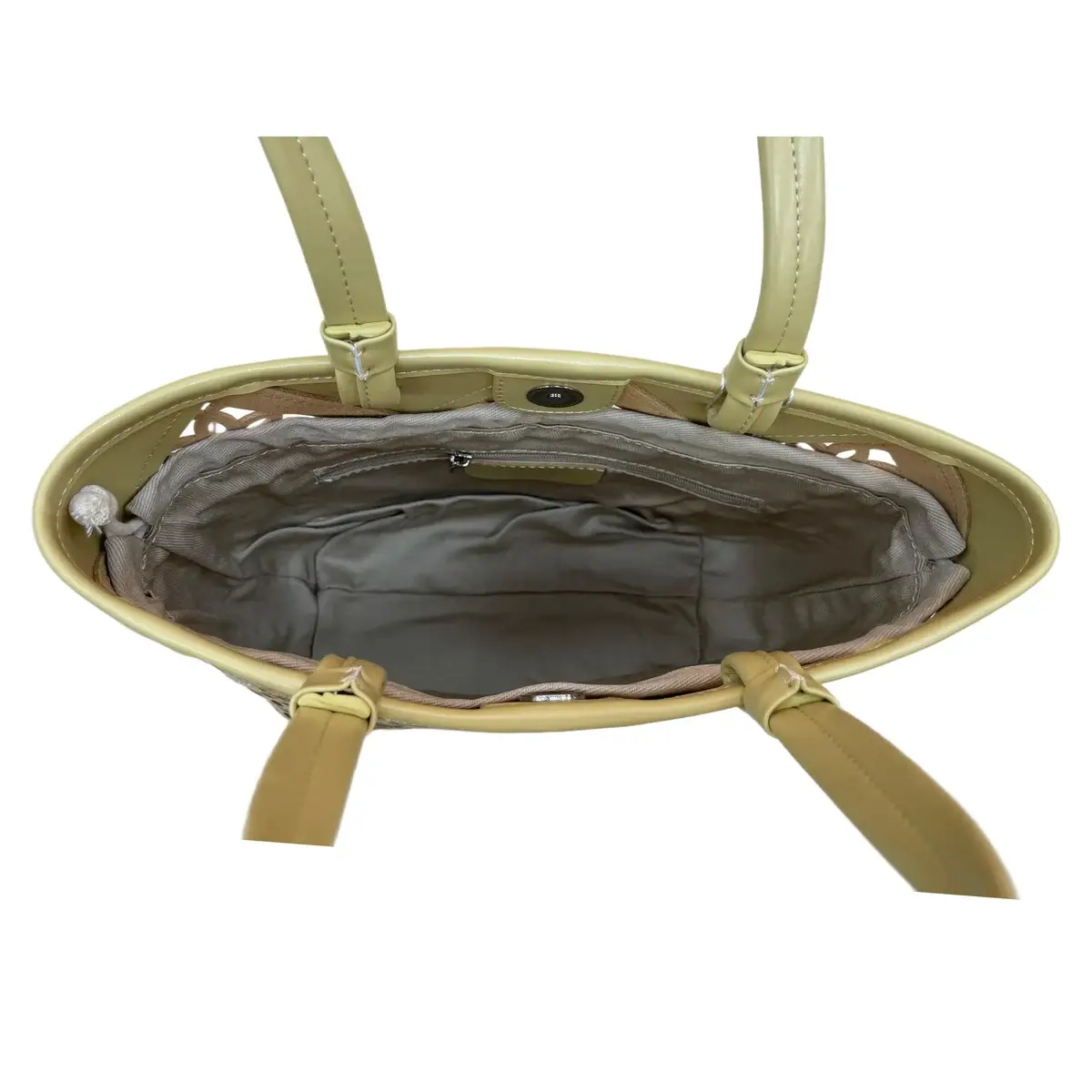
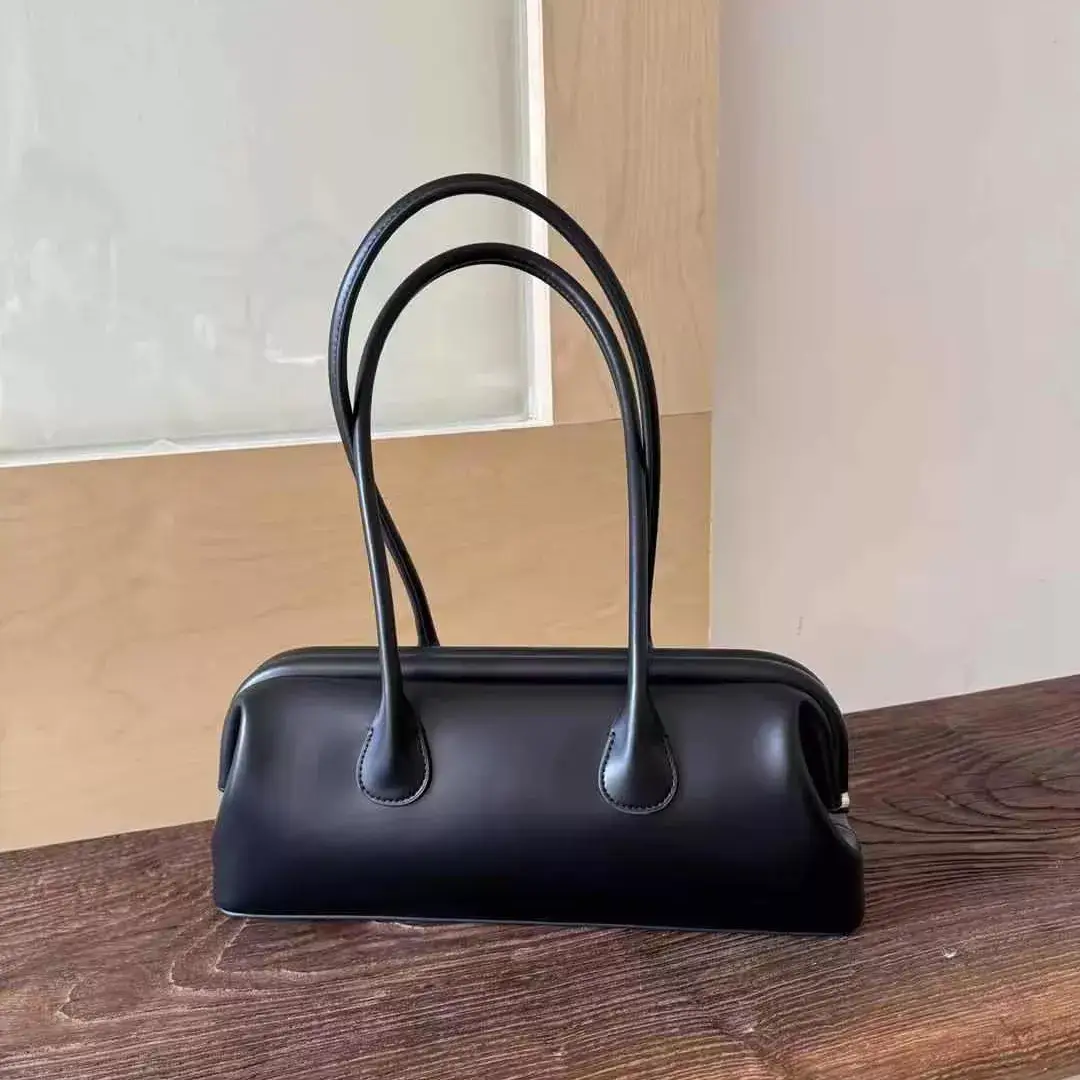


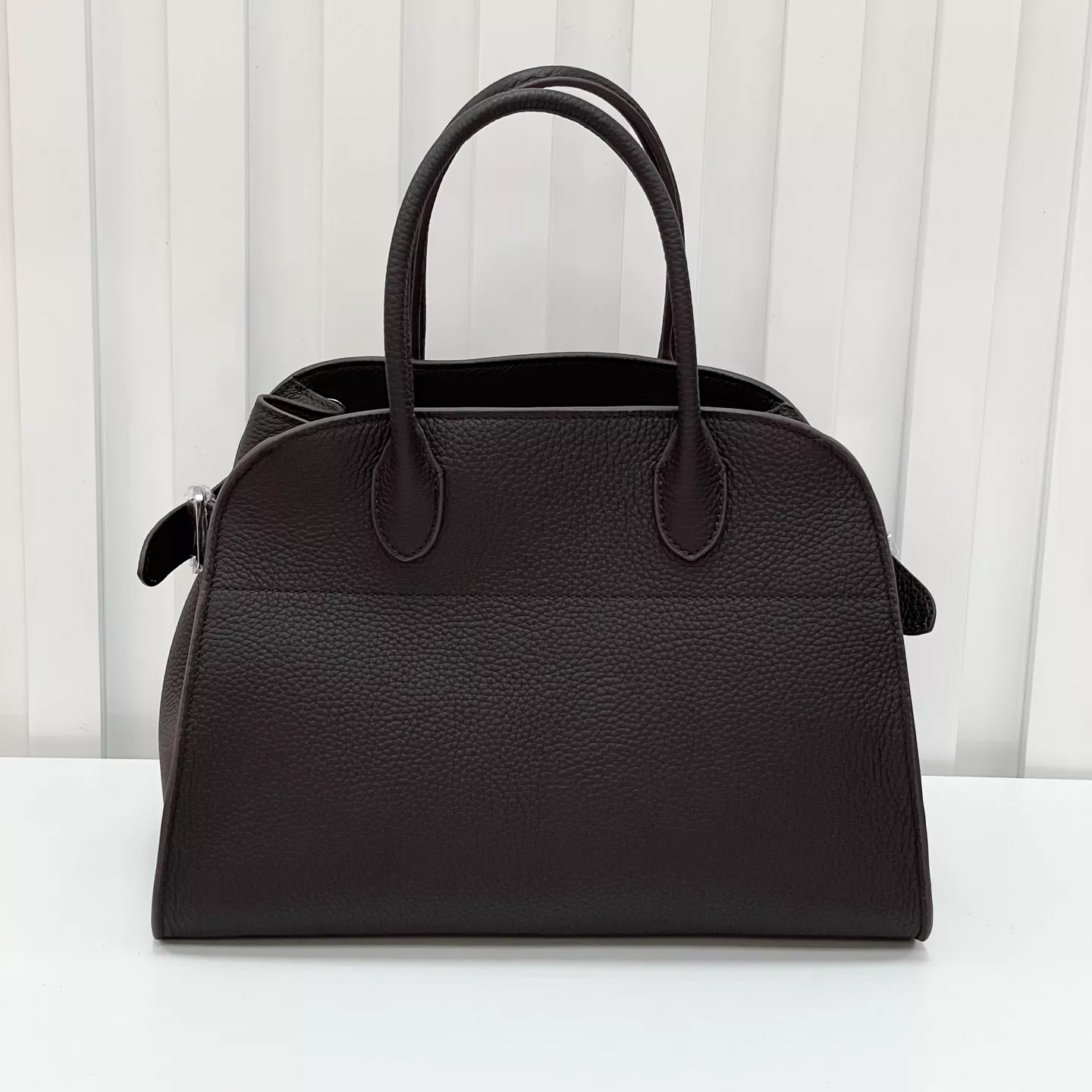


Product Directions for Custom Leather Tote Bag Manufacturer
These published references illustrate development directions, not ready-stock or fixed-specification promises. Final material, dimensions, performance and branding require approved samples.
Custom Leather Everyday Tote with Stable Base Construction
Get A Quote→WhatsAppCustom Soft Leather Tote for Everyday Shoulder Carry
Get A Quote→WhatsAppCustom Genuine Leather Everyday Tote for Travel and Work
Get A Quote→WhatsAppCustom Leather Everyday Tote Bag with Organized Retail Pockets
Get A Quote→WhatsAppCustom Leather Work Tote with Zippered Top for Office Carry
Get A Quote→WhatsAppCustom Leather Everyday Tote with Long Shoulder Handles
Get A Quote→WhatsAppCustom Leather Everyday Hobo Tote for Commuter Use
Get A Quote→WhatsAppCustom Genuine Leather Utility Tote for Everyday Carry
Get A Quote→WhatsAppCustom Genuine Leather Shopper Tote for Everyday Business Carry
Get A Quote→WhatsAppCustom Cowhide Leather Everyday Tote Bag with Stable Reinforced Base
Get A Quote→WhatsAppCustom Genuine Leather Everyday Tote Bag with Retail Pocket Map
Get A Quote→WhatsAppCustom Leather Everyday Tote with Reinforced Chain Handles
Get A Quote→WhatsApp
Custom Leather Everyday Commuter Tote with Trolley Pass-Through
Get A Quote→WhatsApp
Custom Genuine Leather Tote for Everyday Wholesale Use
Get A Quote→WhatsApp
Custom Leather Tote with Reinforced Handle Anchors
Get A Quote→WhatsApp
Custom Genuine Leather Everyday Tote Bag for Women
Get A Quote→WhatsApp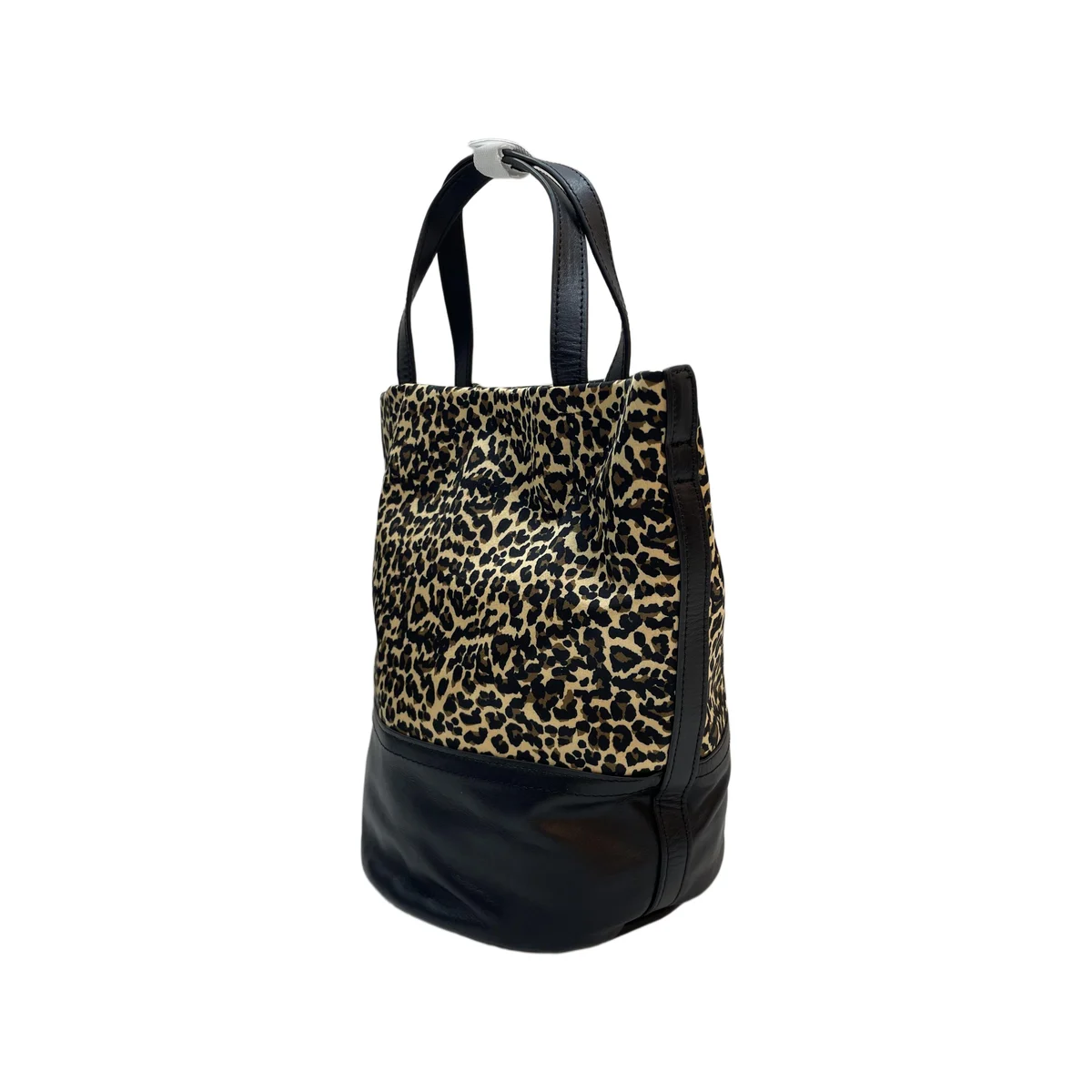
Custom Waterproof-Ready Genuine Leather Everyday Tote Bag
Get A Quote→WhatsApp
Custom Leather Tote with Foldable Body and Durable Base Seams
Get A Quote→WhatsApp
Custom Pleated Genuine Leather Everyday Tote with Logo Panels
Get A Quote→WhatsApp
Custom Genuine Leather Everyday Tote for Commuter Carry
Get A Quote→WhatsApp
Custom Woven Leather Tote Bag for Everyday Wholesale Use
Get A Quote→WhatsApp
Custom Soft Leather Everyday Tote with Adjustable Buckle Strap
Get A Quote→WhatsApp
Custom Heavy-Duty Leather Everyday Tote for Work and Travel
Get A Quote→WhatsApp
Custom Genuine Leather Wing Tote Bag for Workday Wholesale
Get A Quote→WhatsApp
Custom Classic Leather Tote Bag for Flexible Wholesale Carry
Get A Quote→WhatsApp
Custom Woven Leather Everyday Tote Bag for Work Retail
Get A Quote→WhatsApp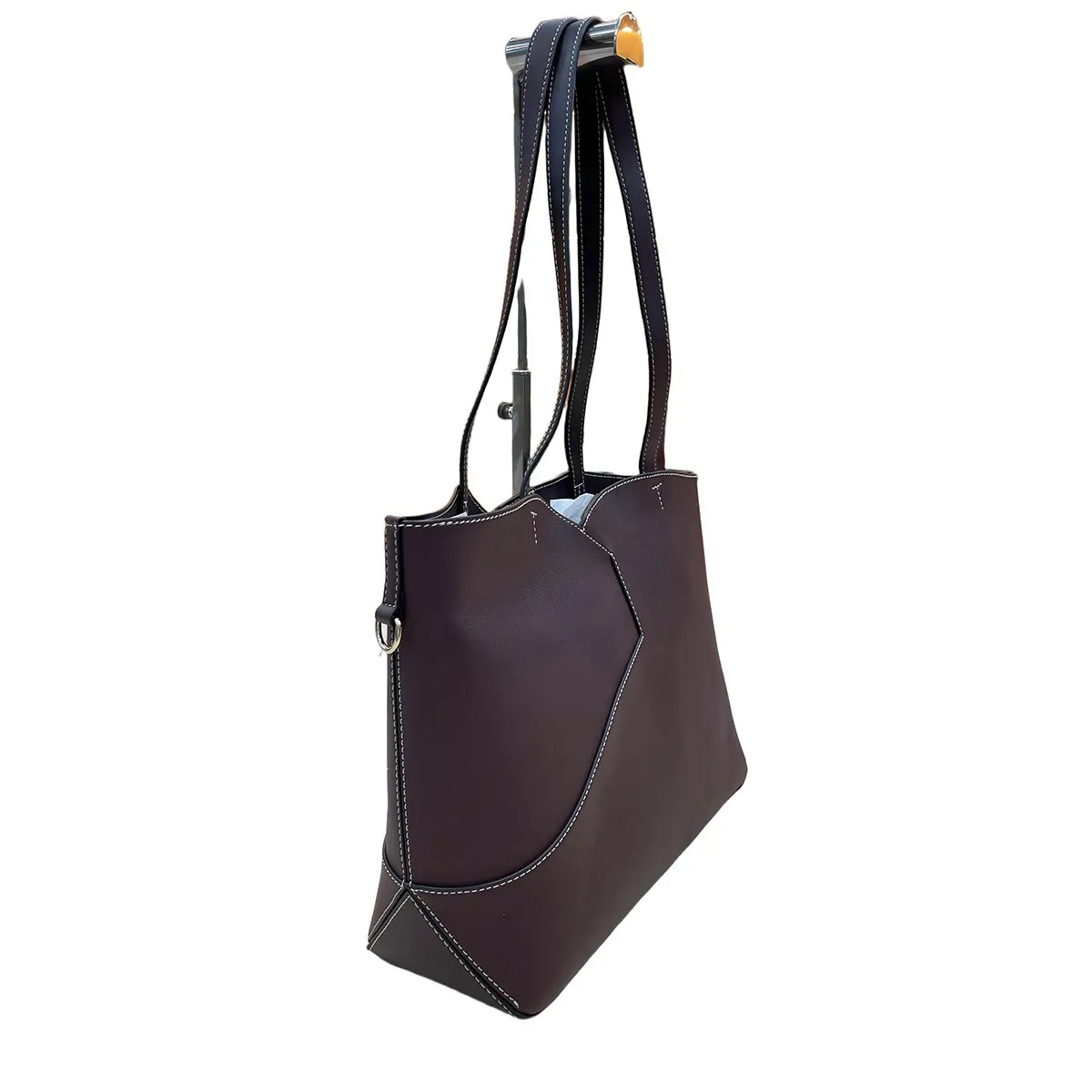
Custom Leather Work Tote Bag for Business Carry
Get A Quote→WhatsApp
Custom Pebbled Genuine Leather Everyday Tote for Reorders
Get A Quote→WhatsApp
Custom Genuine Leather Shopper Tote for Casual Retail and Daily Carry
Get A Quote→WhatsApp
Custom Leather Shopper Tote Bag for Everyday Retail
Get A Quote→WhatsApp
Custom Genuine Leather Everyday Tote for Logo Programs
Get A Quote→WhatsApp
Custom Genuine Leather Multi-Pocket Tote Bag for Workdays
Get A Quote→WhatsApp
Custom Genuine Leather Everyday Tote for Retail and Private Label
Get A Quote→WhatsApp
Custom Soft Leather Everyday Tote Bag for Retail Collections
Get A Quote→WhatsApp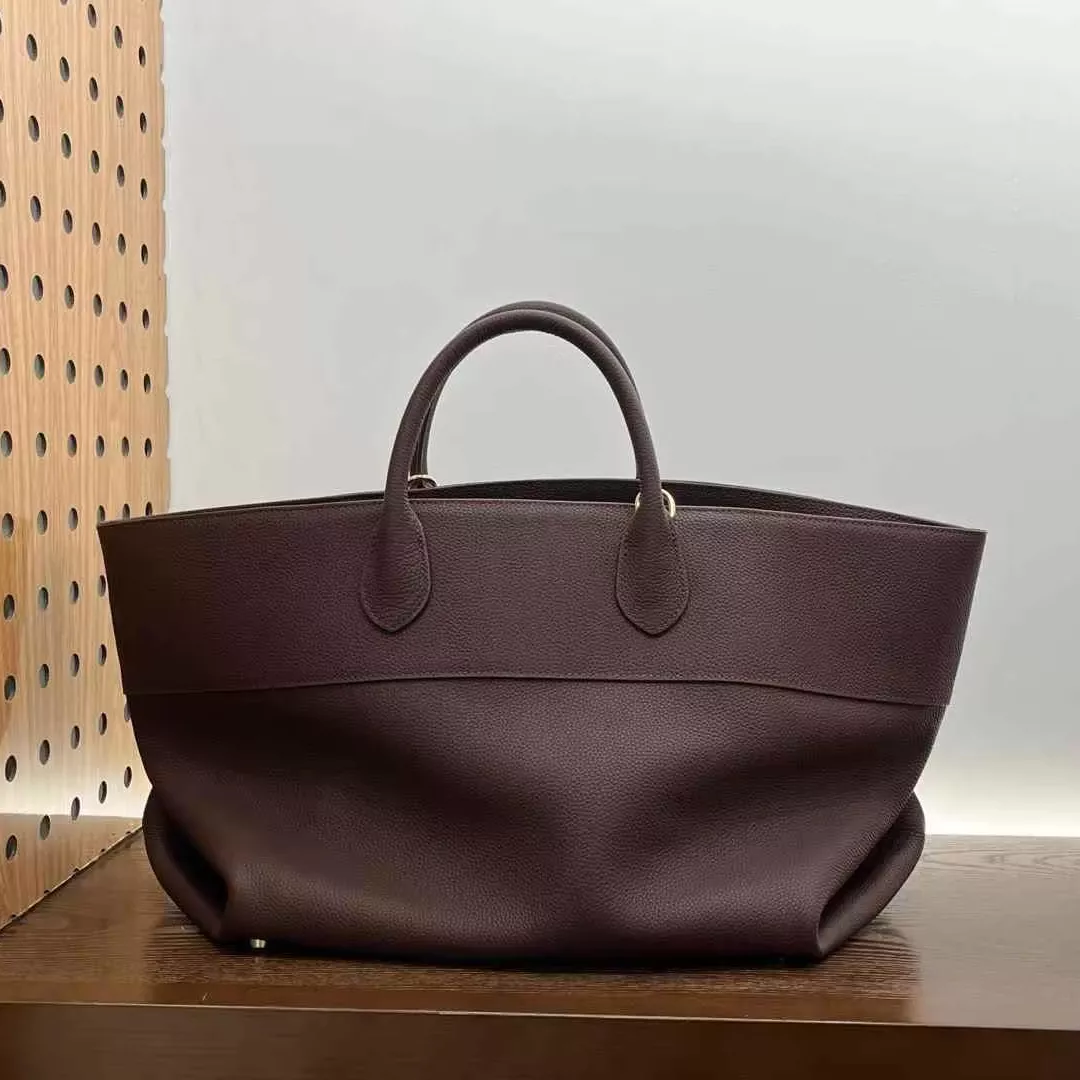
Custom Large Leather Everyday Tote with Stable Loaded Base
Get A Quote→WhatsApp
Custom Large Everyday Leather Tote for Flexible Work Carry
Get A Quote→WhatsApp
Custom Woven Leather Hobo Tote for Workday Carry
Get A Quote→WhatsApp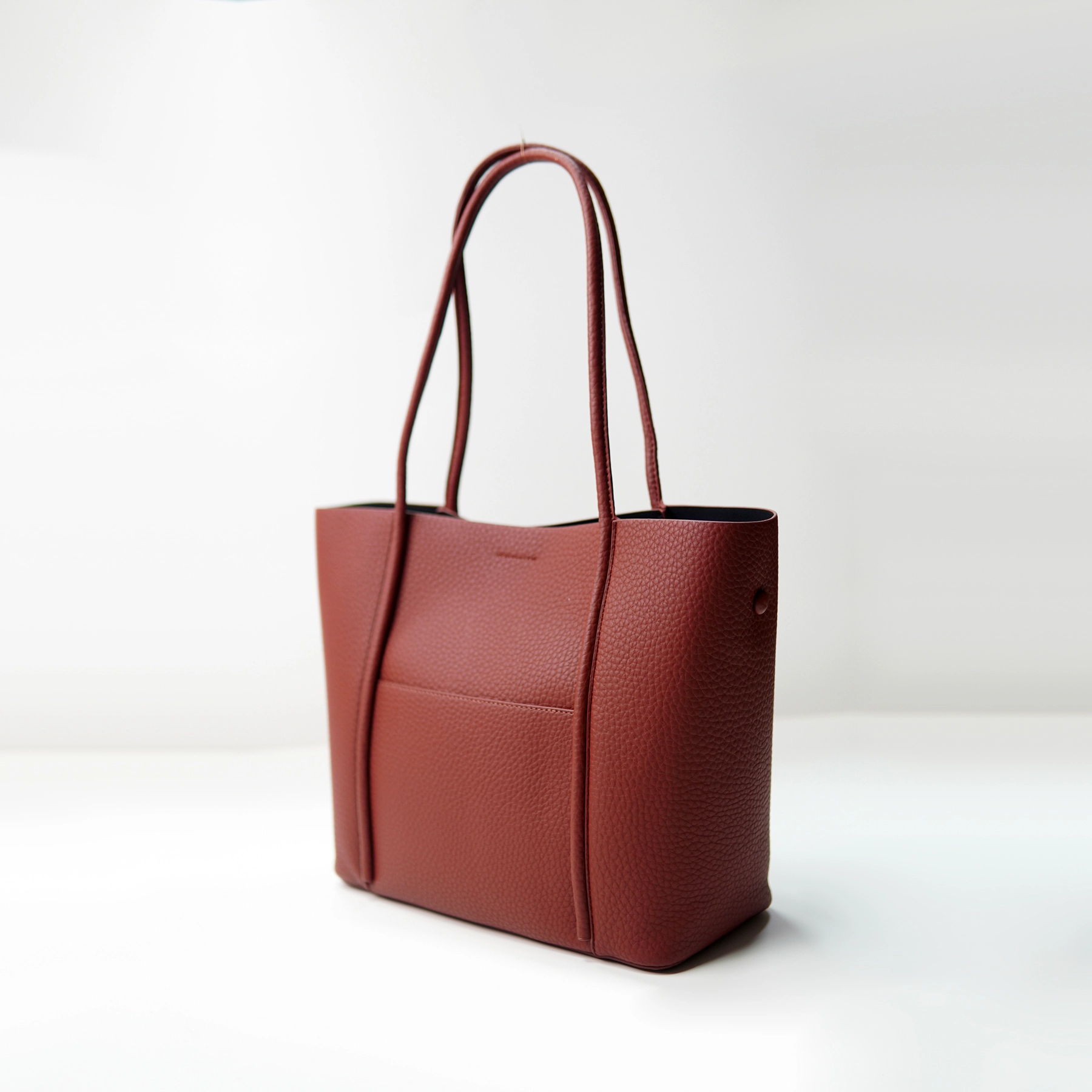
Custom Pebbled Leather Tote Bag for Consistent Reorder Programs
Get A Quote→WhatsApp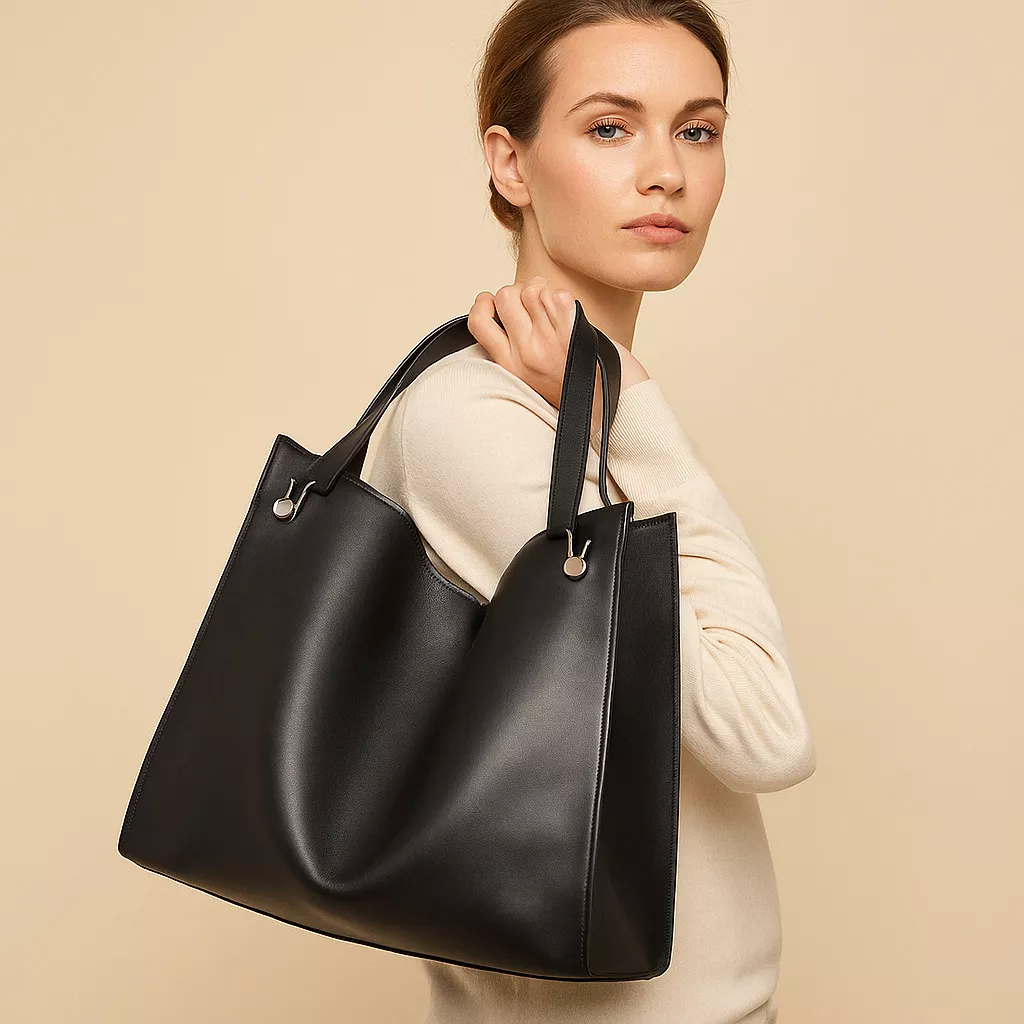
Custom Black Leather Tote Bag for Everyday Retail Collections
Get A Quote→WhatsApp
Custom Genuine Leather Bucket Tote for Everyday Carry
Get A Quote→WhatsApp
Custom Pebbled Leather Everyday Tote for Commuter Retail Collections
Get A Quote→WhatsApp
Custom Genuine Leather Everyday Tote Bag with Stable Base
Get A Quote→WhatsApp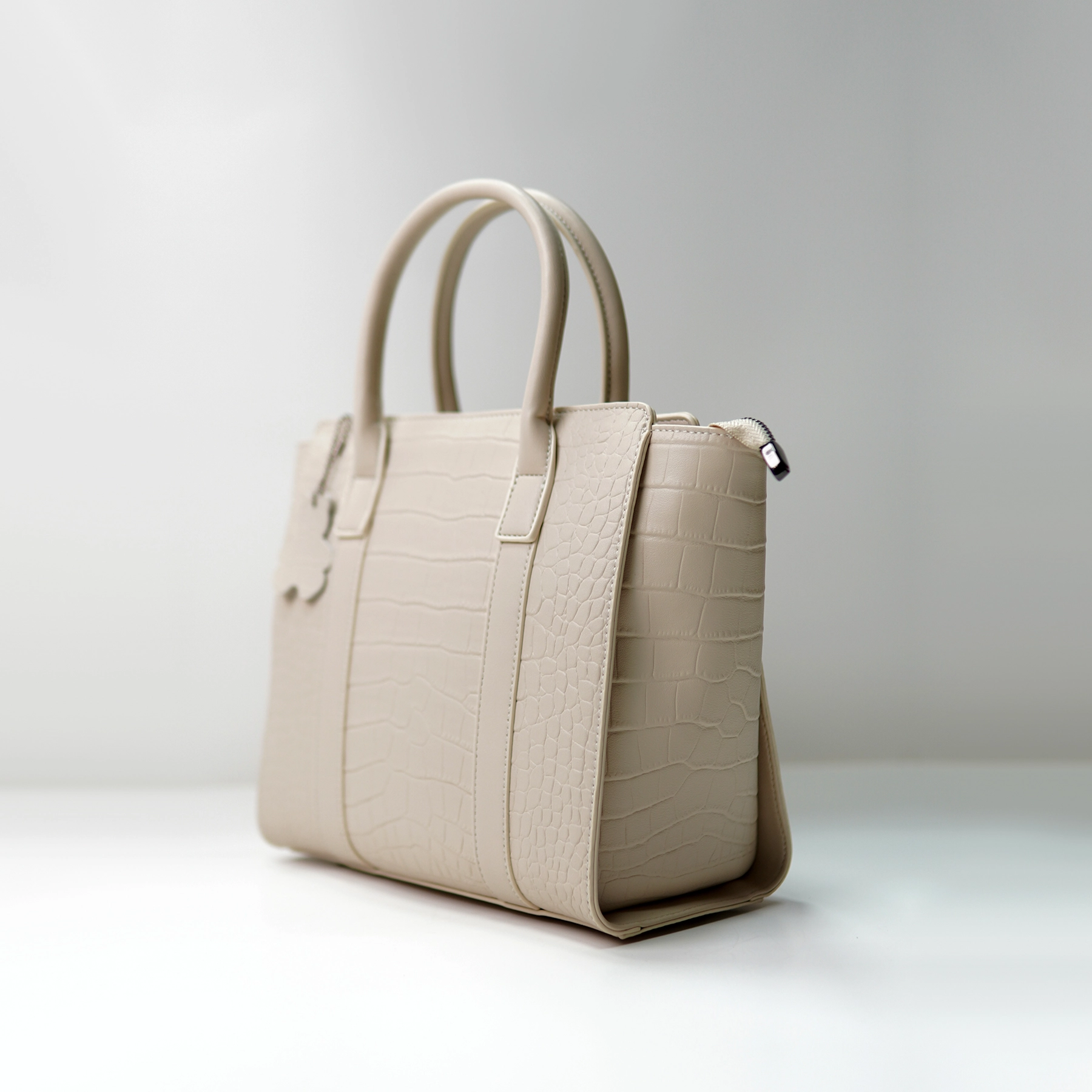
Custom Embossed Leather Everyday Tote with Broad Logo Panels
Get A Quote→WhatsApp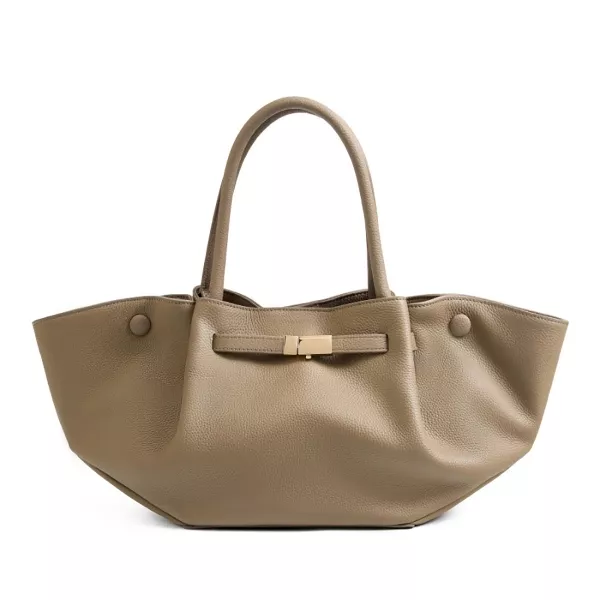
Custom Genuine Leather Large Everyday Tote with Foldable Structure
Get A Quote→WhatsApp
Custom Genuine Leather Everyday Bucket Tote for Women
Get A Quote→WhatsApp
Custom Black Pebbled Leather Tote for Retail and Work Carry
Get A Quote→WhatsApp
Custom Structured Leather Everyday Tote Bag for Wholesale
Get A Quote→WhatsApp
Custom Embossed Leather Everyday Tote for Flexible Loading Access
Get A Quote→WhatsApp
Custom Black Leather Everyday Tote with Stable Base
Get A Quote→WhatsApp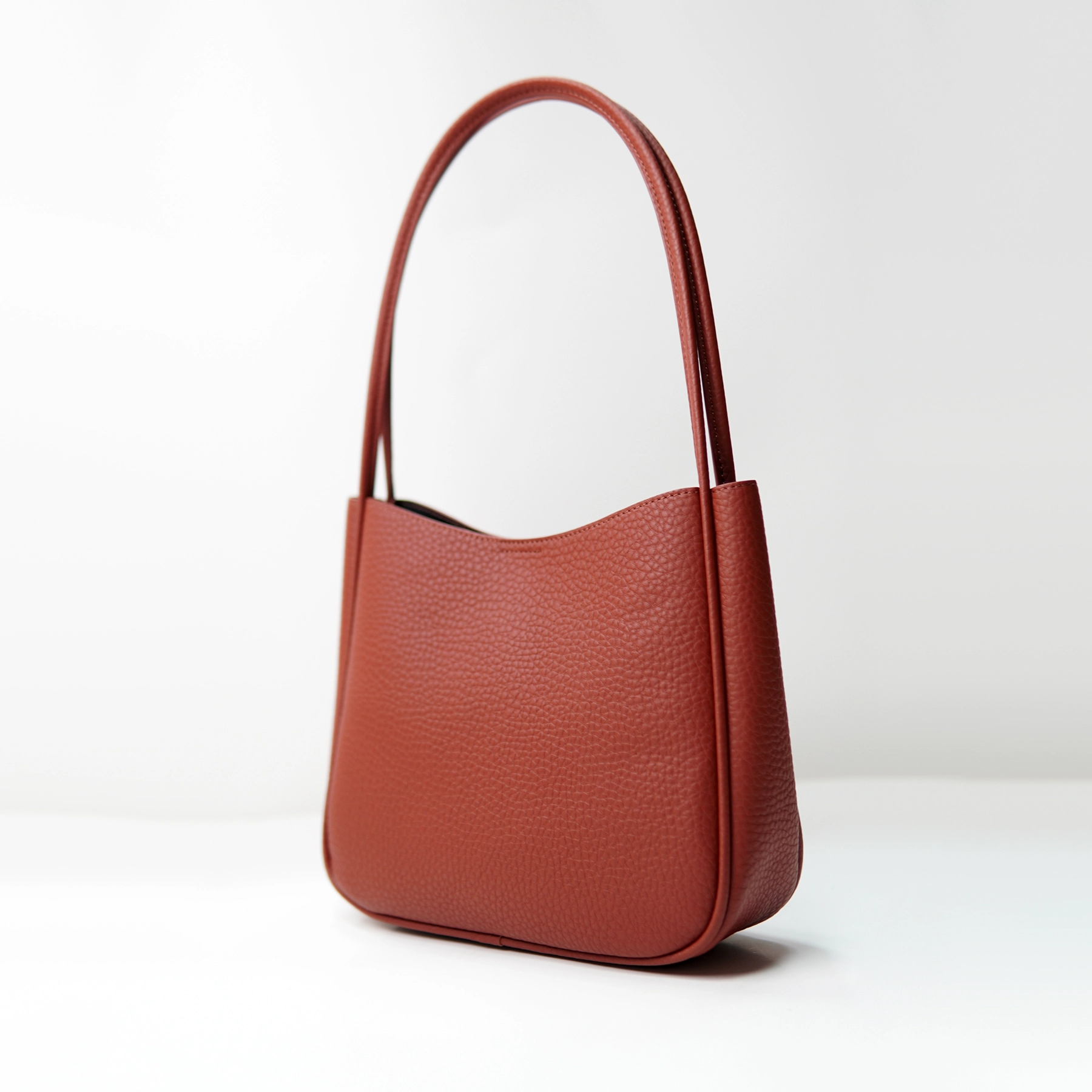
Custom Pebbled Leather Everyday Tote with Twin Handles
Get A Quote→WhatsApp
Custom Minimalist Leather Tote with Reinforced Shoulder Handles
Get A Quote→WhatsApp
Custom Woven Genuine Leather Tote for Stable Everyday Carry
Get A Quote→WhatsAppCustom Leather Tote Bags Built Around Tote Load Paths
Development decisions focus on panel behavior, base support and handle anchoring before your approved sample becomes the production reference.
Purposeful Leather Panels
Select leather panels by hand feel, thickness, grain direction, color and intended tote shape, then confirm the material route through sampling.
Supported Tote Bases
Develop base support around the intended capacity and silhouette, helping the tote maintain its planned form during everyday carrying.
Reinforced Handle Anchors
Specify handle length, attachment construction, backing and reinforcement details for hand carry or shoulder carry before bulk assembly begins.
Pattern-Led Prototyping
Turn sketches, references or tech packs into tote-specific patterns that define proportions, pocket layout, seams and construction details.
Sample-Based Approval
Review leather, hardware, branding, measurements and assembly on a sample, then retain approved specifications to guide repeatable production.
Custom Bags Built for Every Carry Need
Develop product lines across tote, leather, travel and specialist carry formats with one development team handling materials, patterns, structure and production.
Custom Tote Bag Manufacturer — 100-Piece MOQ | Yeenkran
Explore the verified related manufacturing and approval program.
Explore Program
Bag Material Sourcing Service — 100-Piece MOQ | Yeenkran
Explore the verified related manufacturing and approval program.
Explore Program
Bag Quality Control Process for OEM Production | Yeenkran
Explore the verified related manufacturing and approval program.
Explore Program
Bag Quality Control Checklist: OEM Approval Guide 2026
Explore the verified related manufacturing and approval program.
Explore Program
Genuine Leather or PU Leather Totes: A Procurement Comparison
Composition evidence, panel consistency and edge/lining construction, no superiority claims.
Read the Buyer GuideCanvas or Leather Totes: Match Material to a Retail Program
Retail-program carry/use/price-position decisions, distinct from genuine-vs-PU chemistry.
Read the Buyer GuideLeather Tote Panels, Lining and Base Support: Sample Review Guide
Panel support, seam bulk, lining attachment and packed base stability checklist.
Read the Buyer GuideBag Color Collections: Pantone References and Component Approval
One color-control decision page consolidates color keyword variants; do not publish color-only pages.
Read the Buyer GuideCustom Leather Tote Bags: Material Options for Your Program

Genuine Leather
Available in different grains, finishes, and thicknesses for elevated everyday, work, or retail totes. Physical swatches help confirm the hand-feel, color, surface character, and panel suitability before tote patterns are finalized.

PU Vegan Leather
A consistent-surface option for fashion-led tote programs requiring defined color and texture direction. PU and vegan leather can be reviewed for softness, grain, finish, and compatibility with reinforcement, branding, and lining choices.

Canvas Leather Combinations
Canvas bodies paired with leather handles, trims, or base panels create a mixed-material tote direction. The canvas contributes a casual textile hand-feel, while leather details can define carrying points, edge treatment, and visual contrast.
Base Support Components
Foam, structural panels, and reinforcement materials can be specified for the tote base, opening, and handle attachment areas. Their thickness and firmness affect how the bag holds its shape when packed and carried.
Branding Processes for Custom Leather Tote Bags
Debossed Branding
A recessed logo pressed into selected leather panels creates a quiet, tactile mark. It suits minimalist custom leather tote bags where the grain, panel placement and logo scale should remain the focus.
Laser Engraving
Laser engraving creates precise linework or lettering on suitable leather components. It works best when artwork needs controlled detail, while the proposed placement is reviewed around seams, folds and reinforced handle areas.

Embroidered Details
Embroidery adds visible thread texture for textile panels, patches or selected mixed-material tote designs. The team reviews stitch density, artwork simplification and backing needs so the finish supports the intended surface and shape.
Screen Printed Graphics
Screen printing can deliver clear, graphic branding on appropriate flat textile or mixed-material panels. Artwork color count, surface compatibility and logo position are evaluated during development before the process is approved for production.
Custom Logo Patches
Leather, woven or other custom patches create a defined branded focal point without covering the entire tote panel. Patch dimensions, edge finish, attachment method and placement are specified against the approved sample.

Metal Logo Hardware
Metal branding can add a structured, elevated signature through logo plates, lettering or branded hardware. The specification should confirm size, finish, attachment position and how the component integrates with the tote’s leather panels.
Custom Leather Tote Bags: Hardware, Labels and Functional Details

Zippers and Snaps
Choose zipper closures, magnetic snaps or press studs according to access needs and silhouette. We review placement, pull style, finish and attachment method alongside the tote’s leather panels and lining.
Base Feet Rivets
Metal feet help protect the base surface, while rivets can reinforce handle anchors and selected stress points. Finish, placement and visibility are confirmed during sampling to suit the intended construction.

Shoulder Straps Webbing
Add detachable shoulder straps, adjustable webbing or leather strap options for flexible carry. Attachment hardware, strap width and reinforcement requirements are developed around the tote’s load path and intended use.
Woven Brand Labels
Woven labels, leather labels and metal branding can identify your private-label collection inside or outside the tote. Logo detail, position and application method should be approved with the material and sample.
Hangtags and Packaging
Complete retail presentation with custom hangtags, dust bags, branded boxes and export carton instructions. Packaging files and packing requirements are reviewed before bulk packing so each custom leather tote bag program remains consistent.
About Yeenkran, a China Custom Leather Tote Bag Manufacturer
Founded in Wuhan, China, in 2010, Yeenkran began as a cutting and sewing workshop and grew into a manufacturer for international bag and accessory brands. We help buyers turn a sketch, reference sample, mood board, or finished tech pack into production-ready custom leather tote bags with clear construction decisions.
Our one-stop workflow brings together tote-specific pattern development, material and hardware sourcing, sampling, cutting, sewing, quality control, branding, packing, and export coordination. For leather totes, the team reviews panel layout, base support, handle reinforcement, capacity, pockets, hardware, and target cost before the sample becomes the bulk-production reference.
Yeenkran is built for repeatable development, not generic leather handbags. Approved patterns, material specifications, and sample records support consistent reorders, while our team helps brands compare leather, lining, structural components, decoration, and packaging choices against the intended use and order requirements.
Custom Leather Tote Bags Engineered Beyond the Outer Leather
Patterns Built Around Carry
Yeenkran converts a tech pack, sketch, reference sample, or early concept into tote-specific patterns that define proportions, opening, gusset, pocket layout, and carrying use. Prototype reviews refine shape and assembly before the construction is prepared for bulk production.
- Tote dimensions, capacity, and opening reviewed together
- Interior pockets, closures, and gusset construction specified
- Prototype feedback translated into production-ready details
Reinforcement Where Totes Work
Custom leather tote bags are developed around their load paths, not just their surface appearance. The team evaluates base support, handle attachment, reinforced seams, panel structure, and lining integration so the proposed construction matches the intended carry use.
- Base support matched to the selected tote structure
- Handle joins planned for reinforcement and clean finishing
- Stress points reviewed during pattern and sample development
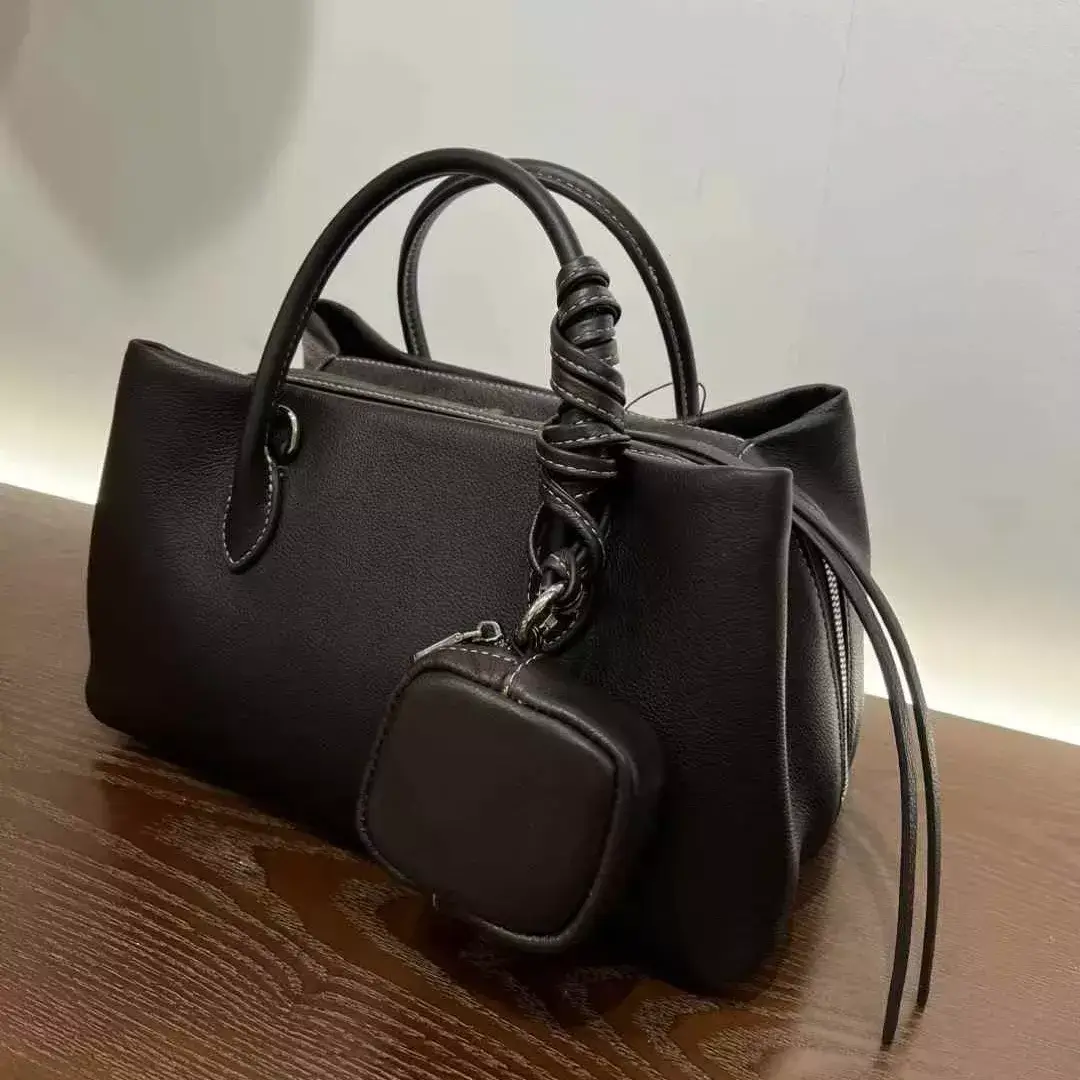
Materials and Hardware Matched
Leather, lining, structural components, and hardware are considered as one build. Yeenkran helps compare genuine leather, PU, vegan leather, and mixed-material options by hand feel, weight, target cost, order volume, and the tote’s intended positioning.
- Leather and lining options reviewed against the brief
- Hardware, zipper pulls, rivets, and labels coordinated
- Swatches and sample bags available before bulk confirmation

Approval Records for Reorders
Once the tote sample is approved, Yeenkran retains the agreed pattern, material specifications, and sample records to support consistent reorders. This gives buyers a practical reference when repeating a proven style or developing coordinated bag collections.
- Approved patterns retained for repeat production
- Material and construction decisions recorded
- Sample standard supports production and quality checks
Why Choose Yeenkran for Custom Leather Tote Bags
A tote-specific development route that defines panels, load paths, approvals and reorder records before bulk production.
← Swipe left or right to view →
Custom Leather Tote Bags: From Brief to Bulk
A controlled tote-specific workflow that aligns leather panels, base support, handle reinforcement, approved samples and export-ready packing.
Review Tote Feasibility
Share your reference, dimensions, carrying use, target quantity and branding. We assess leather direction, load paths, base structure, handles, pockets, hardware and packaging requirements.
Source Materials and Components
We compare genuine leather, vegan leather, linings, reinforcements and hardware against hand feel, construction needs, color direction, target cost and confirmed order volume.
Engineer Patterns and Sample
Our team develops tote-specific patterns, leather panel layouts, base support and handle attachment details, then produces a sample for your review and revision feedback.
Confirm Production Standard
After sample approval, we confirm the agreed material specifications, measurements, branding placement, construction details, packaging and quantity before arranging bulk custom leather tote bags production.
Manufacture and Inspect
Production covers cutting, sewing, bonding, reinforcement, hardware installation and finishing. In-line checks and final inspection review construction, measurements, decoration, appearance and packing requirements.
Pack and Coordinate Shipping
Finished totes are packed according to confirmed retail or export requirements. We coordinate balance payment, export packing and shipment handoff with your selected logistics arrangement.
Start Your Custom Leather Tote Bags Project
Move from a clear concept to a repeatable tote specification with approvals focused on leather panels, base support, handle reinforcement and branded finishing.
Send Your Tote Brief
Share a tech pack, sketch, reference sample, photograph or concept with target dimensions, carry use, leather direction, pocket layout, branding, packaging and expected quantity.
Confirm Construction and Quote
Review tote-specific panel layout, base structure, handle attachment reinforcement, lining, hardware and material options with Yeenkran before confirming the workable specification and quotation.
Approve the Development Sample
Evaluate the sample for shape, measurements, leather hand feel, handle comfort, logo execution, stitching and packing details; provide revisions until the production standard is confirmed.
Release Bulk Production
Confirm the approved sample, specifications and order details for bulk production. Yeenkran manages material checks, in-line construction review, final inspection, packing and export coordination.
Documentation Checks for custom leather tote bags
Request reports relevant to the approved shell, lining, coating, hardware or decoration for the custom leather tote bags specification.
Review the factory, production and quality records that apply to the confirmed manufacturing program.
Define required declarations or testing before sampling so the quotation reflects the destination market.
When recycled or specifically sourced materials are selected, request supplier records matched to the actual order.
Confirm fiber, care, packaging, carton marks and labeling information for the buyer’s sales channel.
Buyer Approval Priorities for Custom Leather Tote Bag Manufacturer
Buyer review framework — not a named customer quote.
Confirm the Working Sample
Review the dimensions, access, construction, material references and branding decisions for this specific program before approving the sample.
Keep the Approval Evidence
Retain the agreed bill of materials, approved patterns, swatches and change records so the production team and buyer use the same reference.
Coordinate the Production File
Record sourcing, sewing, decoration, inspection and packing requirements in one project file rather than treating a reference photo as the specification.
Custom Leather Tote Bags FAQ
Clear answers for OEM, private-label and wholesale tote development with Yeenkran.
What is the MOQ for custom leather tote bags?
Can I order a sample before bulk production of custom leather tote bags?
Which leather and lining options can you source for a tote bag?
How do you reinforce handles and bases on custom leather tote bags?
What information do I need to receive a quotation?
What affects the production timeline for custom leather tote bags?
What payment terms are available for a first tote order?
Can Yeenkran support private-label packing and international shipping?
Custom Leather Tote Bags: Build the Carry System Before the Look
A tote-specific OEM, ODM, or private-label brief for buyers who need panel stability, a supported base, and handle reinforcement defined before sampling.
Start with the tote’s load scenario, not a handbag reference
A custom leather tote bag should be specified as a carry system, not as a generic leather handbag with two longer handles. The first decision is what the bag is expected to carry and how it will be used: a light daily shoulder tote, a work tote carrying a device and papers, a travel companion, or a retail piece intended primarily for appearance.
Yeenkran can discuss OEM, ODM, and private-label bag projects through its in-house pattern, sampling, cutting, sewing, finishing, and QC functions. For this page, the useful starting point is a tote brief that isolates these tote-specific choices rather than reusing the requirements of a small handbag.
Define the job in one approval sentence
Write a sentence that captures the intended carried contents, carry mode, silhouette when loaded, and closure expectation.
- State whether the tote is shoulder-carried, hand-carried, or both.
- Name the buyer-defined contents and any interior item that needs its own pocket.
- State whether a relaxed body, semi-structured body, or structured upright profile is intended.
- Identify whether the opening must remain accessible, secured, or convertible.
Choose leather and panel behavior as one decision
“Leather” is not a complete material instruction. Buyers should request the exact material category and finish proposal, then judge it in the same panel size and construction that bulk will use. Surface appearance, feel, edge treatment, lining choice, and panel support all interact.
Separate the exterior material decision from the structural decision. Ask which panels will have backing, interlining, reinforcement, or no added support, and where those layers stop.
Compare the three silhouette routes in a sample review
The comparison below is a design-and-approval framework, not a claim about universal performance.
| Route | What the buyer is prioritizing | Construction questions to approve | Sample observation |
|---|---|---|---|
| Relaxed carryall | Drape, lighter visual structure, easy access | Which panels receive support; how will the top edge and handle roots be stabilized? | Check corner collapse, opening shape, and whether contents visibly distort the body. |
| Semi-structured tote | Balance of softness and a controlled outline | Where do backing or reinforcements begin and end; how is the base defined? | Check front-panel appearance, gusset folds, and standing behavior on a flat surface. |
| Structured work tote | A deliberate upright silhouette and organization | How are body, base, divider, closure, and handle anchors coordinated? | Check whether closure alignment, pocket access, and handle movement remain clean when filled. |
Specify the base before approving the body shape
The base is the tote’s most consequential hidden construction area. It influences whether the bag sits level, how the gussets open, how the body meets the corners, and whether the intended silhouette survives normal use. A broad, open tote with a simple body can still need a deliberate base plan; conversely, an overly rigid base can conflict with a soft, folded design.
Call out base dimensions, corner geometry, whether a separate base panel is visible, the desired interior finish, and whether feet, piping, or edge treatment are requested.
Base approval actions
Ask for views of the exterior base, interior base, both lower corners, and the bag resting with the buyer-defined contents inside.
- Mark the base width, length, and corner treatment on the technical drawing.
- State whether the tote must stand, may lean, or is intentionally soft.
- Identify the intended base-support method as a proposal requiring sample confirmation.
- Approve hardware placement and underside finish separately from the main body.
- Retain the approved physical sample as the reference for later production comparison.
Engineer the handles where force enters the tote
Handle length is only the visible part of the carry system. For custom leather tote bags, the handle root, attachment path, stitching layout, reinforcement panel, and edge construction deserve a separate callout. A tote may look correct on a flat table yet show pulling, twisting, unattractive rippling, or uncomfortable carry when the handles are used.
Provide a handle-drop measurement, handle width, cross-section or fold instruction, edge finish expectation, attachment location, and whether hand and shoulder carrying are both required.
Turn “reinforced” into inspectable fields
The word “reinforced” is too vague for an RFQ. It should be converted into documented locations and visible sample checks.
- Measure handle drop from the finished upper edge.
- Mark the centerline and spacing of each handle root.
- Request internal and external attachment descriptions.
- State whether visible topstitching is decorative, functional-looking, or intentionally absent.
- Photograph approved sample details for reference, while treating the physical sample and written specification as controlling.
Design the opening, lining, and pockets around real access
A tote’s usability is decided at the opening. Open top, magnetic closure, zipper closure, recessed zip, tab closure, or another arrangement should be selected together with handle position and intended contents. A secure closure can reduce immediate access; a wide open top can improve access while exposing contents; a recessed closure changes how the gussets and lining behave. ”
Interior architecture should be organized around use, not added as a generic list of pockets.
Resolve the access conflicts before sample revision
Put the following questions on the sample review sheet. They expose conflicts that a flat artwork file often misses: Does the handle fall across the closure? Does the closure catch the lining or pocket edge?
Approve branding and finishing on the actual tote material
Logo placement is a material-and-construction decision, not merely an artwork decision. A deboss, emboss, print, foil, metal element, patch, label, or woven mark can alter panel support, edge treatment, seam placement, and visual balance. Supply vector artwork, brand-color references where applicable, target position with reference edges, orientation, maximum artwork area, and acceptable appearance variation.
Sample sign-off should have controlled versions
Issue a dated approval record that identifies the sample version, material swatch or code, color reference, artwork revision, hardware finish, measurements, construction exceptions, and packaging version. State clearly which changes require a revised sample.
- Approve logo location from fixed reference points, not from an unmeasured visual description.
- Keep material and edge-finish swatches with the signed sample record.
- Assign a revision number to artwork, technical pack, and packaging artwork.
- Record deviations explicitly; silence should not be interpreted as approval.
Send an RFQ that can be sampled without guesswork
A quote request should make clear whether you need an OEM build from your design, adaptation of an ODM starting point, or private-label customization. Yeenkran states a starting MOQ of 100 units per style and color, subject to approved material and craft minimums. Treat that as a project discussion point: confirm the applicable minimum after the leather, color, hardware, logo method, and construction are defined.
Exact RFQ and approval checklist
Complete every applicable field, attach drawings and artwork, and identify what must be approved on the physical sample.
| RFQ field | Buyer must provide | Supplier response or approval evidence |
|---|---|---|
| Program route | OEM, ODM, or private label; style name and revision | Feasibility questions and proposed development path. |
| Tote geometry | Finished width, height, depth, opening shape, gussets, base dimensions, and tolerance requirements if used | Pattern proposal and measured sample record. |
| Exterior and support | Required leather category/finish or material reference; intended panel behavior; approved color reference | Material option, swatch/code, panel-support proposal, and any stated minimum. |
| Base system | Standing or relaxed behavior; separate panel, insert, feet, piping, and interior-base expectation | Annotated base construction proposal and sample photos plus physical sample review. |
| Handles | Drop, width, profile, attachment points, carry modes, visible-stitching expectation | Attachment and reinforcement proposal; measured, carried sample for approval. |
| Opening and interior | Closure, lining, pocket map, pocket functions, divider or device-compartment requirements | Interior layout drawing and access check on sample. |
| Brand and trim | Vector artwork, method preference, position, labels, hardware and zipper finishes | Method recommendation, placement proof, strike-off or applied sample approval. |
| Packing and quantity | Quantity by style/color, individual packing, carton marks, destination requirements | Applicable MOQ confirmation, packaging proposal, and quote assumptions. |
| Quality record | Buyer’s inspection points, defect language, sample retention, and approval authority | QC checkpoint proposal and named approved-sample reference. |
Move from technical review to a controlled sample decision
The practical next step is not broad approval of “the tote.” It is approval of a documented sample version against the tote’s specific decisions: panel behavior, base support, handle attachment, opening access, lining and pocket usability, logo execution, hardware, and packing.
For a project inquiry, provide the RFQ fields above, reference materials, quantity by color, and the buyer’s required approvals.
- Approve the physical pre-production sample as the controlling product reference.
- Keep the signed specification, artwork revisions, swatches, and packaging files together.
- Confirm material/craft minimums after the tote construction is finalized.
- Escalate any unverified composition, performance, or certification requirement into a document request before ordering.
Start Your Custom Leather Tote Bag Sample
Send your tech pack or reference, quantity, material direction and branding requirements for a tote-specific development review and custom bag quote.