
PU Leather Tote Bag Manufacturer for OEM Development
Yeenkran develops custom PU leather tote bodies, linings, edge finishes and private-label details, with MOQ starting at 100 units per style and color.
Product References for Custom PU Leather Tote Bag Manufacturer


Product Directions for Custom PU Leather Tote Bag Manufacturer
These published references illustrate development directions, not ready-stock or fixed-specification promises. Final material, dimensions, performance and branding require approved samples.
Why Brands Choose Yeenkran as Their PU Leather Tote Bag Manufacturer
From first pattern to export packing, Yeenkran develops PU tote programs around confirmed construction, materials, branding, and production controls.
Pattern-Led Development
We translate sketches, references, or tech packs into production-ready tote patterns, reviewing dimensions, handle drop, pocket layout, and assembly details.
PU Material Matching
Compare PU surfaces, lining options, reinforcement materials, and structural components against your intended hand feel, appearance, use case, and target cost.
Reinforced Tote Construction
Specify handle attachment, base support, edge finishing, seams, closures, and interior organization before sampling, so visible details align with practical construction.
Branding and Packaging
Apply logos through suitable decoration methods and coordinate woven labels, metal labels, hangtags, dust bags, branded boxes, and export cartons.
Defined QC Checkpoints
Incoming materials, in-line construction, measurements, decoration, final appearance, and packing are checked against approved sample and specification records.
Export-Ready Coordination
One team coordinates sampling, bulk production, inspection, packing, balance payment, and shipping preparation for international PU tote bag orders.
PU Tote Styles and More
Develop coordinated bag programs with one team managing patterns, materials, construction details, branding, sampling, and repeatable bulk production.
Custom Tote Bag Manufacturer — 100-Piece MOQ | Yeenkran
Explore the verified related manufacturing and approval program.
Explore Program
Bag Material Sourcing Service — 100-Piece MOQ | Yeenkran
Explore the verified related manufacturing and approval program.
Explore Program
Bag Quality Control Process for OEM Production | Yeenkran
Explore the verified related manufacturing and approval program.
Explore Program
Bag Quality Control Checklist: OEM Approval Guide 2026
Explore the verified related manufacturing and approval program.
Explore ProgramPU Leather Tote Bag Manufacturer Materials & Components
Smooth PU Leather
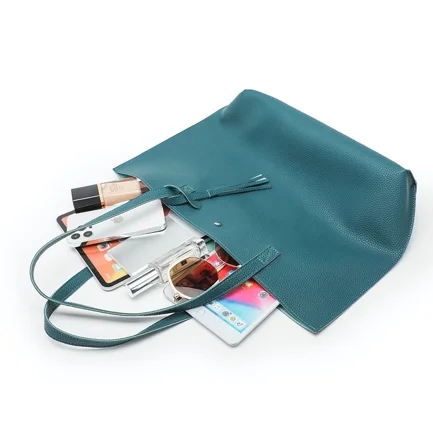
A clean, even-faced PU for structured daily, work and retail totes. Its controlled hand feel supports consistent color selection; confirm thickness, backing and surface finish during material approval.
Textured Vegan Leather
Grained, saffiano-style or other textured vegan-leather options suit fashion totes needing a more tactile exterior. Surface texture can change the perceived firmness and appearance, so approve swatches under intended lighting.


Foam Reinforcement
Foam layers add cushioning and controlled body to laptop sections, handles or selected panels. Density and thickness affect shape retention and hand feel, requiring confirmation against the tote’s intended contents.
Base Board Support
Base boards help a PU tote hold its intended bottom profile when packed. Material and thickness are selected around silhouette, capacity and desired firmness, then checked in the approved construction sample.
Edge Paint System
Edge paint finishes exposed PU edges on handles, straps and panel joins for a defined appearance. Color, build-up and application sequence should be approved with the material and construction details.
PU Leather Tote Bag Manufacturer: Logo & Surface Finishing Options
Screen Printing
Screen printing applies defined artwork to compatible PU panels for clear graphic coverage. We review surface texture, print area and flex points during sampling so the visual result suits the confirmed tote construction.
Heat Transfer
Heat transfer is evaluated for detailed logos or color-rich artwork on selected PU tote areas. Sample approval helps confirm placement, finish and how the decoration integrates with panel seams and intended use.
Laser Engraving
Laser engraving creates a precise branded mark on suitable PU surfaces or selected components. It is best assessed against the material finish, logo scale and placement before production-ready samples are approved.

Metal Branding
Metal branding can add a defined focal point through logo plates, lettering or branded hardware. Yeenkran coordinates the proposed finish, attachment method and location with the tote pattern and reinforcement requirements.

Embroidery Details
Embroidery adds dimension through stitched logos, motifs or patches on compatible tote sections. The team reviews stitch area, backing, panel structure and nearby seams so the decoration supports the approved construction.

Woven Labels
Woven labels provide a durable branding detail for interiors, seams or selected exterior placements. Label size, fold style, artwork and sewing position are confirmed with the lining and body assembly during sampling.
Hardware, Closures & Branding Accessories
Zippers and Pulls
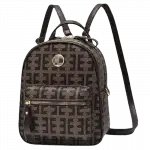
Choose zipper type, tape color, pull shape, and finish for top openings or interior pockets. Custom pulls can reinforce a private-label identity while the selected closure is reviewed with the tote’s panel construction.
Snaps and Rivets
Magnetic snaps, press snaps, and rivets can secure openings or reinforce handle and strap connection points. Their position, finish, and attachment method should be confirmed during sampling for the selected PU leather tote construction.

D-Rings and Webbing
D-rings, buckles, and webbing support detachable straps, adjustable carry options, or utility details. Yeenkran can source coordinated hardware and strap components based on the intended load, silhouette, color direction, and approved sample.

Woven Brand Labels
Woven labels and interior brand labels provide a consistent identity inside a private-label tote. Specify label artwork, placement, fold style, and attachment details early so the pattern and lining assembly accommodate the selected label.

Hangtags and Dust Bags
Custom hangtags and dust bags add a finished retail presentation for fashion and lifestyle programs. Share artwork, material preference, attachment method, and packing requirements so they can be reviewed alongside the approved PU tote sample.

Branded Retail Packaging
Branded boxes, tissue, barcode labels, polybags, and export cartons can be coordinated for your sales channel. Confirm package dimensions, artwork files, carton marks, and packing method before bulk production planning begins.
About Yeenkran, PU Leather Tote Bag Manufacturer
Founded in Wuhan, China, in 2010, Yeenkran helps global brands turn PU tote concepts into production-ready products. As a pu leather tote bag manufacturer, we support OEM, ODM, private-label and wholesale programs, beginning with a tech pack, sketch, reference sample, mood board or early product idea.
Our team brings material sourcing, pattern engineering, sampling, cutting, sewing, bonding, hardware installation, branding, packing and export coordination into one accountable workflow. For PU tote projects, we review body material, lining, edge construction, dimensions, handle design, pockets, logo treatment and packaging before prototypes move toward bulk approval.
Yeenkran’s development process is grounded in bag structure and production controls. Approved patterns, material specifications and sample records are retained to support repeatable reorders. MOQ starts at 100 units per style and color, subject to material minimums and construction complexity.

PU Leather Tote Bag Manufacturer Construction Capabilities
Pattern Engineering Before Cutting
Yeenkran reviews tote dimensions, carry capacity, handle drop, opening, pocket layout, material direction and target use before patterns are prepared. This enables the sample team to assess panel balance, assembly order and practical reinforcement requirements before bulk decisions are locked.
- Review sketches, reference samples or technical packs
- Define body panels, gussets, bases and handle placement
- Check pocket, closure and hardware clearances
- Retain approved pattern and sample records for reorders

Body and Lining Assembly
A PU tote requires more than an exterior material choice. Yeenkran develops the body, lining and internal structure as one assembly, considering the intended silhouette, opening method, pocket configuration and how seams, bindings or turned edges will be finished.
- Match lining construction to the tote’s intended use
- Plan internal pockets, dividers and zipper placement
- Assess structural components for the proposed shape
- Confirm assembly details in the development sample
Edges and Load Points
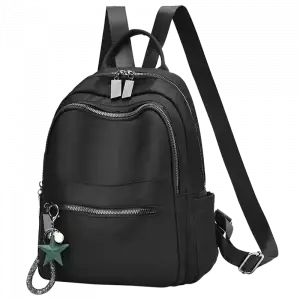
Edge treatment and reinforcement are reviewed where a tote receives repeated handling: handles, upper openings, base corners and attachment points. The proposed construction is evaluated alongside PU thickness, lining, hardware and carrying use so the visual finish and assembly approach are aligned.
- Specify edge finish direction and color
- Identify handle anchors and reinforcement zones
- Review base construction and corner treatment
- Confirm stitching, bonding and hardware placement
Pre-Production Approval Controls
Before bulk production, Yeenkran uses the approved sample and confirmed specifications to align materials, measurements, decoration, construction and packing expectations. In-line checks and final inspection then focus on the details approved for the specific PU tote program rather than a generic handbag standard.
- Approve material, color and lining direction
- Confirm measurements, logo position and hardware finish
- Review construction details against the approved sample
- Verify finished appearance and packing before shipment
PU Leather Tote Bag Manufacturer: RFQ Approval Matrix
Compare the approval points that keep PU tote materials, construction, branding and repeat orders aligned.
← Swipe left or right to view →
PU Leather Tote Bag Manufacturer: From Material Approval to Export Packing
A controlled route for turning an approved PU tote specification into a repeatable, retail-ready bulk order.
Review Feasibility and Brief
We assess your tote dimensions, capacity, target use, PU direction, lining, edge finish, pockets, hardware, branding, packaging, quantity, and target price.
Source Materials and Components
Our team compares PU surfaces, backing, lining, reinforcement, edge materials, zippers, handles, and hardware against the approved look, function, availability, and cost.
Engineer Pattern and Sample
Patterns and prototypes define panel shapes, seam allowances, handle attachment, lining construction, edge treatment, logo placement, and assembly sequence before buyer review.
Confirm Production Standard
Buyer feedback is incorporated into the sample, measurements, material specifications, trims, decoration, and packing details, creating the reference for bulk production.
Cut Assemble and Inspect
Approved materials move through cutting, bonding, sewing, reinforcement, hardware installation, finishing, and in-line checks for construction, measurements, appearance, and branding accuracy.
Pack and Ship Handoff
Finished totes receive final inspection and confirmed labels, dust bags or retail packaging, then are packed into export cartons for shipping coordination and handoff.
How to Start with a PU Leather Tote Bag Manufacturer
Move from a clear product reference to an approved production standard for your custom PU tote program.
Send Your Tote Brief
Share a tech pack, sketch, reference sample, or concept with dimensions, capacity, target quantity, logo direction, and intended retail positioning.
Confirm Construction Details
Review the PU body, lining, edge finish, handle attachment, opening, pocket layout, hardware, and branding method with Yeenkran before pattern development begins.
Review Quote and Sample
Confirm material and component choices, quotation scope, and sampling requirements, then assess the developed sample for shape, measurements, finish, and usability.
Approve Production Standard
Approve the final sample, material specifications, branding details, packaging, and order requirements so retained records can guide repeatable bulk production.
Coordinate Inspection and Shipment
Yeenkran completes in-line and final checks, verifies packing, then coordinates balance payment and export shipment details before the goods leave China.
Documentation Checks for pu leather tote bag manufacturer
Request reports relevant to the approved shell, lining, coating, hardware or decoration for the pu leather tote bag manufacturer specification.
Review the factory, production and quality records that apply to the confirmed manufacturing program.
Define required declarations or testing before sampling so the quotation reflects the destination market.
When recycled or specifically sourced materials are selected, request supplier records matched to the actual order.
Confirm fiber, care, packaging, carton marks and labeling information for the buyer’s sales channel.
Buyer Approval Priorities for Custom PU Leather Tote Bag Manufacturer
Buyer review framework — not a named customer quote.
Confirm the Working Sample
Review the dimensions, access, construction, material references and branding decisions for this specific program before approving the sample.
Keep the Approval Evidence
Retain the agreed bill of materials, approved patterns, swatches and change records so the production team and buyer use the same reference.
Coordinate the Production File
Record sourcing, sewing, decoration, inspection and packing requirements in one project file rather than treating a reference photo as the specification.
PU Leather Tote Bag Manufacturer FAQ
Practical answers on PU tote construction, sampling, MOQ, approvals and export coordination.
What is the MOQ from a PU leather tote bag manufacturer?
Can a PU leather tote bag manufacturer match a specific PU texture and edge finish?
What should I send a PU leather tote bag manufacturer for an accurate quote?
Can Yeenkran develop a PU tote from a sketch or reference bag?
How do you control body, lining and edge details on a PU tote?
What payment terms apply to a first custom PU tote order?
How long will PU tote sampling and bulk production take?
Can Yeenkran arrange export packing and shipping coordination?
Custom PU Leather Tote Bag Manufacturing: A Construction-First Buying Guide
For brands specifying lined PU tote programs, with body, lining, edge, handle, hardware and approval decisions kept separate from general vegan handbag sourcing.
Start with a tote specification, not a material label
Yeenkran can support OEM, ODM and private-label bag projects, with in-house pattern making, sampling, cutting, sewing, finishing and QC. For a PU leather tote, the useful first question is not simply whether the exterior is “PU leather.” It is whether the complete construction can deliver the intended carrying behavior, interior organization, opening control and visual finish. A tote may be open, zip-top, magnetic, gusseted, structured, reversible or soft; those choices change the pattern, reinforcement and material stack. Give the factory one intended use case per style: everyday work carry, retail shopping, travel, event gifting or fashion accessory. Then state what the customer is expected to carry, how the bag should stand or collapse, and whether a laptop, bottle, pouch or documents need defined spaces.
- Approve a dimensioned drawing before sampling: width, height, bottom depth, top width and handle drop.
- Define whether stated dimensions are outside finished dimensions and identify allowed measurement points.
- Name the style code, revision date and colorway on every drawing, material card and sample record.
Specify the PU body as a layered component
“PU” is not a complete purchasing specification. Ask the supplier to identify the proposed face appearance, backing or base construction, thickness range, surface grain or smooth finish, color reference and finish level. A soft drapey tote and a boxy upright tote may require different body behavior even when their surfaces look similar. Do not infer composition, coating quality, resistance or compliance from a swatch photograph or a product image. Request physical material swatches labelled with internal material codes. Review the chosen color in the lighting relevant to your retail or use environment, then retain a signed swatch as the reference. If the exterior includes contrast panels, decide whether they must match exactly or whether intentional tonal variation is acceptable. Record which surface direction faces outward at seams and folded edges.
- Attach or name the approved exterior swatch and color reference.
- Mark grain direction, panel placement and whether surface variation is acceptable.
- State the desired handfeel in observable terms such as supple, semi-structured or firm; avoid undefined claims such as premium.
Choose a lining and pocket system that works with the body
The lining determines more than color. It affects interior appearance, pocket shape, seam concealment, opening behavior and the feel of the bag when loaded. Specify lining material description, color, attachment method and whether it is loose, bagged-out, padded or bonded to an internal layer. If contrast lining is part of the brand expression, approve it against the exterior rather than in isolation. Map the interior from the customer’s point of view. State pocket count, location, finished pocket opening, closure type, label location and whether an organizer must accommodate a named device or item. A hanging zip pocket, slip pocket and divided organizer each add seams and assembly steps. They should be sampled in the same configuration intended for bulk, including zipper pull, pocket binding and any logo label. Decide how the lining terminates at the top edge.
- Provide a flat interior layout with pocket dimensions and a left/right orientation.
- Specify zip color, pull style, pocket closure and label position separately from the exterior hardware.
- Ask for photos of the sample interior plus a physical sample review where your approval process requires it.
Control handles, load paths and edge finish together
A tote’s most consequential construction decisions meet at its handles, upper edge and base. State handle width, finished length, drop, attachment location and whether handles are folded, rolled, webbing-backed or constructed from the body material. A longer drop may improve shoulder carry but change how the top opening sits; a short handle can make hand carry clearer but may restrict layered clothing use. These are wearer-fit decisions to evaluate on a representative filled sample. Show attachment geometry on the technical drawing. This includes strap ends, patches, stitch lines, reinforcement layers and any rivets or decorative hardware. Do not request a vague “strong handle.” Instead, identify the use scenario and require the factory to disclose the proposed reinforcement construction for approval.
- Approve handle drop by physically trying the sample over the intended shoulder or garment layers.
- Inspect strap-root stitching, base corners, raw-edge concealment and top-edge continuity.
- Keep a signed detail sheet for thread color, stitch visibility, edge-paint color and hardware placement.
Select the opening and hardware for the real trade-off
Opening design sets the balance between access, containment and silhouette. An open tote offers immediate access but gives limited closure; a magnetic tab provides a central meeting point but does not create a fully closed perimeter; a zip-top can improve containment but changes the top construction, lining installation and ease of access. A snap, turn-lock or buckle introduces alignment and hardware-finish approval points. Select one based on the intended customer experience, not on an assumed hierarchy of quality. Describe each component by placement and observable finish: zipper type and color, pull design, magnetic closure location, logo plate size, hardware color, visible fastener position and whether protective film is required for packing. If hardware is customer-supplied or nominated, state its approved source, delivery condition and who verifies quantities.
- Choose the opening mechanism before finalizing the top-edge pattern.
- State whether hardware variations across colorways are intentional or prohibited.
- Approve a logo placement measurement from an identifiable seam, edge or centerline.
Use the sample sequence to make bulk approval auditable
Separate design exploration from production approval. An early development sample can resolve proportion and feature direction; it should not silently become the bulk standard if materials, hardware, logo process or construction are later changed. Before ordering, obtain a pre-production sample reflecting the nominated body, lining, trims, logo, packaging and latest specification. Record every approved exception rather than relying on email memory. Use the comparison below to decide what evidence each stage must provide. It prevents a visually attractive sample from masking an unapproved internal substitution or packing omission. The reference sample, approved material cards, technical pack and signed deviation list should be controlled as one revision set.
Practical approval comparison
Use this table as a buyer-controlled sign-off plan; adapt it to the bag’s complexity and your own quality system.
| Stage | Decision it should settle | Evidence to retain | Do not treat it as proof of |
|---|---|---|---|
| Material and trim review | Exterior, lining, edge-paint, zipper and hardware direction | Labelled swatches, trim card, color and finish notes | Final bag behavior or compliance |
| Development sample | Proportion, pocket layout, handle drop and feature feasibility | Dated photos, measurements, marked comments | Bulk-ready materials or construction |
| Pre-production sample | Full bulk configuration and workmanship reference | Signed sample, revision-controlled spec, approved packaging | Unrequested durability, chemical or certification claims |
| First-bulk review | Execution against the approved reference | Inspection record, comparison photos, corrective-action notes | Acceptability of all later units without agreed inspection |
Send an RFQ that can be quoted without guesswork
A usable RFQ lets the factory identify the correct material and craft minimum, build a sample plan and expose unresolved decisions before a purchase order. Send one file set per style and colorway. If details are still open, label them “factory proposal requested” rather than leaving them invisible. Ask Yeenkran to confirm which inputs affect MOQ, sampling, material availability, packaging and quality checks. Do not ask the factory to certify unstated expectations through broad phrases such as “export quality,” “luxury standard” or “waterproof.” Convert each priority into an observable construction field, requested document, comparison photo or agreed inspection point.
Exact RFQ and approval inputs
Attach these inputs in the first enquiry so assumptions can be surfaced before sampling.
- Style name, intended use, target customer, quantity by style and color, destination market, and desired order split.
- Dimensioned technical drawing: finished exterior dimensions, gusset/base geometry, handle length and drop, opening method, pocket layout, hardware coordinates and logo placement.
- Exterior PU description or swatch, finish and color reference; lining specification; edge-paint color; reinforcement direction; thread colors; zipper, puller and hardware details.
- Vector logo files, branding method, artwork size, finish expectations and approved placement measurements.
- Packaging components, labels, barcode/carton marks, individual protection requirements and packing configuration.
- Sample stages requested, approver names, physical-sample destination, photo angles required, measurement sheet and change-control route.
- Inspection points and tolerances your organization defines; any required reports, market-specific compliance evidence or third-party testing scope.
- A request for Yeenkran to confirm project-specific MOQ, feasible construction, material/craft constraints, sampling assumptions and production plan before commitment.
Make the purchase order trace back to the approved tote
Release bulk only when the approved reference set is complete and internally consistent. The purchase order should point to the current style code, revision, colorway, material codes, logo file version, packaging specification and approval date. Include the disposition of every deviation: accepted, rejected, pending or replaced. A verbal confirmation or an undated product image is not a sufficient substitute for this record. Ask for project-specific confirmation of the factory’s inspection sequence and the practical method for escalating discovered defects or substitutions. Define who can approve changes, what evidence is needed, and whether a revised physical sample is required for material, logo, hardware, handle, lining, edge or packaging changes.
- Reference the signed sample and controlled technical pack on the purchase order.
- Require written approval before substitutions to nominated materials, trims, logo process or packaging.
- Archive sample photos, measurement records, swatches and deviation approvals with the final revision.
Ready to Develop Your Custom PU Leather Tote Bag?
Send your tech pack, reference sample, or concept for feasibility review, sampling guidance, and a custom bag quotation from Yeenkran.