
Custom Woven Label Bags From 100 Pieces
Develop custom woven label bags with one China-based partner for label specification, sampling, production, quality control and branded packing.
Product Directions for custom woven label bags


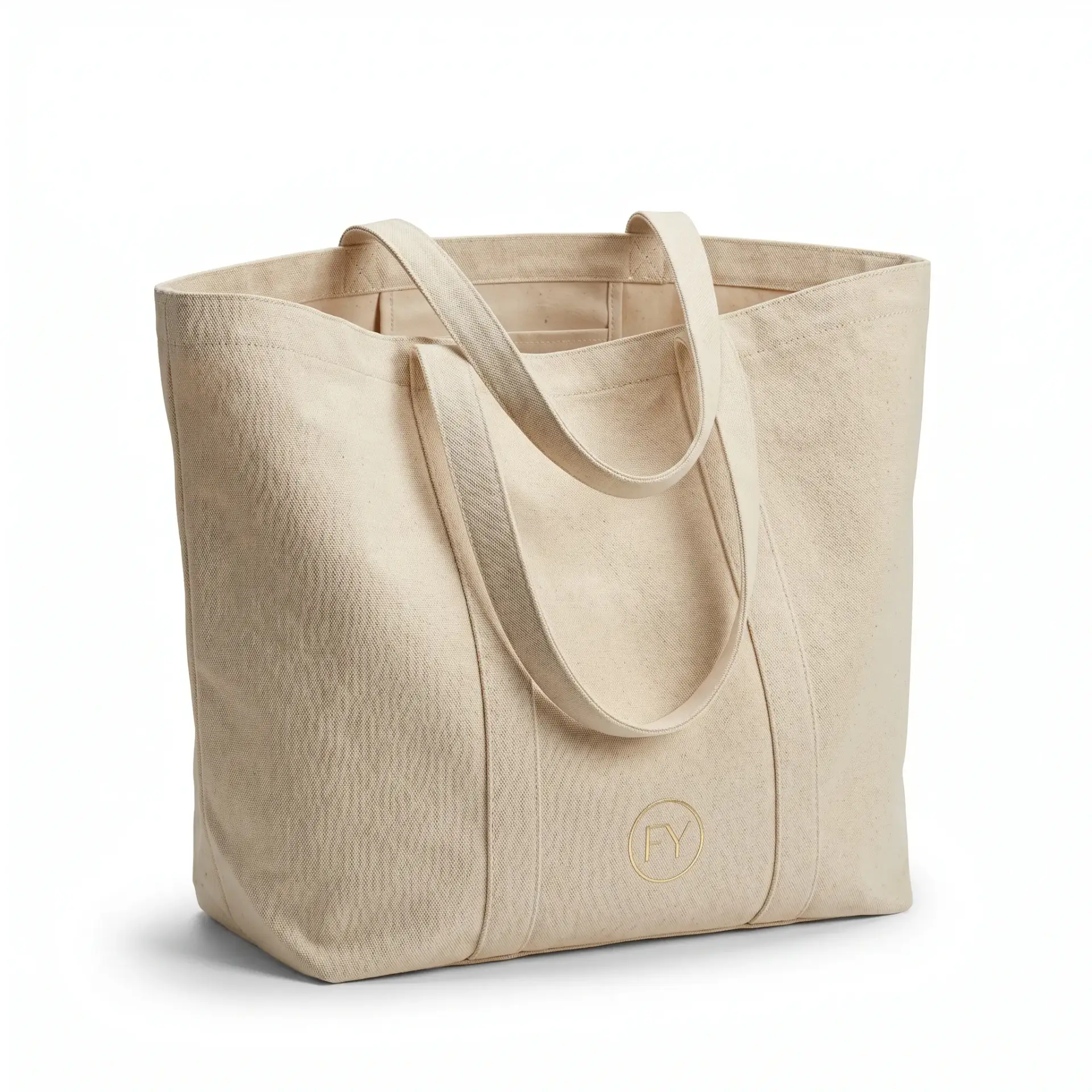


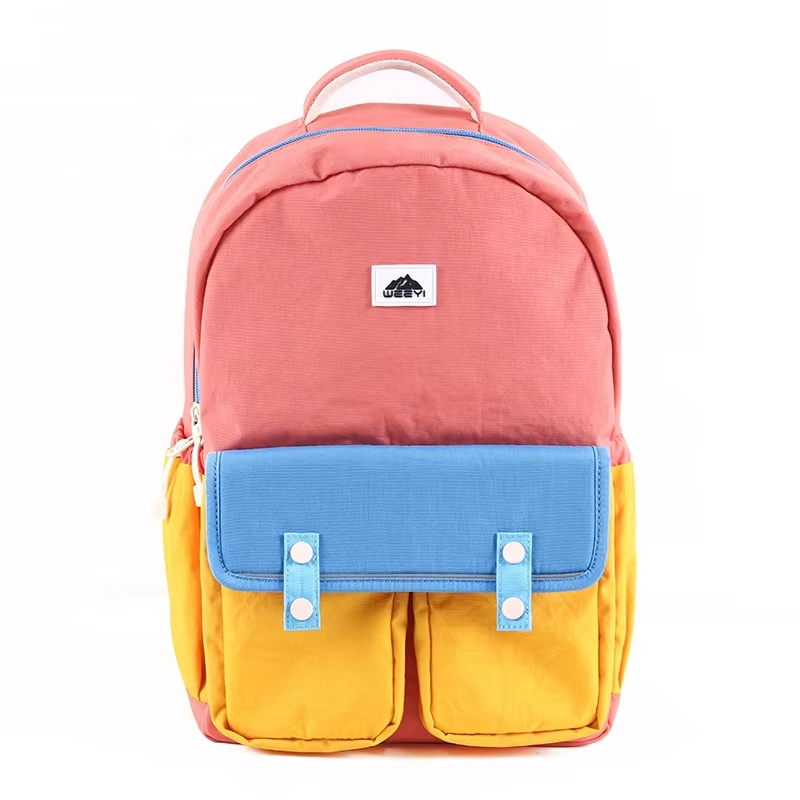

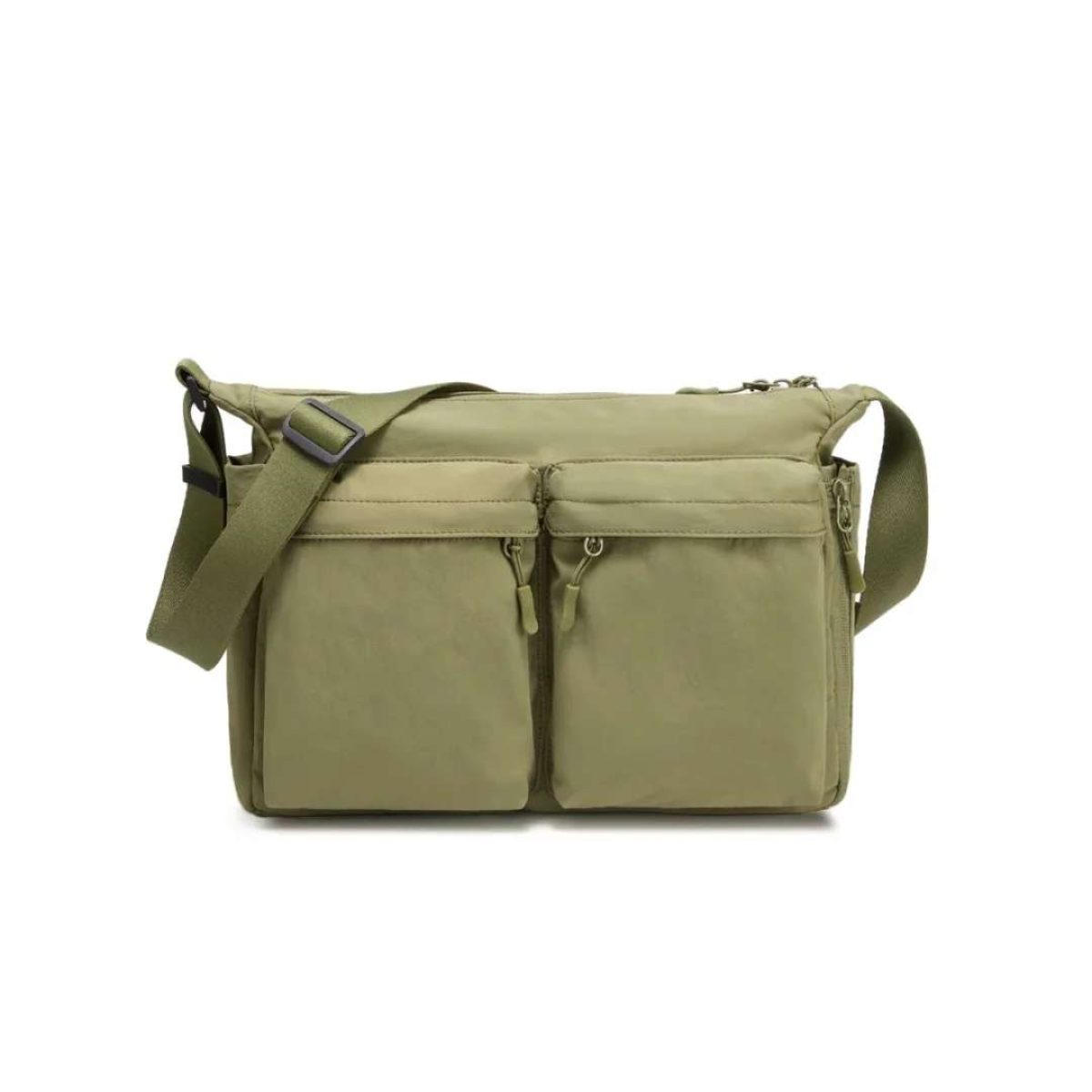


Custom Woven Label Bags Built for Repeatable Production
From label placement and pattern approval to inspection and export packing, Yeenkran aligns each production decision with your brand brief.
Pattern-First Engineering
Patterns define label position, seam allowances, pocket layout and carrying structure before sampling, helping preserve proportions through repeat production.
Material and Trim Sourcing
Compare fabrics, linings, webbing, zippers and custom hardware by hand feel, durability, color requirements, order volume and target cost.
Approval-Ready Samples
Review prototype construction, woven label placement, measurements and finishing before bulk production, with documented specifications retained for reorders.
Reinforced Bag Construction
Yeenkran applies appropriate seam reinforcement, strap assembly, padding and hardware installation for the bag’s intended load, use case and material.
QC at Key Checkpoints
Incoming materials, in-line construction, measurements, decoration, final appearance and packing are checked against approved samples and confirmed order requirements.
Retail and Export Packing
Complete custom woven label bags with hangtags, dust bags, branded boxes or retail-ready packing, then prepare export cartons for shipment coordination.
Related Manufacturing Capabilities
Explore adjacent services when specifying your bag project.
Dye Sublimation Printing
Review dye sublimation printing requirements alongside this service.
View CapabilityAbout Yeenkran: Custom Bag Manufacturer in China Since 2010
Founded in Wuhan, China in 2010, Yeenkran supports OEM, ODM, private-label and wholesale bag programs for international sourcing and product teams. As a wholesale bag supplier, we help brands develop bags and luggage from an early concept through repeatable bulk production.
Our one-stop bag manufacturing workflow combines pattern making, material and hardware sourcing, sampling, cutting, sewing, finishing, quality control, branded packaging and export coordination. Buyers can start with a tech pack, sketch, reference sample or concept, then approve construction, label placement, materials and final samples before bulk production.
Yeenkran reports a current workforce of more than 200 skilled employees, monthly capacity above 60,000 bags and service to more than 1,200 bag and accessory brands. What distinguishes our process is production-focused pattern engineering: approved specifications and sample records are retained to support more consistent reorders.
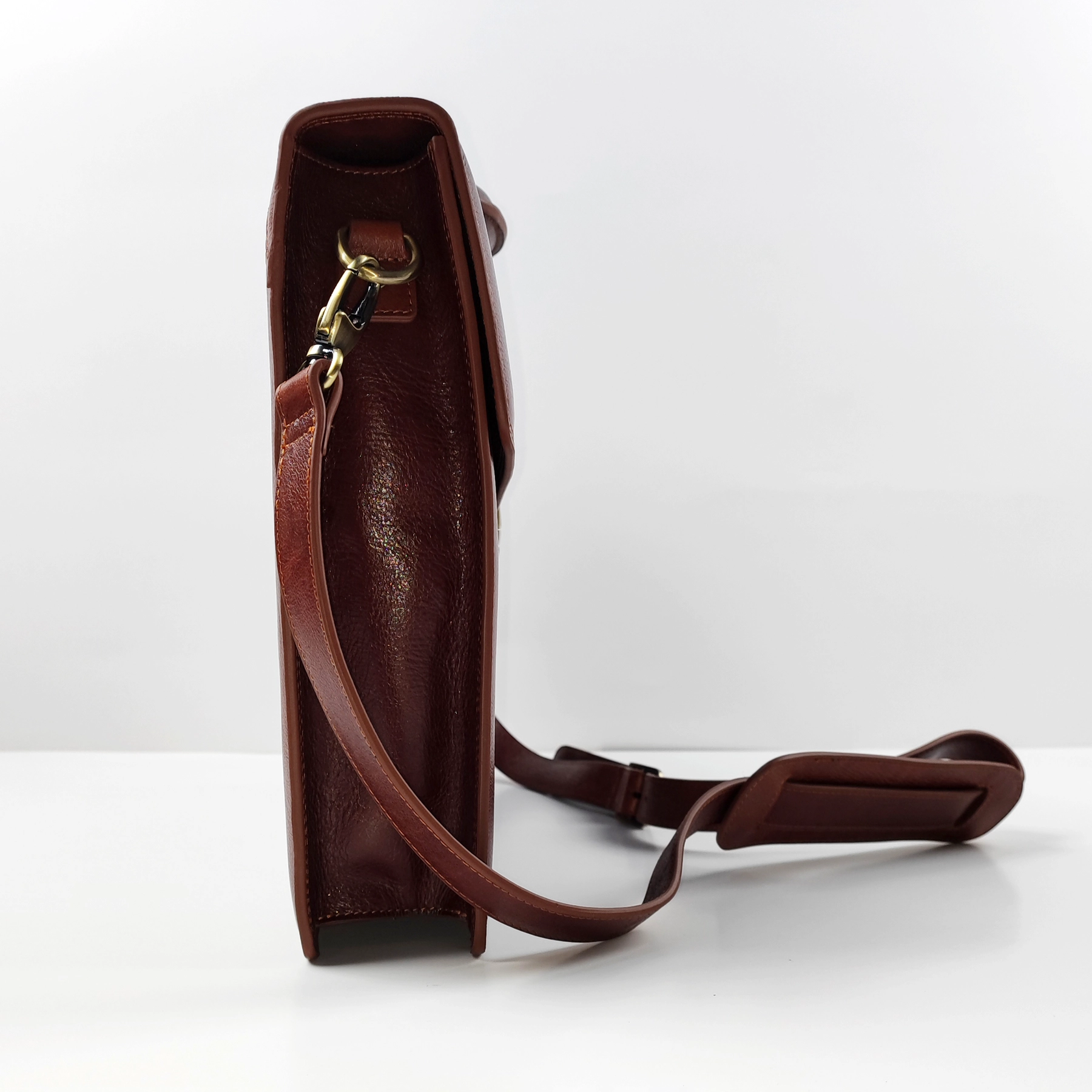
Custom Woven Label Bags, Engineered From Placement to Production
Feasibility Before Sampling
Yeenkran reviews your custom woven label bags brief against bag dimensions, label size, fold type, seam allowance, fabric thickness, decoration, target price and order volume. This early review identifies placement conflicts and construction limits before development costs are committed.
- Confirm visible, side-seam, interior or pocket label placement
- Check label dimensions against seams, curves and reinforcement zones
- Review MOQ from 100 pieces per style and color
- Align materials, construction complexity and target cost

Patterns That Protect Placement
Pattern makers translate approved placement into panels and construction details that preserve the intended label position after sewing, turning and finishing. Prototype reviews allow your team to approve proportions, stitch clearance, label orientation and the relationship between branding and bag function.
- Develop patterns from tech packs, references or concepts
- Set seam allowances and stitch clearance for woven labels
- Review prototype measurements and label orientation
- Retain approved pattern and sample specifications for reorders

Matched Materials and Hardware
Fabric, lining, webbing and hardware are selected as a system around the label and the bag’s use case. Yeenkran helps buyers compare hand feel, weight, abrasion resistance, water resistance, color and cost, then confirms compatible trims through swatches and samples.
- Compare canvas, nylon, polyester, RPET, PU or leather options
- Match label yarn colors to the approved brand artwork
- Confirm zipper pulls, buckles and webbing with the branding plan
- Approve material swatches before bulk material booking
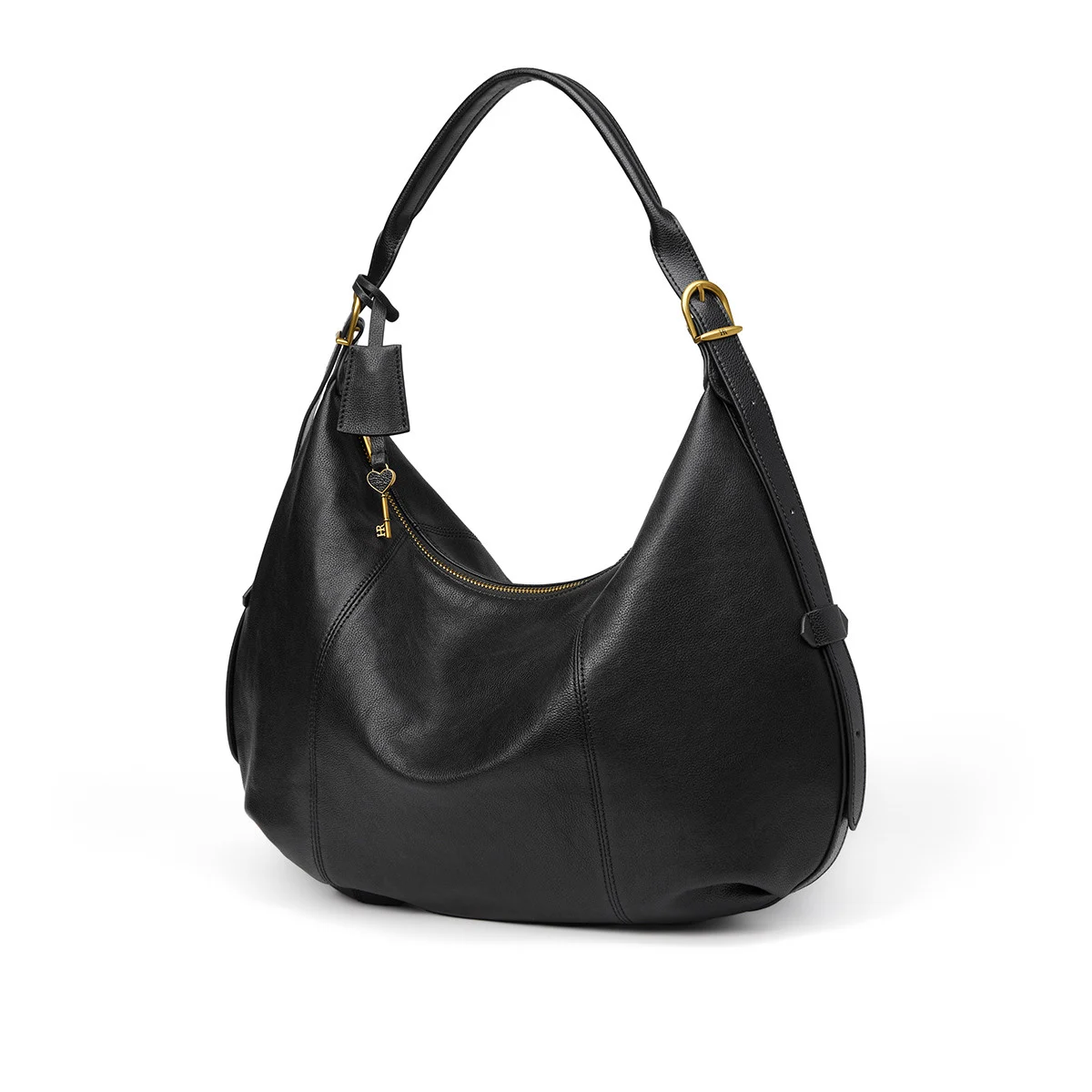
Controlled Bulk Production
After pre-production approval, Yeenkran controls custom woven label bags through incoming material checks, in-line construction review, measurement verification, decoration inspection and final packing checks. Your approved sample becomes the reference for placement, appearance, assembly and retail-ready presentation.
- Approve a pre-production sample before bulk release
- Inspect label placement during in-line production checks
- Verify measurements, appearance, hardware and packing
- Add hangtags, dust bags, boxes or export cartons as specified

Why Sourcing Teams Choose Yeenkran for Custom Woven Label Bags
One accountable development and production workflow, from label placement review through export-ready packing.
← Swipe left or right to view →
Custom Woven Label Bags Production Timeline
A controlled development path for sourcing teams, from feasibility review through export-ready packing.
Review Brief and Feasibility
We review your bag concept, woven-label placement, dimensions, target price, materials, hardware, packaging and required quantity before confirming practical development inputs.
Source Materials and Build Patterns
Our team compares fabrics, linings, labels and trims, then develops patterns and construction details aligned with your approved use case and cost target.
Make and Approve Samples
A prototype verifies shape, measurements, label application, carrying comfort and assembly. Buyer feedback is incorporated before specifications and sample records are released for production.
Manufacture Approved Bulk Order
After order confirmation, cutting, sewing, reinforcement, hardware installation, woven-label attachment, finishing and packing proceed against the approved sample and material specifications.
Inspect, Pack and Coordinate Shipping
We complete in-line and final checks for construction, measurements, decoration and packing, then prepare branded retail packaging and export cartons for shipment coordination.
Start Your Custom Woven Label Bags Project
Move from a brief or reference to approved bulk production with clear quotation inputs, sample checkpoints and export coordination.
Submit Your Brief
Send a tech pack, sketch, reference sample or concept with target use, dimensions, label placement, materials, hardware, quantities and target price.
Review Construction Options
Confirm bag structure, woven-label specification, fabrics, trims and packaging. Material minimums, construction complexity, colorways and order volume determine MOQ and cost.
Approve Your Sample
Review the prototype for shape, measurements, carrying comfort, label position, decoration and assembly. Refine details before approving production-ready specifications and quotation.
Confirm Bulk Production
Approve the final sample, pricing and order details. Yeenkran retains approved patterns and material records, then manages cutting, sewing, branding and in-line checks.
Inspect and Arrange Shipment
Final inspection verifies construction, measurements, woven labels, appearance and packing before balance payment, export-carton preparation and shipment coordination.
Buyer Approval Priorities for custom woven label bags
Use the first custom woven label bags sample to verify dimensions, access, carry comfort, materials and logo placement against one written approval list.
Keep approved patterns, material references and construction notes together so repeat orders can be checked against the same standard.
Coordinate pattern development, sourcing, decoration, quality checks and packing through one accountable project file.
Custom Woven Label Bags FAQ
Practical answers on MOQ, samples, costing, lead times, shipping and confidential development with Yeenkran.
What is the MOQ for custom woven label bags?
Can you make a sample before I order custom woven label bags?
What information do you need to quote custom woven label bags?
How long do samples and bulk production take?
Can you match my woven label artwork and brand colors?
What payment terms apply to a first order?
Do you arrange shipping for custom woven label bags?
How do you protect designs and confidential product information?
Explore Products for custom woven label bags
Browse published Yeenkran product directions, then send your material, size, branding and quantity requirements for an OEM/ODM quotation.


Materials for Custom Woven Label Bags

Canvas Cotton
A natural, substantial fabric with a textured hand feel for totes, shoppers and casual backpacks. Canvas supports sewn-in woven labels well and offers dependable structure; heavier weights improve shape retention and everyday abrasion resistance.

Oxford Cloth
A woven synthetic fabric with a clean, practical surface for school, commuter and utility bags. Oxford cloth balances light weight with abrasion resistance, while coating and denier selection influence water resistance, stiffness and label-placement reinforcement.

Nylon Fabric
Nylon has a smooth, technical hand feel suited to travel, outdoor, sling and performance bags. Its favorable strength-to-weight ratio supports durable constructions, while fabric weight and coating should be confirmed for the intended use and label attachment.

Polyester Fabric
Polyester offers a versatile hand feel for backpacks, promotional bags and everyday accessories. It is available in varied weights, weaves and finishes, giving sourcing teams a cost-conscious option with reliable color consistency and practical wear resistance.
RPET Textiles
RPET provides a synthetic performance option made from recycled textile inputs for totes, backpacks and lifestyle bags. It can be specified across different weights and weaves; confirm available colors, hand feel and material minimums during sampling.

Leather and PU
Genuine leather delivers a premium, natural hand feel for structured handbags and small goods, while PU or vegan leather offers consistent surface finish and lower-maintenance options. Material thickness, backing and edge treatment affect shape, durability and label integration.
Custom Woven Label Bags: Decoration and Branding Processes

Woven Labels
Custom woven labels deliver precise logos, text and color detail for sewn-in or exterior placements. Yeenkran confirms label size, edge finish, fold type and attachment method against the bag construction before sampling.

Embroidery Detail
Flat or three-dimensional embroidery adds tactile dimension to suitable panels, patches and straps. Stitch density, backing, thread colors and placement are reviewed to protect shape and achieve a durable, clean branded finish.

Screen Printing
Screen printing applies bold, opaque artwork to compatible canvas, cotton and fabric panels. It is suited to clear graphic areas and repeatable color layouts, with artwork scale and print placement checked during sample approval.

Heat Transfer
Heat transfer supports detailed multicolor graphics and controlled logo placement on selected fabrics. Yeenkran evaluates material surface, transfer size and expected flexing so the decoration complements the bag’s intended use and construction.

Laser Engraving
Laser engraving creates a refined tonal mark on appropriate leather, vegan-leather and selected trim surfaces. Buyers can assess contrast, logo scale and placement on a sample before locking material specifications for production.

Metal Branding
Metal branding uses custom logo plates, badges or hardware details to create a premium focal point. Finish, attachment method, edge profile and corrosion considerations are confirmed with the bag material and target market in mind.
Hardware and Trims That Complete Custom Woven Label Bags

Custom Zipper Pulls
Branded metal, rubber or molded zipper pulls add a tactile signature at high-use openings. Confirm zipper gauge, pull shape, logo method and finish during sampling to balance daily durability, appearance and target cost.

Buckles and D-Rings
Buckles, D-rings and adjustment hardware support straps, closures and attachment points while reinforcing the collection’s visual language. Yeenkran helps match finish, load requirements, dimensions and webbing compatibility before bulk approval.
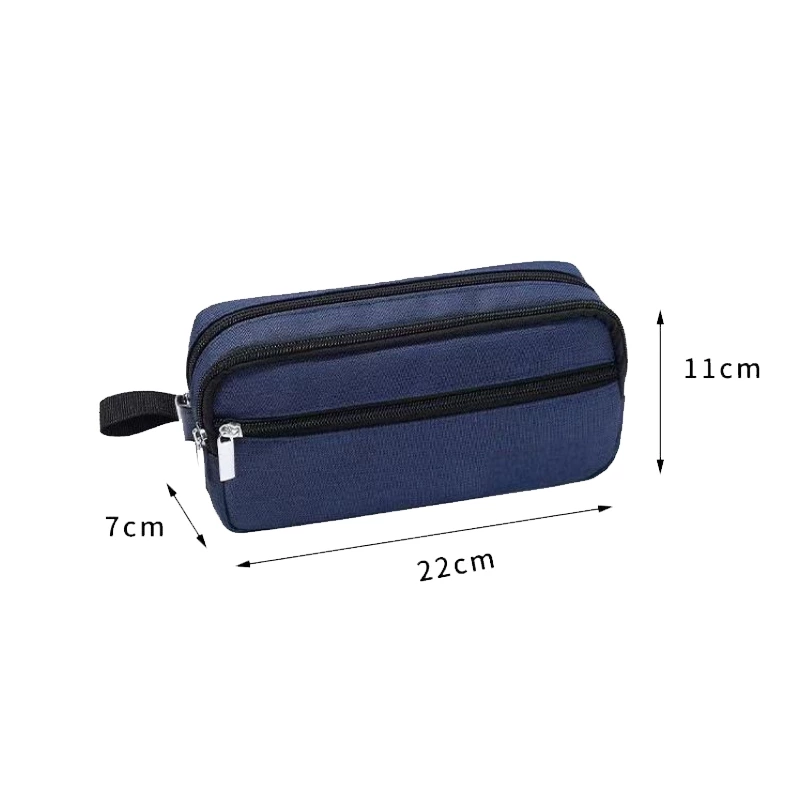
Woven Label Details
Custom woven labels can identify the brand at exterior seams, pockets, linings or internal care positions. Review weave density, yarn colors, fold type, dimensions and stitching allowance to achieve clear branding without disrupting construction.

Webbing and Cord Locks
Webbing, drawcord and cord locks define how a bag adjusts, carries and closes. Select width, hand feel, color, strength and hardware fit alongside the pattern so functional trims align with the approved brand presentation.

Patches and Hangtags
Embroidered, woven, leather or metal patches create prominent brand moments, while hangtags carry retail information. Placement, attachment method and material should be confirmed with the sample to protect appearance during handling and packing.

Branded Packaging
Custom dust bags, tissue, hangtags, branded boxes and export cartons complete a retail-ready delivery. Specify packing sequence, logo treatment and carton requirements early so presentation and shipment protection stay consistent across production runs.
Documentation Checks for custom woven label bags
Request reports relevant to the approved shell, lining, coating, hardware or decoration for the custom woven label bags specification.
Review the factory, production and quality records that apply to the confirmed manufacturing program.
Define required declarations or testing before sampling so the quotation reflects the destination market.
When recycled or specifically sourced materials are selected, request supplier records matched to the actual order.
Confirm fiber, care, packaging, carton marks and labeling information for the buyer’s sales channel.
Complete Buyer’s Guide to custom woven label bags
Use this decision framework to compare styles, materials, customization, construction, supplier capabilities, minimums, pricing, and launch steps while avoiding sourcing mistakes that weaken your brand or delay production.
1. What Are custom woven label bags?
Two common formats fall under custom woven label bags: a finished bag with a separately woven textile label sewn onto its exterior, lining, or pocket, and a bag whose woven panels themselves carry the visual design. The first is the usual private-label solution; the second is a different, fabric-led product requiring separate loom and material planning.
100 units per style and color is Yeenkran’s standard starting MOQ, subject to construction and material minimums. Woven labels use interlaced yarns to create tactile logos and readable brand identification that generally outlasts surface printing; printed labels remain useful for fine artwork, gradients, or lower-detail requirements. For private-label buyers, the woven label creates a durable, recognizable signature without changing the bag’s core silhouette.
2. Evolution of custom woven label bags
19th-century woven labels began as durable garment identifiers, but finer Jacquard looms made small lettering, borders, and multi-color brand marks practical for apparel and accessories.
1980s computerized weaving improved repeatability and reduced setup friction, allowing private-label buyers to specify Pantone-adjacent yarn colors, damask detail, fold type, and edge finish at lower volumes. That shift made custom woven label bags a realistic 100-unit program when material minimums permit.
2020s e-commerce raised the label’s role from identification to a close-up proof point in product photography and unboxing. Buyers now need legible scale, recycled-polyester or organic-cotton sourcing where required, and a label construction that survives seam stress, abrasion, and care testing.
3. Types of custom woven label bags
Six formats cover most custom woven label bags programs, from retail packaging to reusable merchandise. A sample comparison should test label visibility, opening method, and perceived value before bulk approval.
Drawstring And Dust Bags

Cotton drawstring pouches suit jewelry, gifts, and accessories; dust bags protect handbags and shoes. A side-seam or hem label adds a premium, discreet signature for boutiques and leather-goods brands.
Totes And Shopping Bags

Canvas totes support higher perceived value for retail, events, and everyday carry; non-woven shopping bags prioritize volume promotions. A woven label on the exterior seam or pocket suits lifestyle brands, retailers, and wholesalers.
Zipper Pouches And Sacks
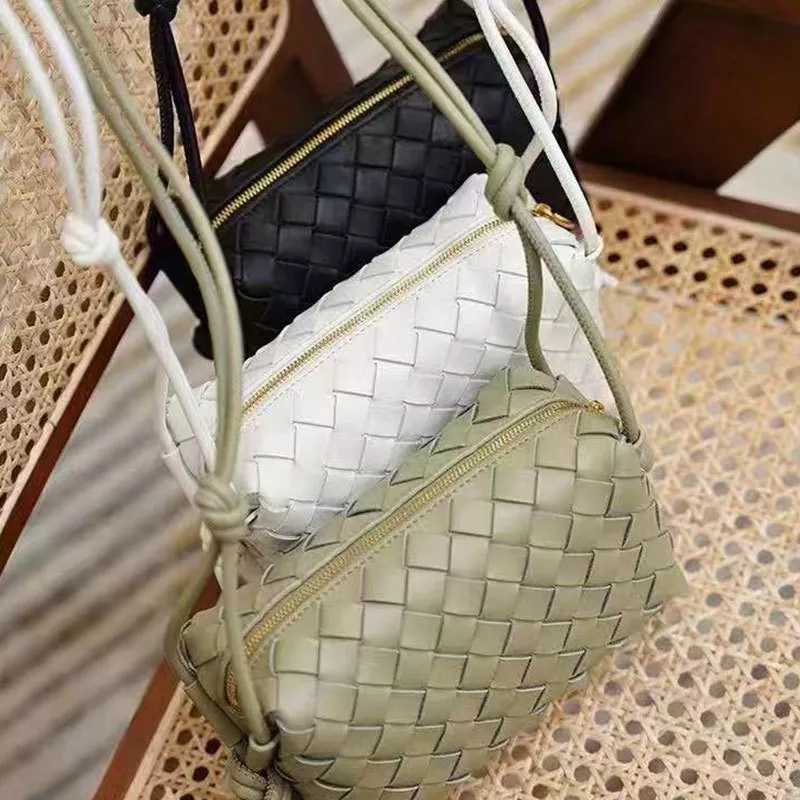
Zipper cosmetic pouches organize beauty or travel items, while packaging sacks bundle apparel and accessories. A front label gives cosmetic brands visibility; a closure-seam label suits e-commerce sellers needing economical branded packing.
4. Materials for custom woven label bags
Six fabric families determine hand feel, load strength, print results, wash behavior, and credible recycled-content claims. Match label yarn to the bag’s abrasion, fold, and laundering exposure.
| Material | Typical Construction | Advantages | Limitations | Recommended Uses |
|---|---|---|---|---|
| Cotton | 140–300 GSM | Soft, printable | Can shrink | Promotional totes |
| Canvas | 280–680 GSM | Strong, structured | Heavier | Carryalls |
| Recycled cotton | Blend or 100% | Lower-impact story | Fiber variation | Casual totes |
| Polyester | 600D | Durable, washable | Less natural hand | Backpacks |
| RPET | 300D–600D | Recycled-content option | Verify claim scope | Travel bags |
| Non-woven PP | 70–120 GSM | Low cost | Limited durability | Event bags |
| Polyester label yarn | Damask or taffeta | Abrasion resistant | Synthetic feel | Washable labels |
Fabric Selection

12–24 oz canvas suits structured totes; lighter cotton prints softly but carries less weight.
Woven Label Yarns

100% polyester yarn gives sharp detail and wash resistance. Damask feels fine; taffeta is thinner and more economical.
5. Customizing custom woven label bags
A 100-unit program needs one locked branding specification before sampling. Custom woven label bags should balance readable artwork, construction, and a consistent color system.
| Method | Effect | Durability | Best Volume |
|---|---|---|---|
| Woven label | Detailed texture | High | 100+ |
| Embroidery | Raised dimension | High | 100+ |
| Screen print | Flat color | Medium-high | 200+ |
| Heat transfer | Fine artwork | Medium | 100+ |
Label Specification

Six choices—damask or taffeta weave, thread density, up to eight colors, size, fold, and edge—should match approved artwork.
Bag Integration
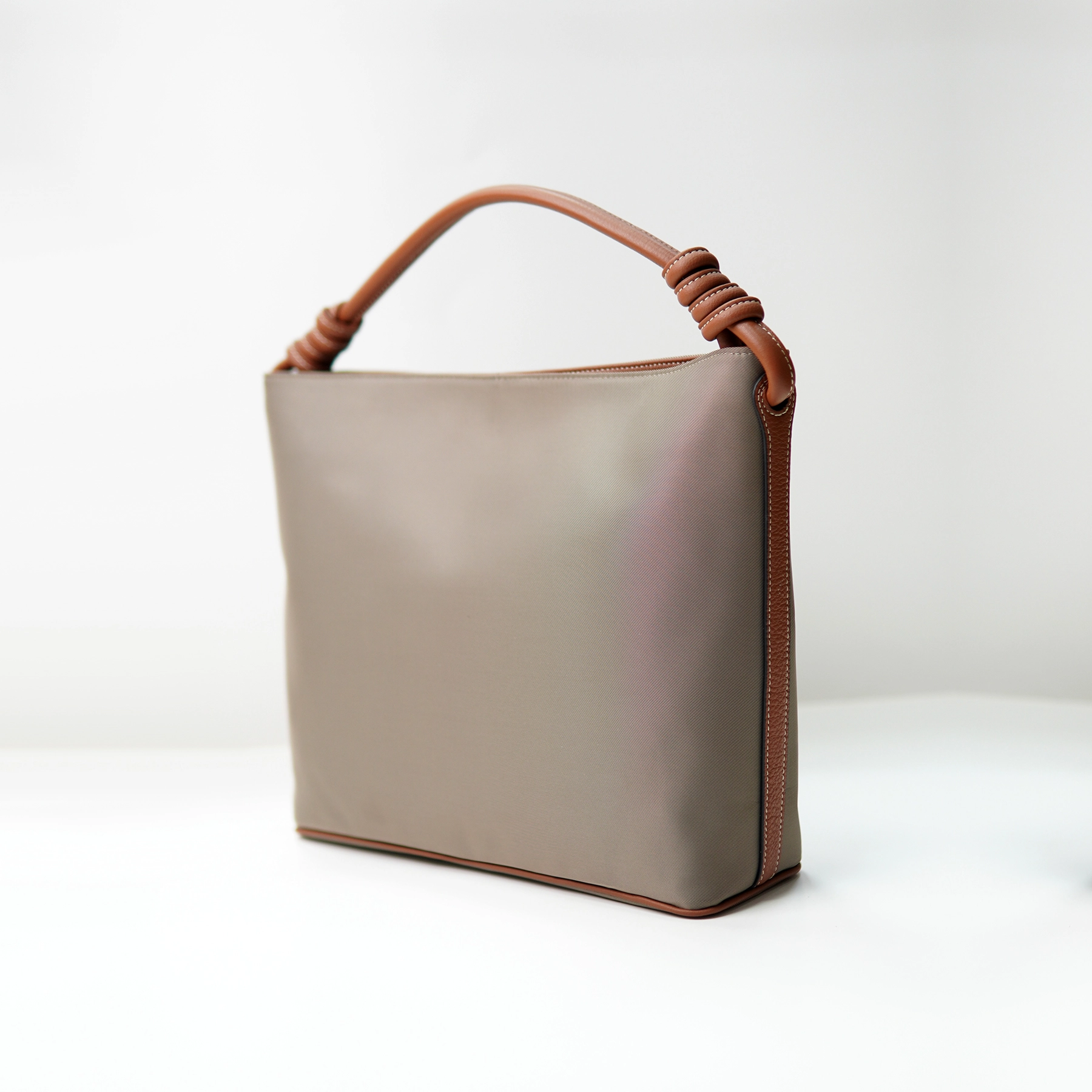
Three placement zones—front panel, interior seam, and strap—serve different visibility needs. Pantone shell color, lining, closures, and handles should reinforce one hierarchy.
Decoration Selection

Four decoration routes create distinct private-label results; confirm artwork, strike-off, and placement before bulk production.
6. Construction Quality for custom woven label bags
Fabric weight, seam allowance, and stitch density determine how a branded bag carries load and keeps its shape. For custom woven label bags, construction approval should precede bulk cutting.
Load-Bearing Seams
an approved stitch-density standard suit many woven bags; stress points need bar tacks. Inspect handle-box stitching, strap anchors, seam allowance, and reinforcement layers under a practical load test.
Zippers And Labels
#5 coil zippers are common for light bags, while larger or molded zippers suit heavier use. Check slider action, tape color, woven-label edge stitching, placement, alignment, and Pantone-approved color consistency.
Pre-Production Checks
100% of pre-production-sample details should match the approved specification before release. During QC, review measurements, loose threads, skipped stitches, stains, hardware scratches, packing, and final appearance.
7. How to Choose a Bag Manufacturer
China-based suppliers should be evaluated against the exact bag category and selling model, not a generic capability deck. Before approval, compare evidence from development through shipment against product risk points.
Category And Development Fit
100-unit programs need pattern capability as much as sewing capacity; ask for comparable backpack, tote, or custom woven label bags examples.
Two sampling rounds can expose fit, pocket, label-placement, and hardware issues; ask who owns revisions and retains approved patterns.
Materials And Quality Evidence
3 documents should link each main fabric, lining, webbing, and woven label to supplier, color, and specification.
4 checkpoints—incoming, in-line, final inspection, and packing—should define how measurements, defects, and rework are recorded.
Commercial And Risk Controls
100 units may be feasible only after material minimums; request quotations separating tooling, samples, unit price, packaging, and freight terms.
2 questions matter: Can staff communicate daily and export under agreed Incoterms? How are files, molds, and designs protected?
8. Common Sourcing Mistakes to Avoid
At a 100-unit MOQ, early specification gaps can become expensive across an entire colorway. For custom woven label bags, lock commercial, artwork, approval, packing and tolerance decisions before bulk release.
Quote And Artwork
Three quotes must match materials and construction; the lowest can omit reinforcement or hardware. Issue a line-item RFQ and vector artwork with Pantone references.
Labels And Samples

2 mm type may blur in a woven label, while an approved sample does not freeze every production detail. Check readable artwork, then sign a sealed golden sample and specification sheet.
Packing And Claims
1 carton dimension change can raise freight, and unsupported recycled-content claims create compliance risk. Confirm pack-out, carton data, claim evidence, and measurement tolerances in writing.
9. Steps to Launch Your Branded Bag
A 100-unit launch succeeds when decisions are frozen in sequence, not during bulk sewing. Build an approval file that follows the bag from brief to shipment.
Define The Brief
1 target customer and use case set dimensions, capacity, pockets, target cost, and MOQ. Supply a sketch, reference bag, or tech pack.
3 decision gates—silhouette, construction, and price—must close before sampling. Late changes to panels or hardware restart pattern work.
Prepare Materials And Artwork

1 Pantone file should specify logo size, woven-label colors, placement, and artwork format. Provide vector AI, EPS, or PDF files.
2 material options should be compared by weight, hand feel, abrasion, and water resistance. Approve swatches before the sample.
Approve Production Controls
1 pre-production sample becomes the master for measurements, stitching, trims, packing, and label placement. Record every approved specification in writing.
100% final inspection should check appearance, measurements, decoration, and carton marks before balance payment. Approve packaging and shipping marks before dispatch.
10. custom woven label bags Pricing
100-piece programs usually carry the highest unit cost because pattern setup, material minimums, and sampling are spread across fewer bags. Illustrative pricing assumes a simple canvas or polyester tote with one woven label, excluding freight and taxes.
a quotation-confirmed amount–a quotation-confirmed amount per unit can be added by heavier fabric, multi-color high-density labels, embroidery or print, custom zipper pulls, premium hardware, retail packaging, or complex pocket construction. Sampling, carton dimensions, destination, and air versus sea freight can materially change the final quote.
| Quantity | Illustrative unit price | Typical lead time |
|---|---|---|
| 100 units | US$6–12 | 25–35 days |
| 300 units | US$4.50–9 | 30–40 days |
| 1,000 units | US$3.50–7 | 35–50 days |
Ready to Develop Custom Woven Label Bags?
Send your tech pack, reference sample or concept for a practical review of materials, label placement, sampling and production requirements.