
Dye Sublimation Bag Printing for Production-Ready Custom Bags
Yeenkran delivers dye sublimation bag printing, pattern development, sampling and bulk production from 100 units per style and color.
Product Directions for dye sublimation bag printing
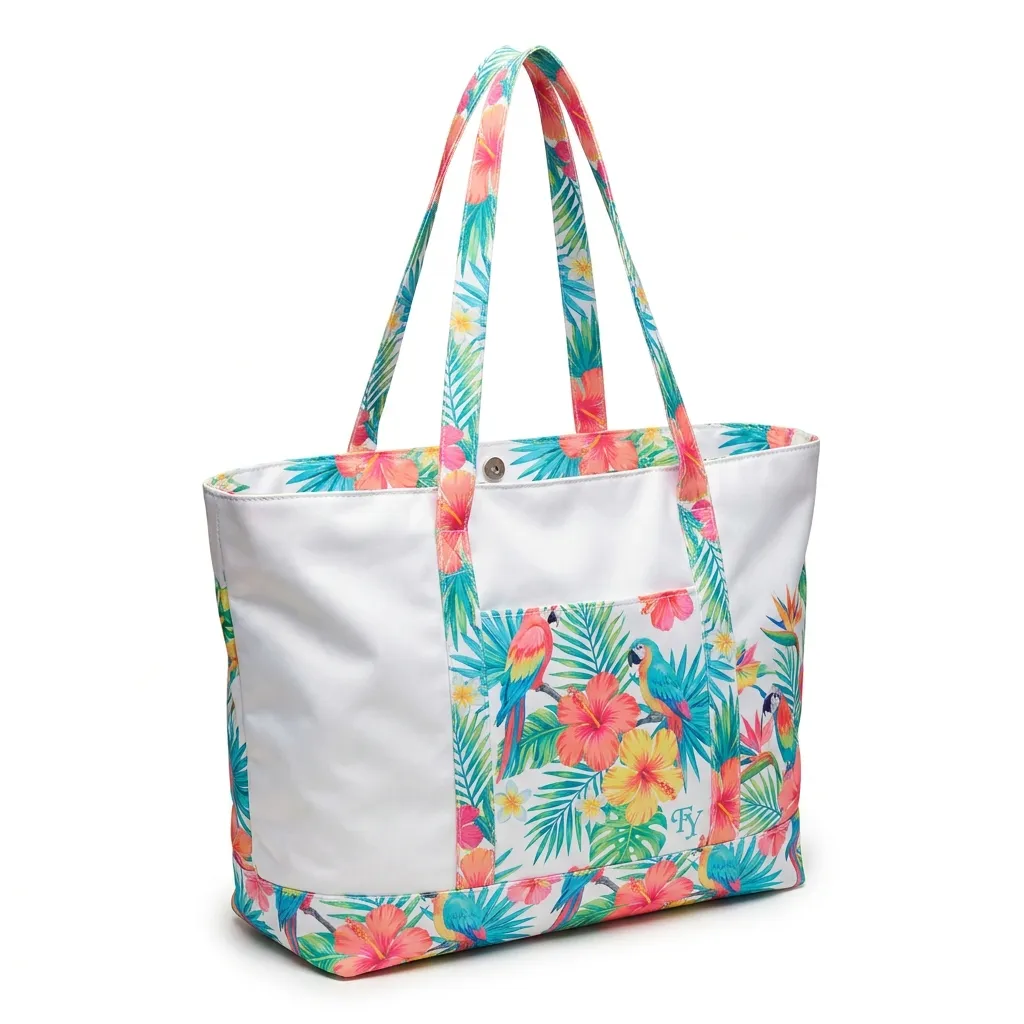
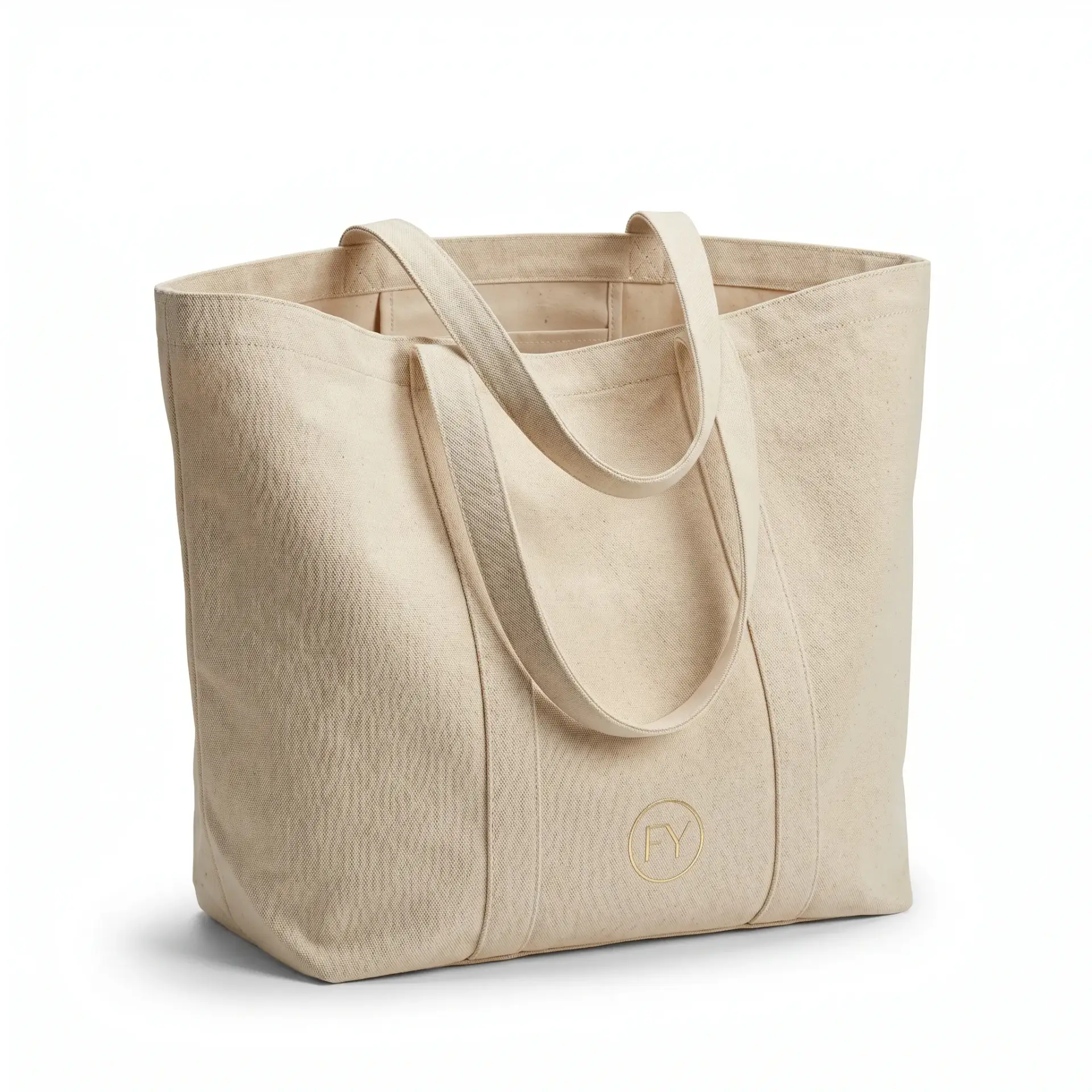


Why Source Dye Sublimation Bag Printing from Yeenkran
Develop production-ready printed bags with accountable engineering, sourcing, sampling, inspection, and retail-ready packing in one workflow.
Pattern-Led Development
Patterns are reviewed around panel artwork, pocket placement, seam allowances, dimensions, and carrying function before production-ready sampling begins.
Print-Compatible Materials
Compare polyester-based fabrics, linings, foam, and structural components by hand feel, weight, durability, color result, and target cost.
Approval Before Bulk
Use samples to confirm artwork placement, color expectations, construction details, measurements, hardware, and packaging before approving bulk production.
Reinforced Bag Construction
Printed panels are assembled with reinforced seams, straps, padding, webbing, hardware, and finishing matched to the bag’s intended use.
Multi-Stage Quality Control
Incoming materials, in-line sewing, measurements, decoration appearance, final finish, and packing are checked against confirmed order specifications.
Branded Packing Options
Complete dye sublimation bag printing programs with woven labels, hangtags, custom dust bags, branded boxes, retail-ready packaging, and export cartons.
Related Manufacturing Capabilities
Explore adjacent services when specifying your bag project.
Heat Transfer Printing
Review heat transfer printing requirements alongside this service.
View CapabilityAbout Yeenkran’s Dye Sublimation Bag Printing Team
Founded in Wuhan in 2010, Yeenkran is a custom bag manufacturer in China supporting OEM, ODM, private-label and wholesale programs. Dye sublimation bag printing is integrated with feasibility review, material and hardware sourcing, pattern making, sampling, manufacturing, quality control, branded packing and export coordination.
Our company-supplied operating scale includes more than 200 skilled employees, monthly capacity above 60,000 bags and service to more than 1,200 bag and accessory brands. We support collections across backpacks, totes, handbags, travel bags and small accessories, with MOQ starting at 100 pieces per style and color, subject to material and craft minimums.
What distinguishes Yeenkran is structural development before bulk production. We review artwork placement alongside dimensions, panel breaks, pocket layouts, reinforcements, fabrics and carrying systems; then retain approved patterns, specifications and sample records to make repeatable reorders more controlled.

Dye Sublimation Bag Printing, Built for Production
Feasibility Before Sampling
Yeenkran reviews artwork placement, panel sizes, color coverage, fabric choice, pocket layout, carrying loads and target cost before development begins. This identifies print-to-pattern limitations early and gives sourcing teams clear inputs for a practical quotation and sample plan.
- Confirm printable panel areas before artwork is finalized
- Review MOQ from 100 pieces per style and color
- Compare fabric, construction and hardware choices against target cost

Patterns That Protect Artwork
Our pattern team converts approved dimensions and artwork zones into production-ready panels, accounting for seams, curves, piping and reinforcement. A prototype lets your team review shape, capacity, ergonomics and print registration together before approving materials and bulk construction.
- Align artwork with cut lines, seams and panel joins
- Check prototype measurements, pocket access and strap comfort
- Approve construction details before pre-production sampling

Controlled Materials and Bulk Quality
For dye sublimation bag printing, Yeenkran sources suitable polyester-based fabrics, linings, webbing and hardware to match the required use case. Incoming materials, in-line assembly, decoration appearance, measurements and final packing are checked against the approved sample and specifications.
- Compare fabric weight, hand feel and durability requirements
- Approve swatches, trims and branded packaging before production
- Verify print appearance, construction, measurements and packing

Why Yeenkran for Dye Sublimation Bag Printing
Compare the development inputs, approval records and production controls that help sourcing teams move from artwork to repeatable bulk bags.
← Swipe left or right to view →
Dye Sublimation Bag Printing: From Artwork to Shipment
A controlled development and production workflow for sourcing teams, from feasibility review through packed export orders.
Review Design Requirements
We assess artwork, bag dimensions, capacity, fabric, pocket layout, hardware, target price, packaging and order quantity before confirming feasible dye sublimation bag printing options.
Source Materials and Trims
Our team compares compatible polyester fabrics, linings, foam, webbing, zippers and branded trims against print performance, durability, lead time and confirmed cost targets.
Make Patterns and Samples
Pattern makers prepare construction details and a sample bag, allowing approval of print placement, color appearance, measurements, shape, carrying comfort and assembly before bulk release.
Print Cut and Sew
After sample approval, we coordinate sublimation printing, precision cutting, reinforced sewing, strap assembly, hardware installation and finishing according to retained production specifications.
Inspect Pack and Ship
Quality checks review materials, measurements, decoration, construction and final appearance before branded packing, export carton verification and shipping coordination for your approved order.
Start Your Dye Sublimation Bag Printing Project
Move from concept to repeatable bulk production with clear feasibility, sampling, approval and shipment checkpoints.
Submit Your Design Brief
Send a tech pack, reference sample, sketch, mood board or artwork, plus target quantity, use case, dimensions, branding requirements and desired delivery market.
Review Construction Feasibility
Yeenkran assesses bag structure, print-panel layout, material compatibility, hardware, pocket construction, target cost and dye sublimation bag printing requirements before recommending production options.
Confirm Materials and Quote
Compare fabric, lining, foam, trims, packaging and decoration choices, then receive an order-specific quotation based on approved specifications, quantities and confirmed craft minimums.
Approve Your Production Sample
Review the prototype for color, artwork placement, measurements, ergonomics, construction and branding details. Refine the sample until specifications are ready for bulk production approval.
Produce, Inspect and Ship
After order confirmation, Yeenkran manages cutting, printing, sewing, quality checks, branded packing and export coordination, with final inspection completed before shipment.
Buyer Approval Priorities for dye sublimation bag printing
Use the first dye sublimation bag printing sample to verify dimensions, access, carry comfort, materials and logo placement against one written approval list.
Keep approved patterns, material references and construction notes together so repeat orders can be checked against the same standard.
Coordinate pattern development, sourcing, decoration, quality checks and packing through one accountable project file.
Dye Sublimation Bag Printing FAQ
Clear answers on artwork, MOQ, sampling, production planning, payment and shipment for custom bag programs.
What is the MOQ for dye sublimation bag printing?
Which bag materials work best for dye sublimation bag printing?
What artwork files do you need for dye sublimation bag printing?
Can I approve a sample before bulk production?
How long does custom sublimated bag production take?
How are payment terms handled for a first order?
Can Yeenkran arrange international shipping for sublimated bags?
How is my artwork protected during dye sublimation bag printing development?
Explore Products for dye sublimation bag printing
Browse published Yeenkran product directions, then send your material, size, branding and quantity requirements for an OEM/ODM quotation.


Materials for Reliable Dye Sublimation Bag Printing

Polyester Oxford
A dependable woven option for backpacks, totes and travel bags, with a firm hand and practical structure. Polyester content supports sublimation, while denier, coating and backing should be confirmed against the required feel and construction.
Polyester Canvas
A heavier, more textured choice for shopper totes, casual backpacks and lifestyle bags. Its substantial hand gives printed panels a grounded appearance; fabric weight influences drape, seam bulk and the final bag’s perceived durability.

Polyester Twill
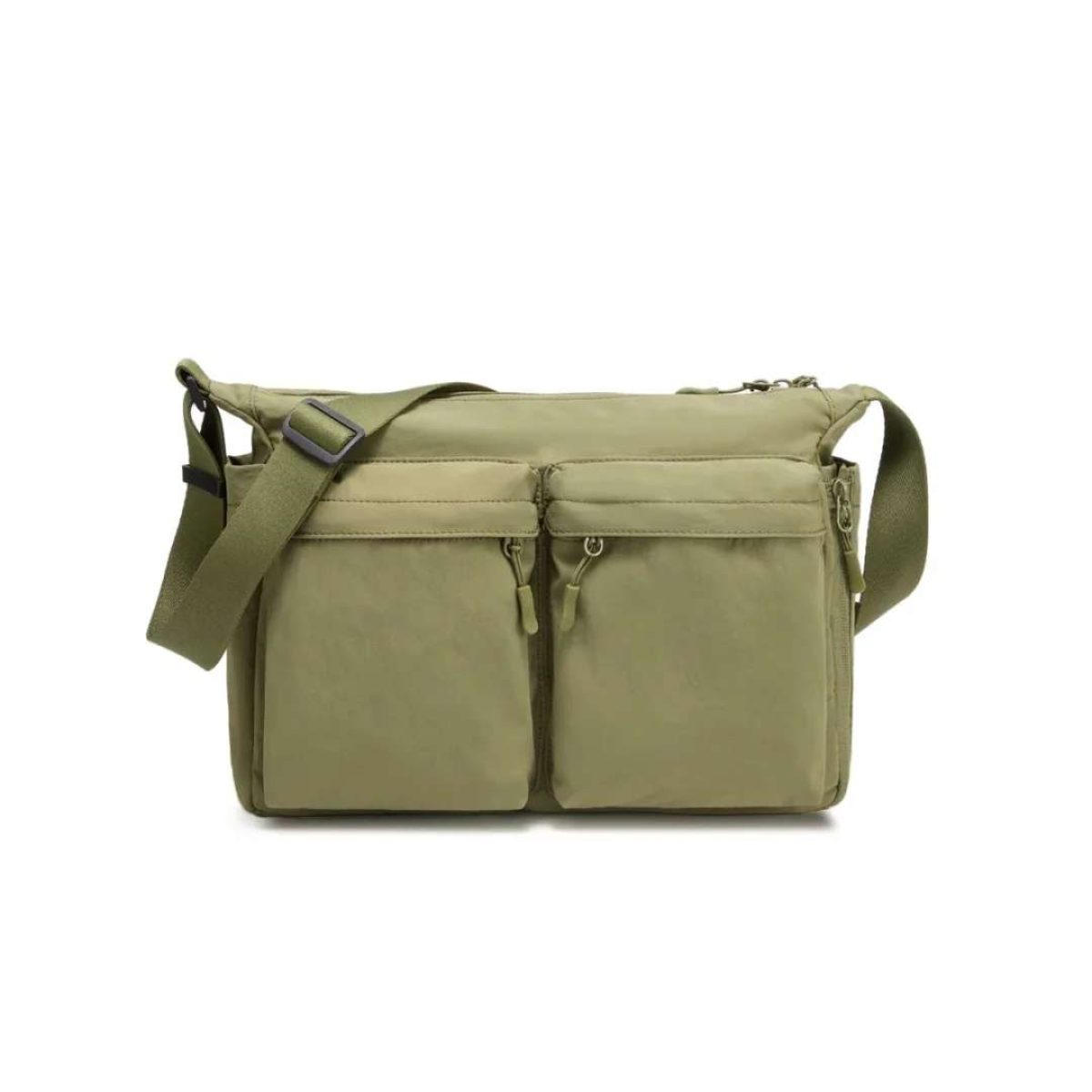
A smooth, diagonal-weave fabric suited to fashion-forward totes, crossbody bags and printed front panels. It offers a softer hand than many Oxfords, while weight and backing selection affect shape retention and print-panel stability.
RPET Polyester Fabric
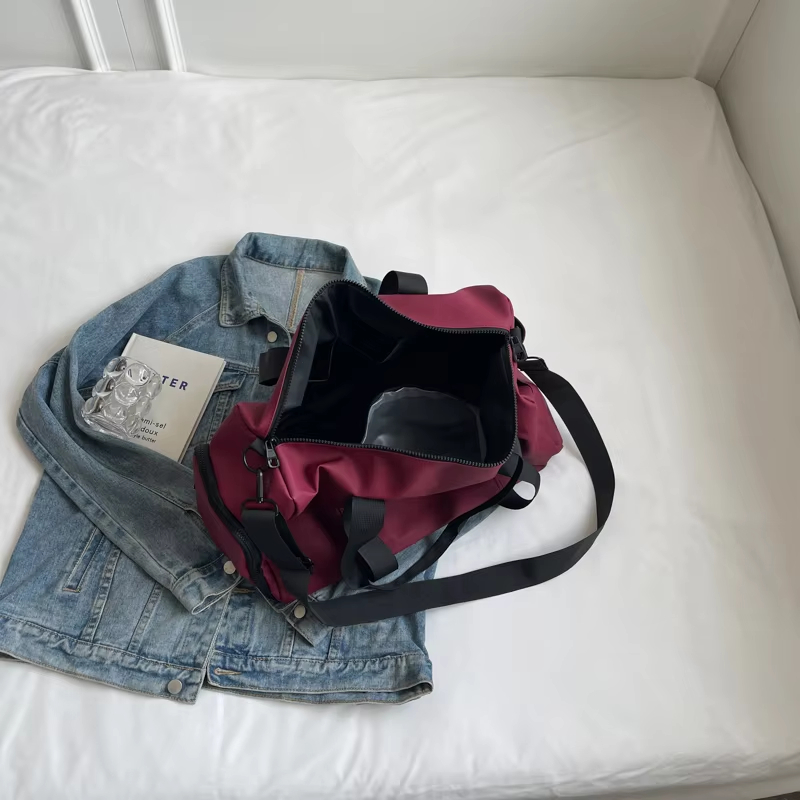
A recycled-polyester option for brands developing sustainability-led printed collections. It can be sourced in different constructions for totes, backpacks and accessories; swatches and samples help confirm hand feel, color result and order-specific availability.

Polyester Lining Fabric
A lightweight material for interior linings, pockets and organizers where coordinated color or print may support the product story. Its weight, surface finish and color should be reviewed alongside zipper, binding and seam construction choices.

Foam Structural Components
Padding, reinforcement boards and molded elements shape laptop bags, backpacks and protective accessories behind printed outer panels. Thickness and density affect carrying comfort, panel definition and sewing complexity, so they are approved during sample development.
Dye Sublimation Bag Printing and Complementary Finishes

Dye Sublimation
Dye sublimation bag printing transfers full-color artwork into compatible polyester-based fabric for detailed all-over graphics, gradients and repeat patterns. Artwork, panel placement and color expectations should be approved on a sample before production.

Screen Printing
Screen printing applies ink to selected bag panels for bold logos, solid colors and straightforward graphics. It is a practical option when artwork has limited colors and the chosen fabric supports a clean, controlled print result.
Heat Transfer
Heat transfer applies prepared graphics to defined locations, making it suitable for detailed logos and smaller branded elements. The team reviews transfer size, placement, fabric compatibility and expected wear during sample development.

Custom Embroidery
Flat or three-dimensional embroidery builds a tactile, premium logo or emblem with thread. It works well on appropriate panels, while stitch density, backing and placement must be considered to protect shape and construction.

Patches and Labels
Custom patches, woven labels, leather labels and metal labels add distinct brand identification beyond printed artwork. Materials, attachment method and placement are confirmed with the sample to support a consistent retail-ready finish.
Hardware, Trims and Branding for Dye Sublimation Bag Printing

Custom Zippers Pulls
Specify zipper type, finish and custom pulls for main compartments, pockets and closures. Yeenkran sources options suited to the bag construction, usage demands and branding approach before sample approval.

Webbing and Buckles
Adjustable straps, carry handles and compression points can use selected webbing, buckles, D-rings and cord locks. These components are reviewed for load requirements, color coordination and intended daily use.

Woven Brand Labels
Add woven labels to interiors, side seams or external panels for a durable private-label identifier. Placement, label size, weave detail and attachment method are confirmed during sampling to suit the bag pattern.

Custom Patches Badges
Use embroidered, applique or other custom patches to create a tactile brand focal point alongside full-color sublimation. Yeenkran reviews panel location, edge treatment and sewing sequence before production.

Hangtags and Packaging
Finish retail or wholesale orders with branded hangtags, dust bags, boxes and export-carton packing. Provide artwork, packing requirements and destination needs early so packaging details can be included in the quotation.
Documentation Checks for dye sublimation bag printing
Request reports relevant to the approved shell, lining, coating, hardware or decoration for the dye sublimation bag printing specification.
Review the factory, production and quality records that apply to the confirmed manufacturing program.
Define required declarations or testing before sampling so the quotation reflects the destination market.
When recycled or specifically sourced materials are selected, request supplier records matched to the actual order.
Confirm fiber, care, packaging, carton marks and labeling information for the buyer’s sales channel.
The Complete Guide to dye sublimation bag printing
Use this decision framework to evaluate print methods, fabric compatibility, construction standards, supplier capabilities, and realistic costs—while avoiding sampling, color, compliance, and MOQ mistakes when sourcing custom bags from China.
1. What Is dye sublimation bag printing?
Polyester is the usual foundation for dye sublimation bag printing: heat and pressure turn special inks into gas, bonding color into polyester fibers or a compatible polymer coating. Artwork is first printed on transfer paper, then pressed onto cut panels before sewing or onto finished compatible components.
Unlike surface-print methods, sublimation produces smooth full-color gradients, photographs and edge-to-edge repeat patterns without a raised ink layer. Choose it for polyester backpacks, drawstring bags, cosmetic bags, sports bags and promotional totes when vivid all-over artwork matters more than printing on cotton, canvas or dark non-polyester fabric.
2. Evolution of dye sublimation bag printing
1980s screen printing made bold bag graphics practical, but each ink color required a separate screen and setup. Early heat transfers widened access to small logos, yet both methods constrained photographic detail and made frequent artwork changes costly.
1990s digital dye sublimation moved artwork from screens to files, enabling continuous-tone imagery and repeatable print workflows on polyester-based panels. For modern private-label sourcing, that shift supports faster artwork revisions, shorter runs, and all-over layouts before panels are cut and sewn; Yeenkran can assess those requirements alongside pattern, fabric, trim, and sample decisions.
3. Types of dye sublimation bag printing
Five production formats determine how artwork meets bag construction. Choose the format before patterns are finalized, because seam placement, coverage, and MOQ follow that decision.
Cut-Panel All-Over Print

Cut panels give near-total coverage on backpacks and totes; pattern matching protects seam continuity. Best for branded collections; sampling precedes bulk MOQ.
Pre-Cut Fabric Printing

Pre-cut fabric suits simple totes and pouches; edge alignment can interrupt color at seams. It supports controlled small collections.
Assembled-Item Transfer

Assembled-item transfer decorates finished flat areas on simple bags; gussets and seams limit coverage. It fits logos and limited graphics.
Roll-To-Roll Production
Roll-to-roll printing covers continuous polyester yardage for repeat designs; cutters must register artwork to patterns. It suits larger repeat orders.
Print-On-Demand Runs
Print-on-demand favors validation runs and variable artwork; unit cost rises and seam matching is less controlled. Use it before a 100-unit style launch.
4. Materials for dye sublimation bag printing
100% polyester yields the most reliable dye sublimation bag printing because its fibers permanently accept disperse dye. Weave, denier, coating, and surface texture determine brightness, hand feel, and end use.
| Material | Weight | Best Use | |
|---|---|---|---|
| 600D polyester | 600D | Good | Backpacks |
| Oxford polyester | 210–420D | Bright | Totes |
| Canvas-look polyester | 300–600D | Muted | Casual bags |
| RPET polyester | 210–600D | Good | Recycled collections |
| Neoprene | 2–4 mm | Vivid | Sleeves |
| Polyester lining | 190–210D | Bright | Interiors |
Fiber Content And Coatings

Higher polyester content generally produces cleaner color. PU coatings should be tested because heavy layers can reduce transfer consistency.
Weight And Surface

210D linings print sharply but suit low-abrasion interiors. 600D faces add structure and abrasion resistance, while smoother oxford generally delivers brighter detail.
5. Customization in dye sublimation bag printing
Sublimation supports full-coverage color, seamless repeats, placement graphics, and gradients before panels are cut. It should be planned with the bag pattern, not added after sewing.
| Feature | Best Use | Control Point |
|---|---|---|
| Seamless repeat | All-over panels | Match tile at seams |
| Placement graphic | Front pocket | Allow seam clearance |
| Gradient | Large polyester panel | Approve strike-off |
Prepare Production Artwork
300 dpi artwork at final size, with vector logos and repeat tiles, reduces scaling errors. Supply Pantone references, but approve printed color visually because fabric, ink, and coating affect the result.
Approve A Strike-Off

1 strike-off on the production fabric confirms gradient smoothness, repeat alignment, and logo contrast. Keep critical logos away from seams, darts, curved edges, and zipper tape.
Add Brand Details

Woven labels, custom zipper pulls, printed lining, patches, embroidery, hangtags, and packaging complete the program. Use embroidery or patches when a raised, tactile logo is required; sublimation excels at detailed multicolor artwork.
6. Construction quality after dye sublimation bag printing
A 2–3 mm bleed beyond each cut line helps protect dye sublimation bag printing at seams. Artwork must be engineered around panel geometry before sewing begins.
Panel And Color Alignment
A 3 mm registration check should confirm graphics meet across front, gusset, pocket and strap panels. Cutting off-grain or sewing into artwork can shift motifs and expose white polyester edges.
Seams And Load Points
Eight to an approved stitch-density standard is a common sewing target for woven bag panels, subject to fabric and thread. Bar tacks reinforce handle anchors, webbing ends and strap junctions; binding must cover raw seam allowances.
Pre-Production And Final QC
One approved pre-production sample should verify zipper travel, lining fit, handle symmetry and color continuity before bulk cutting. Final inspection should check measurements, stitch skips, loose threads, zipper function, reinforcement, print placement and carton packing.
7. Choosing a dye sublimation bag printing manufacturer
100-piece programs expose weak supplier controls quickly: evaluate the print workflow and bag-development workflow together before approving a deposit. Request evidence, not promises, for every quoted lead time and specification.
Print And Color Control

Ask whether printing is in-house or subcontracted, who owns ICC profiles, and whether a Pantone strike-off is approved before cutting.
Sampling And Materials

Ask for a sewn sample using production fabric, lining, foam, hardware, and pattern. Confirm polyester source, print width, pattern ownership, and revision records.
Capacity And Release
Ask whether 100 units per style and color meets material minimums, which QC checkpoints apply, and what compliance documents are available. Confirm sample, bulk, inspection, and shipping lead times; require one English-speaking production contact.
8. Common dye sublimation bag printing mistakes
Eight recurring errors in dye sublimation bag printing usually appear before bulk cutting. Each can be prevented through material testing, artwork review, and an approved physical sample.
Fabric And Artwork

100% polyester or high-polyester fabrics accept sublimation; cotton, dark fabrics, and incompatible coatings produce weak color. Supply 300-dpi artwork at final size and confirm fabric compatibility before sampling.
Color And Pattern Control
Pantone targets are references, not guarantees; approve a printed strike-off under agreed lighting. Add seam allowances, panel joins, and zipper placement to artwork so logos do not disappear into construction.
Sampling, Finish, And Schedule

1 physical pre-production sample exposes unsuitable glossy finishes, coating conflicts, and assembly issues. Reserve time for sampling, revisions, and bulk inspection; compare durability, packing, and defect risk alongside unit price.
9. Launching a custom printed bag brand
A 100-unit first run works best when it solves one customer’s defined carry problem. Treat dye sublimation bag printing as a product-development sequence, not an artwork order.
Define The First SKU
One target user, use case, silhouette, capacity and fabric should be chosen before quotation. Start with one colorway and a conservative size run to limit inventory exposure.
Approve Production Details

One production sample should confirm artwork scale, Pantone references, zipper, lining, label placement and packaging. Lock the approved sample, measurements, material specifications and QC checkpoints before bulk cutting.
Reorder From Feedback
Thirty days of sales and return feedback can reveal strap, pocket, color or packaging issues. Reorder proven variants, then add colors or silhouettes after demand supports the next MOQ.
10. dye sublimation bag printing pricing and costs
100 units is Yeenkran’s standard starting MOQ per style and color, subject to material minimums and construction. Dye sublimation bag printing quotes become reliable only after patterns, fabric, print files, hardware, labels and packing are approved.
Sample and bulk timing should be confirmed in the quotation after materials, construction complexity and order size are known. Ask the factory to separate ex-works cost, compliance testing, export packing and freight, because destination and shipment mode can change landed cost.
| Order quantity | Indicative unit-price position | Sample or setup | Typical bulk lead time |
|---|---|---|---|
| 100–299 | Highest; setup spread across few units | Quoted separately | 25–35 days |
| 300–999 | Lower; fabric and print coverage drive cost | Quoted separately | 25–40 days |
| 1,000+ | Best scale; hardware and packaging remain material costs | Quoted separately | 30–45 days |
Start Your Dye Sublimation Bag Printing Sample
Send your artwork, tech pack, reference sample, or brief for a custom quotation and production-ready sample development discussion.