
Custom Screen Printed Bags, Built for Your Brand
Develop custom screen printed bags from concept to bulk production, with sourcing, sampling and quality control. MOQ starts at 100 pieces per style and color.
Product Directions for custom screen printed bags
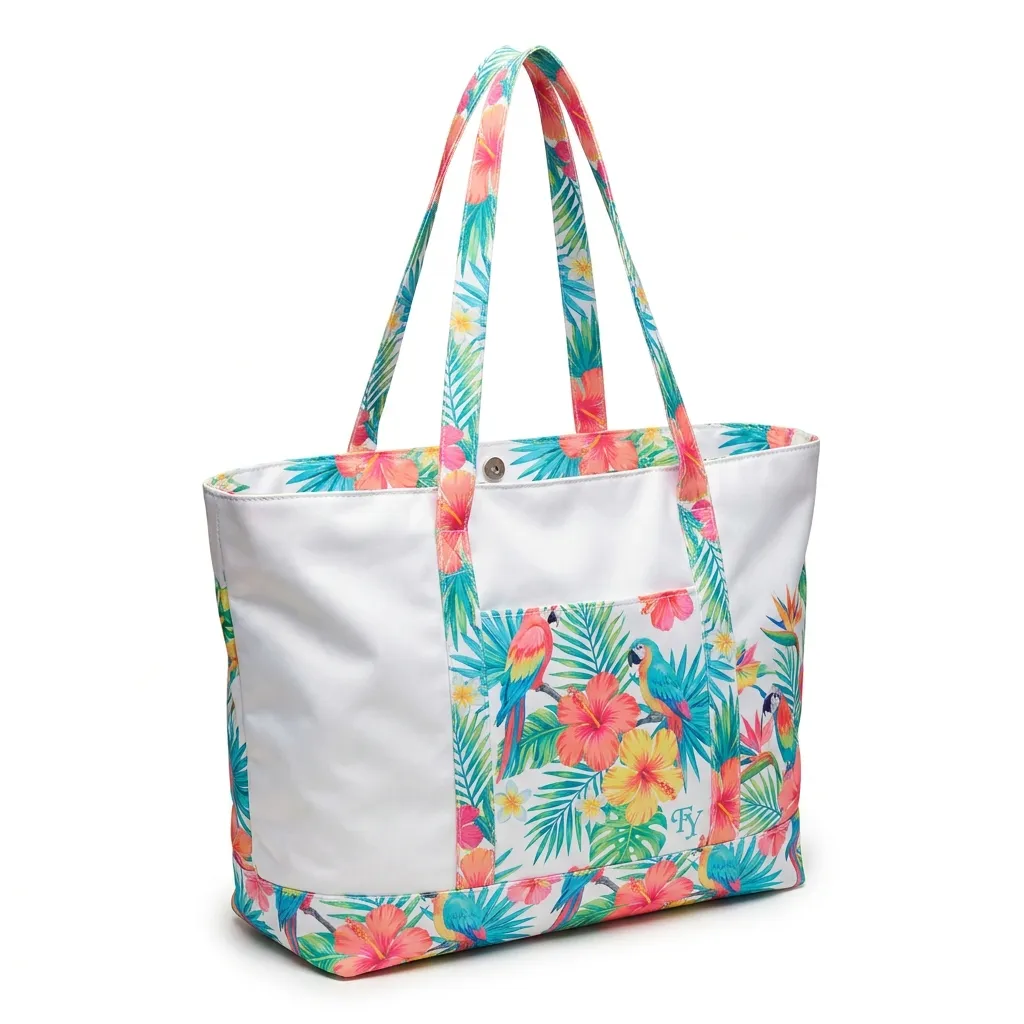


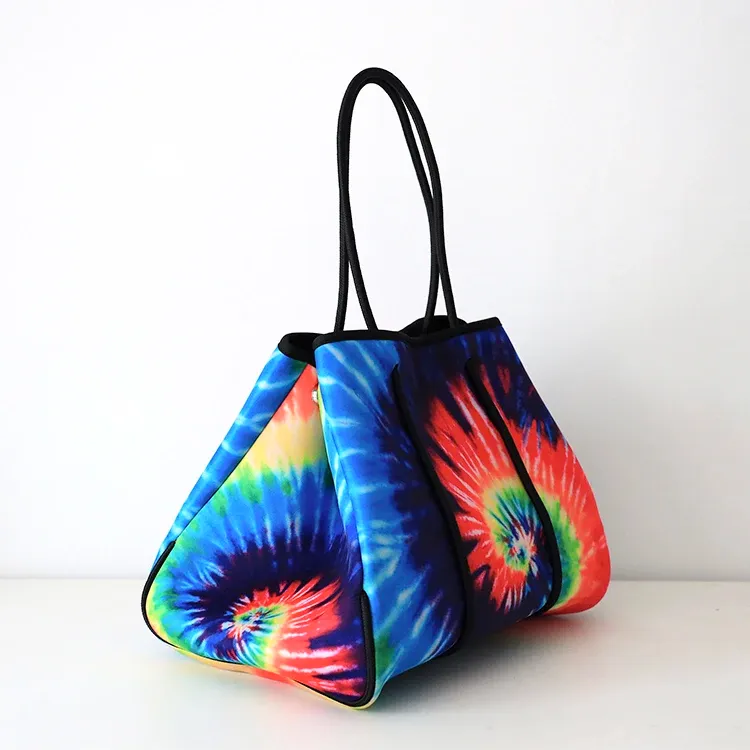


Why Sourcing Teams Choose Yeenkran for Custom Screen Printed Bags
One manufacturing workflow for print-ready bag development, approvals, production control and retail presentation.
Pattern-First Development
We review dimensions, load requirements, pocket layouts and print areas before creating patterns that support stable construction and repeatable production.
Print-Ready Material Sourcing
Compare canvas, cotton, polyester, nylon, RPET and linings by print result, hand feel, durability, order volume and target cost.
Approval Samples Before Bulk
Confirm artwork placement, ink coverage, color, construction and measurements through samples before releasing your custom screen printed bags to production.
Controlled Production Checks
Incoming materials, in-line sewing, decoration, measurements, appearance and packing are inspected to catch deviations before final shipment preparation.
Branded Retail Finishes
Add woven labels, hangtags, custom zipper pulls, dust bags, branded boxes and export cartons aligned with your sales channel.
Related Manufacturing Capabilities
Explore adjacent services when specifying your bag project.
Heat Transfer Printing
Review heat transfer printing requirements alongside this service.
View CapabilityDye Sublimation Printing
Review dye sublimation printing requirements alongside this service.
View CapabilityBag Hardware Sourcing
Review bag hardware sourcing requirements alongside this service.
View CapabilityAbout Yeenkran Custom Screen Printed Bags
Founded in Wuhan, China, in 2010, Yeenkran develops custom screen printed bags for global fashion, lifestyle and accessory brands. Our team supports OEM, ODM, private-label and wholesale programs, translating a tech pack, sketch, reference sample or early concept into a production-ready bag.
We manage pattern making, material and hardware sourcing, sampling, screen-print coordination, manufacturing, quality control, branded packaging and export preparation in one workflow. Company-reported operations include more than 200 skilled employees, monthly capacity above 60,000 bags and service to more than 1,200 bag and accessory brands. From canvas totes and backpacks to handbags, travel bags and small accessories, buyers can develop coordinated collections with one accountable manufacturing partner.
Our difference is product development grounded in bag construction. Before sampling, we review dimensions, carrying requirements, pocket layout, print placement, material weight, hardware and target cost. MOQ starts at 100 pieces per style and color, subject to confirmed material and craft minimums, with approved patterns and specifications retained for repeatable reorders.

Custom Screen Printed Bags, Built for Repeatable Production
Pattern Engineering First
Yeenkran converts a tech pack, sketch, reference sample or initial concept into production-ready patterns for custom screen printed bags. Our team reviews dimensions, capacity, pocket layout, strap construction and print placement before sampling, so the artwork and bag structure work together.
- Review print area, seams and panel breaks before pattern release
- Define dimensions, capacity, pockets and carrying-system details
- Refine construction records for dependable repeat orders

Print-Ready Material Sourcing
Select canvas, cotton, polyester, nylon, RPET, Oxford cloth, PU or other suitable materials around hand feel, durability, color and print requirements. Yeenkran also sources zippers, webbing, buckles and labels, helping sourcing teams balance decoration performance with target cost.
- Compare fabric weight, surface texture and color options
- Match inks and screen-print methods to the selected material
- Coordinate custom hardware, webbing, labels and branded trims

Sampling With Clear Approvals
Sampling gives buyers a practical checkpoint for shape, construction, materials and artwork before a bulk order is confirmed. Yeenkran prepares prototypes and incorporates feedback on measurements, ergonomics, assembly and print appearance, retaining approved specifications to support future production.
- Review sample measurements, capacity and construction details
- Approve screen-print color, position and visual finish
- Confirm material, hardware and packaging specifications before bulk production

Controlled Bulk Quality
Once approvals are confirmed, Yeenkran manages cutting, sewing, decoration, finishing and packing through one production workflow. Quality checks cover incoming materials, in-line construction, measurements, screen-print appearance and final packing verification for custom screen printed bags programs starting from 100 pieces per style and color.
- Inspect materials and hardware before production begins
- Check reinforced seams, measurements and print quality in process
- Verify finished appearance, packing and export-carton requirements

Custom Screen Printed Bags: Yeenkran vs. Typical Suppliers
Assess the development records, approvals and production controls that help turn approved screen-printed bag designs into repeatable orders.
← Swipe left or right to view →
Custom Screen Printed Bags Production Process
A controlled workflow for reviewing construction, approving print and materials, and moving your bag program into repeatable bulk production.
Review Requirements and Feasibility
We assess your artwork, bag dimensions, target price, material, print area, color count, hardware, packaging, and 100-piece MOQ requirements before confirming a practical development route.
Source Materials and Build Patterns
Our team compares print-ready fabrics, linings, trims, and hardware, then develops patterns and construction details that support capacity, durability, screen placement, and efficient assembly.
Sample and Approve Printing
We produce a prototype for review of shape, measurements, hand feel, artwork color, print registration, and finish. Buyer feedback is incorporated before production specifications are locked.
Cut Print and Sew
Approved materials are cut, screen printed according to confirmed artwork, and sewn with reinforced seams, straps, pockets, hardware, and branded components following the retained sample records.
Inspect Pack and Ship
Quality checks cover materials, measurements, construction, print appearance, hardware, and packing. Finished bags are packed in approved branded packaging and prepared for export coordination.
Compliance Documentation to Confirm by Order
Confirm buyer-required factory, material and order documentation during quotation and before production approval.
Send Your Project Brief
Share a tech pack, sketch, reference sample, or mood board with target dimensions, bag use, print artwork, materials, quantities, and destination market.
Review Materials and Quotation
Confirm construction, fabric, hardware, screen-print colors, packaging, MOQ, target cost, and lead-time requirements before Yeenkran issues an order-specific quotation.
Approve Your Sample
Review the prototype for shape, measurements, carrying comfort, print placement, color, and finishing. Refine patterns or specifications before approving the production-ready sample.
Confirm Bulk Production
Approve final specifications and order details, then begin bulk production. Yeenkran checks incoming materials, construction, decoration, measurements, appearance, and packing throughout the order.
Coordinate Final Shipment
Verify final inspection and branded packing, settle the balance before shipment, and coordinate export arrangements for delivery to your selected destination.
Buyer Approval Priorities for custom screen printed bags
Use the first custom screen printed bags sample to verify dimensions, access, carry comfort, materials and logo placement against one written approval list.
Keep approved patterns, material references and construction notes together so repeat orders can be checked against the same standard.
Coordinate pattern development, sourcing, decoration, quality checks and packing through one accountable project file.
Custom Screen Printed Bags FAQ
Practical answers on minimums, sampling, print specifications, payment, shipping and design confidentiality for sourcing teams.
What is the MOQ for custom screen printed bags?
How long does a custom screen printed bag sample take?
How much do custom screen printed bags samples cost?
What artwork and printing details are needed for screen printed bags?
What fabrics work best for custom screen printed bags?
Can you match our brand colors on custom screen printed bags?
What payment terms do you offer for a first order?
Do you arrange shipping and protect our designs?
Explore Products for custom screen printed bags
Browse published Yeenkran product directions, then send your material, size, branding and quantity requirements for an OEM/ODM quotation.




Custom Screen Printed Bags: Print-Ready Materials

Cotton Canvas
A natural, structured fabric with a dry hand feel for shoppers, totes and lifestyle bags. Its stable surface supports crisp screen prints; heavier canvas improves shape retention and everyday abrasion resistance.

Cotton Twill
Soft yet durable with a recognizable diagonal weave, cotton twill suits casual totes, pouches and fashion accessories. It offers a comfortable hand feel and a dependable print base, though lighter weights need reinforcement for heavier loads.

Polyester Oxford
A practical woven option for promotional, commuter and utility bags requiring color consistency and easier care. Its smooth, firm face can accept screen printing, while denier and coating choices influence abrasion resistance and water performance.

Nylon Fabric
Lightweight, strong and suited to travel, sports and outdoor bags where reduced weight matters. Nylon has a smoother technical hand feel; coating and weave selection should be confirmed because they affect ink adhesion and water resistance.

RPET Polyester
Made from recycled polyester feedstock, RPET fits brands seeking recycled-textile options for totes, backpacks and event bags. It delivers a familiar polyester hand feel and print surface, with available fabric weight and finish affecting performance.

PU Vegan Leather
A smooth, leather-look material for structured handbags, cosmetic bags and premium promotional pieces. PU provides a refined hand feel and clean visual finish; screen-print testing is essential because surface coatings influence ink adhesion and flexibility.
Custom Screen Printed Bags and Decoration Options

Screen Printing
Screen printing applies ink through prepared screens for clear logos and solid artwork on suitable bag panels. It delivers strong color coverage and repeatable placement, with artwork colors, fabric texture and print location confirmed during sampling.

Flat Embroidery
Flat embroidery stitches logos or line artwork directly into the bag for a textured, durable branded finish. It suits canvas, polyester and structured panels where needle access, stitch density and backing can be planned around the construction.
Heat Transfer
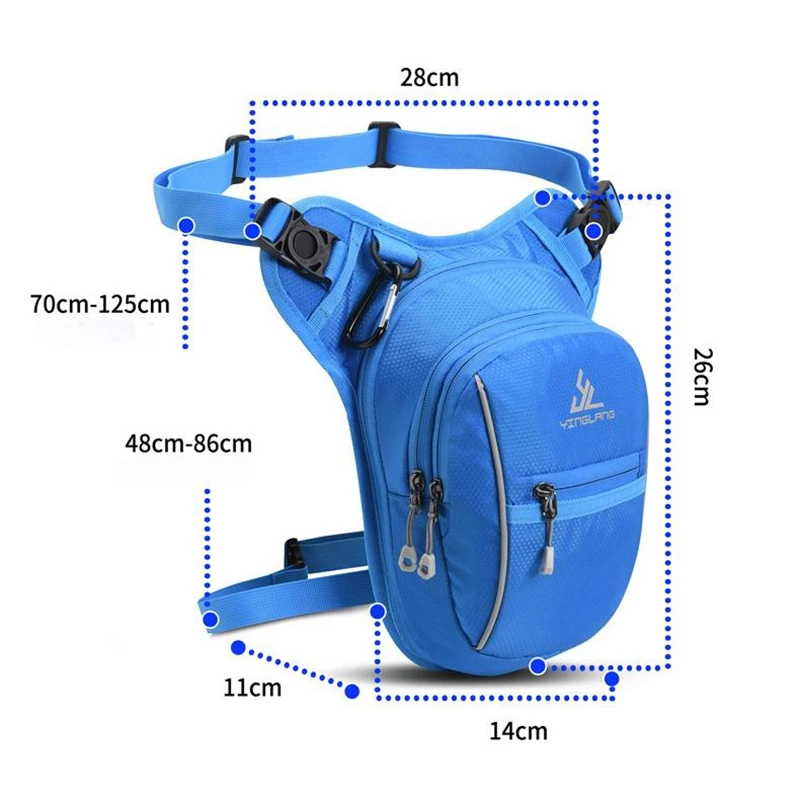
Heat transfer applies detailed artwork to a prepared bag panel using heat and pressure. It is useful for multicolor graphics and precise small details, provided the fabric, coating, placement and heat tolerance are validated on a sample.

Dye Sublimation
Dye sublimation transfers all-over or detailed color artwork into compatible polyester-based fabrics. The result is lightweight and integrated with the material, making it appropriate when artwork coverage, panel cutting and color approval are established early.

Custom Patches
Custom patches add a dimensional brand element through embroidered, woven or other approved patch formats. They can be sewn or applied according to the bag construction, with edge finish, attachment method and placement reviewed before production.

Laser Branding
Laser branding creates a precise mark on suitable PU, vegan leather or genuine leather components. It offers a restrained premium look without added ink, while material color, surface response and logo detail should be approved through physical sampling.
Hardware, Labels and Branded Bag Finishes

Custom Zipper Pulls
Choose zipper chains, sliders and branded pulls to match the bag’s use and visual direction. Yeenkran can source metal, rubber or cord pulls and confirm operation during sample approval.

Webbing and Buckles
Straps, adjusters, side-release buckles and D-rings are selected for carrying load, adjustment range and finish. They support tote handles, shoulder straps, backpacks and utility-focused custom screen printed bags.

Woven Brand Labels
Woven labels add a durable brand identifier at seams, interiors or pockets. Confirm label dimensions, fold style, artwork and placement in the sample so sewing allowance and visibility are production-ready.

Custom Patches
Add embroidered, woven, leather-look or other custom patches where a raised brand detail suits the design. Placement is reviewed alongside screen print artwork to prevent visual crowding or construction interference.

Hangtags and Packaging
Complete retail presentation with custom hangtags, dust bags, branded boxes or export-ready cartons. Provide artwork, packing requirements and destination needs early so quotations and final packing checks reflect the approved program.
Documentation Checks for custom screen printed bags
Request reports relevant to the approved shell, lining, coating, hardware or decoration for the custom screen printed bags specification.
Review the factory, production and quality records that apply to the confirmed manufacturing program.
Define required declarations or testing before sampling so the quotation reflects the destination market.
When recycled or specifically sourced materials are selected, request supplier records matched to the actual order.
Confirm fiber, care, packaging, carton marks and labeling information for the buyer’s sales channel.
The Complete Buyer’s Guide to custom screen printed bags
Use this decision framework to select bag styles, fabrics, print specifications and a qualified China supplier—while avoiding quality, artwork, MOQ, pricing and production mistakes that can undermine your branded bag program.
1. What Are custom screen printed bags?
100-piece programs can turn a bag blank or a cut-and-sewn shell into a branded product: screen printing pushes ink through a mesh stencil onto the panel or finished bag. The method suits bold logos, artwork and repeat graphics when placement is approved before production.
OEM orders use the buyer’s specifications; ODM begins from a manufacturer-developed base design. Private-label programs add the buyer’s identity to a defined product, while wholesale purchases ready-made styles with limited changes.
Yeenkran can develop custom screen printed bags for retail packaging, merchandise, promotions and coordinated private-label collections. Unlike generic printed totes, a brand order defines structure, fabric, pockets, straps, hardware, print placement, labels and retail packing together.
2. Evolution of custom screen printed bags
1960s promotional programs made hand-screened cotton and canvas totes a practical giveaway: one screen per color, manual registration, and large runs kept unit costs low. These bags prioritized bold logos over nuanced artwork.
By the 2000s, automatic presses improved repeatability, while water-based inks gained favor for softer hand feel and reduced plastisol use. Reusable fashion collections shifted demand toward coordinated Pantone color, print placement, and retail-ready presentation.
Today, 100-unit starting MOQs let e-commerce sellers test designs without ordering promotional-scale volume, subject to fabric and construction minimums. Buyers should source print method, ink system, fabric weight, and reorder controls together; an economical print cannot compensate for an unstable bag pattern.
3. Types of custom screen printed bags
Six silhouettes serve different buying goals: choose custom screen printed bags by load, print panel, retail price and end use. A 100-unit MOQ can support focused campaign or collection testing.
Totes And Zipper Shoppers
12–20 L totes suit events and everyday retail, with broad front panels for artwork.
15–25 L zipper shoppers protect commuter purchases; add lining and zipper cost for higher-value customers.
Drawstrings And Cosmetic Pouches
3–10 L drawstrings fit sports giveaways and youth campaigns, using simple one-panel printing.
1–3 L cosmetic pouches suit beauty sets; zipper gauge, lining and gusset depth determine usable capacity.
Backpacks, Grocery And Gift Bags
15–30 L backpacks target commuters, requiring reinforced straps and carefully placed print areas.
10–25 L grocery or gift bags favor repeat retail use; flat construction reduces cost while gussets increase carry volume.
4. Materials for custom screen printed bags
Eight material families cover most custom screen printed bags programs. GSM, weave, and fiber content determine ink coverage, structure, care, and claim substantiation.
| Material | Typical GSM | Best Use | Print Result | Sourcing Trade-Off |
|---|---|---|---|---|
| Canvas | 280–340 | Retail tote | Opaque, sharp | Higher freight |
| Cotton | 140–220 | Promotions | Clean detail | Can shrink |
| Organic cotton | 140–220 | Premium brands | Clean detail | Certified supply |
| Recycled cotton | 180–280 | Eco collections | Speckled finish | Variable tone |
| Non-woven PP | 70–120 | Events | Simple bold art | Shorter life |
| Jute | 250–350 | Gift bags | Rustic texture | Coarse weave |
| Polyester | 150–300 | Sports bags | Bright ink | Synthetic feel |
| RPET | 150–300 | Reusable bags | Consistent color | Document content |
Weight And Structure

140–180 GSM suits giveaways; 280–340 GSM canvas supports reusable retail totes.
Print And Care

Smooth cotton prints crisply; textured jute needs bolder art. Washable textiles should be cold-washed inside out.
Sustainability Claims

Certified organic or recycled claims require supplier documentation. RPET content and recycled-cotton percentages must match purchase records.
5. Customization for custom screen printed bags
100-unit custom screen printed bags benefit from a locked customization brief before sampling. State placement, print size, artwork colors, one- or two-side coverage, and Pantone targets.
| Method | Best Artwork | Tradeoff |
|---|---|---|
| Screen print | Flat spot colors | Setup per color |
| Heat transfer | Gradients | Film hand feel |
| Digital print | Photographic art | Fabric dependent |
| Embroidery | Textured logos | Can pucker light panels |
Artwork And Fabric

1-color art on smooth cotton or canvas is the simplest screen-print route.
4-color art needs separations; coated or textured fabrics can limit ink adhesion.
Ink And Color
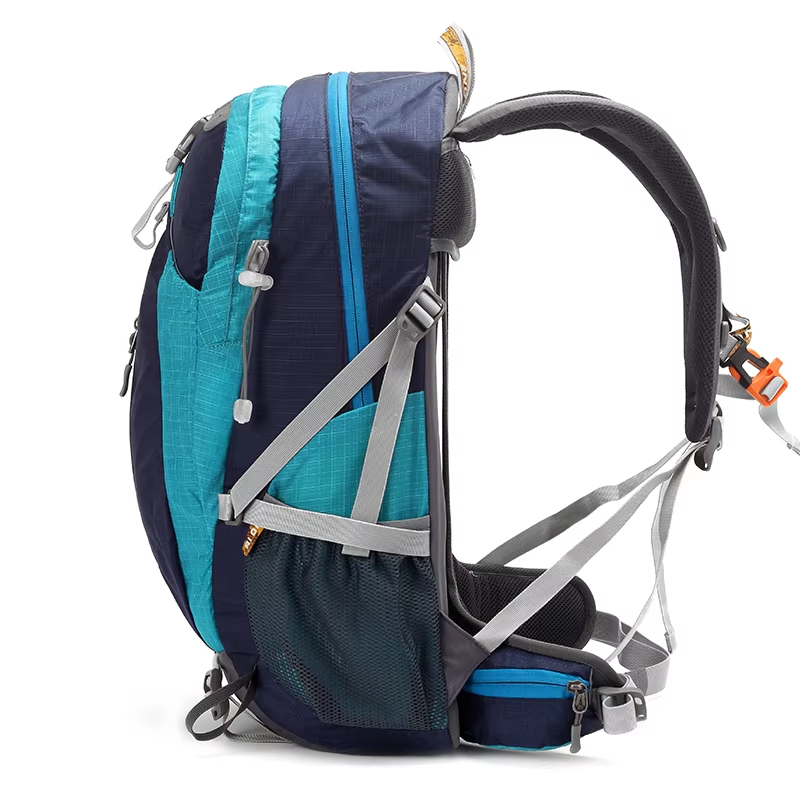
Water-based ink suits natural fabrics and a softer hand feel.
Plastisol gives opacity; match Pantone on an approved substrate.
Build The Brief

2 handle lengths, zipper or snap closure, lining, pockets, labels, hangtags, and packaging belong in the sample brief.
1 approved sample confirms print-to-seam clearance and label placement.
6. Construction and print quality essentials
Retail durability is set before artwork reaches the table. For custom screen printed bags, approve construction and print standards on the same production sample, then inspect against them during bulk packing.
Construction Checkpoints

an approved stitch-density standard suits many woven bag seams; confirm consistent fabric shade, lining, finished dimensions, and agreed tolerances. Bar-tack or box-X handle joins, strap anchors, and load-bearing corners.
- Check zipper movement and pull attachment
- Match approved hardware finish and function
Print Approval Standards

100% opacity is not universal, so approve coverage against the selected fabric and ink color. Specify Pantone targets, clean registration, fully cured ink, and no pinholes, cracking, or edge bleed.
- Request rub and wash test results
- Keep an approved strike-off sample
Inspection Evidence
A pre-production sample should show the exact fabric, zipper, lining, label, and print placement. During inspection, measure critical points, review reinforcement, and compare every printed panel with the sealed approval sample.
- Record defects with photos
- Verify packed quantity and carton markings
7. How to choose a bag manufacturer
A 100-piece MOQ is useful only when the supplier can translate approved artwork into repeatable bags. Vet evidence, not sales claims, before releasing a deposit.
Verify Factory Capability
Two completed bag programs, print photos, and pattern files demonstrate relevant experience.
Request a live factory video, sample-room review, and named production contact; refusal is a warning sign.
Test Development And Control
One pre-production sample should confirm fabric, Pantone artwork, placement, and construction.
Ask for incoming, in-line, and final QC records, plus applicable compliance documentation for materials.
Compare Commercial Evidence
Three quotation elements—MOQ, lead time, and export packing—should be itemized by material, print colors, hardware, and tooling.
Confirm swatch sourcing, revision timing, carton specifications, and communication cadence. A capable OEM/ODM partner explains pattern changes; a trading-only supplier often cannot.
8. Common buyer mistakes to avoid
Two approvals prevent most avoidable losses: a signed art proof and a pre-production sample. Before bulk production, document material, color, load, packing and claim requirements in the purchase order.
Lock Artwork And Print Limits

One signed proof should confirm artwork size, placement, ink colors and Pantone references. Check minimum line weight and fabric texture; otherwise fine detail, gradients or registration can fail.
Specify Materials And Performance

100 GSM savings can weaken a tote or change ink coverage. Approve swatches, stated fabric composition and load testing before production; verify recycled or certified claims with supplier documentation.
Approve Samples And Shipping
One pre-production sample exposes construction, color and print errors before repetition. Confirm carton dimensions, packed volume and supplier scope; the lowest quote can omit QC, packaging or export coordination.
9. Launching your printed bag collection
A 100-unit minimum can make a first collection testable, provided target retail price and margin are fixed before development. Build the launch around one approved specification, not a mood board alone.
Set The Commercial Brief
Three inputs—customer, retail price and channel—set capacity, material and decoration limits. Specify dimensions, pockets, Pantone colors, print positions and target delivery date.
Quote And Sample
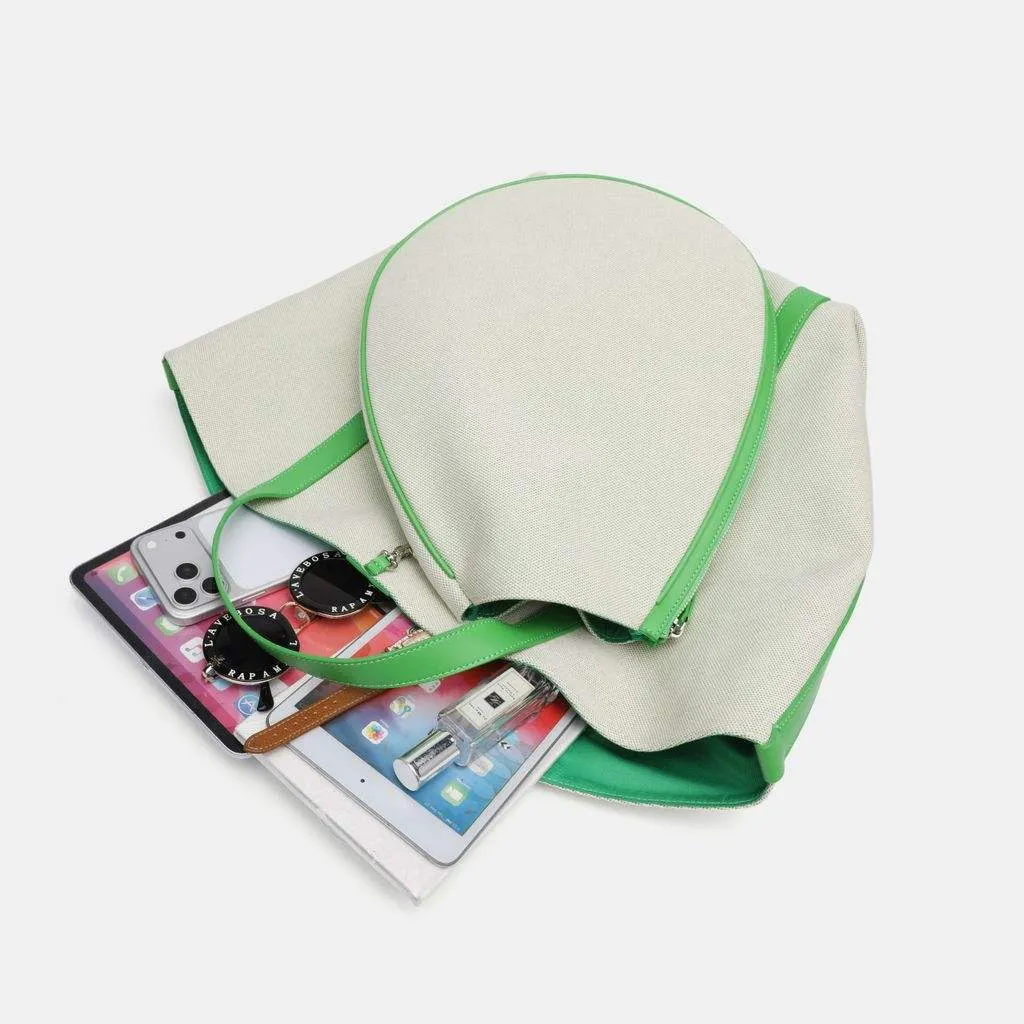
Two comparable quotations should separate tooling, sample, print, packaging and freight. Submit vector artwork, then revise the prototype until measurements, print registration and construction match approval.
Approve And Launch

One purchase order should lock the approved sample, tolerance sheet and packing instructions. Inspect before balance payment; photograph consistent labels, hangtags and lifestyle uses for product pages.
10. custom screen printed bags pricing
100 units per style and color is Yeenkran’s standard starting MOQ, subject to fabric minimums and construction complexity. Request a quote against an approved specification, not a sketch alone.
4 quote drivers determine the final figure: fabric and GSM, bag construction, print colors and print area, custom trims, quantity, packaging, and freight. Confirm Pantone matching, print placement, and delivery terms before comparing suppliers.
| Order quantity | Illustrative unit price | Typical lead time | Screen setup per color |
|---|---|---|---|
| 100–299 | US$3.80–8.50 | 25–35 days | US$25–60 |
| 300–999 | US$2.60–6.20 | 20–30 days | US$25–60 |
| 1,000+ | US$1.80–4.80 | 20–28 days | US$25–60 |
Start Your Custom Screen Printed Bags Project
Send your tech pack, reference sample, artwork, target quantity and destination for a project-specific quote or sample discussion.