
Custom Bag Manufacturer in China for OEM, ODM and Private Label
Yeenkran combines hardware sourcing, pattern engineering, sampling and production support for global sourcing and product teams.
Product Directions for custom bag hardware manufacturer






Production-Ready Bag Development Decisions
Turn hardware requirements into repeatable bag construction with clear approvals from pattern review through export packing.
Pattern and Fit Review
Review dimensions, load paths, strap placement and hardware clearances before patterns move into sampling and production planning.
Material and Trim Sourcing
Compare fabrics, webbing, zippers, buckles and branded trims against hand feel, durability, target cost and confirmed minimums.
Controlled Sample Approvals
Approve prototypes, measurements, construction details and material specifications before bulk production, with records retained for consistent reorders.
Reinforced Construction
Match stitching, webbing assembly, padded components and hardware installation to the bag’s intended load, use case and structure.
In-Process Quality Checks
Inspect incoming materials, construction, measurements, decoration, final appearance and packing to catch issues before shipment.
Export-Ready Coordination
Coordinate branded packaging, export cartons, final inspection and shipment preparation after order-specific production requirements are confirmed.
Related Manufacturing Capabilities
Explore adjacent services when specifying your bag project.
About Yeenkran, Your One-Stop Bag Manufacturing Partner
Founded in Wuhan, China in 2010, Yeenkran helps international bag brands move from an early concept, sketch, reference sample or tech pack to repeatable bulk production. As a custom bag hardware manufacturer, we align structure, materials, trims, branding and packaging with the intended use, target cost and market position.
Our integrated workflow brings pattern making, material and hardware sourcing, sampling, manufacturing, quality control, branded packing and export coordination under one accountable team. This gives sourcing and product teams clear approval points before production, from prototype measurements and hardware choices to pre-production samples and final packing checks.
Yeenkran supports coordinated programs across bags, luggage and small leather goods, with MOQ starting from 100 pieces per style and color, subject to confirmed material and craft minimums. Company-supplied operational figures include more than 200 skilled employees, monthly capacity above 60,000 bags and service to more than 1,200 bag and accessory brands.

Custom Bag Hardware Manufacturer Development Control Beyond the Specification
Pattern Engineering First
Yeenkran reviews dimensions, load paths, pocket layout, carrying system, reinforcement points and hardware placement before sampling. This converts a sketch, reference bag or tech pack into production-ready patterns, with approval checkpoints for shape, fit, capacity and assembly sequence.
- Review dimensions, use case and target cost before pattern release
- Confirm strap anchors, seam allowances and reinforcement areas
- Approve construction details before moving to materials and samples

Materials and Hardware Matched
Hardware choices are evaluated alongside fabric weight, webbing width, lining, foam and intended use. Your team can compare zippers, buckles, D-rings, pulls and trims by finish, strength, appearance, availability and material minimum before final specifications are locked.
- Compare trim options against function, finish and target price
- Check compatibility between hardware, webbing and bag structure
- Approve swatches and component selections before bulk commitments

Sample Refinement With Records
Sampling is where construction decisions become measurable. Yeenkran refines measurements, ergonomics, shape, decoration and hardware installation after feedback, then retains approved patterns, material specifications and sample records to support consistent bulk production and repeat orders.
- Review prototypes against approved dimensions and intended use
- Refine shape, pocket access and hardware installation details
- Retain approved specifications for repeatable reorders

Quality Checks at Key Stages
Quality control begins with incoming material inspection and continues through in-line construction checks, measurement and weight verification, decoration review, final appearance inspection and packing confirmation. Buyers gain clear checkpoints before goods are prepared for export.
- Inspect materials and hardware before production use
- Check construction, measurements and decoration during production
- Verify final appearance, packing and order readiness before shipment

Why Buyers Choose Yeenkran Over Typical Suppliers
A custom bag hardware manufacturer workflow for sourcing and product teams that need visible decisions from sample approval through repeatable reorders.
← Swipe left or right to view →
Custom Bag Hardware Manufacturer Workflow
A controlled development path that aligns hardware, structure, materials and approvals before repeatable bulk production.
Review Brief and Feasibility
We assess your concept, use case, dimensions, target price, capacity, pocket layout, hardware requirements, materials, decoration and packaging before confirming practical development options.
Source Materials and Hardware
Our team compares fabrics, linings, foam, webbing, zippers, buckles and branded trims against hand feel, durability, color, order volume and confirmed cost targets.
Engineer Patterns and Sample
Pattern makers convert approved requirements into construction details and a prototype, refining shape, measurements, carrying comfort, reinforcement points and hardware placement through buyer feedback.
Approve Specifications and Quote
After sample review, we lock key specifications, material selections, branding details, packaging and production requirements, then confirm quotation, MOQ and realistic lead-time planning.
Produce, Inspect and Pack
Bulk production follows approved records with incoming material checks, in-line construction review, final appearance inspection, measurement verification and packing checks before export carton preparation.
Coordinate Shipping and Reorders
We coordinate shipment after balance settlement and retain approved patterns, specifications and sample records to help sourcing teams maintain consistency across repeat orders.
How to Start Your Custom Bag Hardware Project
Move from a brief or reference to approved samples and controlled bulk production with clear material, hardware and costing decisions.
Submit Your Project Brief
Send a tech pack, sketch, reference sample, mood board or photo with dimensions, use case, target price, hardware requirements and branding priorities.
Confirm Materials and Quote
Review fabrics, webbing, zippers, buckles, pulls and finishes against durability, appearance, order volume and cost before confirming specifications and quotation.
Approve Your Development Sample
Evaluate the sample for shape, measurements, carrying comfort, hardware function, construction and decoration, then provide revisions until production requirements are documented.
Launch Controlled Bulk Production
After approval, Yeenkran retains production records, sources confirmed components and manages cutting, assembly, quality checks, branded packing and export coordination.
Buyer Approval Priorities for custom bag hardware manufacturer
Use the first custom bag hardware manufacturer sample to verify dimensions, access, carry comfort, materials and logo placement against one written approval list.
Keep approved patterns, material references and construction notes together so repeat orders can be checked against the same standard.
Coordinate pattern development, sourcing, decoration, quality checks and packing through one accountable project file.
Custom Bag Hardware Manufacturer FAQ
Clear answers for sourcing teams planning hardware-led bag development, sampling and repeatable bulk production.
What is the MOQ with a custom bag hardware manufacturer?
Can a custom bag hardware manufacturer develop from a sketch or reference sample?
How do I get a quotation for a custom bag hardware manufacturer project?
How long do custom bag hardware samples and bulk orders take?
Can I approve hardware before full bulk production begins?
What payment terms does Yeenkran offer for new bag programs?
Can you arrange export shipping for hardware-led bag orders?
How does Yeenkran protect my bag design and custom hardware details?
Explore Products for custom bag hardware manufacturer
Browse published Yeenkran product directions, then send your material, size, branding and quantity requirements for an OEM/ODM quotation.


Materials Matched to Your Bag’s Use and Construction

Canvas Cotton
A structured, natural-feel fabric for totes, shoppers, school bags and casual backpacks. Canvas offers a firm hand and reliable body; weight can be selected to balance everyday durability, shape retention and print performance.

Nylon Fabric
A smooth, lightweight option for travel, outdoor, commuter and technical bag programs. Nylon provides a crisp hand and strong abrasion resistance, with suitable constructions available for water-resistant finishes and reinforced hardware areas.

Polyester Fabric
A versatile, practical textile for backpacks, sports bags, coolers and promotional ranges. Polyester has a stable hand feel, accepts color well and can be specified in different weights for durability, lining or exterior panels.

RPET Recycled Textile
A recycled polyester option for brands developing lower-impact totes, backpacks and lifestyle bags. It has a familiar synthetic hand and can support durable woven constructions, subject to confirmed supplier availability, color and order volume.

PU Vegan Leather
A consistent, leather-look surface for structured handbags, crossbody bags, wallets and fashion accessories. PU and vegan leather offer a smooth or textured hand, controlled color matching and practical wipe-clean performance for branded finishes.

Genuine Leather
A premium material for handbags, small leather goods and elevated travel pieces. Genuine leather delivers a substantial, natural hand and develops character over time; thickness, grain and finish affect structure, wear resistance and cost.
Bag Decoration and Branding Processes

Custom Embroidery
Flat or three-dimensional embroidery adds a tactile, durable branded detail to compatible bag panels. Stitch density, backing, thread color, and placement are reviewed during sampling to protect shape and avoid distortion.

Screen Printing
Screen printing applies clear logo artwork and larger graphic areas on suitable fabrics. Ink choice, color coverage, panel texture, and intended use are checked in the sample so the finish remains visually consistent.

Heat Transfer
Heat transfer places detailed multicolor artwork on selected bag materials with controlled positioning. It is useful when fine graphics are needed; sample approval confirms adhesion, edge quality, flexibility, and compatibility with the fabric.
Dye Sublimation
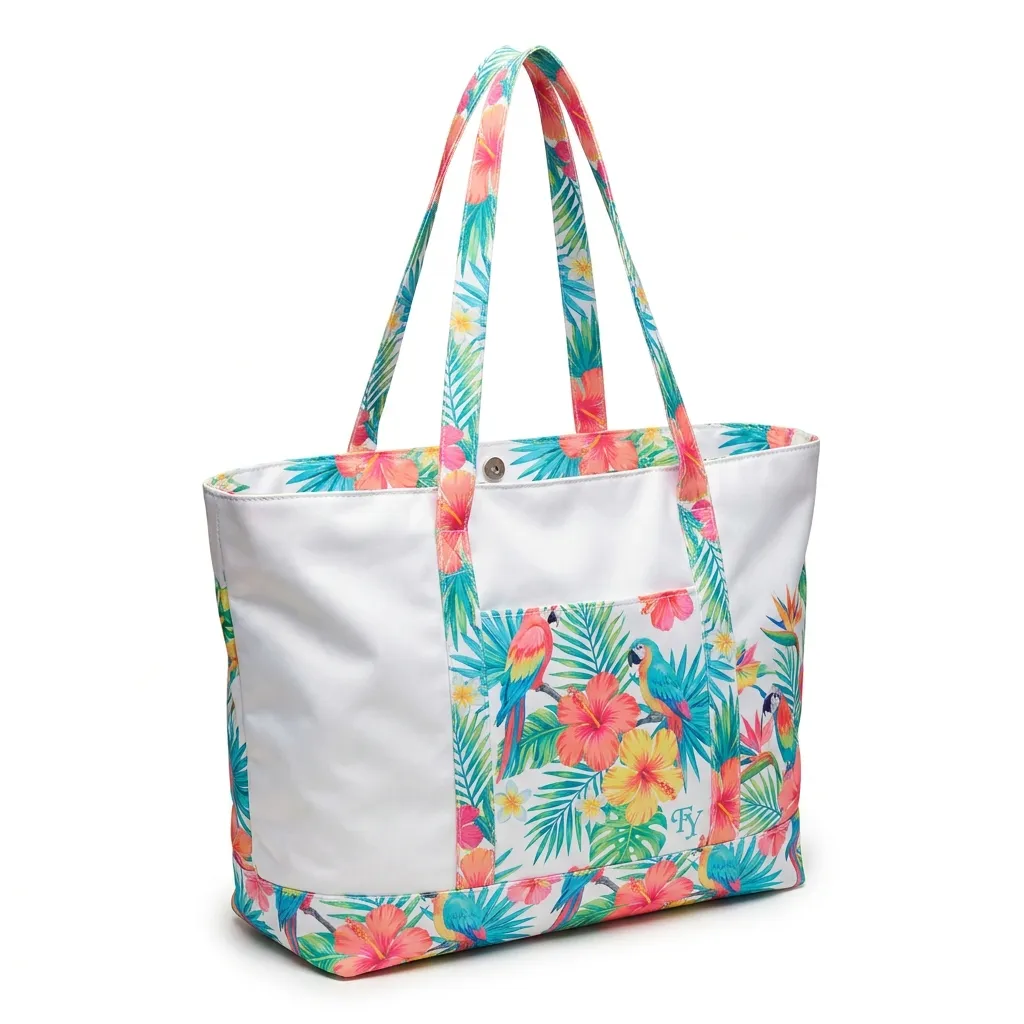
Dye sublimation creates all-over or detailed color graphics on compatible polyester-based materials. The process supports vivid, integrated artwork without a raised print layer, with color and panel alignment confirmed before bulk production.

Laser Engraving
Laser engraving produces precise branded marks on compatible leather, vegan leather, and selected hardware components. Sample review establishes contrast, scale, and placement, helping the mark remain legible without weakening the material.
Metal Branding
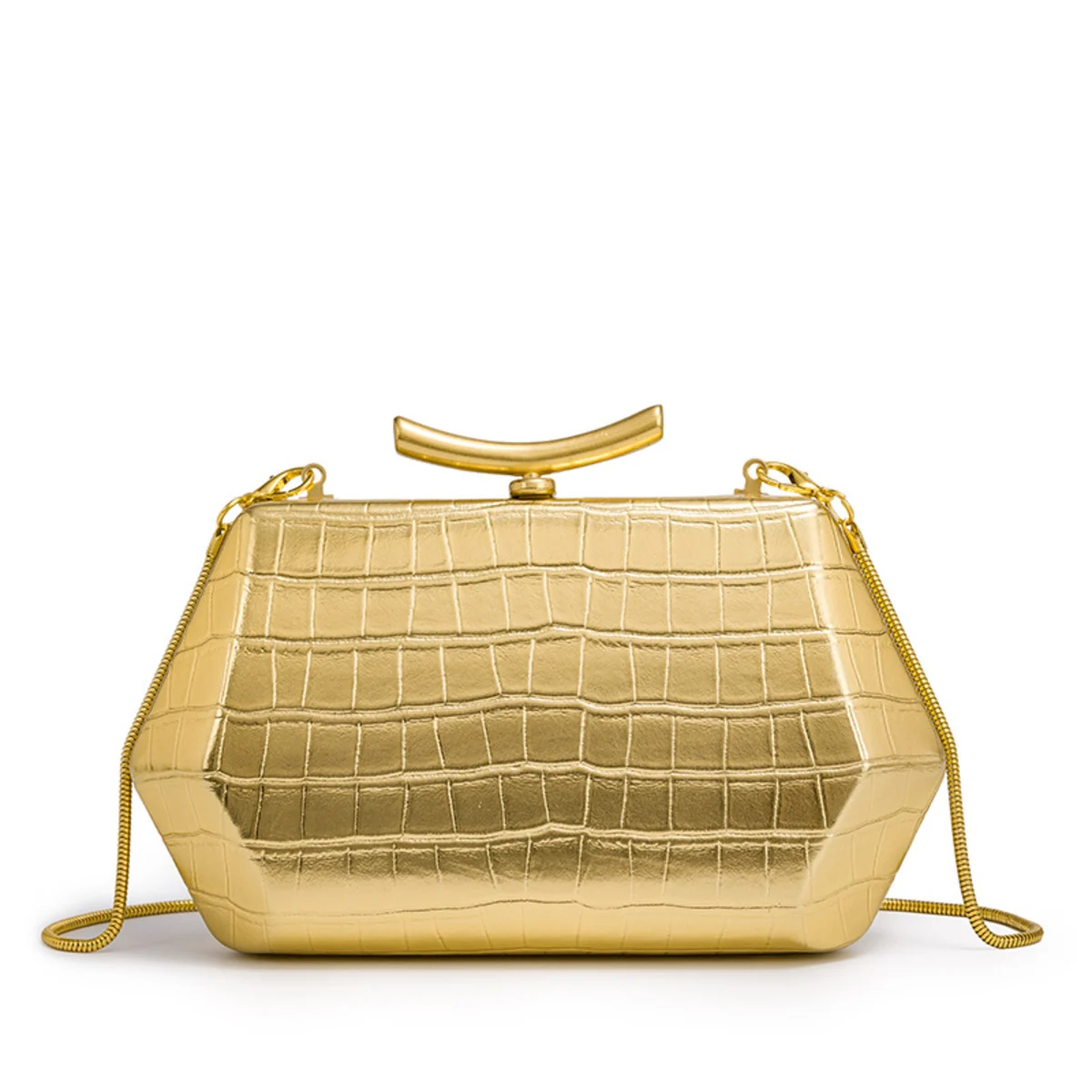
Metal branding uses custom metal labels, logo plates, or engraved components to reinforce a hardware-led bag identity. Yeenkran reviews finish, plating tone, attachment method, edges, and placement against the approved sample.
Bag Hardware, Trims and Branding Details

Custom Zipper Pulls
Specify pull shape, finish, logo treatment and attachment style for backpacks, totes, handbags and travel bags. Yeenkran sources zipper and pull combinations for sampling so opening feel, appearance and cost can be reviewed together.

Buckles and D-Rings
Select buckles, D-rings, adjusters and swivel hooks for strap systems, closures and attachment points. Size, finish, load expectations and webbing compatibility are checked during development to reduce assembly issues in bulk production.

Snaps and Rivets
Add snaps, magnetic closures, rivets and metal studs where pockets, flaps, handles or reinforced stress points require secure fastening. Sample approval helps confirm placement, finish and interaction with the chosen fabric or leather.

Webbing and Cord Locks
Choose webbing width, weave, color and hand feel for shoulder straps, compression systems and carry handles, then pair it with cord locks or tips for drawcord closures. Components are reviewed against construction and target pricing.

Woven Brand Labels
Apply woven labels, leather labels or metal labels to identify your collection without compromising the bag’s construction. Yeenkran can position labels on interiors, straps or exterior panels and verify branding during final inspection.

Hangtags and Packaging
Complete retail-ready orders with custom hangtags, dust bags, branded boxes and export cartons. Packaging specifications are confirmed with the bag sample so fold method, protection, labeling and presentation align with your sales channel.
Documentation Checks for custom bag hardware manufacturer
Request reports relevant to the approved shell, lining, coating, hardware or decoration for the custom bag hardware manufacturer specification.
Review the factory, production and quality records that apply to the confirmed manufacturing program.
Define required declarations or testing before sampling so the quotation reflects the destination market.
When recycled or specifically sourced materials are selected, request supplier records matched to the actual order.
Confirm fiber, care, packaging, carton marks and labeling information for the buyer’s sales channel.
Complete Guide to a Custom Bag Hardware Manufacturer
Use this decision framework to compare hardware options, evaluate supplier capabilities, control quality and costs, and avoid sourcing mistakes when choosing an OEM, ODM, private-label, or wholesale partner in China.
1. What Is a Custom Bag Hardware Manufacturer?
100-unit programs often need more than catalog buckles. A custom bag hardware manufacturer develops and supplies zippers, pulls, buckles, D-rings, snaps, rivets, cord locks, metal logos and webbing hardware to a specified design, finish and fit.
OEM production follows a buyer’s drawings; ODM adds development input; private-label applies the buyer’s branding; wholesale supplies standard components or finished goods. A finished-bag factory assembles the product, while a trader or distributor usually resells components without controlling tooling or process consistency.
2010-founded Yeenkran coordinates hardware sourcing with bag patterns, sampling, installation, finishing and inspection. Aligning these stages helps prevent mismatched attachments, inconsistent plating, weak setting and production delays.
2. Evolution of Custom Bag Hardware Manufacturing
2010s fashion cycles moved bag hardware beyond standard buckles and D-rings: logo plates, custom zipper pulls and color-matched finishes became collection-level design details. Global sourcing also widened choices among zinc alloy, stainless steel, aluminum and recycled-content trims, while increasing the need for consistent plating and documented specifications.
3D CAD, rapid prototypes and Pantone-referenced finish samples now let a custom bag hardware manufacturer validate dimensions, logo relief and assembly before tooling. This makes 100-unit bag programs more practical, although custom molds, minimum plating runs and complex finishes can still raise the effective MOQ.
REACH and restricted-substance expectations have tightened buyer due diligence on coatings, nickel release and material declarations. Chinese suppliers should therefore provide drawings, pre-production samples, finish standards and traceable inspection criteria—not merely a catalog photo.
3. Types From a Custom Bag Hardware Manufacturer
A custom bag hardware manufacturer should specify components by load path and opening frequency, not appearance alone. Six hardware families determine carrying comfort, closure reliability, silhouette, and brand recognition.
Buckles And Adjusters

25 mm and 38 mm buckles suit webbing straps; side-release, ladder-lock, and magnetic styles need matched webbing thickness and pull strength.
Zippers, Hooks And Clasps

#5 zipper sliders fit many bags, while hooks and swivel clasps connect removable straps. Specify zipper gauge, pull shape, spring action, finish, and left- or right-hand opening.
Rings, Chains And Frames

D-rings and O-rings transfer strap loads; chains, feet, and internal frames add style or structure. Confirm wire diameter, attachment point, corrosion resistance, and edge comfort.
Logo Plates

Metal logo plates identify a collection on flaps, fronts, or interiors. Choose dimensions, logo relief, plating color, fixing method, and whether rivet backs can contact lining.
4. Materials Used in Custom Bag Hardware
Material choice determines load capacity, finish life, and corrosion performance. A custom bag hardware manufacturer should match alloy or polymer to use, budget, and expected service life.
| Material | Strength / Weight | Corrosion / Finish | Cost / Use | Limitation |
|---|---|---|---|---|
| Zinc alloy | Medium / heavy | Good plating | Mid / clasps | Can pit |
| Brass | Strong / heavy | High / polished | High / luxury | Patinas |
| Stainless | High / heavy | Excellent / satin | High / outdoor | Harder to cast |
| Aluminum | Medium / light | Good / anodized | Mid / carabiners | Can deform |
| Iron | High / heavy | Low if unplated | Low / rings | Rust risk |
| Plastic | Low / light | Variable / molded | Low / adjusters | UV cracking |
| Recycled options | Variable | Variable | Mid / eco lines | Supply variation |
Load And Weight
Zinc alloy casts detailed forms but adds weight. Aluminum reduces mass, yet soft edges can deform.
Corrosion And Finish
Brass polishes richly and develops patina. Stainless resists corrosion best; plated iron needs dry-use protection.
Budget And Circularity
Plastic suits light, low-cost adjusters. Recycled metal or RPET trims need traceable feedstock and may limit finish consistency.
5. Customization Options for Bag Hardware
At 100-unit MOQs, buyers can specify hardware as a coordinated system rather than isolated trims. Lock dimensions, finishes, logo files and approved samples before production.
| Option | Best Use | Tooling |
|---|---|---|
| Stock part | Fast adaptation | Usually none |
| New shape | Distinctive identity | Custom mold |
| Logo marking | Brand recognition | Artwork required |
Form And Finish

Three controls define a custom part: shape, millimeter dimensions and attachment method. Custom molds are needed for new silhouettes; stock forms can accept plating, texture or logo changes.
Pantone references and physical finish chips reduce variation in gold, nickel, black or antique plating. Enamel fills, debossing, engraving and laser marking suit different logo detail levels.
Production File Control

One technical pack should show 2D artwork, vector logo, dimensions, tolerances, plating code and placement. Include matching zipper pulls, buckles, D-rings, rivets and packaging specifications.
Each approved master sample should be retained with finish chips and inspection photos. Reorder checks should compare logo clarity, color, assembly direction and component-set consistency.
6. Quality Elements of Custom Bag Hardware
Reliable hardware starts with the load path: rings, hooks and buckle bars need adequate wall thickness, smooth radii and securely reinforced attachment points. Approve samples only against defined functional and cosmetic criteria.
Functional Load And Action

10-cycle opening tests should show consistent spring return, latch engagement and buckle alignment without binding. Request a loaded prototype test that reflects the bag’s intended carry weight.
- No sharp edges or burrs
- No visible deformation under agreed load
- Straps, rivets and stitching remain secure
Finish And Attachment Checks

24-hour salt-spray testing is a practical corrosion screen for plated hardware; specify the method and pass standard in writing. Compare approved master samples for plating adhesion, Pantone-matched color, scratch resistance and logo clarity before bulk release.
- Tape-test plated surfaces
- Inspect color under consistent lighting
- Check every hardware attachment for wobble
7. How to Choose a Custom Bag Hardware Manufacturer
Choose a custom bag hardware manufacturer by validating the exact hardware category, not a general factory profile. Compare evidence from the sample room, production line, inspection records, and export paperwork before placing a bulk order.
Verify Technical Fit
Ask for comparable zipper pulls, buckles, D-rings, or rivets, plus drawings showing material, plating, dimensions, and load requirements.
Audit Process Control
Request sample lead time, MOQ by finish, incoming-inspection criteria, AQL reports, and photos or video of casting, plating, assembly, and final checks. Confirm which processes are in-house and which are outsourced.
Check Commercial Readiness
Review monthly capacity, export destinations, English response speed, applicable test reports or certifications, and written payment terms. Approve a golden sample and pre-production sample before releasing production.
8. Common Custom Bag Hardware Sourcing Mistakes
Two preventable decisions often turn low-cost hardware into late, inconsistent production. A custom bag hardware manufacturer should receive measurable approval criteria before a purchase order.
Price And Fit
A 0.2 mm tolerance can change clasp fit or strap alignment. Compare landed cost, specify drawings and mating-part gauges before approving price.
Samples And Finish
Three production pulls reveal faults a display sample misses. Cycle-test closures, compare plating against a retained master, and define acceptable scratches, color variation, and reject limits.
Tooling, Lead Times, Compliance
100% clarity on cavity-tool ownership prevents replacement disputes. Put tooling custody, dated critical-path lead times, and required REACH, CPSIA, or nickel-release evidence in the purchase order.
9. Steps to Launch Custom Bag Hardware
A 100-unit program starts with a component brief matched to the bag’s load, finish, logo treatment, and target price. Lock ownership and approvals before any supplier releases material or tooling.
Brief And Approval

Week 1: send dimensions, Pantone, plating, logo artwork, and a physical reference or CAD. The bag factory confirms attachment points; the hardware supplier confirms manufacturability.
Prototype And Tooling

Weeks 2–4: approve a prototype, then test fit, pull strength, zipper travel, and finish against the bag sample. Release molds only after written approval and a confirmed quotation.
Production To Shipment
Before bulk cutting, approve a pre-production sample with final hardware installed. Use dated checkpoints for material arrival, assembly, final inspection, packing, and shipment; Yeenkran can coordinate these handoffs in one workflow.
10. Custom Bag Hardware Pricing and Costs
100-unit programs can carry higher hardware cost per bag because setup, sourcing, and minimum material commitments are spread across fewer pieces. A custom bag hardware manufacturer needs finalized drawings, dimensions, alloy or polymer choice, finish, logo method, testing scope, packing, and delivery target before quoting.
2 cost layers should be separated: one-time development charges cover tooling, molds, artwork, and sample approval; recurring costs cover each production unit, plating, assembly, inspection, and packaging. Longer lead times may permit consolidated sourcing, while expedited schedules can raise freight and handling costs.
| Cost driver | Typical effect on unit cost |
|---|---|
| Quantity tier | Higher volume generally lowers allocated setup cost |
| Material and finish | Zinc alloy, brass, nylon, plating, and multi-color finishes change cost |
| Logo treatment | Laser marks cost less complexity than custom molds or enamel |
| Testing and packaging | Load testing, salt-spray requirements, retail packaging, and inserts add recurring cost |
Ready to Work With a Custom Bag Hardware Manufacturer?
Send your tech pack, reference sample, or concept for feasibility review, hardware sourcing options, sampling checkpoints, and a production-focused custom quote.