
Custom Bag Manufacturer in China for Bonded and Sewn Designs
Yeenkran takes bag projects from patterns and samples to quality-controlled bulk production, with OEM, ODM, private-label and wholesale programs from 100 units per style and color.
Product Directions for bag bonding manufacturing
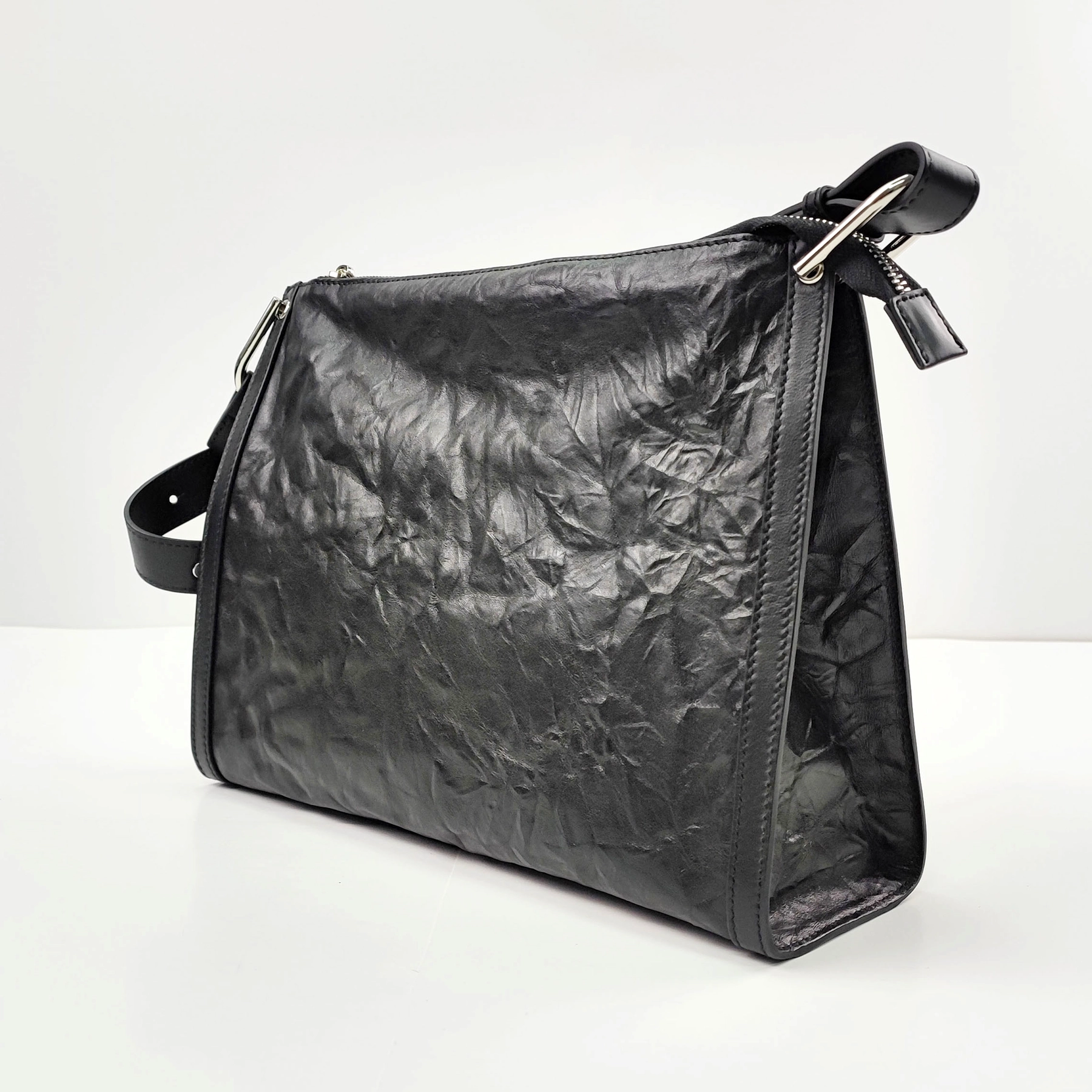


Bag Bonding Manufacturing Backed by Production Control
From pattern decisions to branded packing, Yeenkran aligns development checkpoints with the construction, cost, and repeatability your order requires.
Pattern Engineering
We convert sketches, samples, and tech packs into production-ready patterns that define shape, seam placement, dimensions, and bonded-panel assembly.
Material and Hardware Sourcing
Compare fabrics, foam, trims, zippers, and hardware by hand feel, performance, color, availability, minimums, and target cost before approval.
Reinforced Construction
Bonding, reinforced seams, padded components, webbing, and hardware installation are planned around carrying loads, use conditions, and the approved sample.
Sample Approval Checkpoints
Review swatches, prototypes, measurements, ergonomics, decoration, and assembly details before bulk production begins, reducing avoidable changes after order confirmation.
In-Line Quality Control
Incoming materials, construction, measurements, decoration, final appearance, and packing are checked throughout production against approved specifications and sample records.
Branded Retail-Ready Packing
Complete your bonded bag program with woven labels, patches, hangtags, dust bags, branded boxes, and export cartons matched to your selling channel.
Related Manufacturing Capabilities
Explore adjacent services when specifying your bag project.
Reinforced Bag Construction
Review reinforced bag construction requirements alongside this service.
View CapabilityAbout Yeenkran Bag Bonding Manufacturing
Founded in Wuhan, Hubei, in 2010, Yeenkran is a one-stop bag manufacturing partner for projects from early concepts through production. We combine in-house pattern development, sampling, cutting, sewing, finishing, quality control, material and hardware sourcing, branded packing and export coordination in one accountable workflow.
Our team develops backpacks, handbags, totes, travel bags, tool bags and small leather goods across fashion, lifestyle, outdoor and accessory programs, with OEM, ODM, private-label, wholesale and low-MOQ options. MOQ starts from 100 pieces per style and color, subject to confirmed material minimums and construction requirements. Company-supplied figures report more than 200 skilled employees, monthly capacity above 60,000 bags and service to more than 1,200 bag and accessory brands.
What distinguishes Yeenkran is production-minded development. We review use case, dimensions, target cost, material behavior, carrying systems, pocket layouts, hardware and bonding details before samples move forward. Approved patterns, specifications and sample records are retained to help buyers achieve consistent repeat orders.

Core Bag Bonding Manufacturing Capabilities
Pattern Engineering Before Sampling
Yeenkran translates a tech pack, sketch, reference bag or concept into production-ready patterns for bag bonding manufacturing. The team reviews dimensions, capacity, bonded-panel placement, seam allowances, carrying loads and hardware interfaces before committing to a prototype.
- Confirm dimensions, pocket layout and intended use
- Define bonded seams alongside sewn reinforcement points
- Review strap anchors, panel structure and hardware fit
- Retain approved pattern records for future reorders

Material Trade-Off Review
Bonded construction depends on compatible materials, adhesives and assembly conditions. Yeenkran helps sourcing teams compare canvas, nylon, polyester, PU, vegan leather and recycled textiles against hand feel, thickness, water resistance, abrasion needs, color requirements and target cost.
- Compare face fabric, lining and reinforcement combinations
- Assess material thickness and bonding suitability
- Source zippers, webbing, buckles and custom trims
- Confirm material minimums before final quotation

Sample Refinement With Evidence
A sample is the approval checkpoint for shape, ergonomics and construction—not simply a visual mockup. After buyer feedback, Yeenkran refines bonded areas, measurements, pocket access, strap comfort, decoration and packaging details before the pre-production sample establishes the bulk standard.
- Review shape, capacity and user handling
- Adjust bonding placement and reinforcement details
- Approve materials, colors, branding and decoration
- Use the approved sample as production reference

Repeatable Bulk Production Controls
Once specifications are approved, Yeenkran aligns cutting, bonding, sewing, hardware installation, finishing and packing to the documented sample. Incoming material checks, in-line construction review, measurements and final packing verification help protect consistency from the first order through repeat production.
- MOQ starts at 100 pieces per style and color
- Check incoming materials before production release
- Inspect bonded construction and finished appearance in line
- Verify measurements, decoration and export packing

Why Choose Yeenkran for Bag Bonding Manufacturing
Compare the development controls, sourcing visibility and production records that help product teams approve bonded bag programs with confidence.
← Swipe left or right to view →
Bag Bonding Manufacturing Workflow
A controlled development and production path for sourcing teams, from feasibility review through export-ready packing.
Review Project Feasibility
We assess your design, use case, target price, dimensions, bonded construction, capacity, materials, hardware, decoration, packaging, and order-specific minimums before quotation.
Source Materials and Hardware
Our team compares fabrics, linings, foam, structural parts, zippers, webbing, and trims against hand feel, durability, water resistance, color, sustainability, and cost.
Engineer Patterns and Samples
Pattern makers translate approved requirements into construction details and prototypes, then refine shape, measurements, ergonomics, bonding positions, and assembly through buyer feedback.
Confirm Specifications and Order
After sample approval, we lock patterns, material specifications, hardware, decoration, packing requirements, quantities, timelines, and the MOQ starting from 100 pieces per style and color.
Produce and Inspect Bags
Production covers cutting, sewing, bonding, reinforcement, hardware installation, finishing, and in-line checks, followed by measurement, appearance, decoration, and packing verification.
Pack and Coordinate Export
Approved bags receive branded packaging or export cartons as specified. We coordinate final balance confirmation, shipping arrangements, and documentation for your destination market.
Documentation for Buyer Review
Yeenkran can provide order-specific supplier, material, inspection and packing records for buyer review, subject to confirmed materials and destination-market requirements.
Submit Your Concept
Send a tech pack, sketch, reference sample, mood board, or product brief with target dimensions, use case, materials, branding, quantity, and target price.
Review Feasibility and Quote
Yeenkran assesses bonded construction, patterns, materials, hardware, decoration, packaging, and MOQ requirements, then provides recommendations, lead-time expectations, and an order-specific quotation.
Approve Your Sample
Review the prototype for shape, measurements, bond performance, ergonomics, color, trims, and branding. Confirm revisions before Yeenkran locks approved specifications for production.
Confirm Bulk Production
Approve final details and order terms, then Yeenkran sources confirmed materials, manages cutting and bonding, performs in-line checks, and verifies finished packing before shipment.
Buyer Approval Priorities for bag bonding manufacturing
Use the first bag bonding manufacturing sample to verify dimensions, access, carry comfort, materials and logo placement against one written approval list.
Keep approved patterns, material references and construction notes together so repeat orders can be checked against the same standard.
Coordinate pattern development, sourcing, decoration, quality checks and packing through one accountable project file.
Bag Bonding Manufacturing FAQ
Key approval, sourcing, sampling and production questions for bonded bag programs.
What is the MOQ for bag bonding manufacturing?
How long does a bag bonding manufacturing sample take?
What information do I need to get a bag bonding manufacturing quote?
How are bonded seams and construction details approved before production?
What does bag bonding manufacturing cost, and what affects the price?
What payment terms are available for a first bag order?
Can Yeenkran arrange export shipping for bonded bags?
How does Yeenkran protect my bag design and product information?
Explore Products for bag bonding manufacturing
Browse published Yeenkran product directions, then send your material, size, branding and quantity requirements for an OEM/ODM quotation.


Materials for Bag Bonding Manufacturing
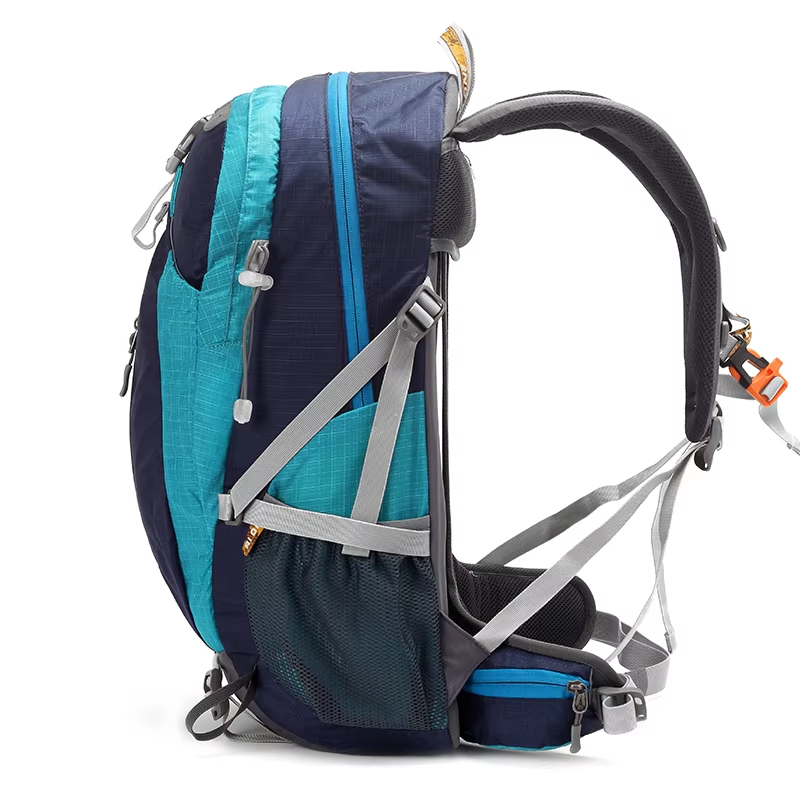
Water-Resistant Nylon
A smooth, lightweight synthetic fabric suited to commuter, travel and outdoor bags. Nylon offers good abrasion resistance and can be specified with water-resistant finishes for bonded panels requiring a clean technical surface.

Oxford Polyester
A practical woven fabric for school, laptop, tote and promotional bags. Its textured hand and broad weight options support durable everyday construction, while coating choices can improve water resistance for bonded components.

RPET Recycled Textile
A recycled polyester option for brands developing lower-impact totes, backpacks and lifestyle bags. Available in multiple weaves and weights, RPET lets teams assess hand feel, color and construction performance before bulk approval.

PU Vegan Leather
A consistent, leather-look material for structured handbags, crossbody bags and fashion accessories. PU vegan leather provides a smooth or textured hand and supports shape-focused designs where surface finish and edge details matter.

Canvas Cotton
A natural-feel material for shopper totes, beach bags and casual lifestyle styles. Canvas can be selected in different weights for body and durability, giving the finished bag a substantial, tactile character.
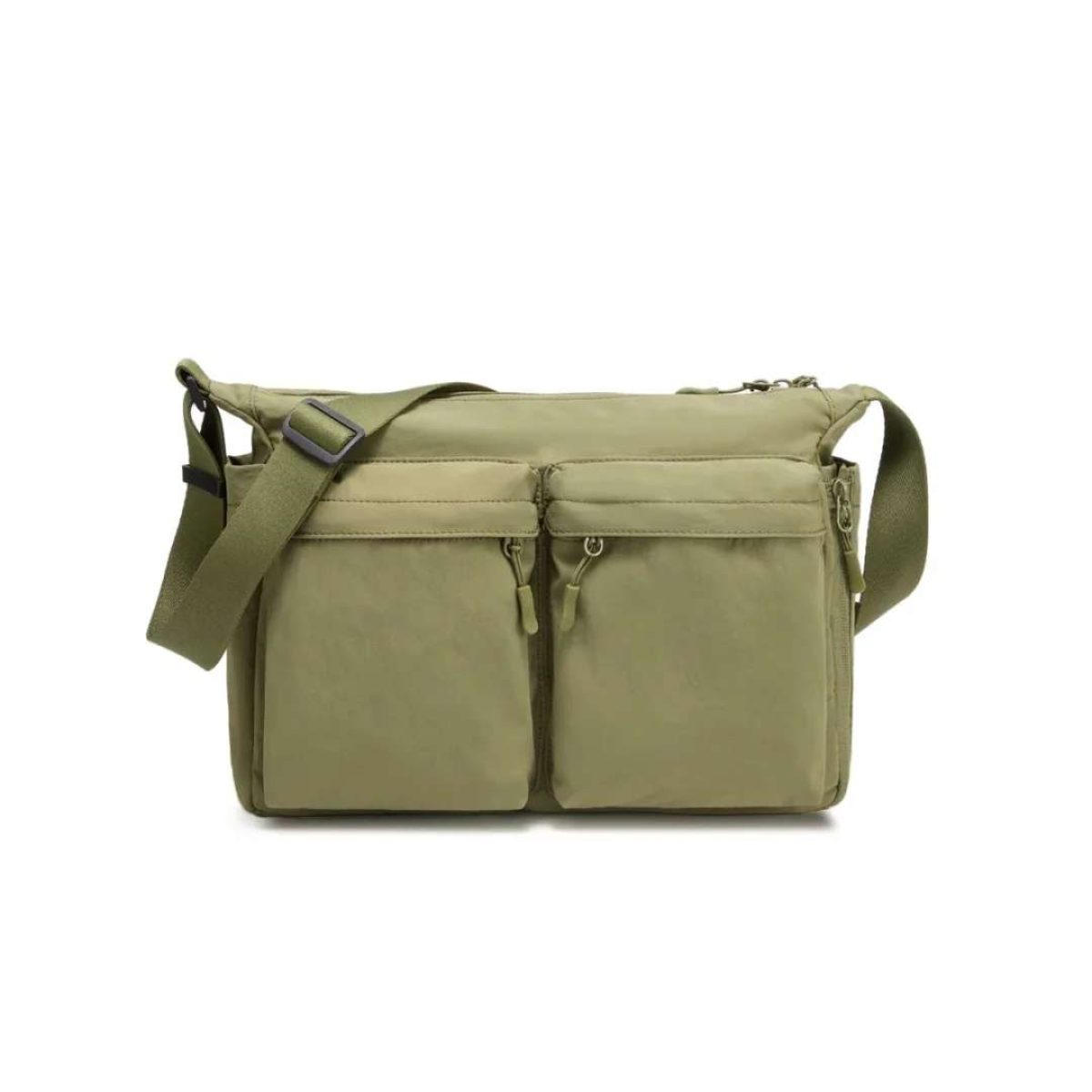
Cordura Technical Fabric
A robust technical textile for hiking, tactical, camera and high-wear commuter bags. Known for abrasion resistance, Cordura can be evaluated alongside reinforcement and bonding requirements for demanding use conditions.
Bag Bonding Manufacturing and Decoration Processes

Panel Bonding
Bonding joins compatible bag panels and components with controlled adhesive application and finishing. It can create clean, low-profile edges and reduce stitch exposure, while material testing during sampling confirms the required adhesion and appearance.

Reinforced Seams
Reinforced sewing supports load-bearing zones such as straps, handles, pocket corners, and high-stress joins. Construction is matched to fabric weight, foam, webbing, and intended carrying capacity for a durable, production-ready result.

Custom Embroidery
Flat or three-dimensional embroidery adds a tactile branded mark to suitable bag panels, patches, or labels. Stitch density, backing, thread color, and placement are reviewed on the sample to protect shape and maintain a clear finish.

Screen Printing
Screen printing applies bold artwork and solid-color logos to compatible canvas, cotton, polyester, and other fabric surfaces. Artwork scale, ink coverage, color separation, and panel location are checked to achieve consistent visual impact across production.

Heat Transfer
Heat transfer is suited to detailed logos, multi-color artwork, and controlled placement on selected bag materials. Yeenkran evaluates the substrate, transfer finish, temperature response, and wear expectations during sampling before approving the production method.
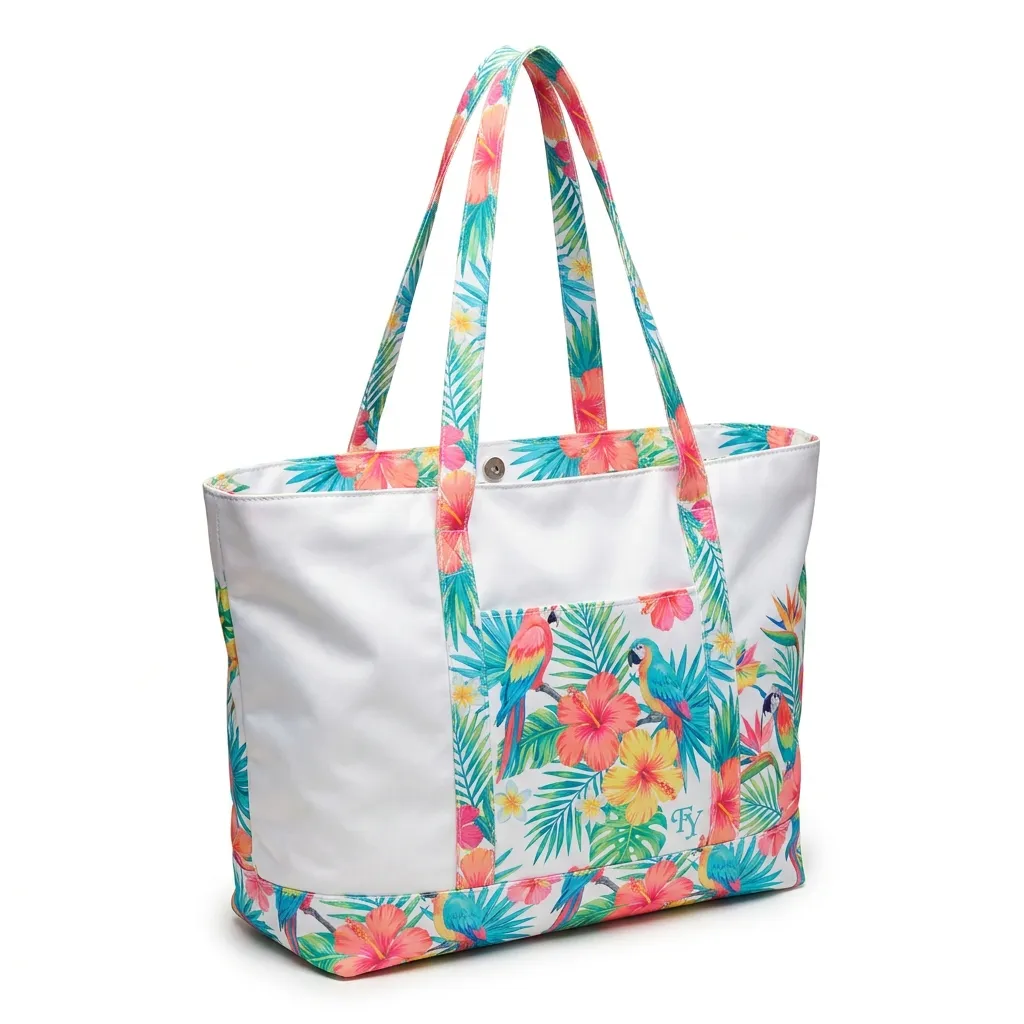
Dye Sublimation
Dye sublimation supports full-color, all-over graphics on suitable polyester-based fabrics before assembly. It delivers integrated color without a raised print layer, while artwork alignment and panel cutting must be approved to preserve the intended design.
Hardware, Trims and Accessories for Bag Bonding Manufacturing

Custom Zippers Pulls
Select zipper types, finishes and custom pulls to match access needs, load requirements and brand direction. Yeenkran sources options during sampling so opening feel, placement and pull attachment can be approved before bulk production.

Buckles and D-Rings
Buckles, D-rings, snaps and cord locks support adjustable straps, closures and modular carry functions. Confirm material, finish, size and attachment method against the bag’s bonded panels and intended daily use.

Webbing and Straps
Specify webbing width, weave, color and reinforcement for shoulder straps, handles and compression details. The development team checks compatibility with bonded seams, hardware openings and carrying loads during sample review.

Woven Brand Labels
Add woven labels, leather labels, metal labels or internal care labels for consistent brand identification. Label position, stitching or bonding method, artwork and edge finish are reviewed alongside the approved construction specifications.
Custom Patches Branding
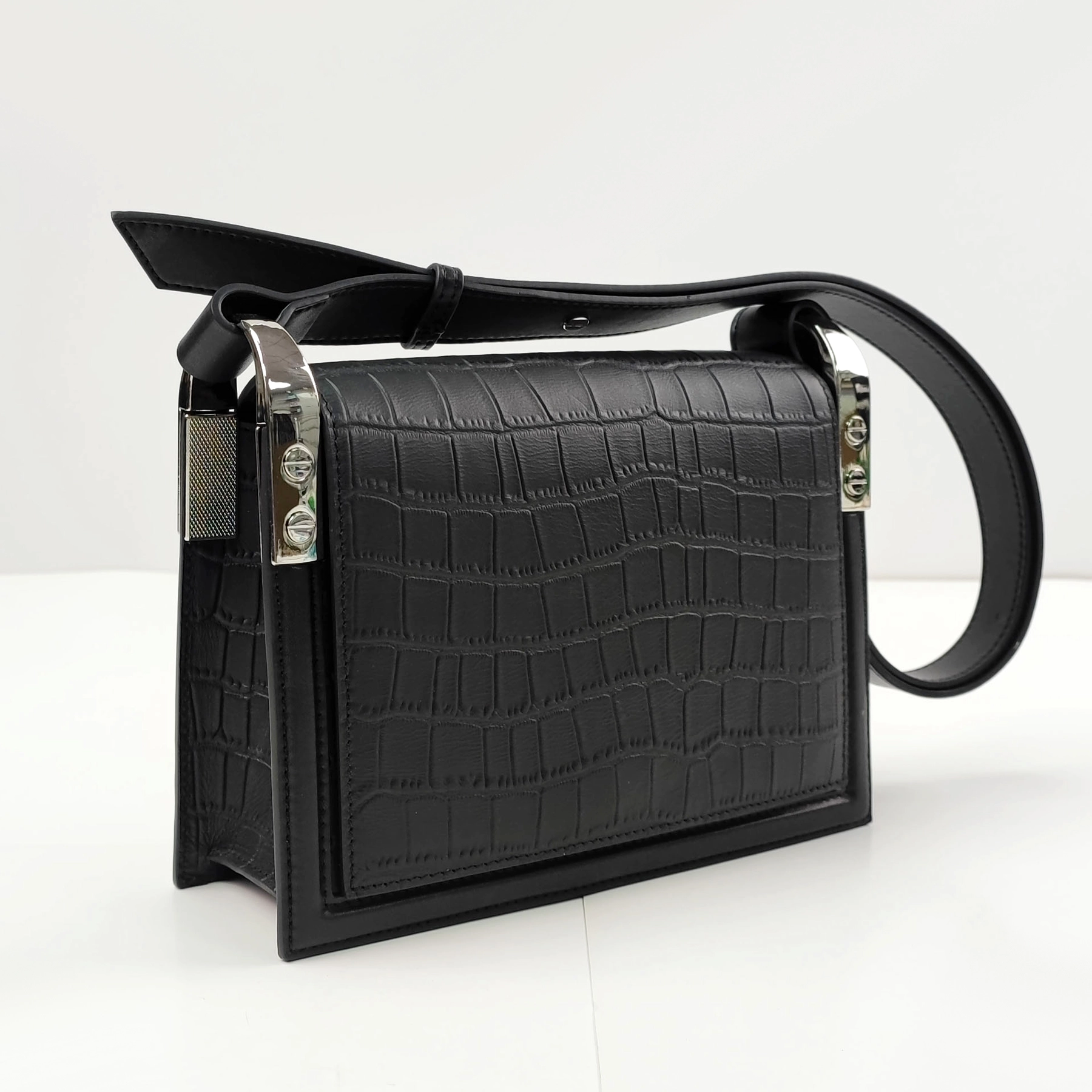
Use embroidered patches, applique, screen printing, heat transfer, laser engraving or metal branding where the material and panel structure allow. Decoration samples help confirm clarity, durability and placement before production approval.

Hangtags Retail Packaging
Complete the program with custom hangtags, dust bags, branded boxes, polybag requirements and export cartons. Packing details are confirmed before bulk production to support retail presentation, shipment protection and buyer-specific labeling needs.
Documentation Checks for bag bonding manufacturing
Request reports relevant to the approved shell, lining, coating, hardware or decoration for the bag bonding manufacturing specification.
Review the factory, production and quality records that apply to the confirmed manufacturing program.
Define required declarations or testing before sampling so the quotation reflects the destination market.
When recycled or specifically sourced materials are selected, request supplier records matched to the actual order.
Confirm fiber, care, packaging, carton marks and labeling information for the buyer’s sales channel.
Buyer’s Guide: Bonded-Bag Construction and Supplier Selection
Use this decision framework to compare bonding methods, materials, supplier capabilities, quality controls, pricing, and launch requirements while avoiding sourcing mistakes that compromise durability, brand presentation, and delivery.
1. What Is Bag Bonding Manufacturing?
4 joining methods define bag bonding manufacturing: adhesives, heat lamination, radio-frequency welding, and ultrasonic welding. They join coated fabrics, films, webbing, or panels without stitching, or reinforce selected stitched seams.
2 practical gains are cleaner seam lines and less layered bulk, especially on waterproof backpacks, pouches, and technical travel bags. Properly matched bonding can also limit water entry and enable shaped pockets, welded logos, and low-profile construction.
100-piece MOQ programs can use bonding during OEM development, ODM adaptation, private-label branding, or repeat wholesale production. The process should be specified in the tech pack with material compatibility, seam location, strength expectations, and sample approval criteria.
2. Evolution of Bag Bonding Manufacturing
Coated synthetics expanded the use of bonded bag panels, particularly where clean seam lines or water resistance matter. RF welding, heat sealing and ultrasonic processes can be suitable for compatible materials, but method selection and prototype testing should be confirmed for each specification.
For 100-piece MOQ programs, bonding may be used in OEM development, ODM adaptation, private-label branding or repeat wholesale production. The tech pack should define material compatibility, seam location, performance expectations and sample-approval criteria.
3. Types of Bag Bonding Manufacturing
Five methods dominate bag bonding manufacturing, but material chemistry determines the viable choice. Buyers should compare seam appearance against peel strength, water resistance, tooling, and cycle time.
| Method | Principle | Materials | Applications | Visual Result | Trade-Off |
|---|---|---|---|---|---|
| Adhesive | Chemical adhesive | Coated textile, PU | Trim lamination | Clean, no stitch | Low cost; heat limits |
| Heat Tape | Hot-melt tape | Coated nylon, TPU | Waterproof seams | Taped seam | Fast; tape may peel |
| RF Welding | Radio-frequency weld | PVC, TPU | Dry bags | Smooth seam | Fast; high tooling cost |
| Ultrasonic | Vibration fusion | Synthetics, nonwovens | Pouches, webbing | Fine stitchless line | Fast; limited thickness |
| Hybrid | Bonded and sewn | Mixed materials | Backpacks, duffels | Technical reinforced seam | Higher labor; strongest |
Adhesive And Tape Bonds

Hot-melt tape seals coated seams; adhesive suits trim lamination.
Welded Seam Processes
RF and ultrasonic methods create stitch-free seams on compatible films.
Hybrid Construction

Bonding plus sewing protects stressed load-bearing areas.
4. Materials for Bag Bonding Manufacturing
Material weight, coating chemistry, and surface energy determine whether a bonded seam remains flexible and visually clean. TPU, PVC, PU-coated textiles, and laminates respond differently to heat, pressure, and cold.
| Material | Best Use | Bonding Consideration |
|---|---|---|
| TPU laminate | Waterproof bags | Flexible, heat-sensitive |
| PVC | Cosmetic bags | Control heat carefully |
| PU-coated polyester | Totes and backpacks | Test coating adhesion |
| Nonwoven | Promotional bags | Use economical settings |
Film And Coated Fabrics
TPU bonds cleanly and stays flexible; PVC can stiffen or discolor under excessive heat. PU-coated nylon and polyester need coating-compatible parameters.
Base Fabric Selection

210D–600D nylon suits lightweight backpacks, while polyester provides stable color for totes and cosmetic bags. Low-energy surfaces may require tested adhesive or film systems.
Match Material To Use

Nonwoven fabric suits promotional bags; leather alternatives and multilayer laminates fit structured or water-resistant programs. Confirm temperature tolerance after flex testing, especially for waterproof bags.
5. Customization and Decoration Options
At Yeenkran, bonded-bag development starts with dimensions, silhouette, Pantone color, lining, pocket layout, straps, hardware and zipper specification. A 100-unit MOQ can work when material minimums and construction complexity permit.
| Method | Best Use | Bonding Caution |
|---|---|---|
| Heat transfer | Fine color logos | Keep off seams |
| Screen printing | Flat graphic panels | Test coating adhesion |
| Woven label | Brand identification | Sew outside bond zone |
| Embossing | PU or leather panels | Confirm pressure sample |
Build Specification

Each tech pack should define zipper type, puller, webbing, buckle, D-ring, seam allowance and logo location. One approved sample prevents bonding changes from distorting pockets or carrying geometry.
- Specify exterior and lining colors separately.
- Provide Pantone references and physical swatches.
- Mark artwork size and placement tolerances.
Decoration Selection

Heat transfer, screen printing, patches and woven labels suit many bonded panels when kept clear of bond lines. Embossing or debossing needs a compatible PU or leather-facing material and a pressure-tested sample.
- Avoid decoration across coated seam edges.
- Use vector artwork for small logos.
- Confirm ink adhesion after flex testing.
Sample Before Bulk
One pre-production sample should verify color, coating response, logo position and decoration adhesion before bulk cutting. Final approval should include an artwork file, Pantone callout and placement drawing.
6. Construction Quality in Bag Bonding Manufacturing
For bag bonding manufacturing, approve construction through both visual and functional checks. A clean surface cannot compensate for weak adhesive coverage, uneven overlap, or a leaking seam.
Bonded Seam Inspection
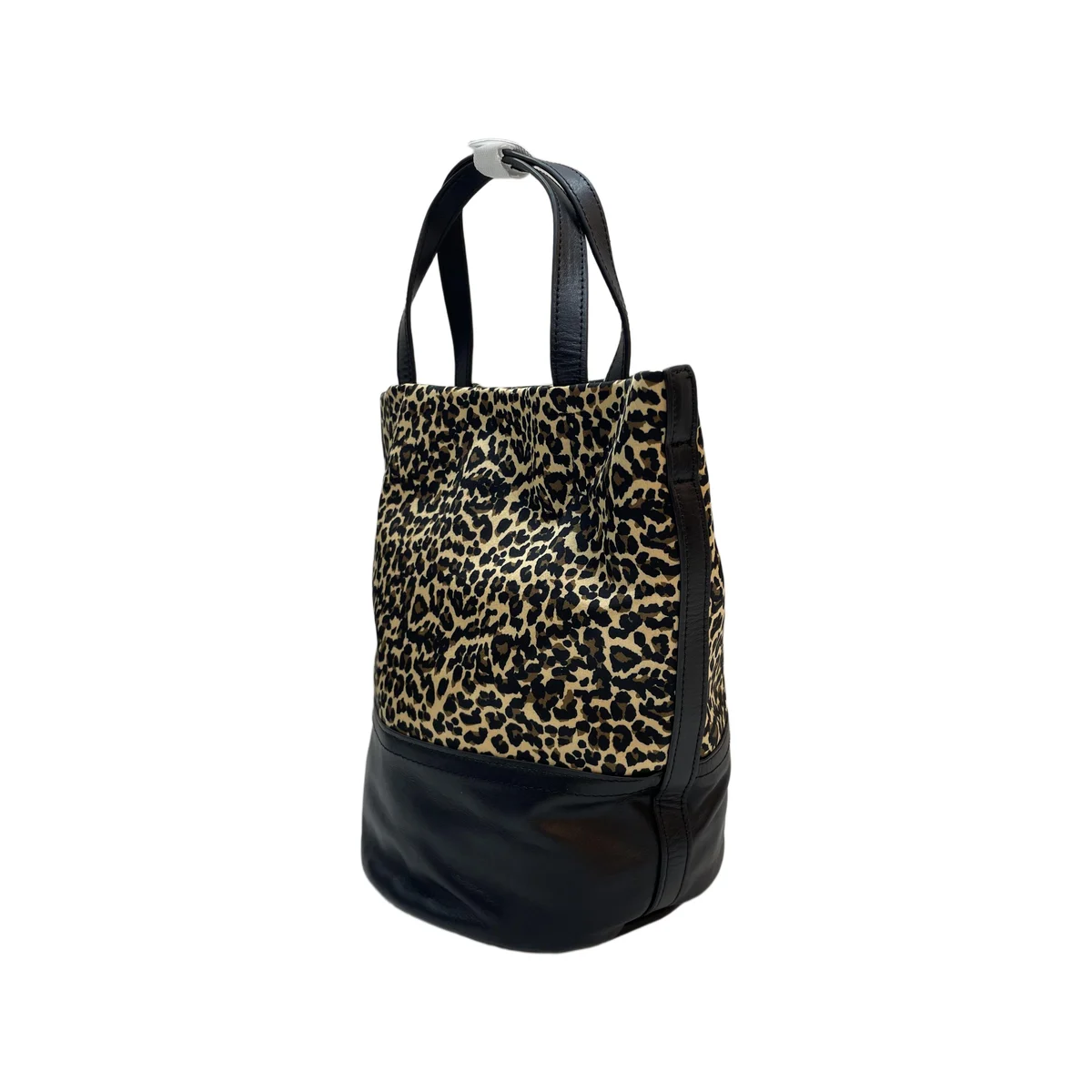
Inspect seam width, overlap and adhesive coverage along every bonded path. Inconsistent welds, lifted edges, bubbles or exposed adhesive require rework.
Load-Bearing Components

Test strap and handle anchors under loaded use, including reinforced stress points and zipper integration. Misaligned lining, skipped reinforcement or zipper puckering should be corrected before approval.
Finish And Leak Tests

Check edge finishing, odor and surface marks under normal lighting. Water-leak testing should expose seepage at seams, zipper areas or panel joins; any leakage warrants rejection.
7. How to Choose a Bag Bonding Manufacturer
A capable bag bonding manufacturing partner proves repeatability before price. Screen Chinese OEM candidates against documented engineering, inspection, and export controls.
| Review Area | Ask | Evidence |
|---|---|---|
| Equipment | Is bonding in-house? | Machine photos |
| Materials | Who approves films? | Supplier specifications |
| Testing | How are bonds checked? | Test reports |
| Export | Who controls shipment? | Packing and document samples |
Verify Bonded-Bag Experience
Ask for three comparable bonded-bag references, equipment photos, and engineer-reviewed sample records. Confirm adhesive compatibility, seam geometry, material traceability, and in-house pattern support.
Control Samples And MOQ
At a 100-unit MOQ, require swatches, a prototype, revision log, and approved production sample. Confirm material minimums, change-control timing, and who communicates technical decisions in English.
Approve Operational Evidence
Require QC checklists, measurement tolerances, bond-strength testing records, and compliance documents applicable to your market. Verify capacity, inspection ownership, packing photos, shipment records, and export-document accuracy.
8. Common Buyer Mistakes to Avoid
100-unit programs fail most often when early approvals are treated as informal. In bag bonding manufacturing, each decision needs a documented production control.
Validate Materials First
2 materials can bond differently despite matching appearance. Confirm film, adhesive, fabric coating, and heat settings on actual production materials before selecting the method.
Test Beyond The Sample
1 approved sample proves appearance, not repeatability. Specify seam peel, flex, load, and wash or weather testing, then approve a pre-production sample.
Lock Commercial Standards
100-unit MOQs may exclude fabric minimums, tooling, or custom hardware. Submit complete measurements, Pantone colors, logo artwork, packing details, and a realistic sampling-to-bulk timeline; compare quotations line by line.
9. Launching a Bonded Bag Brand
Start with one customer, one use case and a retail price before specifying construction. For a controlled first run, Yeenkran’s standard MOQ starts at 100 units per style and color, subject to materials and complexity.
Build a Focused Brief
Limit launch to 1–3 SKUs and 1–2 colors each. Define dimensions, capacity, target landed cost, bonded seams, hardware, Pantone colors and logo files before sampling.
Approve Before Bulk
Review a prototype against measurements, comfort, seam appearance and branding placement. Approve revisions, then sign off a pre-production sample with material, trim and packaging specifications retained for production.
Set Quality Gates
Inspect incoming materials, in-line construction, final appearance and packed quantities. Confirm hangtags, dust bags, cartons, balance payment and shipment documents before dispatch.
10. Bag Bonding Manufacturing Pricing and Costs
Yeenkran’s standard MOQ starts at 100 units per style and color, subject to material minimums and construction complexity. Lower-volume runs spread sampling and setup across fewer bags, while repeatable components can improve unit economics.
Key quote inputs include bonding method, fabric or PU specification, panel count, decoration, hardware, packaging and any required testing. Freight is quoted separately; final pricing should follow a confirmed specification and approved sample.
| Order quantity | Indicative unit-price driver | Sample/tooling | Typical production lead time |
|---|---|---|---|
| 100–299 | Highest setup allocation | Sample quoted by complexity | 25–35 days after approval |
| 300–999 | Improved material utilization | Tooling only when required | 30–40 days |
| 1,000+ | Best repeat-component efficiency | Amortization can be discussed | 35–50 days |
Start Your Bag Bonding Manufacturing Sample
Send your tech pack, reference bag, or concept for feasibility review, material options, sampling guidance, and a custom quotation.