
Custom Bag and Luggage Manufacturing for Your Collection
Yeenkran is a China-based OEM, ODM and private-label bag manufacturer, supporting development, sampling and export-ready production from 100 units per style and color.
Product Directions for bulk bag production manufacturer


Built for Repeatable Bulk Bag Programs
Yeenkran combines development, sourcing, inspection, branded packing and export coordination in one accountable workflow for global bag buyers.
Pattern Engineering
We turn approved concepts, reference samples or tech packs into production-ready patterns with construction details retained for consistent reorders.
Material and Hardware Sourcing
Compare fabrics, linings, zippers and trims by hand feel, durability, order volume and target cost before bulk approval.
Sample Approval Control
Refine shape, measurements, capacity, carrying comfort and decoration through samples before locking specifications for repeatable production.
In-Line Quality Checks
Incoming materials, construction, measurements, decoration, appearance and packing are checked at defined points throughout your production run.
Private-Label Packing
Complete retail-ready programs with woven labels, hangtags, dust bags, branded boxes and export cartons matched to your presentation requirements.
Export Coordination
Yeenkran coordinates final packing and shipment preparation after inspection, helping sourcing teams move approved orders efficiently.
Related Manufacturing Capabilities
Explore adjacent services when specifying your bag project.
Reinforced Bag Construction
Review reinforced bag construction requirements alongside this service.
View CapabilityBag Reorder Manufacturing
Review bag reorder manufacturing requirements alongside this service.
View CapabilityAbout Yeenkran, Your Bulk Bag Production Manufacturer
Founded in Wuhan in 2010, Yeenkran is a one-stop bag manufacturing partner for OEM, ODM, private-label and wholesale programs. We support feasibility review, pattern development, material sourcing, sampling, production, quality control, branded packing and export coordination.
Our reported operation includes 200+ skilled employees, monthly capacity above 60,000 bags and service to 1,200+ bag and accessory brands. These company-supplied operational figures reflect the scale behind programs ranging from 100-piece MOQ launches to established collection reorders.
What differentiates Yeenkran as a bulk bag production manufacturer is production-minded development. Our team reviews construction, dimensions, carrying systems, fabrics, hardware, decoration and target cost before production, then retains approved patterns, specifications and sample records to support consistent repeat orders.

From Concept to Production-Ready Patterns
Feasibility Before Sampling
Yeenkran reviews your concept, dimensions, intended use, target price, capacity, pocket layout, carrying system, materials, hardware and branding before development begins. This early checkpoint identifies construction risks and quotation inputs before a sample becomes an expensive assumption.
- Review sketches, reference samples, mood boards or finished tech packs
- Confirm use-case demands, load needs and key measurements
- Flag material minimums and craft choices affecting the 100-piece MOQ
- Align target cost, decoration and packaging before pattern work

Patterns Built for Production
As a bulk bag production manufacturer, Yeenkran converts approved design direction into workable patterns and construction details. The team assesses panel shapes, seam allowances, reinforcement points, foam, lining, webbing and hardware placement so the bag can be assembled consistently at scale.
- Develop patterns from early concepts or buyer-supplied specifications
- Set practical construction details for cutting and sewing
- Plan reinforcements, strap assembly and structural components
- Prepare production-ready records for sample approval

Materials and Hardware Compared
Material and trim choices are evaluated against hand feel, weight, abrasion resistance, water resistance, color, sustainability goals, target cost and order volume. Yeenkran can source fabrics, linings, foam, zippers, buckles, labels and branded packaging for an informed approval decision.
- Compare canvas, Oxford, nylon, polyester, RPET, PU and leather options
- Assess zipper, buckle, webbing and custom trim suitability
- Review swatches or sample bags before bulk material commitment
- Balance performance, appearance and confirmed supplier minimums
Refinement That Supports Reorders
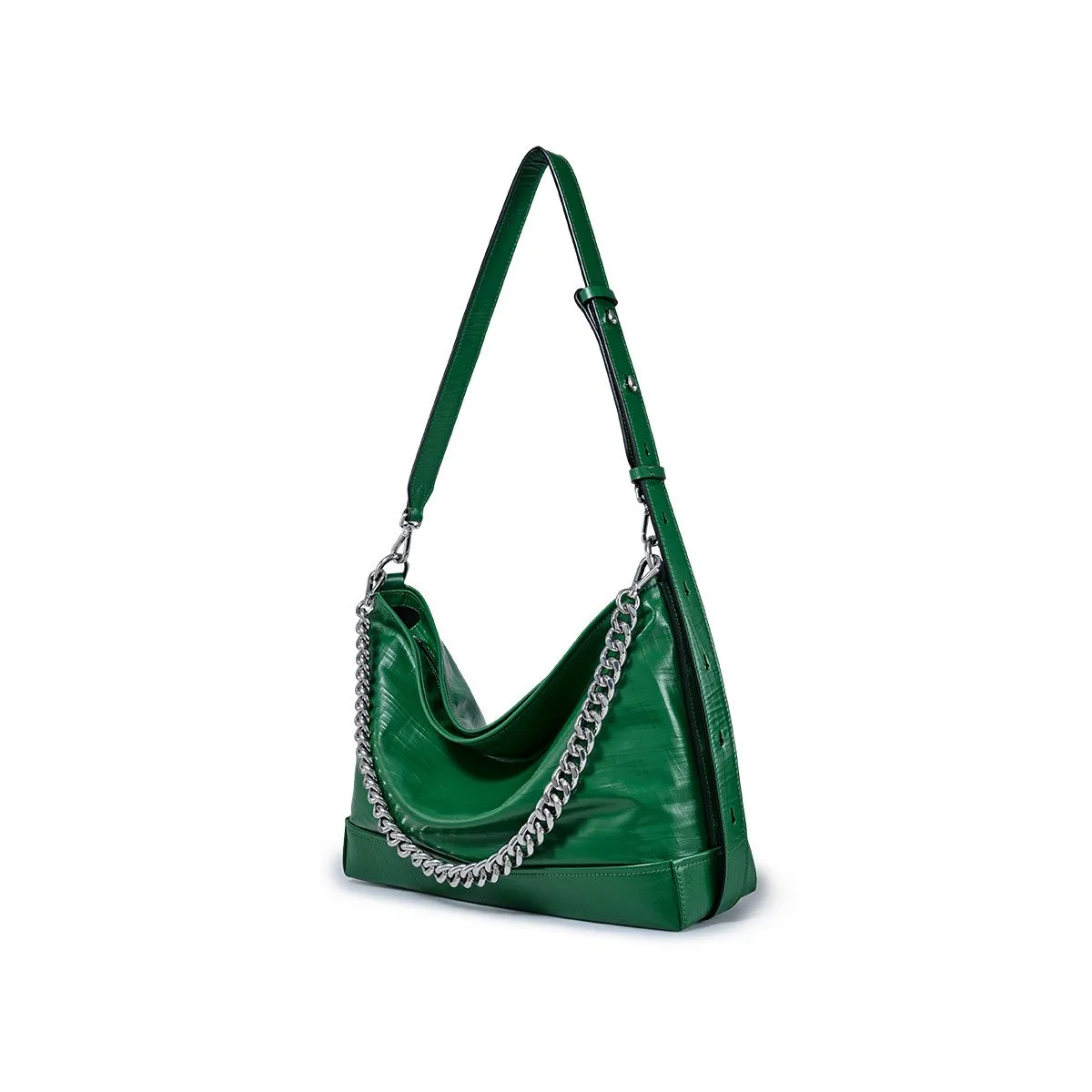
Prototype feedback is used to refine shape, measurements, ergonomics, assembly and finishing before bulk production. Once approved, patterns, material specifications and sample records are retained, giving sourcing teams a clearer baseline for repeat orders and controlled collection updates.
- Refine prototypes after buyer feedback and fit review
- Approve key materials, colors, trims and branded details
- Use pre-production samples as the bulk-order reference point
- Retain approved specifications to support consistent reorders

Why Brands Choose Yeenkran for Bulk Bag Production
A single accountable workflow keeps approvals, construction decisions and repeat orders aligned from first sample through export packing.
← Swipe left or right to view →
Manufacturing and Quality-Control Process
Clear approval checkpoints keep materials, construction, branding and packed quantities aligned from production release through export coordination.
Confirm Production Specifications
We lock approved patterns, material and hardware specifications, decoration files, packaging details, quantities and delivery requirements before releasing the order for bulk production.
Source and Inspect Materials
Fabric, lining, foam, webbing, hardware and labels are checked against confirmed requirements, while cutting plans account for color, grain, yield and construction needs.
Cut Decorate and Prepare
Teams cut panels, apply approved printing, embroidery, patches or branding, and prepare reinforcement components before sewing begins, protecting placement and appearance standards.
Sew and Assemble Bags
Skilled operators assemble panels, straps, pockets, padding, zippers and hardware according to approved construction details, with reinforced seams where the design requires them.
Conduct In-Line Quality Checks
In-line checks review stitching, dimensions, strap assembly, hardware function, decoration placement and workmanship so issues can be corrected before final packing stages.
Inspect Pack and Coordinate Shipping
Finished bags receive final appearance, measurement, weight and packing verification, then are packed in approved retail-ready or export cartons for shipment coordination.
How to Start a Bulk Bag Production Project
Move from concept to controlled production with clear feasibility, sampling and approval checkpoints.
Submit Your Brief
Send a tech pack, sketch, reference sample or concept with target use, dimensions, materials, branding, quantity and target price.
Confirm Feasibility
Review construction, pattern requirements, material and hardware options, MOQ, lead time and packaging needs before receiving an order-specific quotation.
Approve Your Sample
Assess the prototype for shape, measurements, capacity, carrying comfort, decoration and assembly details; confirm revisions before production specifications are locked.
Launch Controlled Production
Approve the order, then Yeenkran manages material checks, in-line construction review, final inspection, branded packing and export coordination for your bulk bags.
Buyer Approval Priorities for bulk bag production manufacturer
Use the first bulk bag production manufacturer sample to verify dimensions, access, carry comfort, materials and logo placement against one written approval list.
Keep approved patterns, material references and construction notes together so repeat orders can be checked against the same standard.
Coordinate pattern development, sourcing, decoration, quality checks and packing through one accountable project file.
Complete Guide to Choosing a Custom Bag Manufacturer
Practical answers for sourcing and product teams planning custom bag development, sampling and repeatable production with Yeenkran.
What is the minimum order quantity for a bulk bag production manufacturer?
Can a bulk bag production manufacturer develop a bag from a sketch or reference sample?
How do I get an accurate quote from a bulk bag production manufacturer?
How does sample development work before bulk production?
What lead time should I expect for custom bag samples and production?
How does a bulk bag production manufacturer control quality during an order?
What payment terms does Yeenkran offer for bulk bag orders?
Can Yeenkran arrange branded packaging and export shipping?
How does Yeenkran protect designs and handle intellectual property?
Explore Products for bulk bag production manufacturer
Browse published Yeenkran product directions, then send your material, size, branding and quantity requirements for an OEM/ODM quotation.


Materials Matched to Your Bag’s Use Case

Cotton Canvas
A substantial, natural-feeling fabric for totes, shoppers, beach bags and casual backpacks. Available in different weights, canvas offers a dry hand feel and reliable structure, with coatings available when added water resistance is needed.

Oxford Polyester
A practical woven option for school, travel, commuter and promotional bags. Oxford polyester is lightweight with a smooth hand feel, while its weave and optional backing help balance everyday abrasion resistance, water resistance and target cost.

Nylon Performance Fabric
A durable, technical-feeling choice for hiking, tactical, camera and travel bags. Nylon combines a crisp or supple hand feel with strong abrasion resistance, and coated constructions can support programs requiring increased water resistance.

Recycled RPET Textile
Made from recycled polyester feedstock, RPET suits brands seeking recycled textile options for totes, backpacks and lifestyle bags. It can be sourced in varied weights and finishes, allowing teams to compare hand feel, durability and cost before approval.

PU Vegan Leather
A consistent, leather-look material for handbags, crossbody bags, wallets and structured accessories. PU and vegan leather can range from soft and pliable to firm and structured, with surface grain, color and backing selected for the intended construction.
Genuine Leather
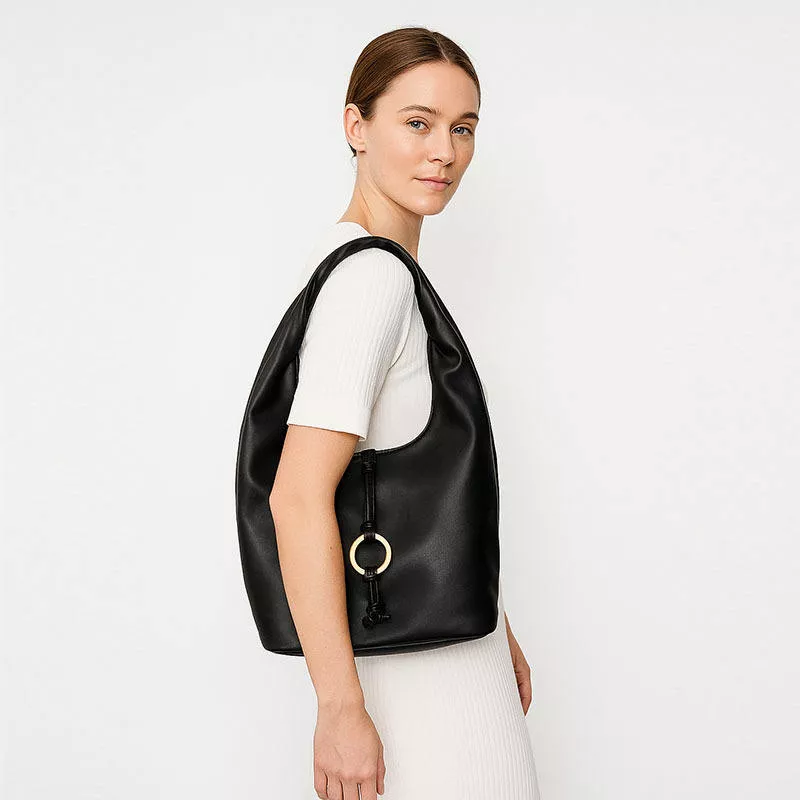
A premium material for handbags, small leather goods and elevated accessory lines. Genuine leather provides a distinctive natural hand feel and can be sourced in different thicknesses, finishes and temper to match structure, wear expectations and pricing.
Bulk Bag Production Manufacturer: Construction and Branding Processes

Precision Cutting
Fabric, lining, foam and reinforcement components are cut to approved patterns for consistent panel dimensions. Accurate cutting supports clean assembly, stable shape and repeatable measurements across a bulk order.

Reinforced Sewing
Reinforced seams, strap anchors and stress points are sewn for the bag’s intended load and carrying use. Stitch construction is reviewed during sampling so durability and appearance are approved before bulk production.

Bonding Assembly
Bonding can support selected panels, edges and structured components where the material and construction require it. Combined with sewing and hardware installation, it helps create clean forms and reliable finished assemblies.

Embroidery Patches
Flat or three-dimensional embroidery, applique and custom patches add tactile branded detail to suitable bag panels. The method is assessed against fabric weight, placement and backing requirements to protect the finished construction.
Print Transfer Sublimation
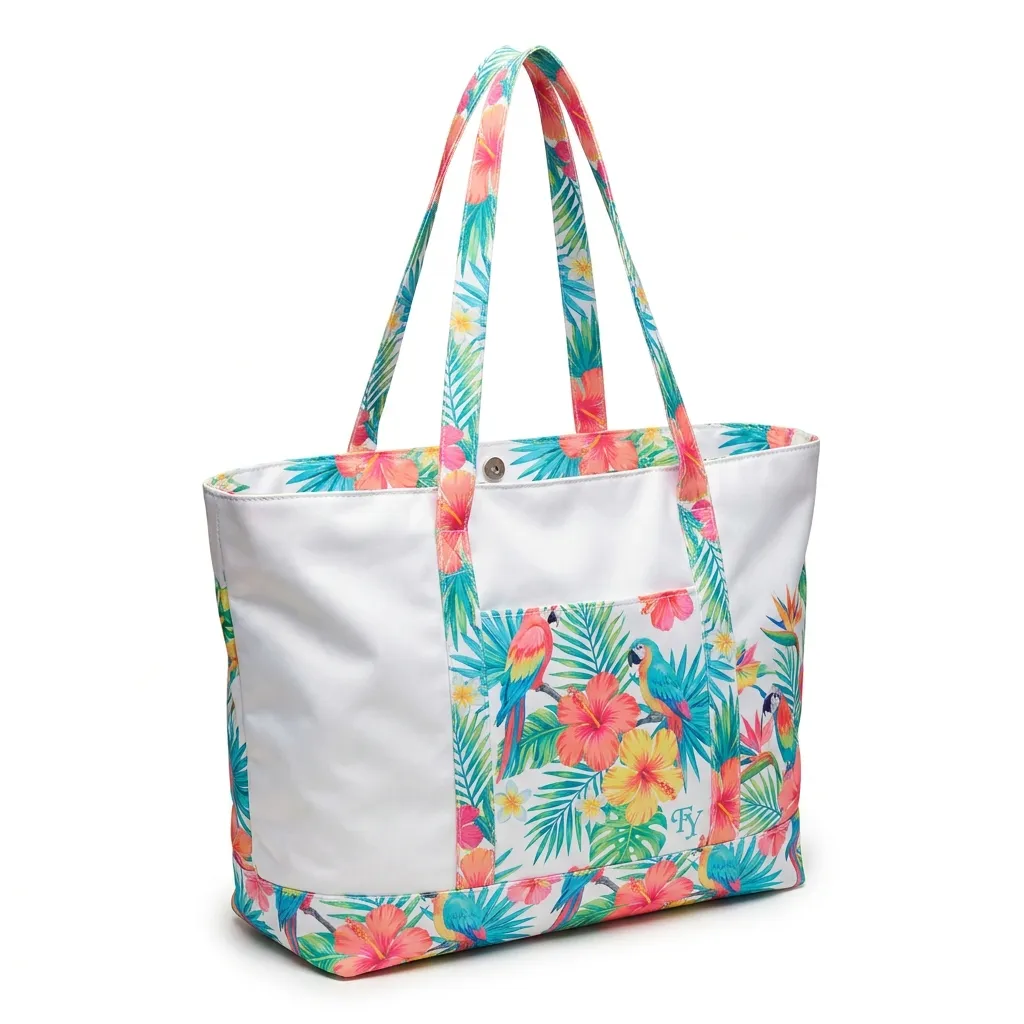
Screen printing, heat transfer and dye sublimation provide different routes for logos, artwork and color graphics. Yeenkran matches the process to the fabric, artwork coverage, wash performance and required visual finish.

Laser Metal Branding
Laser engraving and metal branding create precise identity details on compatible leather, PU, hardware and labels. Sample approval confirms mark clarity, placement and contrast before the selected branding process moves into production.
Hardware, Trims and Private-Label Details

Custom Zipper Pulls
Select zipper sliders and branded pulls to match the bag’s use case, opening frequency and visual direction. Options can include metal, rubber or cord pulls after supplier availability and sample approval are confirmed.
Buckles and D-Rings
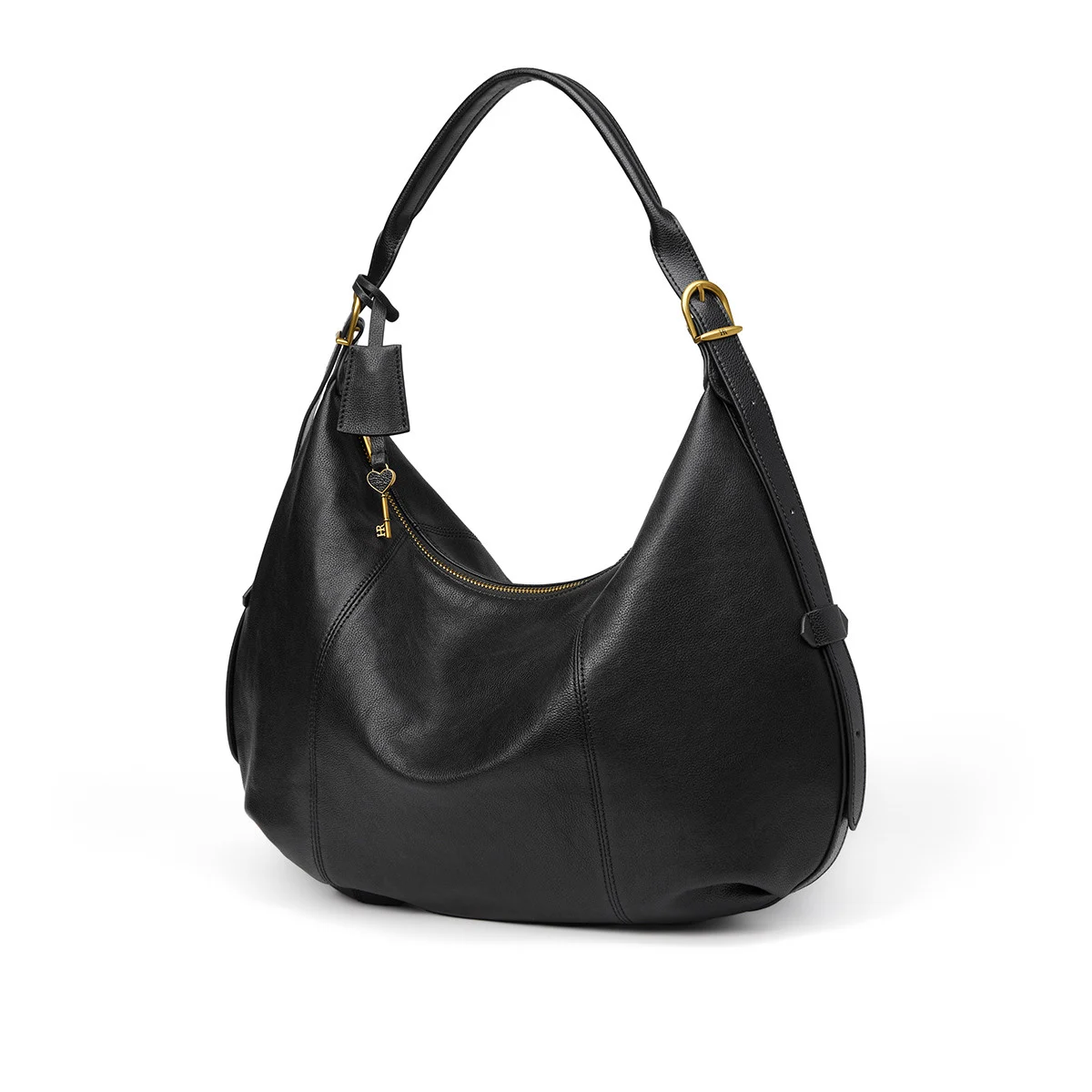
Buckles, adjusters, D-rings and snaps support strap adjustment, detachable parts and secure closures. Yeenkran reviews load points, finish, size and placement during sampling to ensure the selected hardware suits the construction.

Webbing and Straps
Choose webbing width, weave, color and hand feel for shoulder straps, handles and compression details. Reinforcement requirements, foam padding and hardware compatibility are checked before production to support consistent carrying performance.

Woven Brand Labels
Woven labels, leather labels and metal badges place your identity on the bag without interrupting the design. Confirm logo artwork, dimensions, attachment method and placement on the approved sample before bulk manufacturing begins.

Custom Patches
Add embroidered, woven, rubber or appliqué patches for a distinct branded finish. The team evaluates patch thickness, edge treatment and stitch location so it works with the selected fabric and the bag’s assembly sequence.

Hangtags and Packaging
Complete the private-label program with hangtags, dust bags, branded boxes and export cartons. Provide artwork, packing requirements and retail presentation details early so quotation, sampling and final packing verification stay aligned.
Documentation Checks for bulk bag production manufacturer
Request reports relevant to the approved shell, lining, coating, hardware or decoration for the bulk bag production manufacturer specification.
Review the factory, production and quality records that apply to the confirmed manufacturing program.
Define required declarations or testing before sampling so the quotation reflects the destination market.
When recycled or specifically sourced materials are selected, request supplier records matched to the actual order.
Confirm fiber, care, packaging, carton marks and labeling information for the buyer’s sales channel.
Ready to Develop Your Custom Bag Collection?
Use this practical framework to compare supplier capabilities, materials, customization, quality controls, pricing, and lead times—while avoiding sourcing mistakes that can compromise your bag launch, margins, or brand reputation.
1. What Is a bulk bag production manufacturer?
100-piece runs are often the practical entry point for a bulk bag production manufacturer: a supplier that converts approved bag designs into repeatable OEM, ODM, private-label, or wholesale orders at scale. Buyers should expect feasibility review, material and hardware sourcing, pattern engineering, sampling, production, inspection, branding, packing, and export coordination.
Factory ownership matters. A factory controls cutting, sewing, assembly, and in-line quality; a trading company coordinates suppliers but may not control the floor; a brand-owned workshop usually prioritizes its own collection over outside capacity. Before ordering, confirm who owns the pattern, approves materials, manages pre-production samples, and handles final inspection.
2. Evolution of Bulk Bag Manufacturing
2010s sourcing moved beyond standardized cut-and-sew bags toward private-label programs built around small launches, online testing, and repeat orders. A bulk bag production manufacturer now commonly works from a sketch, reference sample, or tech pack rather than a fixed catalog.
100-piece MOQs make it practical for emerging brands to validate a colorway or channel before committing to larger inventory. Faster pattern revisions, digital communication, and pre-production samples shorten the feedback loop, but buyers still need to allow time for material approvals and hardware development.
China’s integrated fabric, trim, hardware, sampling, and export network supports this shift, including RPET, recycled textiles, PU, and performance fabrics. Current buyers should define compliance, restricted-substance, labeling, and packaging requirements before quotation, because these decisions affect sourcing, lead time, and cost.
3. Types of bulk bag production manufacturer
Five supplier models differ mainly in who owns the pattern and how much change is practical. Match the model to your design maturity, launch speed, and reorder plan.
| Model | Design Ownership | Customization | MOQ/Speed | Best Fit |
|---|---|---|---|---|
| OEM factory | Buyer | Deep | Higher/slower | Established brands |
| ODM manufacturer | Shared | Moderate | Flexible/faster | New labels |
| Private label | Supplier base | Light | Lower/fast | Influencers |
| Wholesale producer | Supplier | Minimal | Low/fastest | Resellers |
| Trading company | Varies | Varies | Varies | Multi-category buyers |
OEM Factories
100-piece programs can suit OEM sampling-to-bulk work. The buyer owns specifications; customization is deepest.
ODM Manufacturers
Existing base patterns shorten development. Buyers modify materials, colors, hardware, and branding.
Private Label And Wholesale
Ready designs launch fastest with lighter changes. Trading companies add sourcing convenience but less factory control.
4. Materials Used by a bulk bag production manufacturer
Material selection determines a bag’s structure, print result, care needs and cost. A bulk bag production manufacturer should match fabric weight, lining and hardware to the intended load and channel.
| Material | Durability | Best Use | |
|---|---|---|---|
| Canvas/cotton | High | Excellent | Totes |
| Nylon/polyester | High | Good | Travel bags |
| PU leather | Medium | Limited | Handbags |
| Genuine leather | High | Limited | Premium bags |
| RPET | Varies | Good | Eco collections |
| Polyester lining | Medium | Good | Interior lining |
Fabric And Leather Choices
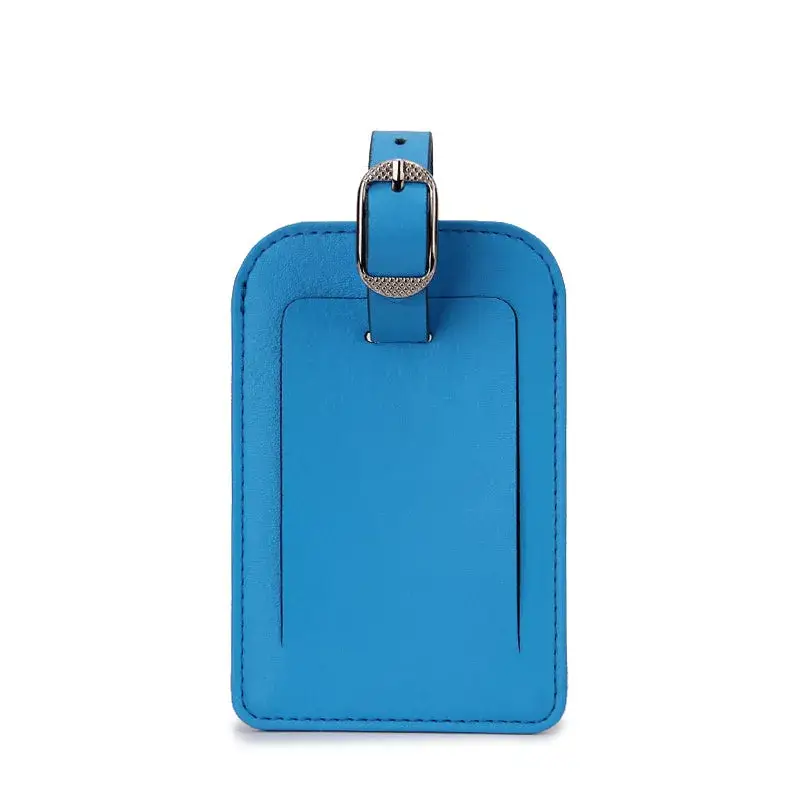
12–24 oz canvas and cotton suit totes; nylon and polyester suit travel bags. PU offers consistent color; genuine leather needs more careful care.
Approval Before Production

100–210D linings suit light bags; 210–420D supports heavier builds. Request swatches, test print adhesion, and confirm zipper, rivet and buckle compatibility before approval.
5. Customization Options From a bulk bag production manufacturer
A 100-piece MOQ can still support a defined private-label specification. A bulk bag production manufacturer should lock visible and functional choices before sampling.
| Method | Effect/Durability | Setup | Best Base |
|---|---|---|---|
| Embroidery | Raised/high | Digitized | Canvas, polyester |
| Screen print | Flat/high | Screens | Cotton, canvas |
| Heat transfer | Colorful/medium | Transfer film | Polyester, nylon |
| Debossing | Recessed/high | Die | Leather, PU |
| Patch | Layered/high | Sample | Canvas, PU |
| Woven label | Fine/high | Loom | Webbing, lining |
Product Specification

One tech pack fixes silhouette, dimensions, Pantone colors, lining, zipper gauge, metal hardware, straps, labels, and retail packaging.
Approved swatches and a signed sample prevent production revisions.
Logo Method Selection

Six logo methods change cost, hand feel, and setup. Approved vector artwork defines size, placement, and thread or ink colors.
Reorder Control
One approved artwork file and sample record preserve logo placement and construction on reorders.
6. Construction and Quality Control Essentials
100% of approved construction details should be locked into a pre-production sample before cutting. A bulk bag production manufacturer should inspect quality on the line, not only at shipment.
Stitching And Reinforcement
an approved stitch-density standard suits many woven seams, but specifications should match fabric weight. Bar tacks reinforce strap joins, handles, and zipper ends.
10–12 mm seam allowances reduce seam slippage. Inspect edge binding, thread tension, and skipped stitches.
Components And Finishing

Zippers should run smoothly through curves and under light load. Check pull attachment, tape alignment, and clean lining seams.
Hardware plating should resist scuffs and match across components. Verify buckle function, logo placement, panel symmetry, and trim alignment.
Inspection Checklist
AQL 2.5 final checks commonly sample finished production before release. Inline inspections catch defects before packing.
10 kg handle tests or use-case loads expose weak anchors. Confirm carton counts, polybag condition, labels, and packing instructions.
- Pre-production sample approved
- Reinforced load points checked
- Zipper and hardware tested
- Lining and alignment clean
- Cartons match packing list
7. How to Choose a bulk bag production manufacturer
Choose on repeatability, not the lowest quoted unit price. A capable bulk bag production manufacturer can document how its sample, sourcing, inspection, and shipping plan support your specific bag category.
| Check | Proof To Request | Why It Matters |
|---|---|---|
| Capacity | Timeline and factory photos | Tests realistic delivery |
| Compliance | Reports and certificates | Supports market requirements |
| Price | Itemized quotation | Exposes hidden costs |
Match Product Experience
Request 3 relevant sample references and factory photos showing comparable construction. Check pocket layout, strap anchoring, padding, hardware, and finish against your intended use.
Verify Production Controls
Ask for material test reports, applicable certifications, inspection records, and a dated production timeline. Confirm whether incoming, in-line, and final checks are documented.
Compare Commercial Fit
Compare MOQs by style and color, communication speed, sourcing disclosure, export history, and quotation detail. A clear quotation separates materials, branding, packaging, sampling, lead time, and payment terms.
8. Common Buyer Mistakes to Avoid
A 100-unit order can still create expensive dead stock when assumptions reach production. Before a deposit, convert every promise into an approved record.
Chasing The Lowest Quote
One low quote may omit reinforcement, hardware grade, or packing, causing margin loss or delays. Compare like-for-like BOMs, labor steps, and Incoterms.
Skipping Specification Control
One approved sample is essential; vague dimensions and unapproved material substitutions cause inconsistent reorders. Lock Pantone, GSM, trims, measurements, and the signed sample before deposit.
Leaving Terms Undefined
A 2–5 mm tolerance and AQL inspection plan prevent disputes; ignored packaging, freight, or defect terms become unexpected cost. Confirm carton dimensions, inspection level, remedies, and freight basis.
9. Steps to Launch Your Bag Brand
Start with one customer, one use case, and a target retail price before requesting samples. A 100-piece MOQ rewards focused launches: fewer colors and shared materials protect cash while validating demand.
Position The First Drop
Week 1: collect competitor references, dimensions, capacity, price points, and desired retail margin. Limit the first drop to one hero style plus one compatible variant when funds cannot support separate trims.
Specify And Sample
Week 2: turn selected references into a tech pack covering measurements, materials, Pantone colors, pockets, hardware, logo placement, packing, and tolerances. Shortlist suppliers by comparable construction, quote clarity, and sampling communication; approve revisions against written comments.
Approve And Launch
At 100 pieces, approve final sample, materials, price, quantity, inspection standard, carton marks, and shipping date. During bulk production, inspect early and pre-shipment; prepare photography, listings, fulfillment, and a sell-through reorder trigger.
10. Bulk Bag Production Pricing and Costs
100 units is Yeenkran’s standard starting MOQ per style and color, subject to material minimums and construction complexity. A bulk bag production manufacturer should quote after confirming dimensions, fabric, logo process, hardware, packing, and delivery destination.
2 cost layers matter: development and recurring production. Sampling, custom molds, Pantone-matched materials, embroidery digitizing, and branded packaging may add setup charges; freight, duties, and destination handling are separate from ex-factory pricing.
a quotation-confirmed production window is a practical planning range after sample approval for many programs, while complex builds or new materials can require more time. Consolidating colors, standardizing trims, and increasing quantities usually improves unit economics.
| Quantity tier | Main unit-price drivers | Setup or sampling | Typical lead time | Buyer consideration |
|---|---|---|---|---|
| 100–299 units | Material yield; labor-intensive details | Sample and development may apply | Allow 30–45 days after approval | Use one color and proven trims |
| 300–999 units | Fabric purchase volume; logo method | Custom tooling only if required | Allow 30–45 days | Consolidate variants for better material use |
| 1,000+ units | Volume efficiency; packaging and hardware | Amortize approved development | Confirm production schedule | Plan freight and destination charges separately |
Ready to Start With a Bulk Bag Production Manufacturer?
Send your tech pack, reference sample or concept for a feasibility review, material options and a custom bag quotation.