
Bag Reorder Manufacturing, Built for Consistent Repeat Orders
Retained patterns, approved specifications, QC and branded packaging keep bag reorder manufacturing aligned from repeat order to export.
Product Directions for bag reorder manufacturing

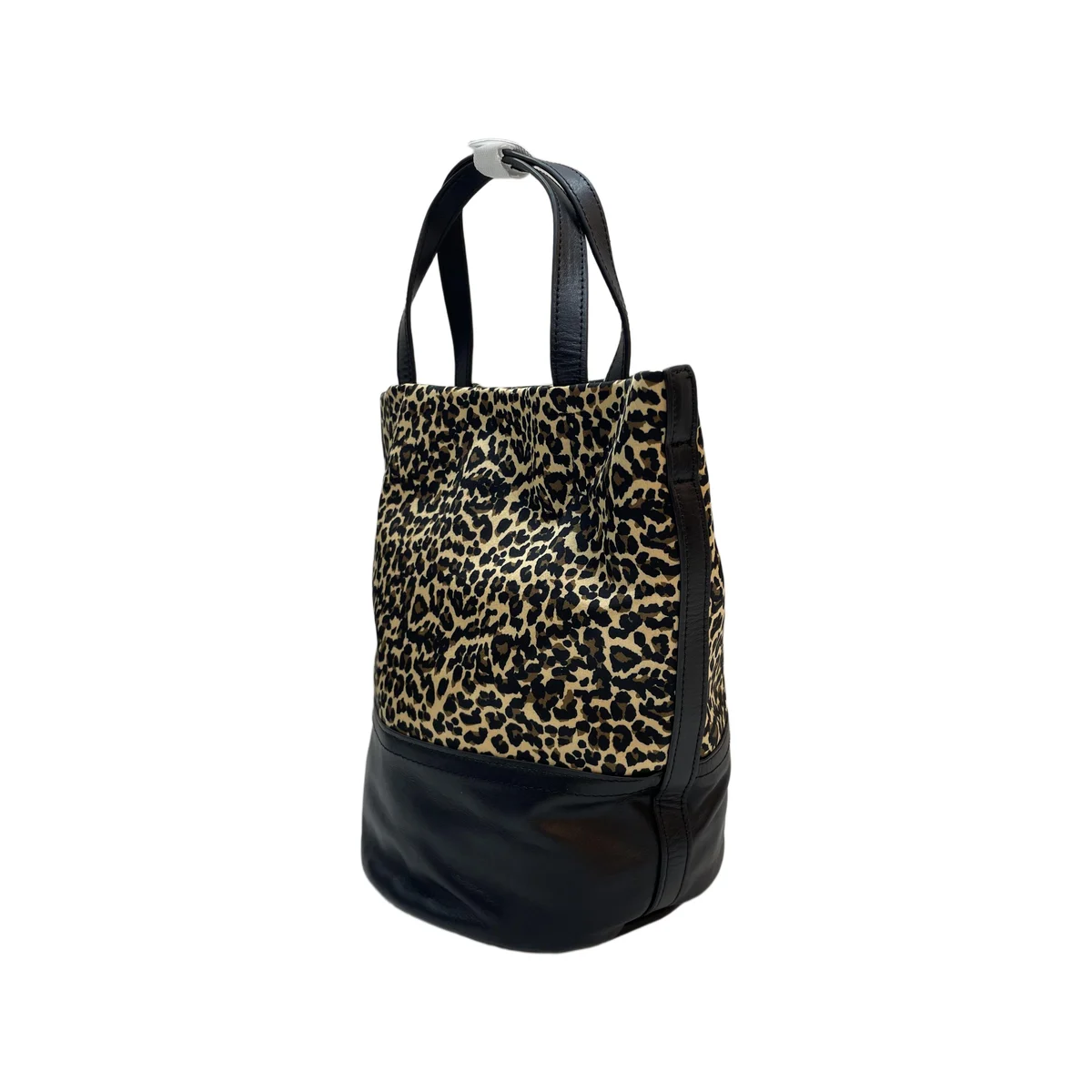


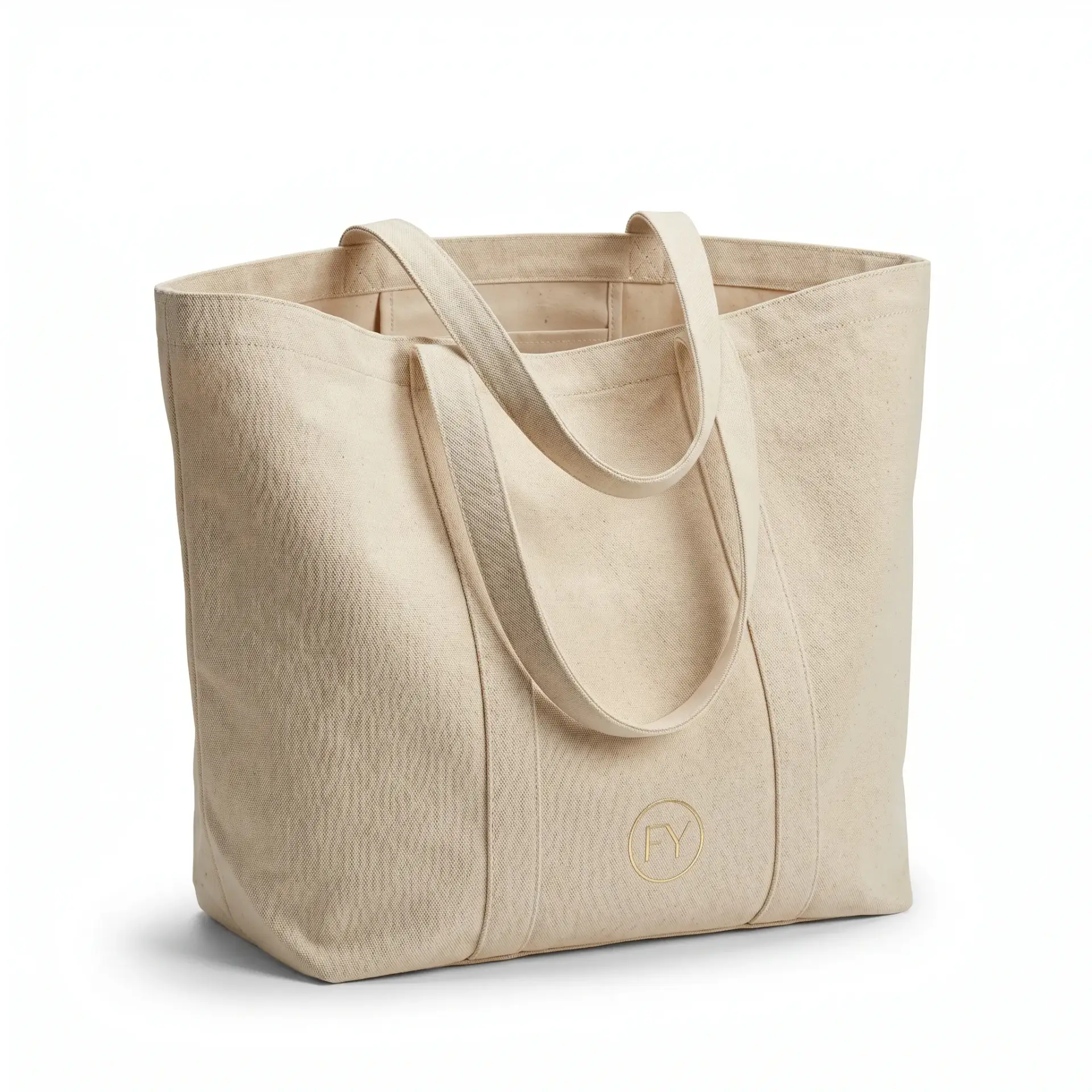
Bag Reorder Manufacturing Built Around Approved Specifications
Yeenkran keeps key development records, sourcing decisions and inspection checkpoints aligned so approved bag programs can move into repeat production with clarity.
Retained Production Records
Approved patterns, material specifications and sample records are retained to support consistent measurements, construction details and assembly decisions on future orders.
Material Continuity
We reconfirm fabric, lining, foam and structural components against approved specifications, then flag mill availability, color variation or cost changes before production.
Hardware Matching
Zippers, pulls, buckles, labels and webbing are checked against prior approvals, helping protect functional performance and recognizable brand details across reorders.
Clear QC Checkpoints
Incoming materials, in-line construction, measurements, decoration, appearance and packing are reviewed at defined checkpoints before shipment is released.
MOQ From 100 Pieces
Reorder quantities can start from 100 pieces per style and color, subject to confirmed material minimums, construction complexity and required custom components.
Export Coordination
After final inspection and balance settlement, Yeenkran coordinates export packing and shipping details so your repeat order is prepared for its destination.
Related Manufacturing Capabilities
Explore adjacent services when specifying your bag project.
Reinforced Bag Construction
Review reinforced bag construction requirements alongside this service.
View CapabilityAbout Yeenkran Bag Reorder Manufacturing
Founded in Wuhan, China, in 2010, Yeenkran is a custom bag manufacturer providing OEM, ODM, private-label and wholesale programs. Its repeat-production workflow keeps pattern, material, hardware and sample records aligned for the next order.
From in-house pattern development and material sourcing through sampling, cutting, sewing, finishing, quality control and branded packaging, one accountable team manages production details. This integrated approach supports backpacks, handbags, totes, travel bags, tool bags, small leather goods and coordinated collections.
Yeenkran reports more than 200 skilled employees, monthly capacity above 60,000 bags and service to more than 1,200 bag and accessory brands. What differentiates us is practical bag engineering: reviewing construction, tolerances, reinforcement, trim and packing requirements before production so approved specifications can be repeated with control.

Bag Reorder Manufacturing That Protects Approved Specifications
Retained Patterns, Repeatable Shape
Yeenkran retains approved patterns, material specifications and sample records so sourcing teams can anchor each bag reorder manufacturing program to confirmed dimensions, pocket layouts, carrying systems and construction details before production is released.
- Review the prior approved sample and current order requirements
- Confirm dimensions, capacity, pocket layout and reinforcement points
- Identify any requested revisions before new patterns or samples proceed

Materials and Hardware Matched
Before quotation and production, the team verifies fabric, lining, foam, webbing, zippers, buckles, labels and trims against the approved program. If availability or minimums change, buyers can compare practical alternatives by performance, appearance and target cost.
- Confirm color, weight, hand feel and performance requirements
- Check supplier minimums and lead times for selected components
- Approve substitutions before ordering materials for bulk production

Sample-to-Bulk Approval Control
A reorder can proceed from the retained specification or include a revised sample when changes affect fit, material, hardware, decoration or packaging. Clear approval checkpoints help prevent an updated detail from reaching bulk production without buyer confirmation.
- Use a new sample for meaningful design or component changes
- Confirm quotation inputs, order quantity and production schedule
- Release bulk production only after specifications are aligned

Inspection and Packing Verification
Quality control follows the production sequence from incoming material checks through in-line construction review, final appearance inspection and packing verification. Yeenkran checks that approved branding and retail or export packing requirements are applied before shipment coordination.
- Inspect materials, measurements, construction and decoration
- Verify labels, hangtags, dust bags, boxes and export cartons
- Confirm packing details before balance payment and shipment

Why Choose Yeenkran for Bag Reorder Manufacturing
A one-stop bag manufacturing workflow that retains approved specifications and coordinates repeat-order checkpoints through export preparation.
← Swipe left or right to view →
Bag Reorder Manufacturing Production Process
A controlled repeat-order workflow that confirms materials, construction, branding and packing before bulk release.
Review Approved Order Records
We verify retained patterns, approved samples, measurements, material specifications, colors, hardware, decoration files, packaging requirements, order quantity and destination before issuing the reorder quotation.
Confirm Materials and Trims
The sourcing team checks fabric, lining, foam, zippers, webbing, labels and hardware availability, then flags substitute options, minimums, lead-time changes or cost impacts for approval.
Approve Pre-Production Details
Before bulk release, buyers confirm any revised color standards, artwork, packaging, construction changes or material substitutions. Approved specifications become the production reference for cutting and assembly.
Cut, Decorate and Assemble
Production follows the approved pattern through cutting, printing or embroidery, reinforced sewing, strap and hardware installation, finishing and in-line construction checks across the reorder.
Inspect, Pack and Ship
Final quality control reviews measurements, appearance, decoration, hardware function and packing accuracy. Approved bags are packed in branded retail or export cartons and prepared for shipment.
How to Start Bag Reorder Manufacturing With Yeenkran
Submit your approved reference and confirm the production details that protect consistency from quotation through final packing.
Submit Approved Reorder Details
Send an approved sample, tech pack, prior purchase details, photos, measurements, material specifications, color references, branding files and required reorder quantity.
Confirm Quote and Sample Needs
Review pricing, MOQ, lead time, material availability, hardware and packaging. Confirm whether retained records are sufficient or a new sample is needed.
Approve Production Specifications
Sign off on the final sample or retained specifications, including measurements, materials, color, construction, labels, decoration, packing and acceptable order-specific tolerances.
Release Bulk Production
Yeenkran schedules bag reorder manufacturing after order confirmation, then performs incoming, in-line and final inspections before packing verification and shipment coordination.
Buyer Approval Priorities for bag reorder manufacturing
Use the first bag reorder manufacturing sample to verify dimensions, access, carry comfort, materials and logo placement against one written approval list.
Keep approved patterns, material references and construction notes together so repeat orders can be checked against the same standard.
Coordinate pattern development, sourcing, decoration, quality checks and packing through one accountable project file.
Bag Reorder Manufacturing FAQs
Practical answers for sourcing and product teams preparing repeat bag production with Yeenkran.
What is the MOQ for bag reorder manufacturing?
Can I reorder a bag if I only have a previous sample or photos?
How does bag reorder manufacturing keep my product consistent?
Do I need another sample before placing a reorder?
What information do I need for a bag reorder manufacturing quote?
How long does a bag reorder take to produce?
What payment terms apply to repeat bag orders?
How are shipping, records and IP handled for a reorder?
Explore Products for bag reorder manufacturing
Browse published Yeenkran product directions, then send your material, size, branding and quantity requirements for an OEM/ODM quotation.




Materials Selected for Repeatable Bag Performance

Cotton Canvas
A natural, structured fabric with a dry, tactile hand feel for totes, shoppers, backpacks, and casual carry goods. Available in different weights, canvas provides dependable body and print-friendly surfaces for repeat programs.
Nylon and Cordura Fabrics
Nylon and Cordura suit lightweight travel bags, commuter backpacks, slings and outdoor styles. Buyers can compare denier, weave, coating and water-resistant finishing options to balance weight, abrasion resistance and target cost before a reorder.

Polyester Oxford
A firm, woven material commonly used for school bags, luggage, sports bags, and everyday backpacks. Polyester Oxford offers good abrasion resistance, stable color performance, and a wide range of deniers and coatings.

Recycled RPET
RPET gives brands a recycled-textile option for totes, backpacks, cooler bags, and promotional collections. Its hand feel and performance can be specified by weave and weight, while material availability and minimums are confirmed per order.

PU Vegan Leather
PU and vegan leather create a smooth, leather-like finish for handbags, crossbody bags, wallets, and structured accessories. Buyers can select grain, thickness, backing, color, and softness to balance appearance, shape retention, and target cost.

Genuine Leather
Genuine leather offers a premium, natural hand feel for handbags, small leather goods, and elevated travel accessories. Grain, temper, thickness, and finish affect durability, structure, color consistency, and the practical minimums for each reorder.
Bag Reorder Manufacturing Processes That Protect Your Approved Design

Reinforced Sewing
Reinforced seams, bar tacks and strap attachment stitching are repeated against approved construction details to support dependable load-bearing areas, preserve bag shape and maintain the same functional performance across reorder production.

Panel Bonding
Bonding secures selected layers, panels and structural components where the approved design requires a clean profile or added stability. Process checks help preserve alignment, edge finish and assembly consistency from sample to bulk reorder.

Custom Embroidery
Flat or three-dimensional embroidery reproduces approved artwork on bags, patches or panels. Thread colors, placement, stitch density and backing are reviewed against the reference sample for a durable branded result.

Screen Printing
Screen printing applies defined graphics and solid-color branding to compatible fabrics and panels. Yeenkran confirms artwork, print position and material suitability before production to help keep coverage, color and visual impact consistent.

Heat Transfer
Heat transfer is suited to detailed logos and selected color graphics where the approved bag calls for a precise surface application. Artwork, placement and adhesion are checked during production to protect the intended finish.
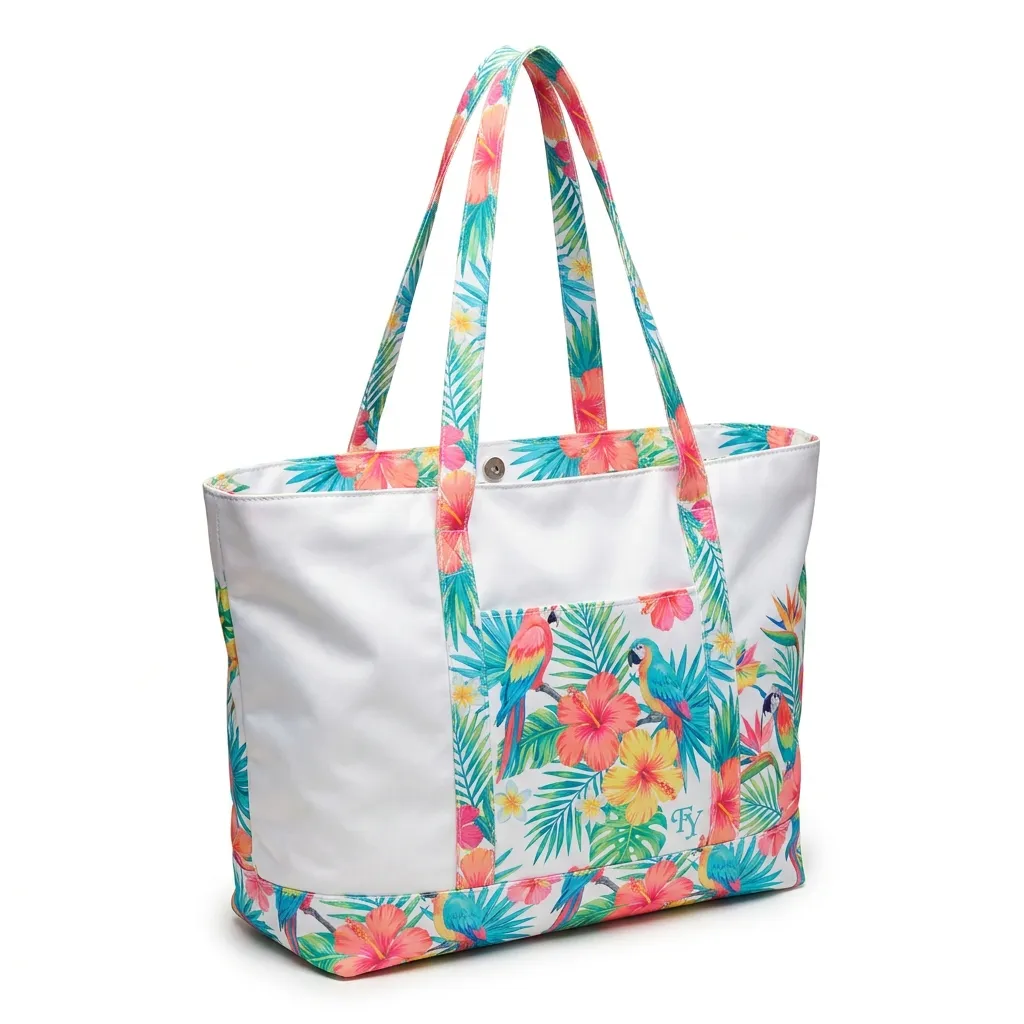
Dye Sublimation
Dye sublimation creates integrated, full-color graphics on compatible polyester-based materials. It supports repeatable artwork placement and color reproduction for approved designs, subject to fabric selection and confirmed production requirements.
Hardware, Labels and Packaging for Brand Consistency

Custom Zippers
Match approved zipper type, size, tape color, teeth finish and slider configuration for backpacks, handbags and travel bags. Material availability and zipper supplier minimums are reviewed before the reorder quotation is confirmed.
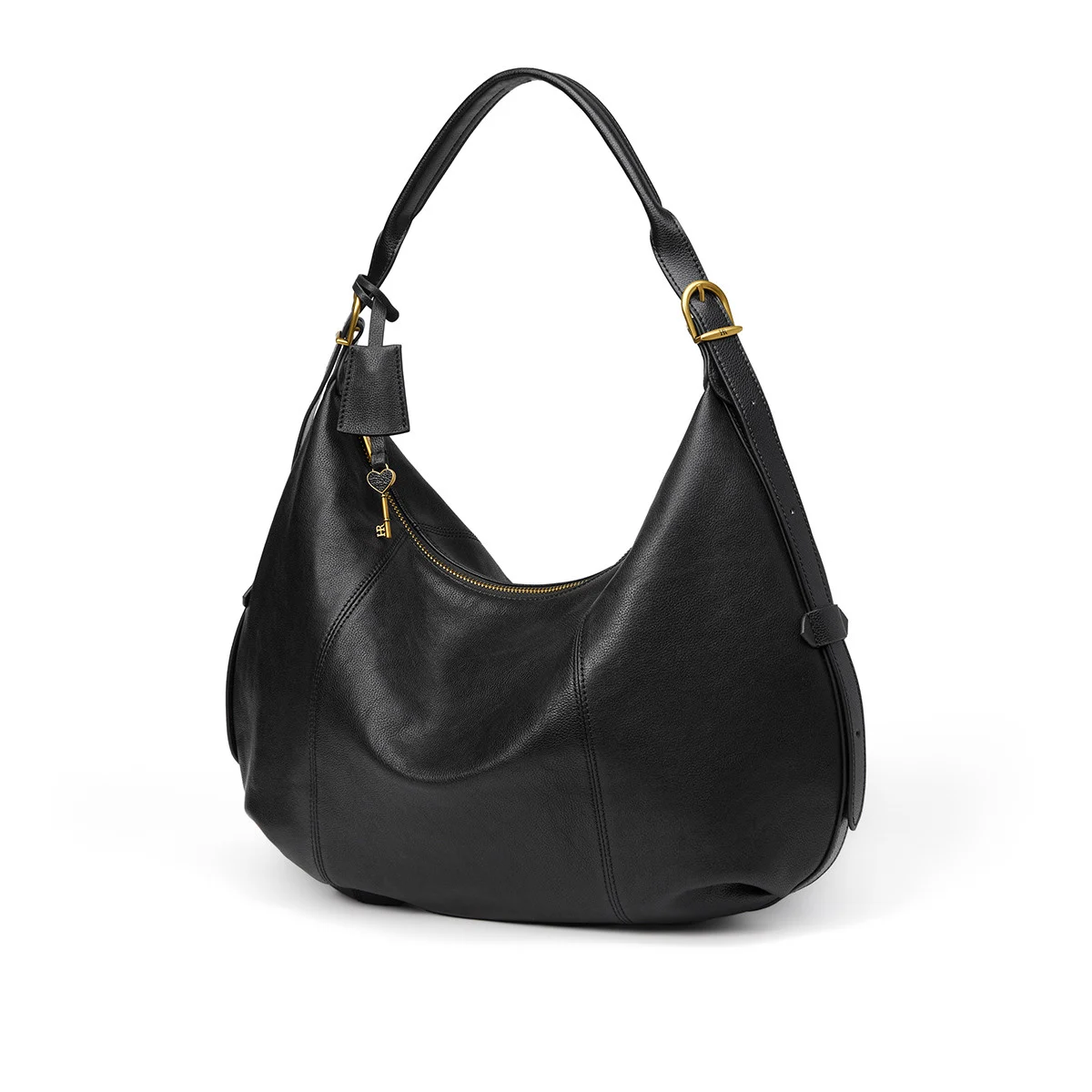
Branded Zipper Pulls
Custom metal, rubber, leather or cord pulls preserve a recognizable opening experience across repeat orders. Yeenkran checks logo artwork, plating, attachment method and pull strength against the approved sample specification.

Buckles and D-Rings
Buckles, D-rings, snaps and adjustment hardware support straps, closures and load-bearing details. Reorder checks cover dimensions, color, finish, material and compatibility with existing webbing and reinforced attachment points.

Webbing and Straps
Specify webbing width, weave, color, hand feel and strap construction for carrying handles, shoulder straps and compression systems. Approved references help maintain consistent strength, fit and visual alignment between production runs.

Woven Brand Labels
Woven, leather, metal or printed labels can carry your logo on exterior panels, linings or internal pockets. Artwork, placement, edge finish and attachment method are confirmed against retained reorder records before production.

Hangtags and Packaging
Coordinate hangtags, dust bags, branded boxes, polybags and export cartons with your retail and shipping requirements. Yeenkran verifies artwork, packing sequence, carton marks and order quantities before final packing approval.
Documentation Checks for bag reorder manufacturing
Request reports relevant to the approved shell, lining, coating, hardware or decoration for the bag reorder manufacturing specification.
Review the factory, production and quality records that apply to the confirmed manufacturing program.
Define required declarations or testing before sampling so the quotation reflects the destination market.
When recycled or specifically sourced materials are selected, request supplier records matched to the actual order.
Confirm fiber, care, packaging, carton marks and labeling information for the buyer’s sales channel.
The Complete Buyer’s Guide to bag reorder manufacturing
Use this practical framework to plan repeat bag orders, compare qualified China suppliers, control quality and costs, and avoid the production, specification, and communication mistakes that derail reorders.
1. What Is Bag Reorder Manufacturing?
Bag reorder manufacturing is repeat production of an already approved design, rather than a new development project. The supplier reproduces the confirmed pattern, bill of materials, color standard, hardware, decoration placement, packaging and approved sample.
Yeenkran, established in 2010, retains production records for approved programs so the next order can start from a controlled reference. First-run OEM develops a new bag; ODM adapts an existing supplier design; private label adds brand identity; wholesale purchases ready-made stock.
An approved sample should remain the benchmark for construction, measurements, appearance and packing. Reorder when sales and product feedback validate the design; redesign only when use, cost target, materials or brand direction has materially changed.
2. How Bag Reorders Evolved
Before digital product files, repeat orders often depended on paper patterns, physical samples, and a buyer’s seasonal forecast. Small changes in fabric, zipper, logo placement, or measurements could be lost between production runs.
By the 2000s, digital tech packs, Pantone references, bill-of-materials lists, and signed approval samples made bag reorder manufacturing more traceable. A controlled master sample and revision record now let factories reproduce construction and branding with fewer interpretation gaps.
Today, 100-unit MOQ programs can support replenishment rather than one large seasonal buy, subject to material minimums. Brands can align reorder quantities across DTC, marketplaces, wholesale, and retail while protecting color, trim, packaging, and label consistency.
3. Types of Bag Reorder Manufacturing
Bag reorder manufacturing is not one transaction: the model determines which records must be reopened. Select the least-change model that meets demand, then price every approved deviation before confirmation.
Exact Repeat And Replenishment
Exact repeats use unchanged patterns, BOMs, approved samples, labels, and packing files; they carry the lowest consistency risk. Replenishment runs use the same controls, but reconfirm inventory, 100-unit MOQ feasibility, and production slot.
Refresh And Seasonal Variants
Color or material refreshes require Pantone, fabric lot, hardware finish, and revised costing approval; risk rises with substitute availability. Seasonal variants require revised patterns, measurements, and samples, increasing MOQ, cost, and lead time.
Private Label And Supplier Transfer
Private-label repeats reconfirm logo artwork, decoration placement, trademarks, and retail packaging; construction can remain stable. Supplier-transfer reorders need a verified sample, graded pattern, BOM, tolerances, and testing plan, making consistency risk and sampling lead time highest.
4. Materials for Bag Reorder Manufacturing
Reliable bag reorder manufacturing starts with a locked material bill of materials, not a reference photo. Yeenkran can retain approved swatches, specifications and samples to control later sourcing.
| Material | Durability | Positioning | Reorder Risk | Suitable Bags |
|---|---|---|---|---|
| Canvas | High | Heritage | Medium | Totes |
| Nylon | High | Technical | Medium | Backpacks |
| PU | Medium | Fashion | High | Handbags |
| RPET | Medium | Sustainable | Medium | Totes |
Lock Fabric Specifications

12-ounce canvas, 420D nylon or 600D polyester should specify GSM or denier, weave, coating and Pantone target. Confirm mill availability and acceptable lot variation before approval.
Control Surface And Lining

PU requires grain, thickness and peel-performance approval; genuine leather needs hide, finish and grain standards. RPET claims should be supported by supplier documentation, while lining weight and color remain fixed.
Freeze Trim Components

25 mm webbing, zipper gauge, puller finish, buckle material and hardware plating need approved samples. Specify zipper brand or performance level, because substituted trims can alter function and color match.
5. Customization and Decoration Options
For 100-unit programs, decoration records prevent costly visual drift. In bag reorder manufacturing, retain approved artwork, Pantone references, placement drawings, and physical samples.
| Method | Retention | Consistency | Reuse |
|---|---|---|---|
| Screen print | screen | Pantone proof | yes |
| Embroidery | stitch file | thread card | yes |
| Metal logo | mold | finish sample | yes |
| Deboss or emboss | die | leather proof | yes |
Print And Transfer Control

Screen printing reuses retained screens only when artwork and size remain unchanged. Heat-transfer films need approved color proofs and placement measurements.
Stitching And Leather Marks
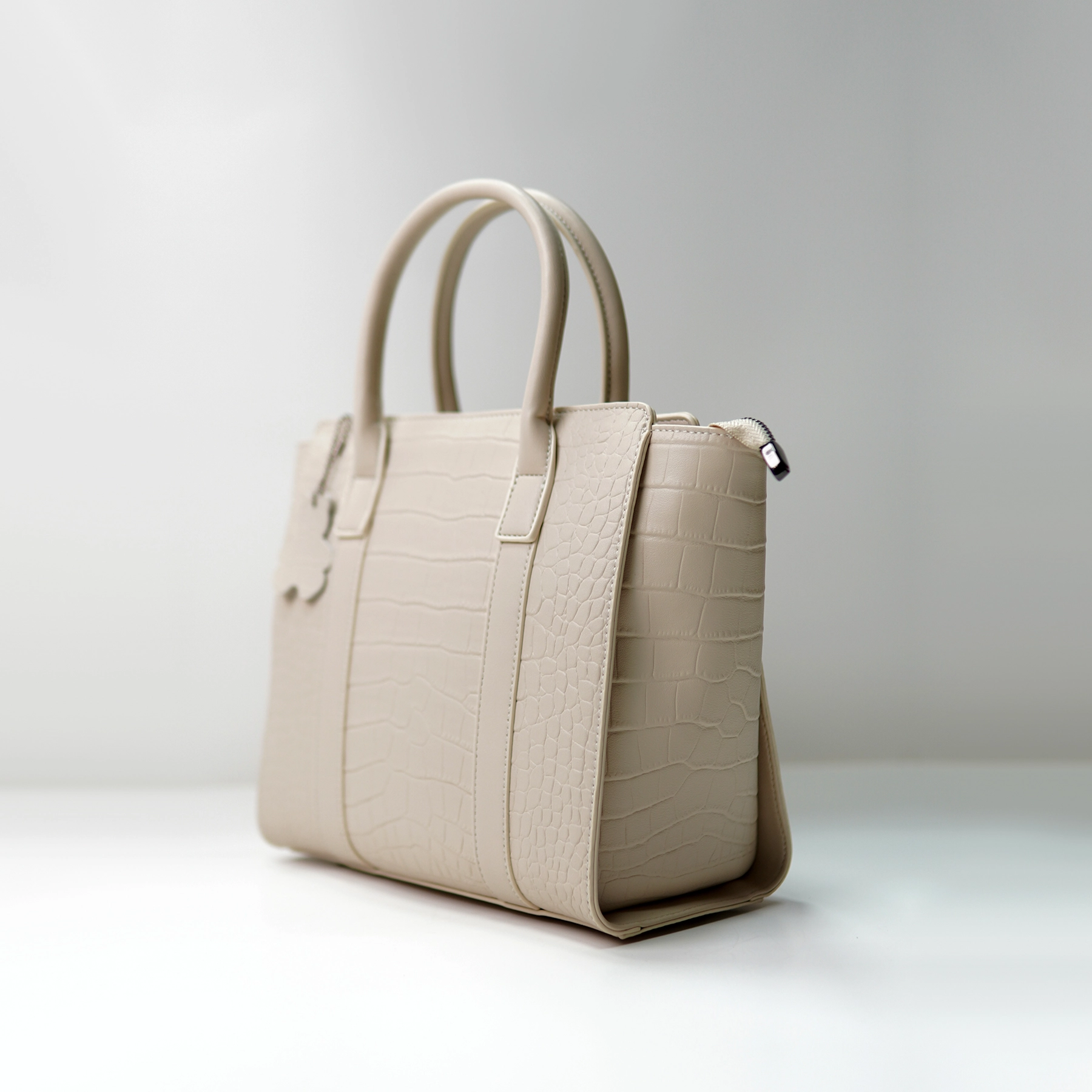
Embroidery needs thread cards and stitch files; debossing or embossing needs the approved die. Preserve the strike-off and substrate specification.
Labels Hardware And Patches

Woven labels, metal logos, patches, and custom hardware require approved samples. Keep supplier drawings, finish swatches, mold or plate references, and attachment locations.
6. Construction Quality for Reorders
Every bag reorder manufacturing run should match the approved sample through measurable construction controls. Record tolerances before cutting, not after final inspection.
Stitching And Seams
Specify stitch density, seam allowances, bartacks, edge binding and lining attachment against the approved sample and construction sheet.
Inspect stress points for skipped stitches, loose threads and clean reinforcement according to the agreed inspection plan.
Components And Carry Systems
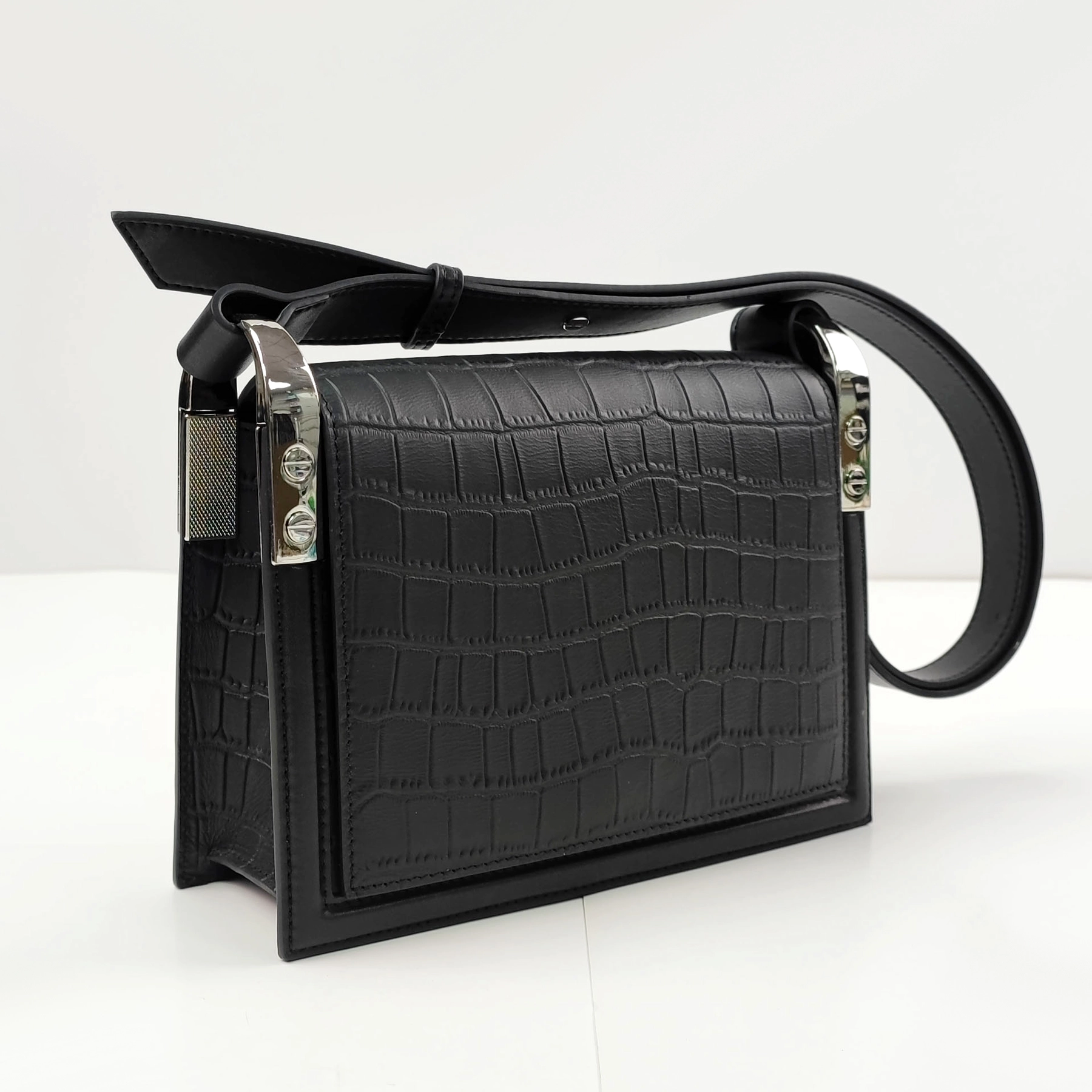
Specify the required zipper-performance criteria, handle drop, strap width, hardware finish and attachment reinforcement against the intended use case.
Where required, agree load-testing methods and acceptance criteria for strap anchors, handles and D-rings before production.
Acceptance Checkpoints
Agreed dimension, weight and defect tolerances turn an approved sample into an inspection standard. Retain photos, measurements, materials and defect limits with the reorder file.
Before shipment, inspect dimensions, weight, zippers, hardware finish, load points, appearance and packing against that record.
7. Choosing a Bag Reorder Manufacturer
A reorder supplier should reproduce the approved bag, not merely quote the old price. Evaluate documented repeat-order controls before capacity claims or unit cost.
Verify Production Records
100-unit MOQs matter only when patterns, BOMs, Pantone references, measurements, and approved samples are retained. Ask whether the original sample is physically archived and who authorizes changes.
Control Materials And Sampling
1 material substitution can alter hand feel, color, strength, or zipper performance. Require written approval, current swatches, pre-production sample sign-off, and a contingency plan for mill delays.
Test Commercial Reliability
60,000-bag monthly capacity is useful only with a confirmed production slot and in-line QC plan. Confirm payment terms, export markets, compliance documents, communication cadence, inspection reporting, and recovery actions for late or rejected goods.
8. Common Bag Reorder Manufacturing Mistakes
A prior approved sample is a reference, not a production-control system. In bag reorder manufacturing, small undocumented changes can compound into margin loss, missed launches, and customer complaints.
Freeze Reorder Specifications
Revision-control gaps let old patterns, labels, or measurements return. Issue a dated specification pack and require written approval.
Sample assumptions hide sewing and tolerance drift. Approve a sealed pre-production sample against that pack.
Control Materials And Substitutes

Material-lot changes can alter shade, coating, hand feel, and abrasion performance. Reserve approved lots or test new lots before cutting.
Verbal substitute approvals create disputes. Confirm fabric, hardware, and zipper substitutions in writing.
Protect Schedule Cost And Rights
Late purchase orders force rushed sourcing or freight, while lowest-price selection can reduce reinforcement and QC. Lock forecasts early and compare construction, lead time, and inspection scope.
Skipping final inspection risks selling defects. Document IP ownership, patterns, artwork, and confidentiality before production.
9. Reorder Launch Steps for Your Brand
Start each bag reorder manufacturing cycle with sell-through, stock-on-hand and inbound-freight dates. Assign one commercial owner and one product approver before the factory receives a purchase order.
Confirm The Reorder File
Before production, lock the approved tech pack, bill of materials, Pantone references, quantities, destination labels and packaging artwork. Record every revision owner and cutoff date in one version-controlled file.
Reserve And Approve
After quotation acceptance, reserve key fabric, lining and hardware against supplier minimums. Approve the pre-production sample, then release the deposit only when measurements, branding and packing match the signed specification.
Control Shipment Release
During production, review weekly status, in-line findings and ex-factory timing with the factory contact. Complete final inspection, settle the balance before shipment, book freight, then review returns and sell-through within 30 days.
10. Bag Reorder Manufacturing Pricing
100 units is Yeenkran’s standard starting MOQ per style and color, subject to material minimums and construction. Retained approved patterns, specifications, and samples can avoid redevelopment, while fabric, hardware, decoration, packaging, labor, inspection, freight terms, and rush timing can change a reorder’s cost.
3 quote inputs make comparisons meaningful: the prior sample or order reference, exact quantity by color, and delivery terms. State any Pantone, zipper, logo, packing, testing, or schedule change so the supplier separates recurring unit cost from new setup charges.
| Quantity tier | Unit-cost direction | Setup-cost impact | Typical lead-time range |
|---|---|---|---|
| 100–299 | Highest | Retained tooling helps most | Confirm with quote |
| 300–999 | Lower | Spread across more units | Confirm with quote |
| 1,000+ | Lowest potential | Usually diluted further | Confirm with quote |
Ready to Start Bag Reorder Manufacturing?
Send your approved specifications, sample or tech pack for a practical quotation, sampling plan and repeat-production review.