
Bag Quality Control Process for OEM Sourcing Teams
Yeenkran manages your bag quality control process from pattern review and material inspection through in-line checks, final appearance review, and packing verification.
Product Directions for bag quality control process


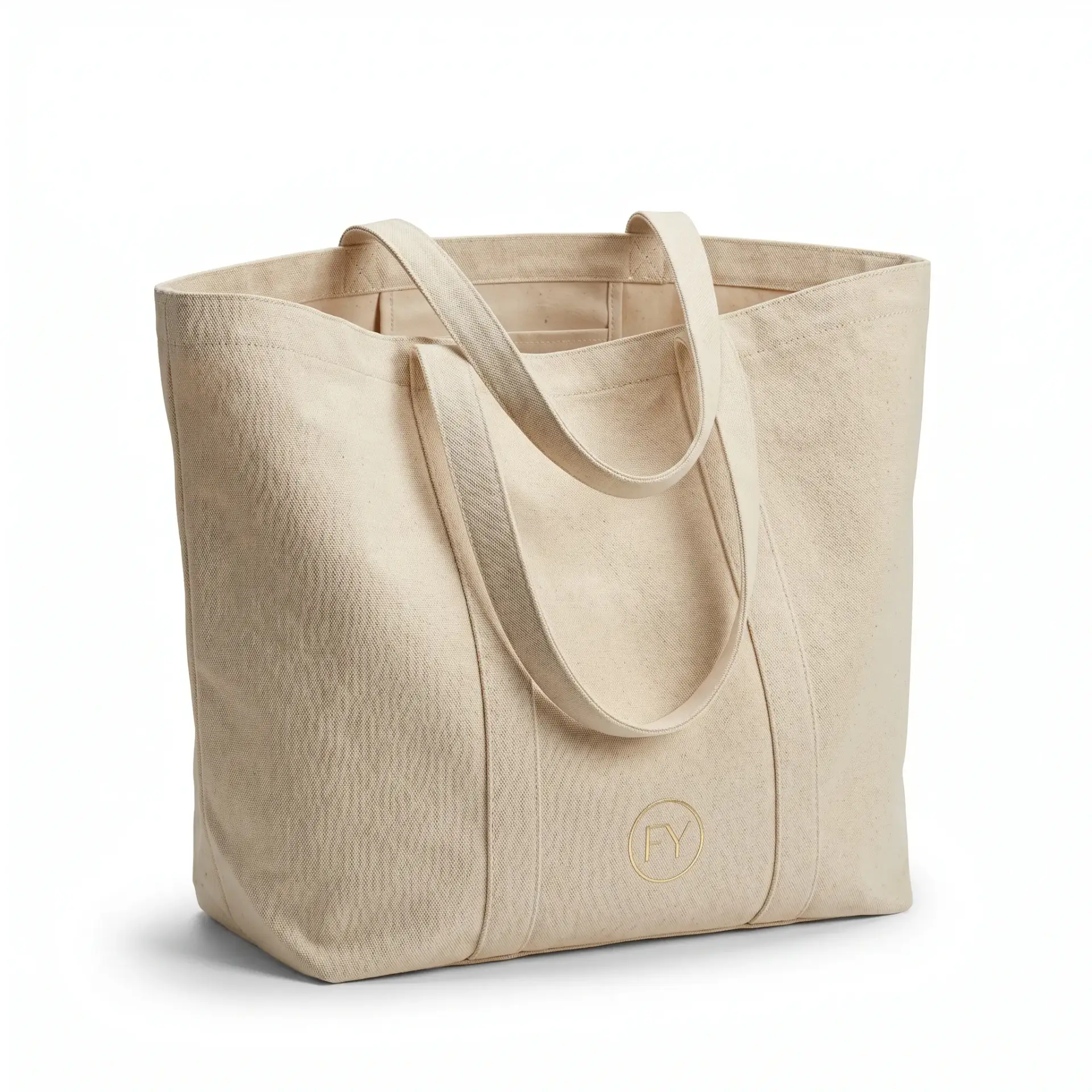


Quality Controls Built Into Every Bag Stage
Yeenkran’s bag quality control process gives sourcing teams defined checks from incoming materials through final packed cartons.
Incoming Material Checks
Inspect fabrics, linings, foam, webbing, and trims against approved specifications for color, hand feel, weight, and visible defects.
Measurement Control
Verify key dimensions, pocket placement, strap lengths, capacity, and bag weight against approved samples and production measurement requirements.
Reinforcement Review
Check reinforced seams, stress points, handles, straps, padded areas, and structural components for the intended carrying load and construction.
Hardware Function Inspection
Review zippers, buckles, snaps, rivets, D-rings, and custom pulls for smooth operation, secure installation, finish, and alignment.
Appearance and Packing
Inspect decoration, stitching, shape, cleanliness, labels, hangtags, protective packing, branded packaging, and export cartons before shipment release.
Related Manufacturing Capabilities
Explore adjacent services when specifying your bag project.
Reinforced Bag Construction
Review reinforced bag construction requirements alongside this service.
View CapabilityAbout Yeenkran’s Bag Quality Control Process
Founded in Wuhan, Hubei in 2010, Yeenkran is a custom bag manufacturer and custom luggage manufacturer in China, providing one-stop bag manufacturing for global brands. Whether acting as an OEM bag manufacturer, ODM bag manufacturer, private-label bag manufacturer or wholesale bag supplier, Yeenkran supports low-MOQ development from early concepts to repeatable production. Its quality control process begins with pattern development, material and hardware decisions, sampling, and clear approval records before bulk manufacturing starts.
One team coordinates pattern making, sourcing, cutting, sewing, reinforcement, decoration, inspection, branded packing, and export. This integrated workflow gives sourcing and product teams practical checkpoints for measurements, construction, function, finish, and packing across all bag categories.
Yeenkran reports more than 200 skilled employees, monthly capacity above 60,000 bags, and service to more than 1,200 bag and accessory brands. Our difference is production-floor knowledge applied to each order: accurate patterns, realistic material trade-offs, and retained specifications that support consistent reorders.

How Our Bag Quality Control Process Helps Reduce Rework
Pattern and Construction Review
Before sampling, Yeenkran reviews dimensions, capacity, pocket layout, carrying loads, seam placement and reinforcement needs. This early bag quality control process identifies construction risks while patterns can still be adjusted, helping sourcing teams avoid costly changes after materials and production time are committed.
- Review use case, target price and intended load
- Confirm measurements, structure and pocket placement
- Specify reinforcement for straps, handles and stress points
- Retain approved pattern records for repeat orders

Materials and Hardware Control
Material and trim choices are checked against the approved sample and project requirements before bulk use. Our team compares fabric hand feel, weight, color, lining, webbing, zippers, buckles and branding details so the selected components support the expected appearance, function and target cost.
- Inspect incoming fabrics, linings and structural components
- Compare hardware finish, function and attachment method
- Check color and specification consistency against approvals
- Address material substitutions before production proceeds

Pre-Production Sample Approval
A pre-production approval checkpoint aligns the factory and buyer on the exact build to be repeated at scale. Yeenkran verifies shape, measurements, decoration, hardware placement, finishing and packaging details against the approved sample, creating a clear reference before the production line begins.
- Confirm sample measurements and overall silhouette
- Review decoration position, color and finish
- Verify labels, hangtags and branded packaging
- Resolve deviations before bulk cutting and sewing

In-Line and Final Inspection
Quality checks continue during assembly and before packing, rather than waiting for finished cartons. Yeenkran monitors construction, measurements, weight, decoration and appearance, then verifies packing accuracy. This layered inspection approach helps identify correctable issues while production actions remain practical and traceable.
- Check seams, reinforcement and hardware installation in line
- Verify key measurements and product weight
- Review appearance, decoration and functional details
- Confirm final packing and export-carton requirements

Why Sourcing Teams Choose Yeenkran
A bag quality control process built around feasibility, approvals, documented specifications and export-ready delivery.
← Swipe left or right to view →
Bag Quality Control Process: Production and Inspection Workflow
A controlled sequence for sourcing and product teams, from approved materials and patterns through final packing verification and shipping coordination.
Confirm Feasibility and Specifications
Review the tech pack or concept, dimensions, materials, hardware, decoration, target price, packaging, and order-specific MOQ before quotation and sample approval.
Approve Materials and Preproduction Sample
Compare fabric, lining, foam, webbing, zippers, and trims; confirm color, hand feel, construction details, measurements, and branded components against the approved sample.
Cut Components and Prepare Assembly
Release retained patterns and approved specifications for cutting, then organize panels, reinforcement materials, hardware, labels, and accessories for consistent production assembly.
Check Construction During Production
Inspect stitching, seam reinforcement, pocket placement, strap assembly, hardware installation, measurements, weight, and decoration during production so issues can be corrected promptly.
Inspect Finished Bags and Packing
Review final appearance, function, measurements, materials, hardware, decoration, labels, and packaging; verify dust bags, hangtags, boxes, and export cartons before shipment.
Coordinate Release and Shipping
Confirm inspection completion, balance settlement, packing details, and export coordination before shipment, with approved specifications and sample records retained for repeat orders.
Start Your Custom Bag Project With QC Built In
Move from concept to inspected, shipment-ready production with clear approvals at each decision point.
Send Your Project Details
Share a tech pack, sketch, reference sample or concept with target dimensions, materials, hardware, branding, quantity and required delivery timing.
Review Feasibility and Quote
Yeenkran assesses construction, pattern requirements, material and trim options, target cost and applicable minimums before issuing an order-specific quotation.
Approve Production Samples
Review samples, measurements, shape, carrying comfort, decoration and packaging. Approved patterns and specifications become the reference for controlled bulk production.
Confirm Bulk Production
Confirm materials, colors, hardware, branding, quantities and production details. MOQ starts from 100 pieces per style and color, subject to confirmed minimums.
Inspect and Arrange Shipping
Yeenkran checks incoming materials, in-line construction, measurements, decoration, final appearance and packing before balance payment and export shipping coordination.
Buyer Approval Priorities for bag quality control process
Use the first bag quality control process sample to verify dimensions, access, carry comfort, materials and logo placement against one written approval list.
Keep approved patterns, material references and construction notes together so repeat orders can be checked against the same standard.
Coordinate pattern development, sourcing, decoration, quality checks and packing through one accountable project file.
Bag Quality Control Process FAQ for OEM Buyers
Practical answers on MOQ, sampling, inspections, quotations, payment, shipping and project confidentiality.
What is included in Yeenkran’s bag quality control process?
Can I start a bag quality control process with a 100-piece MOQ?
How does the bag quality control process work after I approve a sample?
Do I need a tech pack before requesting a sample?
What information is needed for an accurate bag quotation?
How long do bag samples and bulk production take?
What payment terms apply to a first bag order?
Can Yeenkran arrange shipping and export packing?
How are my bag design files and reference samples handled?
Explore Products for bag quality control process
Browse published Yeenkran product directions, then send your material, size, branding and quantity requirements for an OEM/ODM quotation.
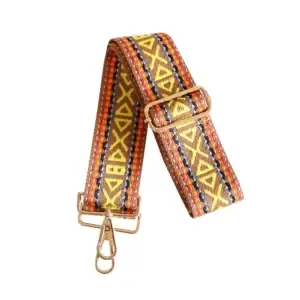


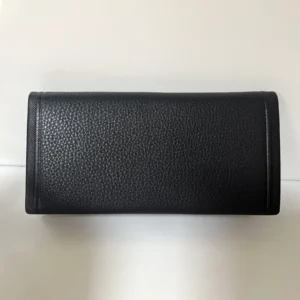
Bag Quality Control Process: Materials Inspected for Consistency

Canvas Cotton
Canvas offers a natural, substantial hand feel for totes, shoppers, school bags and casual backpacks. We check weave consistency, fabric weight, color variation and surface marks, balancing durable structure with the softer drape specified for the design.

Oxford Cloth
Oxford cloth is a practical choice for commuter, school, travel and outdoor bags, with a crisp hand feel and dependable woven structure. Inspection covers coating uniformity, color consistency, weight and resistance expectations matched to the bag’s intended use.

Nylon Fabric
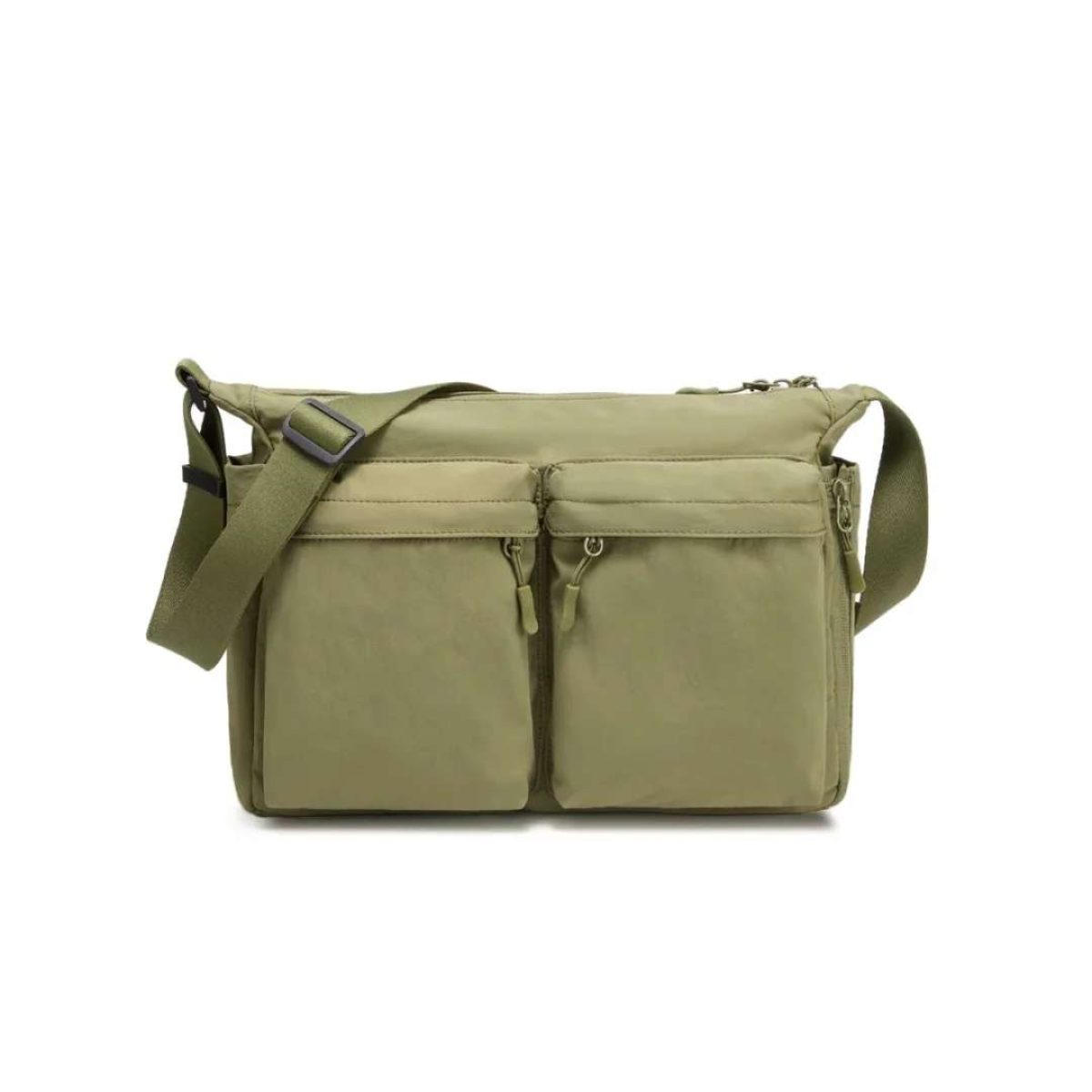
Nylon and Cordura fabrics provide a smooth, lightweight option for travel, hiking, camera and performance backpacks. Yeenkran checks fabric weight, abrasion considerations, coating condition and color consistency so the selected construction supports the required durability without unnecessary bulk.

Polyester Fabric
Polyester suits backpacks, sports bags, promotional totes and everyday accessories because it offers versatile texture and practical cost control. Material checks review hand feel, weight, print or dye consistency and coating quality before production specifications are approved.
RPET Textiles
RPET textiles support recycled-material bag programs for totes, backpacks and lifestyle accessories. We compare hand feel, weight, color and construction suitability with the approved sample, helping sourcing teams confirm material performance and order-specific minimum requirements before bulk production.

PU And Leather
PU and leather create structured, refined finishes for handbags, wallets and premium accessories. Inspection focuses on grain appearance, hand feel, thickness, color matching and surface defects, while sampling confirms how each material performs through folding, stitching and hardware assembly.
Bag Quality Control Process for Decoration Approval

Embroidery Review
We check stitch density, thread color, placement and edge cleanliness against the approved sample. This helps preserve sharp branding, secure stitching and a consistent embroidered finish across bulk bags.

Screen Print Review
Screen-printed artwork is reviewed for color match, registration, coverage and placement before approval. The checkpoint helps confirm clean graphics and an even finish suited to the selected bag material.

Heat Transfer Review
We assess artwork detail, position, adhesion and surface finish on the selected fabric or PU. Approved samples establish the expected appearance and help reduce lifting, uneven edges or inconsistent transfers in bulk.
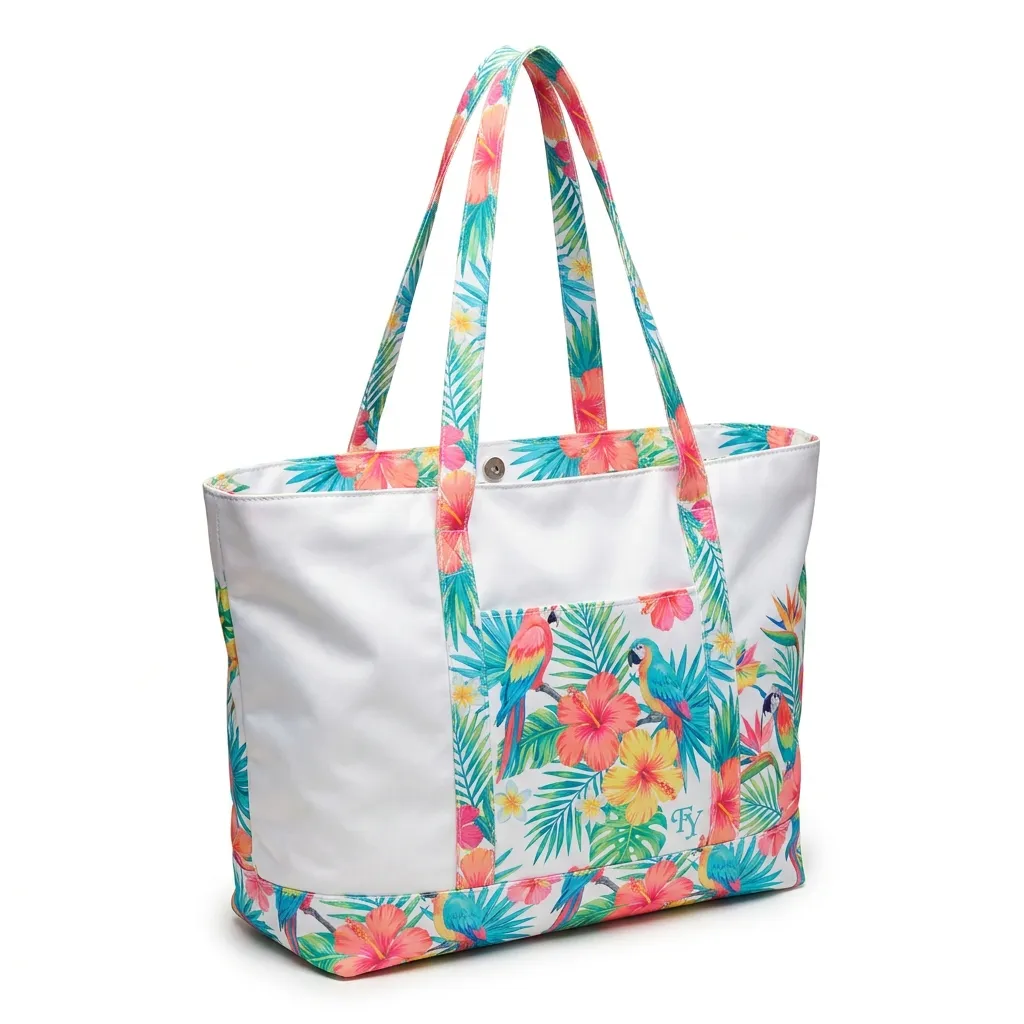
Sublimation Review
For compatible fabrics, we review color output, graphic clarity, alignment and coverage against the approved design. Sampling confirms the visual result before production and supports repeatable all-over or detailed printed finishes.

Laser Engraving Review
Laser-branded leather or vegan-leather components are checked for artwork definition, placement and contrast. The approval sample sets an agreed finish so marks remain readable and aligned across branded bag components.

Labels And Patches
Woven labels, leather labels, metal labels and custom patches are reviewed for logo accuracy, attachment method and placement. We confirm the approved trim works with the bag construction before bulk assembly begins.
Hardware and Trims Checked for Function and Finish

Zippers and Pulls
Zippers are checked for smooth travel, correct length, tape color, pull attachment and alignment at openings. Custom pulls are reviewed for finish consistency and secure fitting so daily use does not compromise function or brand presentation.
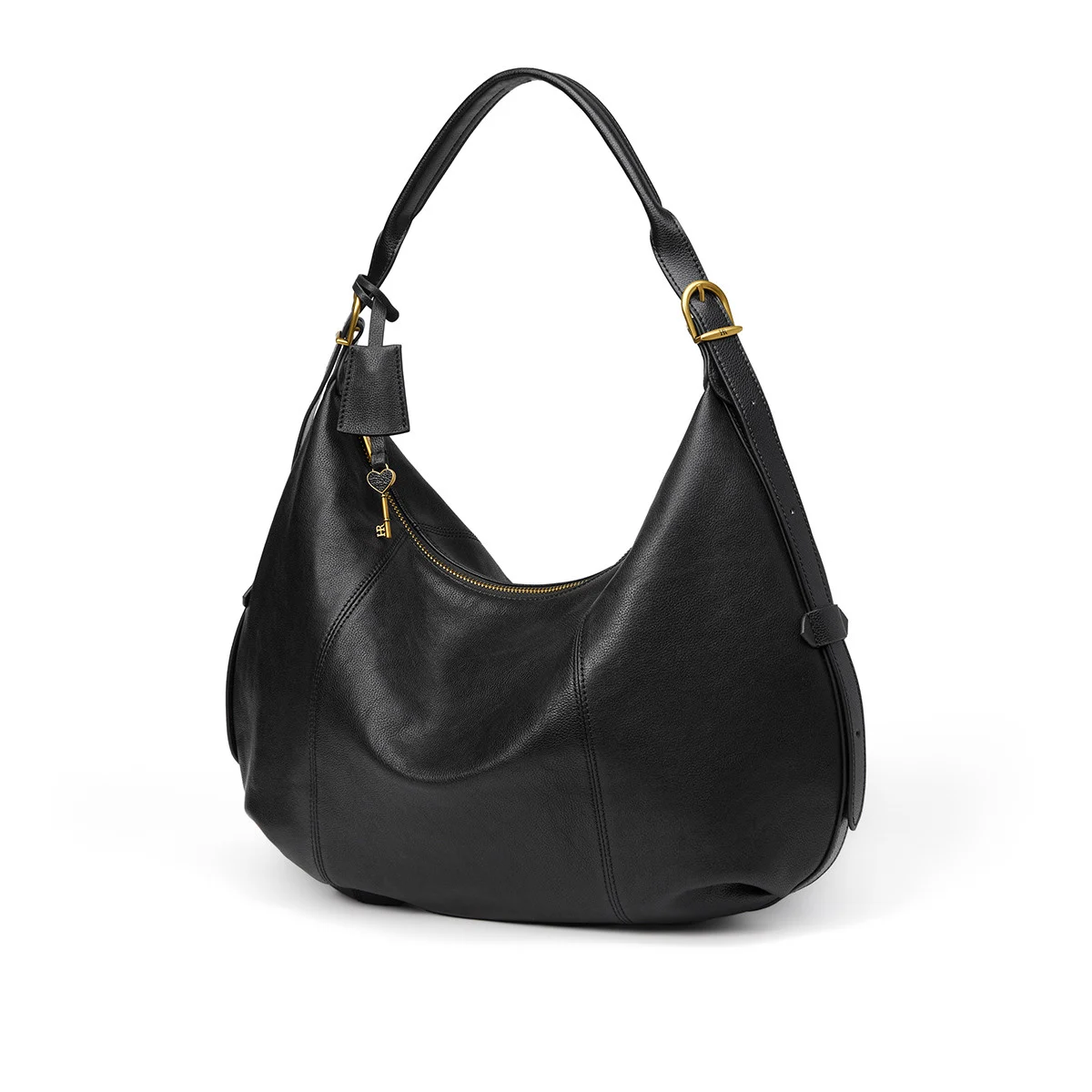
Buckles and D-Rings
Buckles and D-rings are matched to webbing width, load direction and approved finish. In-line checks confirm correct orientation, firm bar-tack or seam attachment, and consistent placement across shoulder, travel and outdoor bag programs.

Snap Buttons
Snap buttons are inspected for cap finish, centered placement and reliable opening and closing action. The team confirms that reinforcement suits the material and construction, helping prevent loosened snaps or visible distortion around closure points.

Webbing and Drawcords
Webbing and drawcords are checked for specified width, color, hand feel and clean cut ends. Attachment points, adjustment travel and cord-lock compatibility are reviewed to support carrying comfort, secure closure and a consistent finished look.
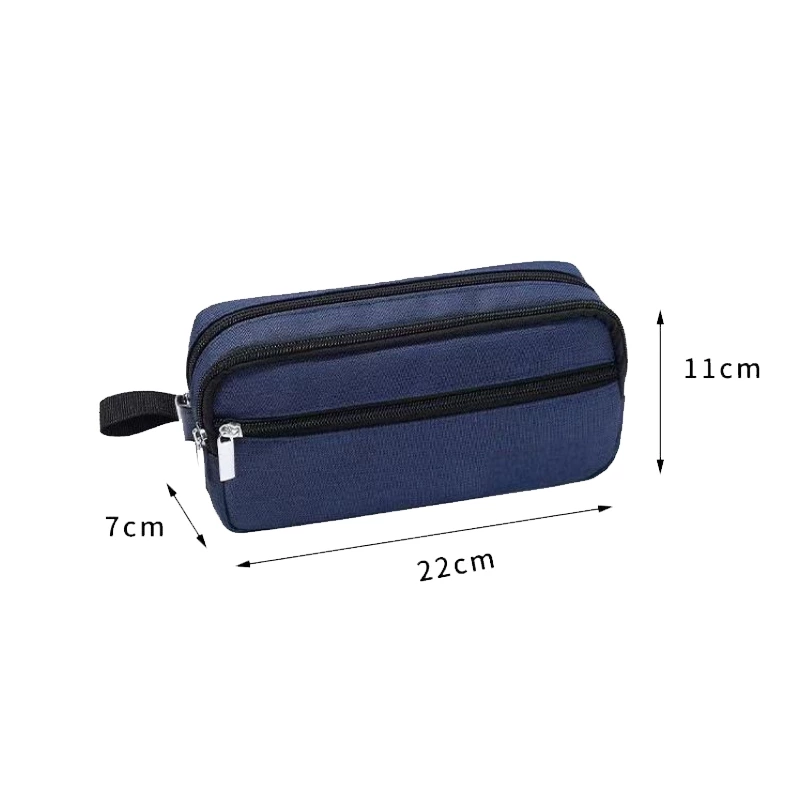
Branded Labels
Woven, leather or metal labels are verified against approved artwork, color and positioning. Quality checks cover legibility, edge finishing and secure attachment, ensuring branding remains aligned and visually consistent across the production order.
Documentation Checks for bag quality control process
Request reports relevant to the approved shell, lining, coating, hardware or decoration for the bag quality control process specification.
Review the factory, production and quality records that apply to the confirmed manufacturing program.
Define required declarations or testing before sampling so the quotation reflects the destination market.
When recycled or specifically sourced materials are selected, request supplier records matched to the actual order.
Confirm fiber, care, packaging, carton marks and labeling information for the buyer’s sales channel.
Complete Buyer’s Guide to the bag quality control process
Use this practical framework to evaluate inspection standards, supplier capabilities, construction controls, and pricing—while avoiding the sourcing mistakes that turn small bag defects into costly returns and brand damage.
1. What Is a Bag Quality Control Process?
3 inspection stages define a bag quality control process: pre-production approval, in-line checks, and final inspection before shipment. Together, they verify that materials, dimensions, stitching, hardware, decoration, packing, and workmanship match the approved sample and specification.
Quality assurance is the preventive system—clear tech packs, approved patterns, supplier controls, and documented standards. Quality control is the hands-on verification that finds defects during cutting, sewing, assembly, and finished-goods review.
100-piece OEM orders still need the same disciplined checkpoints as larger runs. A credible Chinese bag manufacturer should retain approval records, communicate deviations early, confirm safe construction and delivery acceptance criteria, and provide consistent products that reduce returns and protect customer satisfaction.
2. How Bag Quality Control Evolved
Before 1950, bag inspection was largely a craftsman’s final visual and touch check, suited to small workshops but weak at catching repeatable defects across batches.
Since the 1960s, factory systems have added written specifications, in-line checks and AQL sampling, giving global buyers a common way to judge lots instead of relying on opinion.
By the 2000s, lot codes, retained samples and digital reports made material, sewing and packing issues traceable. For 100-piece OEM runs, documented controls matter because one zipper failure or logo mismatch can quickly produce e-commerce returns, poor reviews and expensive rework.
3. Types of Bag Quality Control Process
A bag quality control process should create evidence before cutting, during assembly, and before release. For 100-piece orders, inspection intensity should follow the defect consequence, not a generic checklist.
Supplier And Material Gate

Before purchase, confirm supplier samples, specifications, color approval, and traceable lot records. Incoming inspection checks fabric shade, defects, GSM, hardware finish, and zipper operation, reducing substitution and mismatch risk.
- Record approved swatches and trim samples
- Quarantine failed lots before cutting
Production Control Points
Before bulk sewing, approve the pre-production sample, measurement sheet, construction notes, and packaging standard. Inline checks at first-off and regular intervals catch seam, alignment, reinforcement, and logo errors before they multiply.
- Keep signed approval and inline reports
- Check critical operations first
Release Inspection
At completion, final random inspection uses an agreed AQL plan for appearance, function, measurements, and packing; retain the report. Use 100% inspection for safety-critical parts, repeat defects, complex branded finishes, or a 100-piece launch order; verify carton marks and quantity before shipment.
- Release only after defect disposition
- Share final report with buyer
4. Materials in Bag Quality Control Process
At incoming inspection, material approval must match the use case and approved sample. A bag quality control process compares shade, weight or thickness, surface defects, odor, and supplier documentation before cutting.
| Material | Essential Checks | Likely Defects | End Use |
|---|---|---|---|
| Leather, PU | Thickness, odor, colorfastness | Scars, peeling, shade shift | Handbags, wallets |
| Nylon, polyester | Weight, abrasion, coating | Pinholes, delamination | Backpacks, travel bags |
| Canvas, lining | GSM, colorfastness | Streaks, loose weave | Totes, school bags |
| Webbing, foam | Tensile strength, recovery | Fraying, collapse | Straps, padded backs |
| Zippers, hardware | Operation, plating | Jamming, corrosion | All bag types |
Substrate-Specific Checks

Leather needs grain and thickness checks; PU needs peel and odor review.
Nylon, canvas, and polyester need weight, coating, abrasion, and colorfastness checks.
Components Under Load

Webbing requires tensile testing and even weave review; foam requires thickness and recovery checks.
Zippers and hardware need smooth operation, plating review, and secure attachment.
Compliance Records
Restricted-substance declarations should cover fabrics, coatings, leather, inks, and metal finishes.
Approved swatches and test records make repeat orders easier to control.
5. Customization and Branding QC Checks
100% approved artwork should identify Pantone colors, logo size, and placement from fixed seams or panel edges. The bag quality control process compares the first-off unit against that signed reference.
| Method | Appearance | Best Material | QC Focus |
|---|---|---|---|
| Screen print | Flat color | Canvas, cotton | Rub resistance |
| Digital print | Detailed artwork | Polyester | Color match |
| Heat transfer | Sharp logo | Nylon, polyester | Adhesion |
| Embroidery | Textured | Canvas, polyester | Thread coverage |
| Debossing or foil | Premium mark | PU, leather | Legibility |
Artwork And Placement
2 mm placement tolerance is practical for small logos; larger panels need agreed tolerances.
1:1 artwork proofs prevent unreadable fine type, reversed details, and incorrect color separations.
Decoration Performance

10-cycle dry-rub checks reveal weak print, foil, and heat-transfer adhesion.
Embroidery, patches, debossing, and woven labels require secure edges and legible branding.
Retail Presentation

100% hangtags, dust bags, boxes, and cartons should match approved copy and barcode placement.
Final packing checks prevent mixed colors, styles, or branded components.
6. Construction Quality Elements to Inspect
Construction failures usually appear at stress points, not on a showroom table. A disciplined bag quality control process checks construction against the approved sample before cartons are sealed.
Stitching And Seams
Eight to an approved stitch-density standard is a practical reference for many sewn panels; confirm the approved specification. Open seams, skipped stitches, broken thread, or missing backstitches at joins are major defects and block shipment when they weaken the bag.
Load Points And Hardware

Two or more reinforcement rows at strap anchors, handles, and webbing joins should be secure and symmetrical. Loose rivets, cracked buckles, sharp hardware, zipper jamming, or anchor pull-out are critical defects and must block shipment.
Finish, Fit And Function
Approved dimensions, shape, lining fit, binding, and edge finishing should match the sealed sample within agreed tolerances. Minor loose thread ends may be reworked; distorted panels, exposed raw edges, lining bunching, or failed functional load testing are major and require correction before release.
7. Choosing a QC-Capable Bag Manufacturer
A 100-piece order needs the same control discipline as a larger run. Choose a factory by proven bag-category experience, repeatable samples, and evidence behind its bag quality control process—not its lowest quote.
Verify The QC System
Ask for written SOPs, inspector training records, calibrated measurement tools, and the AQL plan before deposit.
- Which defects trigger rejection?
- Who approves corrective actions?
- How are lot reports traced?
Compare Sample To Bulk
Match the approved sample against production measurements, materials, zipper operation, stitching, branding, and packing. Retained specifications reduce reorder drift.
Test Supplier Transparency
Request dated inspection reports with quantities checked, defect photos, and closure evidence. A capable factory welcomes third-party inspection and answers technical questions promptly.
- Red flag: verbal-only QC claims
- Red flag: no AQL definition
- Red flag: unexplained sample changes
8. Common Bag Quality Control Process Mistakes
9 recurring errors turn simple approval into expensive rework. Overseas buyers should lock measurable controls before cutting, then retain them for every repeat order.
Freeze Specifications And Golden Samples
100-unit runs still need written dimensions, materials, color references and stitch requirements; vague approvals invite interpretation.
1 approved golden sample and tolerances prevent drift between sampling and bulk production.
Inspect Beyond Appearance
AQL must be agreed before production; appearance-only checks miss load-bearing seams, measurements and hardware function.
1 packing specification covering polybags, hangtags, carton counts and drop protection prevents shipment damage.
Verify Materials And Timing
600D polyester, PU and recycled textiles require use-case testing; unsuitable materials fail early despite a clean finish.
Third-party compliance claims need documents, while in-line and pre-shipment inspections catch defects before export.
9. Launch Your Bag Brand With QC Built In
A 100-unit OEM run needs the same approval gates as a larger launch. Build the bag quality control process into each handoff, not only final inspection.
Lock The Development File
1 design brief should define dimensions, capacity, Pantone colors, materials, hardware, logo placement, packing, and tolerances.
1 retained tech pack, material swatch card, and signed prototype approval create the baseline for sampling.
Approve Before Bulk Cutting
1 pre-production sample must match the approved prototype before fabric cutting begins.
100-unit orders benefit from buyer approval of measurements, seam reinforcement, zipper operation, decoration, labels, and carton markings.
Control Reorders With Records
3 checkpoints—first-piece, in-line, and final inspection—catch drift before shipment release.
1 final report, defect photos, packing list, and post-launch feedback log help repeat styles scale without changing the approved standard.
10. Bag QC Pricing and Cost Drivers
100-piece OEM runs carry the highest per-unit QC burden because setup, sampling, and rework are spread across fewer bags. Compare defect risk and landed quality cost—not only the factory quote.
2 inspection choices change cost materially: AQL sampling controls risk economically, while 100% inspection suits launch-critical or complex styles. Material grade, branded hardware, decoration, packaging, rework allowance, and independent verification all affect the total.
| Quantity tier | Unit-price impact | Inspection scope | Lead-time effect |
|---|---|---|---|
| 100 pieces | Highest setup allocation | AQL or 100% for launches | Add 2–5 days |
| 300–500 pieces | Setup spread improves cost | AQL; targeted full checks | Add 2–4 days |
| 1,000+ pieces | Lower QC cost per bag | AQL plus process audits | Add 2–3 days |
| Any quantity | Third-party verification adds fees | Pre-shipment sampling or 100% | Schedule before balance payment |
Start Your Bag Quality Control Process With Confidence
Send your tech pack, reference sample or concept for a practical review, quotation and sample plan tailored to your production requirements.