
Custom Bag Manufacturer in China for OEM, ODM and Private Label
Yeenkran develops custom bags and luggage from early concepts through patterns, material sourcing, samples, quality control and repeatable bulk production, with MOQ from 100 units per style and color.
Product Directions for reinforced seam bag manufacturer
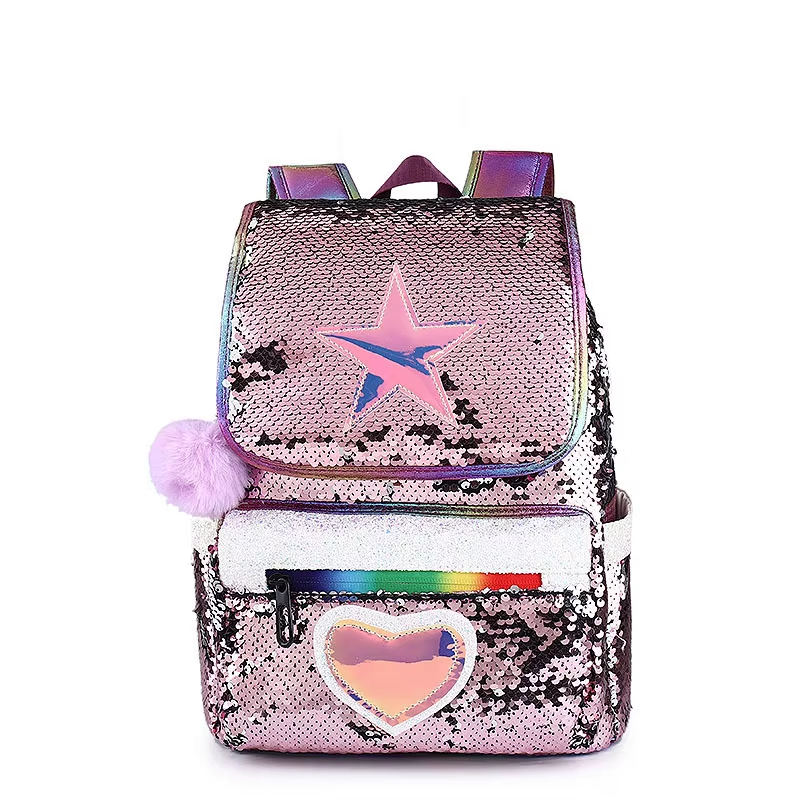


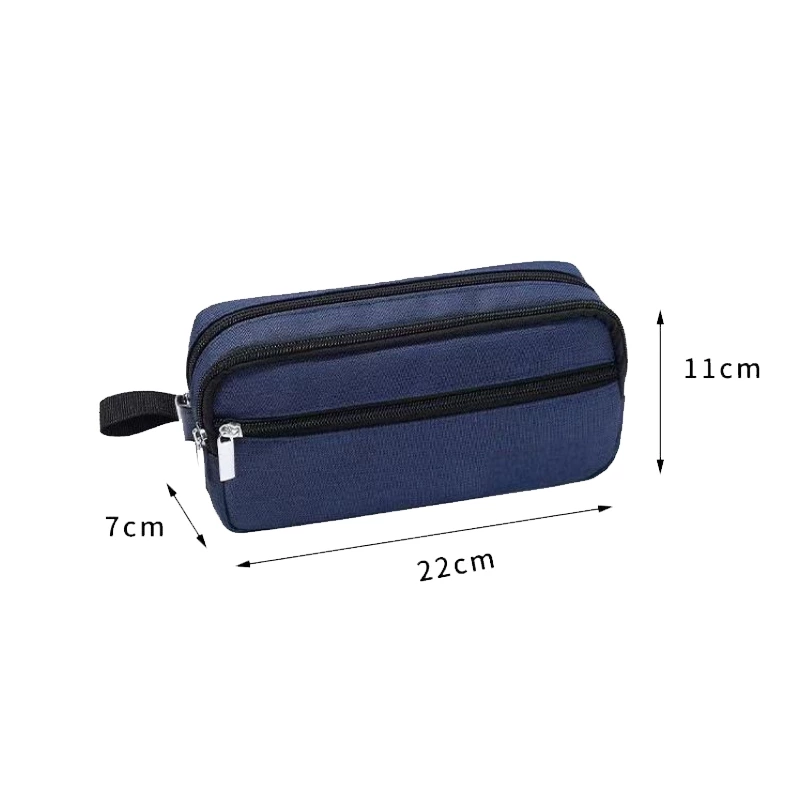

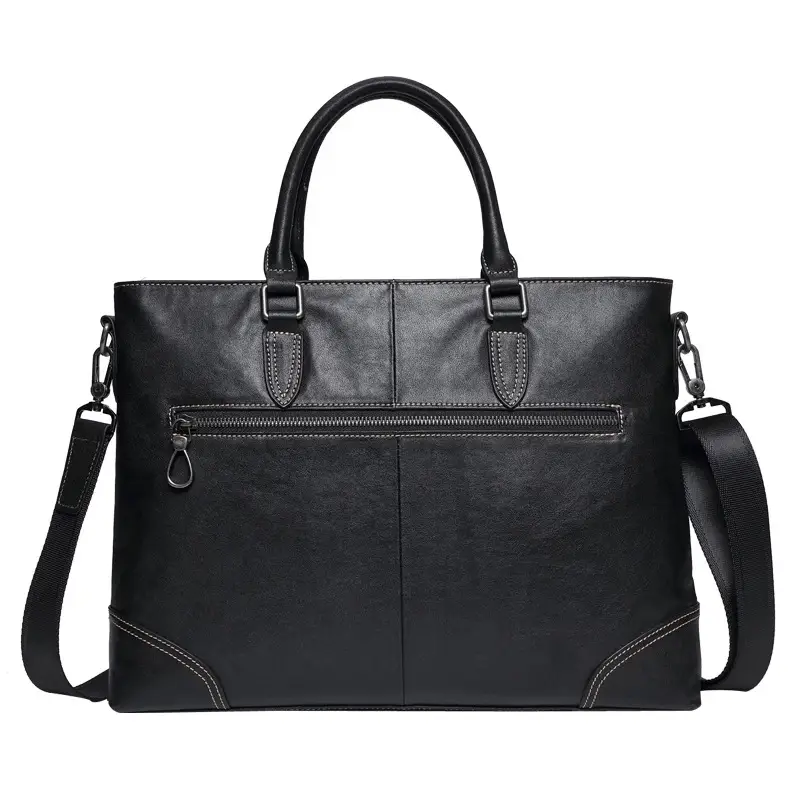


Built for Load, Wear and Repeat Production
Yeenkran turns reinforced bag concepts into production-ready programs through pattern engineering, material matching, controlled stress-point assembly and scalable quality checks.
Pattern-Led Load Planning
Patterns define seam allowances, panel connections, webbing paths and reinforcement placement before sampling, helping teams validate carrying performance and assembly feasibility early.
Material and Trim Matching
Fabric weight, lining, foam, webbing, thread and hardware are selected together to balance abrasion resistance, hand feel, target cost and intended load.
Stress-Point Reinforcement
Strap anchors, handles, zipper ends, pocket corners and base panels receive construction attention where repeated pulling, weight and movement concentrate.
Sampling Before Scale
Review prototypes for shape, capacity, ergonomics, seam performance and finishing before bulk approval, with records retained to support consistent repeat orders.
QC for Repeatable Output
Incoming material checks, in-line construction review, measurements, appearance inspection and packing verification help keep approved reinforced seam bag specifications consistent in production.
Related Manufacturing Capabilities
Explore adjacent services when specifying your bag project.
About Yeenkran, Your Reinforced Seam Bag Manufacturer
Founded in Wuhan, China in 2010, Yeenkran helps international sourcing and product teams turn bag concepts, reference samples and tech packs into production-ready programs. We combine pattern development, material and hardware sourcing, sampling, manufacturing, quality control, branded packing and export coordination in one-stop bag manufacturing.
Our company-supplied operating scale includes more than 200 skilled employees, monthly capacity above 60,000 bags and service to more than 1,200 bag and accessory brands. We support OEM, ODM, private-label, wholesale and low-MOQ projects across backpacks, handbags, totes, travel bags, tool bags and small leather goods, with MOQ starting at 100 units per style and color, subject to confirmed material and construction minimums.
Yeenkran’s difference begins with construction decisions before bulk production: load paths, seam reinforcement, webbing attachment, padding, hardware placement and material performance. We review these inputs during development, refine them through samples and retain approved patterns and specifications to help make repeat production and reorders more consistent.
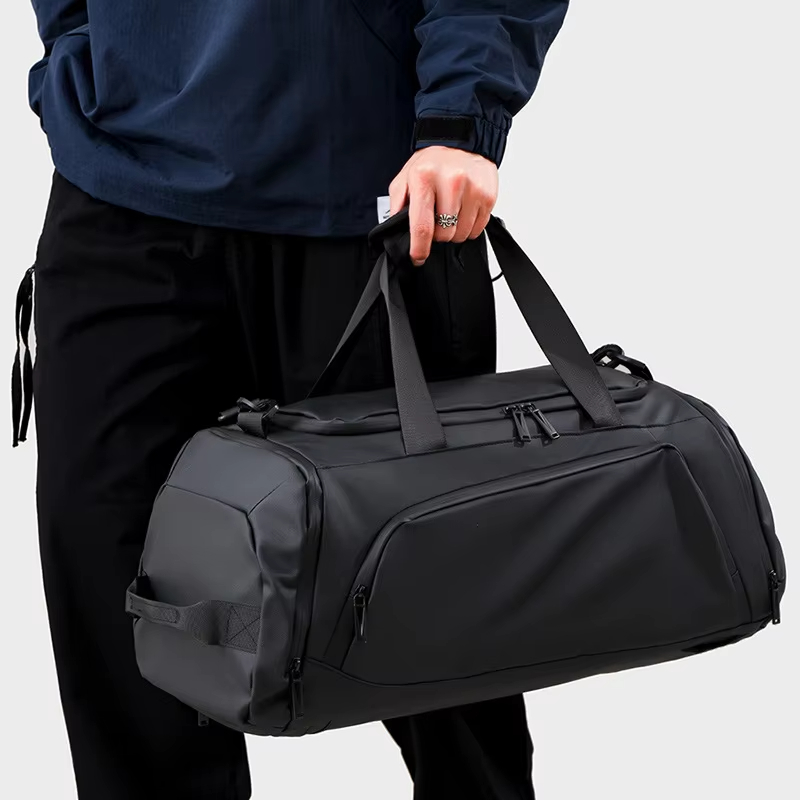
Reinforced Seam Bag Manufacturer Capabilities
Pattern Engineering for Load Paths
Yeenkran translates your sketch, sample or tech pack into production-ready patterns that account for capacity, stress points, strap placement and seam allowances. Before sampling, our team reviews dimensions, carrying use, pocket layout, materials and target cost with your sourcing or product team.
- Define reinforcement zones around handles, straps and high-load seams
- Review panel geometry, foam thickness and structural components
- Confirm construction details before cutting the first prototype
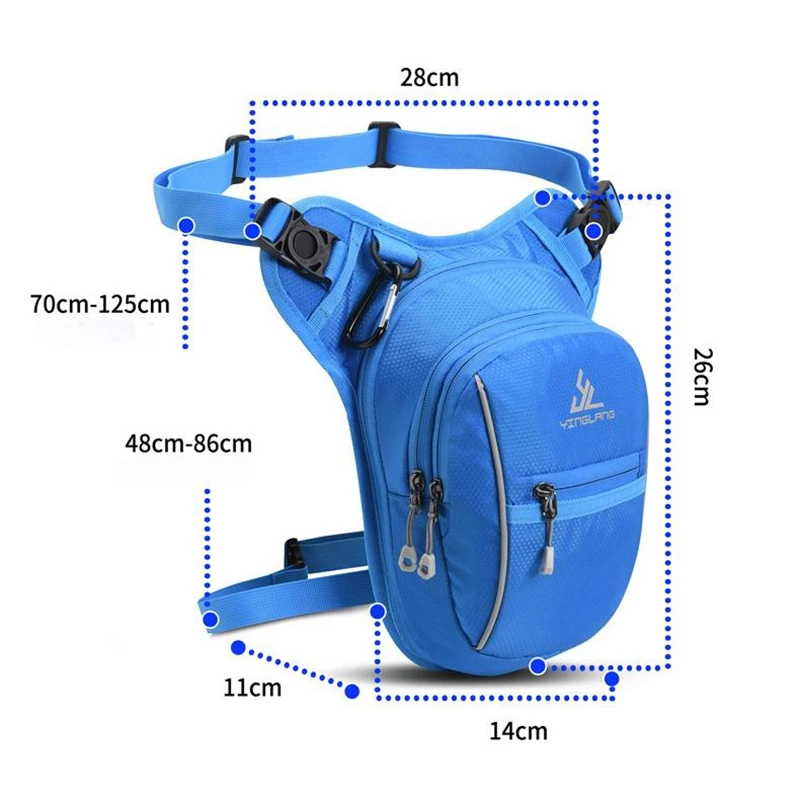
Materials and Hardware Matched
Reinforced construction depends on compatible materials, webbing, thread, lining and hardware—not simply heavier fabric. We source options across China and compare hand feel, weight, abrasion resistance, water resistance, color and cost so the selected build supports your intended use and price position.
- Compare canvas, Cordura, nylon, polyester, Oxford, RPET, PU, vegan leather and genuine leather options
- Match webbing, zippers, buckles and D-rings to expected loads
- Provide swatches or sample bags for buyer approval

Sampling That Resolves Details
A prototype gives your team a practical checkpoint before bulk production. Yeenkran refines shape, measurements, ergonomics, reinforcement placement and assembly sequence after feedback, then records approved patterns and material specifications to help make future orders more consistent.
- Develop samples from concepts, reference bags or finished tech packs
- Test carrying comfort, pocket access and hardware placement
- Lock approved specifications before production confirmation
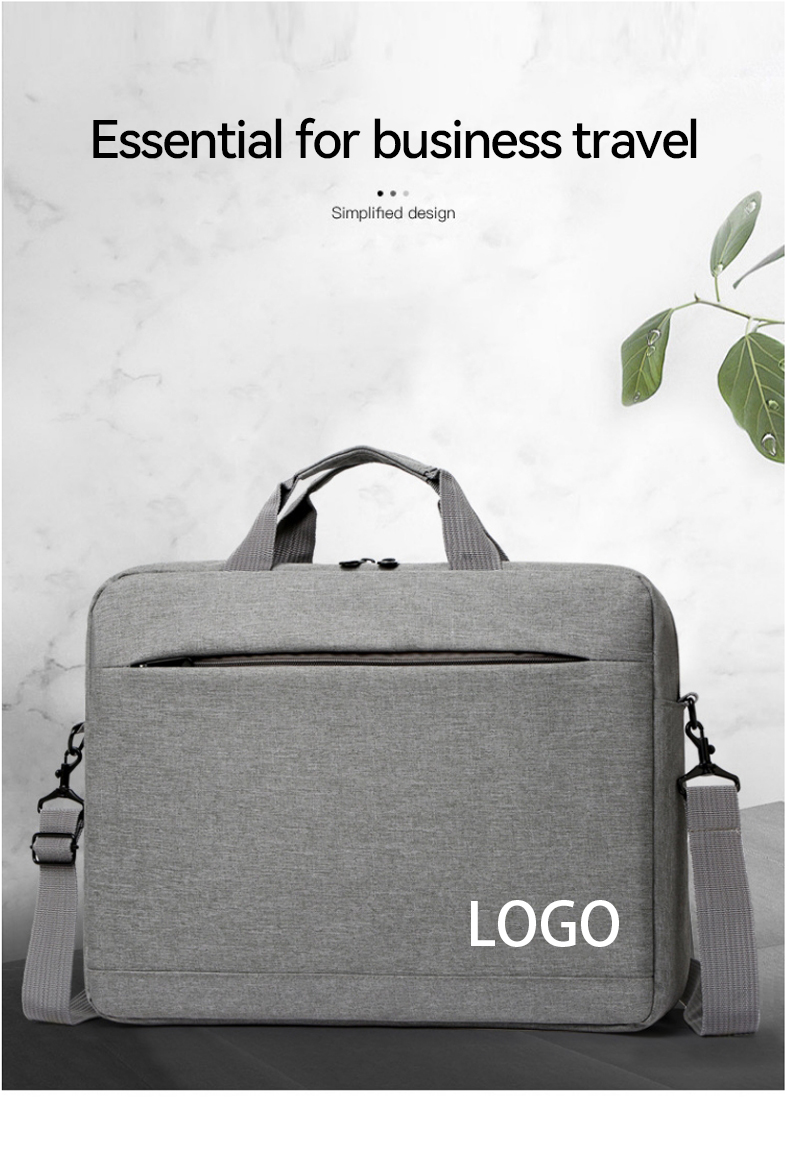
In-Line Checks During Production
As a reinforced seam bag manufacturer, Yeenkran checks construction throughout production rather than relying on final inspection alone. Incoming materials, seam execution, measurements, decoration, appearance and packing are reviewed against the approved sample and confirmed order requirements.
- Inspect incoming fabrics, trims and hardware before use
- Check reinforcement stitching, measurements and assembly in line
- Verify final appearance, branding and export packing before shipment

Why Choose Yeenkran as Your Reinforced Seam Bag Manufacturer
Clear development ownership, approval checkpoints and retained specifications for dependable bulk production and reorders.
← Swipe left or right to view →
Our Reinforced Seam Bag Manufacturing Process
A controlled development workflow for sourcing and product teams, from construction review through repeatable bulk production.
Review Requirements and Feasibility
We assess intended load, dimensions, materials, seam locations, hardware, decoration, target cost, and order quantity before confirming practical construction options.
Source Materials and Hardware
Our team compares fabrics, foam, webbing, zippers, buckles, and structural components against durability, hand feel, water resistance, color, minimums, and budget.
Engineer Patterns and Samples
Pattern makers develop construction details and prototypes, refining reinforcement placement, measurements, pocket layouts, carrying systems, and assembly methods after buyer feedback.
Approve Production Specifications
Once the sample is approved, we lock patterns, material specifications, branded trims, packaging requirements, quality checkpoints, and quotation details for bulk production.
Produce Reinforced Bag Orders
Cutting, sewing, webbing assembly, hardware installation, reinforcement, finishing, and branding follow approved specifications, with in-line checks throughout production.
Inspect Pack and Coordinate Export
Final checks cover construction, measurements, appearance, decoration, and packing before branded packaging, export cartons, balance settlement, and shipment coordination.
Start Your Reinforced Seam Bag Project
Move from concept to controlled bulk production with clear feasibility, approval and quality checkpoints.
Submit Your Design Brief
Send a tech pack, sketch, reference sample or concept with target dimensions, load requirements, materials, branding, quantity and target price.
Confirm Feasibility and Quotation
Review reinforced seam placement, stress points, hardware, fabrics, construction complexity, MOQ and lead-time assumptions before Yeenkran prepares an order-specific quotation.
Approve Production Samples
Evaluate samples for shape, measurements, carrying comfort, seam reinforcement, materials, decoration and packaging; confirm final specifications before bulk production begins.
Launch Controlled Bulk Production
Yeenkran retains approved patterns and specifications, conducts material and in-line checks, verifies finished bags and confirms packing before export coordination.
Buyer Approval Priorities for reinforced seam bag manufacturer
Use the first reinforced seam bag manufacturer sample to verify dimensions, access, carry comfort, materials and logo placement against one written approval list.
Keep approved patterns, material references and construction notes together so repeat orders can be checked against the same standard.
Coordinate pattern development, sourcing, decoration, quality checks and packing through one accountable project file.
Reinforced Seam Bag Manufacturer FAQ
Practical answers for sourcing and product teams planning reinforced bag development, sampling and bulk production with Yeenkran.
What is the MOQ for a reinforced seam bag manufacturer?
Can a reinforced seam bag manufacturer work from a sketch or reference sample?
How long do reinforced seam bag samples and bulk orders take?
What information do you need to quote a reinforced bag project?
How does a reinforced seam bag manufacturer verify seam strength before production?
What payment terms are available for new bag manufacturing orders?
Can you arrange export shipping for reinforced seam bag orders?
How does Yeenkran protect my bag design and branded details?
Explore Products for reinforced seam bag manufacturer
Browse published Yeenkran product directions, then send your material, size, branding and quantity requirements for an OEM/ODM quotation.


Materials for Reinforced Seam Bag Manufacturing

Canvas Cotton
A firm, natural hand with a casual premium look for totes, shoppers and everyday backpacks. Canvas weight can be selected for body and durability, while reinforcement placement helps support handles, seams and loaded base panels.
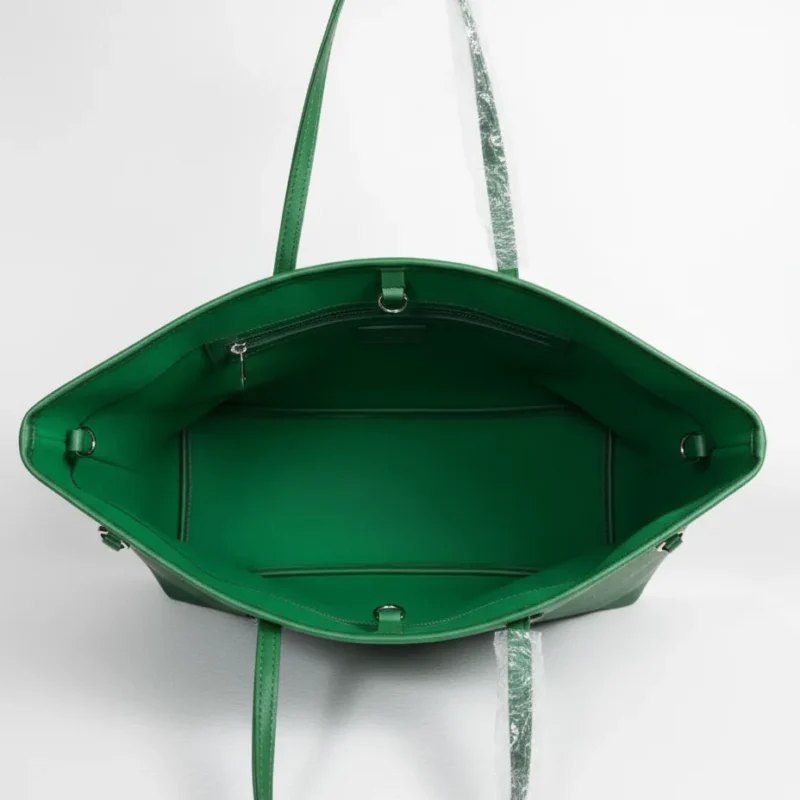
Nylon Fabric
Lightweight with a smooth technical feel, nylon suits travel, commuter, outdoor and performance bags. It offers strong abrasion resistance for its weight, with coating and denier choices affecting water resistance, stiffness and final cost.

Oxford Cloth
A practical woven surface for school, laptop, travel and utility bags, Oxford cloth balances structured feel with accessible cost. Different yarn weights and back coatings influence tear resistance, water resistance and the support needed at stress points.
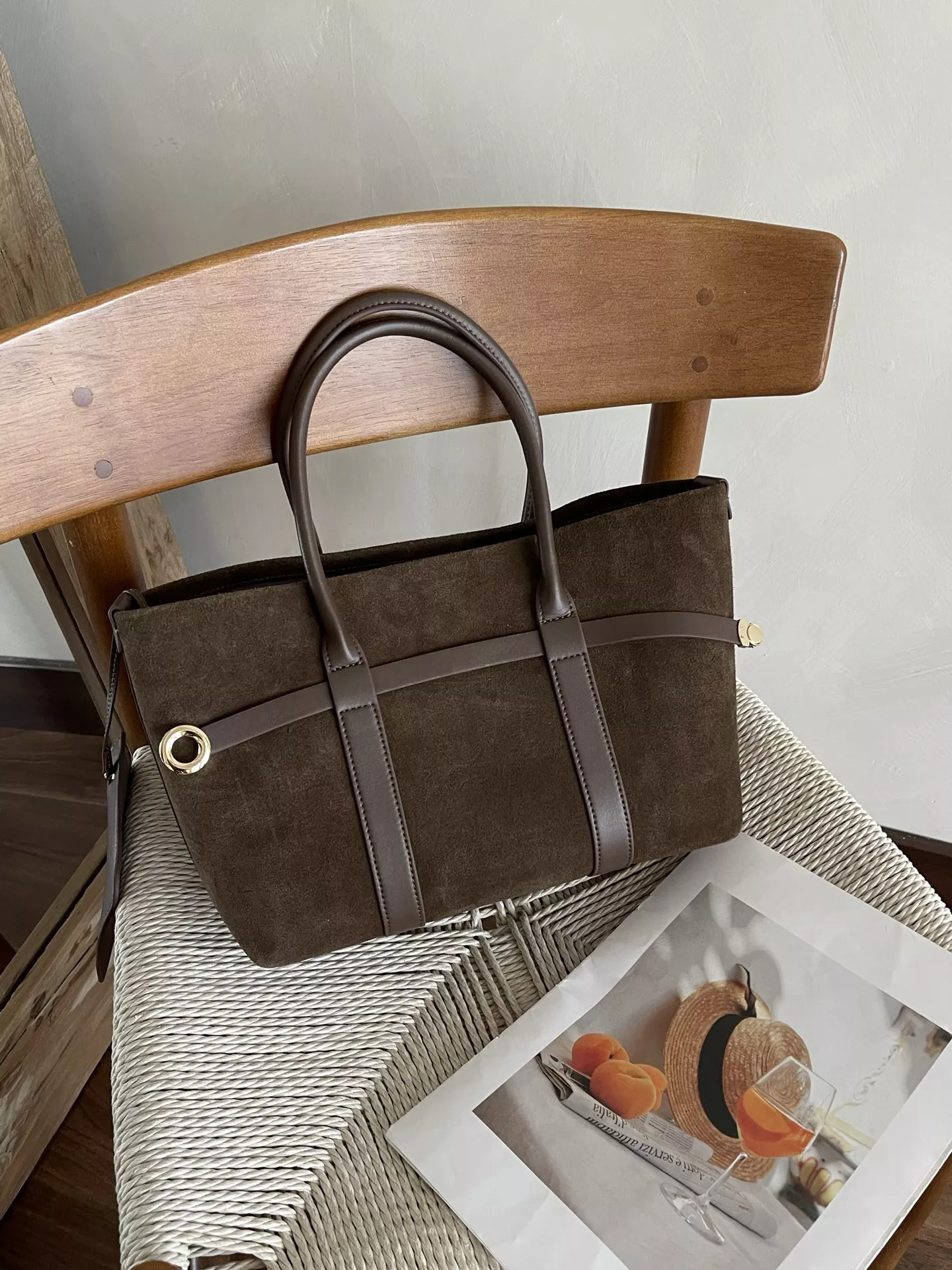
Recycled RPET
Made from recycled polyester feedstock, RPET provides a familiar polyester hand for totes, backpacks and promotional programs. Buyers can compare weight, weave and coating options against color requirements, sustainability goals, abrasion performance and material minimums.

PU Vegan Leather
PU and vegan leather create a clean, refined finish for handbags, crossbody bags and structured accessories. Material thickness and backing determine drape, edge behavior and panel stability, while reinforcement helps protect handles, straps and hardware attachments.
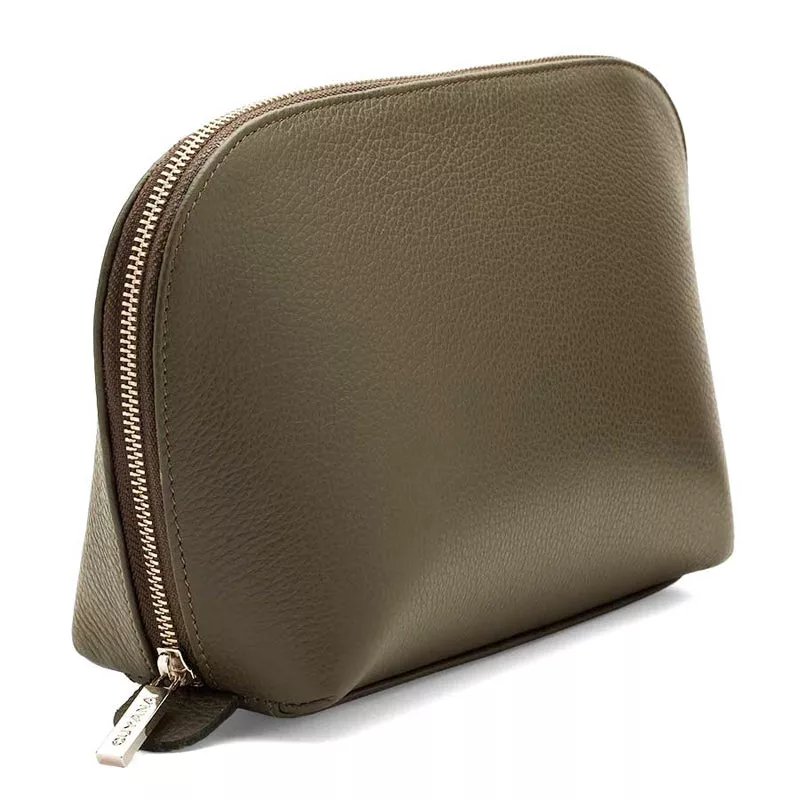
Genuine Leather
Genuine leather offers a substantial hand, natural variation and durable premium character for handbags, wallets and small leather goods. Buyers should approve grain, thickness, color and edge finishing in samples because these choices affect structure, yield and cost.
Reinforced Seam Bag Manufacturer Processes

Precision Sewing
Pattern-led cutting and sewing establish the bag’s shape, pocket placement and assembly sequence. Stitch density, seam allowances and thread selection are reviewed against the material, helping support consistent appearance and repeatable bulk production.

Seam Reinforcement
High-stress zones such as strap anchors, handles, base panels and load-bearing joins can receive reinforced seams, webbing support or layered construction. The selected method is confirmed during sampling around expected use, materials and cost targets.

Bonding Assembly
Bonding can complement sewn construction on suitable materials and panel designs, supporting cleaner edges or targeted reinforcement. Yeenkran assesses fabric compatibility, flex requirements and production feasibility before this construction detail is approved.

Screen Print
Screen printing applies crisp branded graphics to selected bag panels, making it well suited to solid-color artwork and repeat programs. Artwork, print placement, fabric type and color coverage are reviewed before sampling for a durable visual result.

Custom Embroidery
Flat or three-dimensional embroidery adds tactile logos, lettering or decorative details to bags and patches. Stitch count, backing, placement and material thickness are evaluated in the sample stage to maintain clean definition without compromising panel performance.

Finishing and Packing
After assembly, bags receive finishing, appearance review, measurement checks and packing verification. Options include woven labels, metal branding, hangtags, dust bags, branded boxes and export cartons matched to retail presentation and shipment requirements.
Hardware and Trims for High-Stress Bag Designs
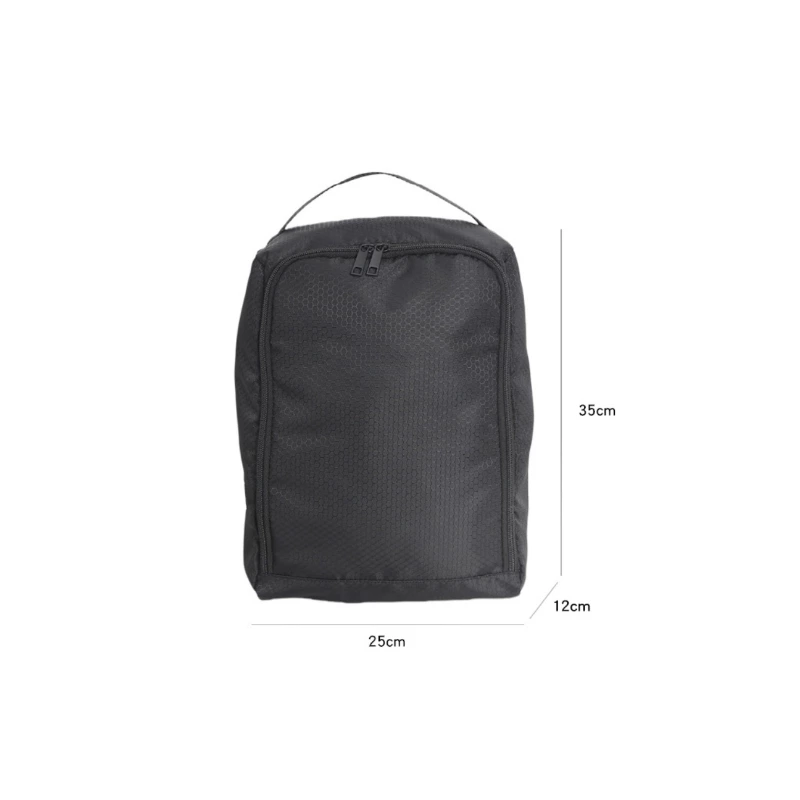
Zippers and Pulls
Select zipper size, slider finish and custom pull shape for compartments exposed to frequent use. Yeenkran samples zipper operation with the chosen fabric thickness, lining and seam construction before production approval.

Webbing and Straps
Specify webbing width, weave, color and hand feel for shoulder straps, grab handles and compression points. Reinforced bartacks and box stitching are planned around the webbing load path and intended carrying use.

Buckles and D-Rings
Add buckles, adjusters, D-rings and cord locks for adjustable straps, detachable parts and functional attachments. Material, finish and dimensions are matched to webbing width, hardware load and the bag’s overall visual direction.

Rivets and Snaps
Use rivets and snap buttons at closures, strap anchors and high-wear accents where the material stack supports them. Sampling confirms placement, backing requirements and finish consistency across the approved bag construction.

Labels and Patches
Apply woven labels, leather labels, metal badges or custom patches to make private-label bags recognizable. Placement, attachment method and artwork details are reviewed alongside the sample so branding remains secure and production-ready.

Hangtags and Packaging
Complete the retail presentation with custom hangtags, dust bags, branded boxes and export carton requirements. Yeenkran confirms packing dimensions, protection needs and brand presentation before final packing specifications are released.
Documentation Checks for reinforced seam bag manufacturer
Request reports relevant to the approved shell, lining, coating, hardware or decoration for the reinforced seam bag manufacturer specification.
Review the factory, production and quality records that apply to the confirmed manufacturing program.
Define required declarations or testing before sampling so the quotation reflects the destination market.
When recycled or specifically sourced materials are selected, request supplier records matched to the actual order.
Confirm fiber, care, packaging, carton marks and labeling information for the buyer’s sales channel.
Complete Guide to reinforced seam bag manufacturer
Use this decision framework to compare reinforced construction, materials, customization, supplier capabilities, and pricing—while avoiding specification, sampling, and quality-control mistakes that can undermine your bag launch.
1. What Is a reinforced seam bag manufacturer?
2010 is the founding year of Wuhan Yeenkran Bag Co., Ltd., a reinforced seam bag manufacturer that develops patterns, sources materials, makes samples, sews, inspects, packs and coordinates export for OEM, ODM, private-label and wholesale programs. Reinforcement means adding stitches, webbing anchors, binding, bartacks or layered panels where straps, handles, pocket edges and load points concentrate stress.
100 units per style and color is Yeenkran’s standard starting MOQ, subject to material minimums and construction complexity. Unlike a trading company, a manufacturing partner should review patterns and load paths, build and revise samples, control production checks and retain approved specifications for reorders.
3 categories benefit especially: backpacks, travel and duffel bags, and laptop, tactical or tool bags. Buyers should expect practical advice on fabric weight, foam, webbing, hardware and seam placement—not unsupported durability claims.
2. How Reinforced Bag Construction Evolved
Reinforced construction has evolved alongside changes in bag materials, webbing and industrial sewing methods. For current sourcing, the key decision is practical: translate intended load, fabric weight, strap geometry and production method into repeatable construction rather than adding extra stitching after sampling.
3. Reinforced Seam Bag Types to Source
Six formats cover most reinforced-seam briefs, from light retail carryalls to travel gear. Match attachment strength to expected load, carrying method, and customer rather than adding reinforcement indiscriminately.
| Format | Stress Points | Reinforcement | Use And Buyer |
|---|---|---|---|
| Tote | Handle joins, base corners | Box-X stitching; bound base | Shopping; retailers and lifestyle labels |
| Drawstring | Cord exits, bottom seams | Bartacks; double-layer corners | Promotions; influencers and events |
| Backpack | Strap roots, grab handle, base | Box-X straps; webbing anchors | Commuting; school and outdoor brands |
| Duffel | Handle wraps, zipper ends, base | Wraparound webbing; bartacks | Travel; gym and team buyers |
| Crossbody | D-ring tabs, strap ends | Reinforced tabs; rivets where suitable | Hands-free fashion; e-commerce labels |
| Utility Or Shopping | Handle anchors, loaded base | Cross-stitching; base binding | Grocery or work carry; wholesalers |
4. Materials a reinforced seam bag manufacturer Uses
Shell choice sets seam load, print result, moisture performance, and perceived value. A reinforced seam bag manufacturer should specify lining, webbing, thread, and patches alongside the outer fabric.
| Material | Typical Weight | Strength | Cost | Recommended Applications |
|---|---|---|---|---|
| Canvas | 12–20 oz | High | Medium | Totes, work bags |
| Cotton | 8–16 oz | Medium | Low | Printed shoppers |
| Recycled polyester | 300–600D | Medium-high | Medium | Commuter bags |
| Nylon | 420–1000D | High | High | Travel, outdoor |
| PU | 0.8–1.2 mm | Medium | Medium | Fashion handbags |
| Non-woven | 60–120 GSM | Low | Low | Promotional bags |
Reinforcement Components

210D polyester lining suits light bags; 420D nylon improves abrasion resistance. Use nylon webbing, bonded polyester thread, and bar-tacked canvas or PU patches at strap anchors.
5. Customization Options From a reinforced seam bag manufacturer
At a 100-unit starting MOQ, lock dimensions, gusset depth, pocket access, handle drop, zipper specification, hardware finish, and Pantone references before sampling. These choices change both capacity and repeatability.
| Method | Best For | Durability | Setup |
|---|---|---|---|
| Screen print | Flat logos | High | Screen charge |
| Heat transfer | Detailed art | Medium-high | Low setup |
| Embroidery | Textured logos | High | Digitizing |
| Woven label | Small branding | High | Custom weave |
| Debossing | Leather patches | High | Die cost |
Build Specification

A 3–5 cm gusset increase can materially improve capacity; define it with pocket layout and strap length. Specify zipper gauge, puller, D-ring finish, labels, and retail packaging in the tech pack.
Private-Label Decoration

Screen printing suits bold flat art, while heat transfer suits detailed multicolor graphics. Embroidery adds texture; woven labels and debossing suit discreet, durable branding.
Order-Volume Trade-Offs
At 100 units, use standard hardware and limited colorways to control setup costs. Custom molds, exact Pantone dyeing, and multi-position decoration become more efficient at higher volumes.
6. Construction Details That Determine Quality
Reinforcement is measurable at the seam, not a label. A reinforced seam bag manufacturer should specify stitch density, thread, seam allowance and stress-point treatment on the approved sample.
Stitches And Stress Points

an approved stitch-density standard is a practical starting range for many woven bags; heavy webbing joints need matched thread and repeated bar tacks. Box-X stitching should secure handles where load enters the body.
Loose loops, skipped stitches, puckering, exposed seam edges and uneven handle placement are visible rejection signals.
Verify Before Bulk Approval
1 pre-production sample should show lining attachment, binding, bar-tack locations and seam allowances. Request a marked tech pack, pattern notes, construction specification and load-test method before releasing bulk production.
10 kg for a stated test period is meaningful only when the bag’s intended load, duration and pass criteria are recorded.
7. Choosing a reinforced seam bag manufacturer
100-piece starting MOQs can suit launch programs, but material minimums and construction complexity still govern feasibility. Compare suppliers using the same evidence pack, not the lowest quotation.
Relevant Build Experience
3 comparable bag samples should show load paths, strap anchors, and reinforced seam execution. Request factory photos, pattern revisions, and buyer references.
Sampling And Materials
1 pre-production sample should list fabric lot, GSM, coating, zipper, webbing, and hardware sources. Test loaded straps, seam pull strength, measurements, and abrasion before approval.
Systems And Delivery
Company-reported monthly capacity above 60,000 bags should be reviewed alongside production planning, in-line inspection records and export documentation. Ask about documentation relevant to your market, English response times, packing and destination experience.
8. Common Reinforced Bag Sourcing Mistakes
Most avoidable claims begin before cutting: an incomplete specification or an untested approval becomes a costly bulk-production correction. Require written tolerances, performance criteria, and a realistic critical path before releasing any order.
Specify Use And Load
10 kg commuter use demands different webbing, bartacks, and base reinforcement than a light fashion tote. State contents, carried weight, strap loading, and drop expectations; otherwise failures become chargebacks or remake costs.
Test Beyond Appearance

600D polyester and PU may look suitable yet differ in abrasion, coating, and cold-flex performance. Approve swatches, Pantone and trim tolerances, then load-test straps, seams, zippers, and decoration on the final sample.
Protect The Production Schedule
100-unit programs still need sourcing, sampling, approval, and production time. Confirm artwork limits, material availability, approval dates, and buffer time; rushed changes commonly create delays, substitutions, or inconsistent branding.
9. Steps to Launch Your Reinforced Bag Line
A 100-piece MOQ works best when the brand locks one customer, use case, target retail price, and core colorway before approaching a reinforced seam bag manufacturer. Assign one decision-maker to approve every handoff.
Define The Product Brief
Week 1: send dimensions, capacity, reference images, Pantone colors, logo placement, target cost, and required load points. The factory returns feasibility notes, material options, and a quotation basis.
Sample And Revise
Sample round 1: approve pattern, pocket layout, strap length, reinforcement placement, hardware, and decoration on a physical prototype. Record revisions in one dated file; do not approve changes only through chat messages.
Release Bulk Production
Before cutting: sign off the pre-production sample, approved fabric and trim swatches, measurement tolerances, inspection standard, packing artwork, and carton marks. During production, request in-line photos, final inspection results, balance confirmation, and shipment documents.
10. Reinforced Seam Bag Pricing and Costs
100 units is Yeenkran’s standard starting MOQ, subject to material minimums and construction complexity. A quote rises with heavier fabric, reinforcement at load points, molded panels, hardware, decoration, retail packaging, and sample revisions.
3 comparable quotations require the same tech pack: dimensions, materials, GSM or denier, colorways, zipper specification, stitch and reinforcement map, branding, packing, and delivery term. Compare EXW or FOB separately from freight, duties, and destination handling.
| Quantity | Indicative unit-price driver | Lead-time range |
|---|---|---|
| 100–299 units | Sampling and setup weigh heavily | Confirm in quotation |
| 300–999 units | Material utilization improves | 30–45 days |
| 1,000+ units | Scale reduces fixed cost per unit | 35–60 days |
Ready to Develop a Reinforced Seam Bag?
Send your tech pack, reference sample or concept to Yeenkran for construction review, sampling guidance and a custom bag quotation.