
Bag Material Sourcing Service, Built for Production
Our bag material sourcing service aligns fabrics, hardware, patterns, samples and production for global sourcing and product teams.
Product Directions for bag material sourcing service


Why Sourcing Teams Choose Yeenkran
Compare materials, trims and construction choices with one accountable bag development and production team.
Material Trade-Off Reviews
Compare fabric weight, hand feel, abrasion resistance, water resistance, sustainability and cost against your bag’s use case and target price.
Hardware Matched to Construction
Source zippers, buckles, webbing and branded trims that suit load requirements, assembly methods, appearance and confirmed order-volume minimums.
Feasibility Before Sampling
Review dimensions, pocket layouts, carrying systems and reinforcement points early, so patterns and material choices support practical production.
Cost-Ready Material Options
Evaluate alternative fabrics, linings, foam and structural components by performance, availability and target cost before approving the quotation.
Approval Samples That Document
Receive swatches and sample bags to confirm color, hand feel, hardware and construction before releasing bulk production.
Repeatable Reorder Specifications
Retained patterns, approved material specifications and sample records help maintain consistent construction for future orders from 100 pieces per style and color.
Related Manufacturing Capabilities
Explore adjacent services when specifying your bag project.
Bag Hardware Sourcing
Review bag hardware sourcing requirements alongside this service.
View CapabilityBag Prototype Development
Review bag prototype development requirements alongside this service.
View CapabilityAbout Our Bag Material Sourcing Service Team
Founded in Wuhan, China, in 2010, Yeenkran is a custom bag manufacturer in China that helps sourcing and product teams turn early concepts into repeatable production programs. Its one-stop bag manufacturing workflow connects pattern development, fabrics, hardware, sampling, manufacturing, quality control and branded packaging.
Buyers can start with a tech pack, sketch, reference sample, mood board or product idea. Our team evaluates intended use, dimensions, carrying system, material performance, hardware, decoration, packaging and target cost before developing patterns, swatches and samples for approval.
What distinguishes Yeenkran is development continuity: approved patterns, material specifications and sample records support clearer production decisions and consistent reorders. Yeenkran reports more than 200 skilled employees, monthly capacity above 60,000 bags and service to more than 1,200 bag and accessory brands.
From Material Selection to Production-Ready Specifications
Compare Materials by End Use
Yeenkran’s bag material sourcing service compares fabrics, leathers, linings and structural components against the bag’s use case, target price and order volume. Buyers review hand feel, weight, abrasion resistance, water resistance, color and available material minimums before sampling.
- Review canvas, nylon, polyester, RPET, PU, vegan leather or genuine leather options
- Match fabric weight and backing to capacity, structure and carrying demands
- Confirm swatches, color direction and supplier minimums before material approval

Engineer the Bag Structure
After the material direction is confirmed, Yeenkran translates a tech pack, sketch, reference sample or concept into workable patterns and construction details. The team checks dimensions, pocket layout, reinforcement, straps, hardware placement and assembly feasibility before prototype release.
- Review measurements, capacity and ergonomics with the buyer
- Define foam, reinforcement, webbing and internal structural requirements
- Resolve zipper, buckle, D-ring and trim placement in the pattern stage

Refine Samples Before Bulk
Prototype review is the checkpoint for refining shape, proportions and function before production commitments. Yeenkran updates patterns and specifications following buyer feedback, then retains approved sample records and material details to support consistent repeat orders and production planning.
- Assess sample shape, seam construction, handling and pocket usability
- Approve material, hardware, decoration and branded packaging details
- Lock the production-ready sample and specifications before bulk confirmation

Hand Off With Defined Checks
Bulk production begins from the approved pattern, material specification and sample record. Incoming material inspection, in-line construction checks, measurements, decoration review and final packing verification keep the approved standard visible through delivery, including projects starting at 100 pieces per style and color.
- Inspect incoming materials against the approved specification
- Check construction, measurements, appearance and decoration during production
- Verify packing, labels and export-carton requirements before shipment

Bag Material Sourcing Service: Yeenkran vs. Typical Suppliers
Compare an integrated bag development workflow with fragmented sourcing arrangements.
← Swipe left or right to view →
From Development to Delivery
A controlled workflow that moves approved bag specifications from feasibility review through material sourcing, sampling, production, inspection, packing and export coordination.
Review Project Feasibility
We assess your concept, target price, dimensions, capacity, materials, hardware, decoration, packaging and order volume before confirming practical development and sourcing options.
Source Materials and Trims
Our bag material sourcing service compares fabrics, linings, foam, structural components and hardware by performance, hand feel, color, minimums, sustainability and target cost.
Develop Patterns and Samples
Pattern makers prepare construction details and prototypes, then refine shape, measurements, pocket layouts, carrying systems and assembly requirements through your sample feedback.
Confirm Specifications and Production
After sample approval and quotation confirmation, retained patterns and material specifications guide cutting, sewing, reinforcement, hardware installation, decoration and bulk production.
Inspect, Pack and Export
Incoming materials, in-line construction and finished bags are checked before branded packing, carton verification, balance settlement and coordinated export shipping.
Start Your Material Sourcing Project
Move from concept to controlled bulk production with clear material approvals, sample checkpoints and order-specific quotation inputs.
Send Your Brief
Share a tech pack, sketch, reference sample or concept with target use, dimensions, material preferences, capacity, branding, quantity and target price.
Compare Sourcing Options
Review fabric, lining, foam, hardware and trim options by hand feel, performance, color, sustainability, availability, material minimums and cost.
Approve Your Sample
Confirm the prototype, pattern, construction details, measurements, decoration and material specifications after revisions, creating a production-ready reference for your bag program.
Confirm Quote and Order
Approve the order-specific quotation, MOQ, lead time, packaging and payment terms before materials are secured and the bulk production schedule is released.
Monitor Controlled Production
Yeenkran manages incoming material inspection, in-line construction checks, final appearance review and packing verification before export coordination and shipment.
Buyer Approval Priorities for bag material sourcing service
Use the first bag material sourcing service sample to verify dimensions, access, carry comfort, materials and logo placement against one written approval list.
Keep approved patterns, material references and construction notes together so repeat orders can be checked against the same standard.
Coordinate pattern development, sourcing, decoration, quality checks and packing through one accountable project file.
Bag Material Sourcing Service FAQs
Clear answers on MOQ, material approvals, samples, pricing, payments, shipping and confidentiality for OEM-ready bag programs.
What is the minimum order quantity for your bag material sourcing service?
Can your bag material sourcing service work with low quantities or a new brand launch?
How does the bag material sourcing service compare fabric and hardware options?
Do I need a finished tech pack before requesting material sourcing?
Can I approve materials before bulk production begins?
What information do you need to quote a bag project accurately?
What payment terms are available for a first order?
Can Yeenkran arrange export shipping after production?
How do you protect my bag design and sourcing details?
Explore Products for bag material sourcing service
Browse published Yeenkran product directions, then send your material, size, branding and quantity requirements for an OEM/ODM quotation.


Bag Material Sourcing Service: Materials Selected for Performance

Canvas Cotton
A natural, substantial fabric with a textured hand feel for totes, shoppers and casual backpacks. Weight can be selected for structure and durability, while coatings can improve stain or water resistance.

Oxford Cloth
A woven synthetic fabric with a clean, practical surface for school, commuter and travel bags. Its denier and coating choices affect weight, abrasion resistance and water resistance at different target costs.

Nylon Fabrics
Lightweight yet durable, nylon suits performance backpacks, outdoor bags and technical carry products. It offers a smooth hand feel and strong abrasion resistance, with water-resistant finishes available for demanding use cases.

Polyester Fabrics
A versatile, cost-conscious option for backpacks, promotional totes and sports bags. Polyester accepts color well and offers dependable strength; fabric weight and backing determine the final body, stability and wear performance.

RPET Textiles
Recycled polyester textiles provide a familiar synthetic hand feel for brands developing lower-impact bag programs. Available weights, weaves and coatings support tote, backpack and travel applications while material minimums affect quotation planning.

PU Vegan Leather
PU and vegan leather create a smooth or grained leather-look finish for handbags, crossbody bags and small accessories. Thickness, backing and surface treatment influence drape, edge finishing, scratch resistance and target price.
Bag Material Sourcing Service: Decoration and Construction Processes

Custom Embroidery
Flat or three-dimensional embroidery adds a tactile branded finish to suitable fabric panels. Stitch density, backing and placement are reviewed during sampling to protect shape, avoid puckering and support durable repeat production.

Screen Printing
Screen printing delivers clear, solid-color artwork on canvas, cotton and selected fabric surfaces. We confirm ink coverage, print area and material compatibility on the sample so the result remains legible and appropriate for the bag’s use.
Heat Transfer
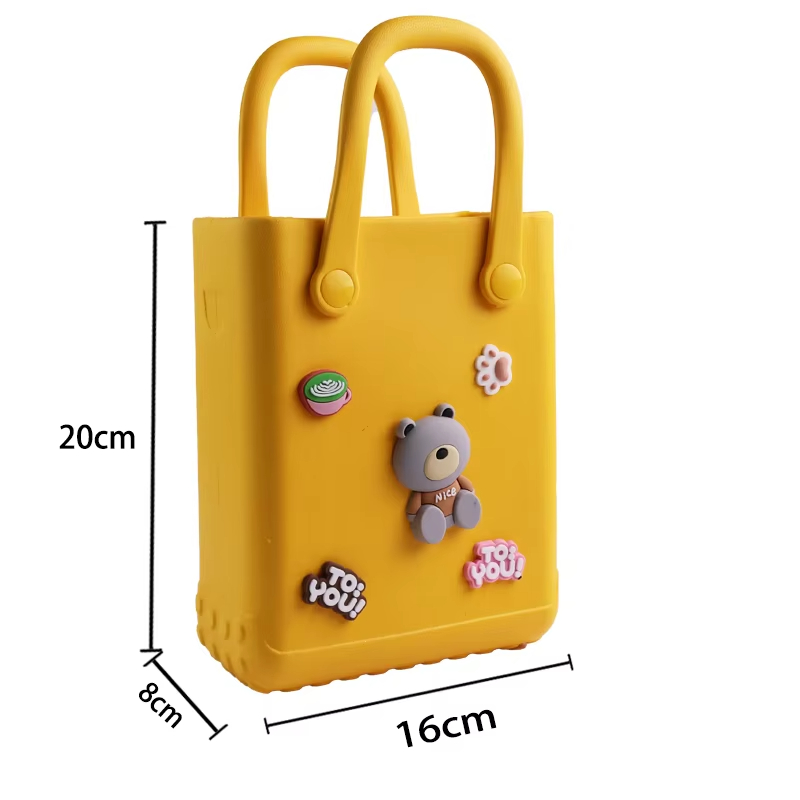
Heat transfer applies detailed logos or graphics where color precision and flexible placement matter. Sample approval checks adhesion, edge definition and the behavior of the transfer on the selected fabric before bulk production begins.
Dye Sublimation
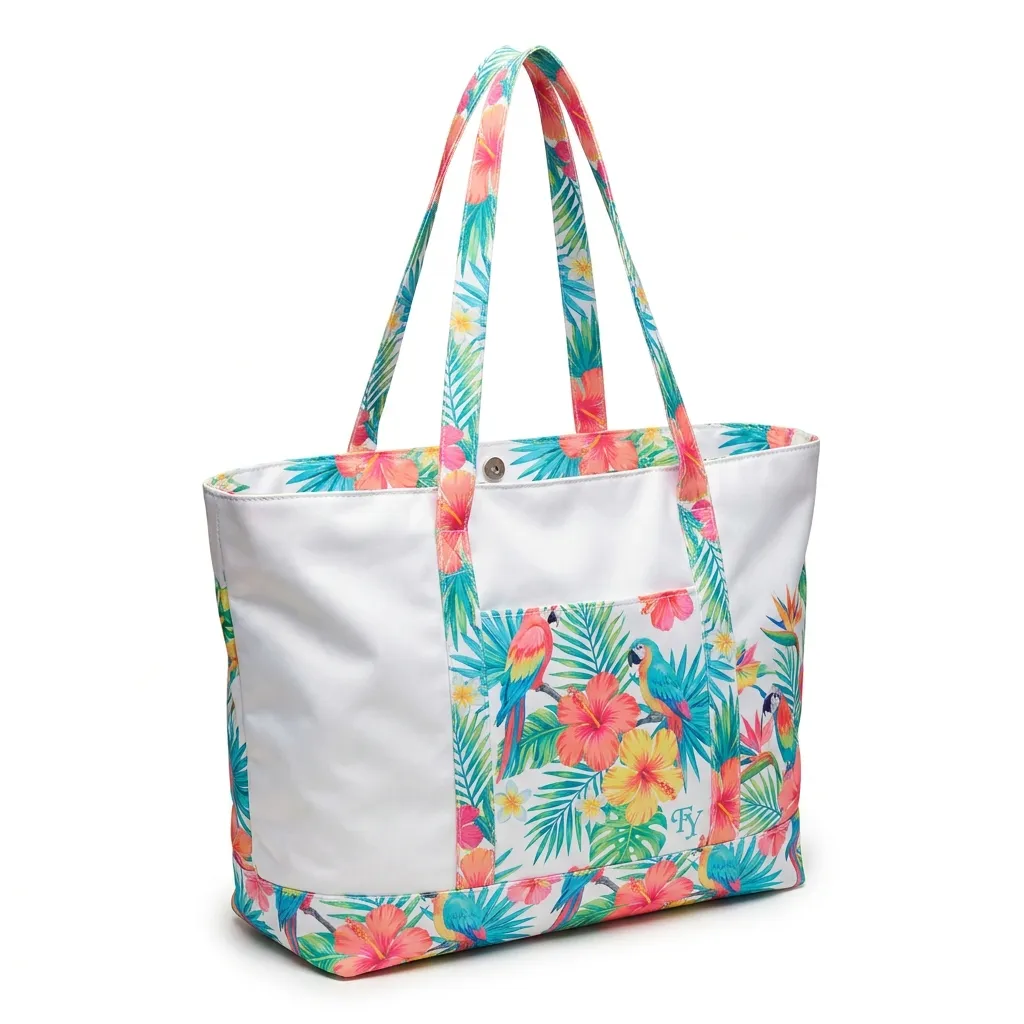
Dye sublimation creates full-color, all-over graphics on compatible polyester-based materials. It is suited to designs requiring vivid coverage; artwork, panel layout and color expectations are confirmed before cutting and assembly.

Laser Engraving
Laser engraving creates a precise branded mark on suitable leather, vegan-leather and selected trim components. We review contrast, logo scale and placement on the sample to achieve a controlled, lasting visual result.

Reinforced Assembly
Reinforced seams, padded backs, webbing and strap assembly, hardware installation and structural components are matched to the carrying load. Construction details are reviewed in the prototype to support durability, comfort and repeatable bulk quality.
Bag Material Sourcing Service for Hardware, Trims and Branded Accessories
Custom Zippers
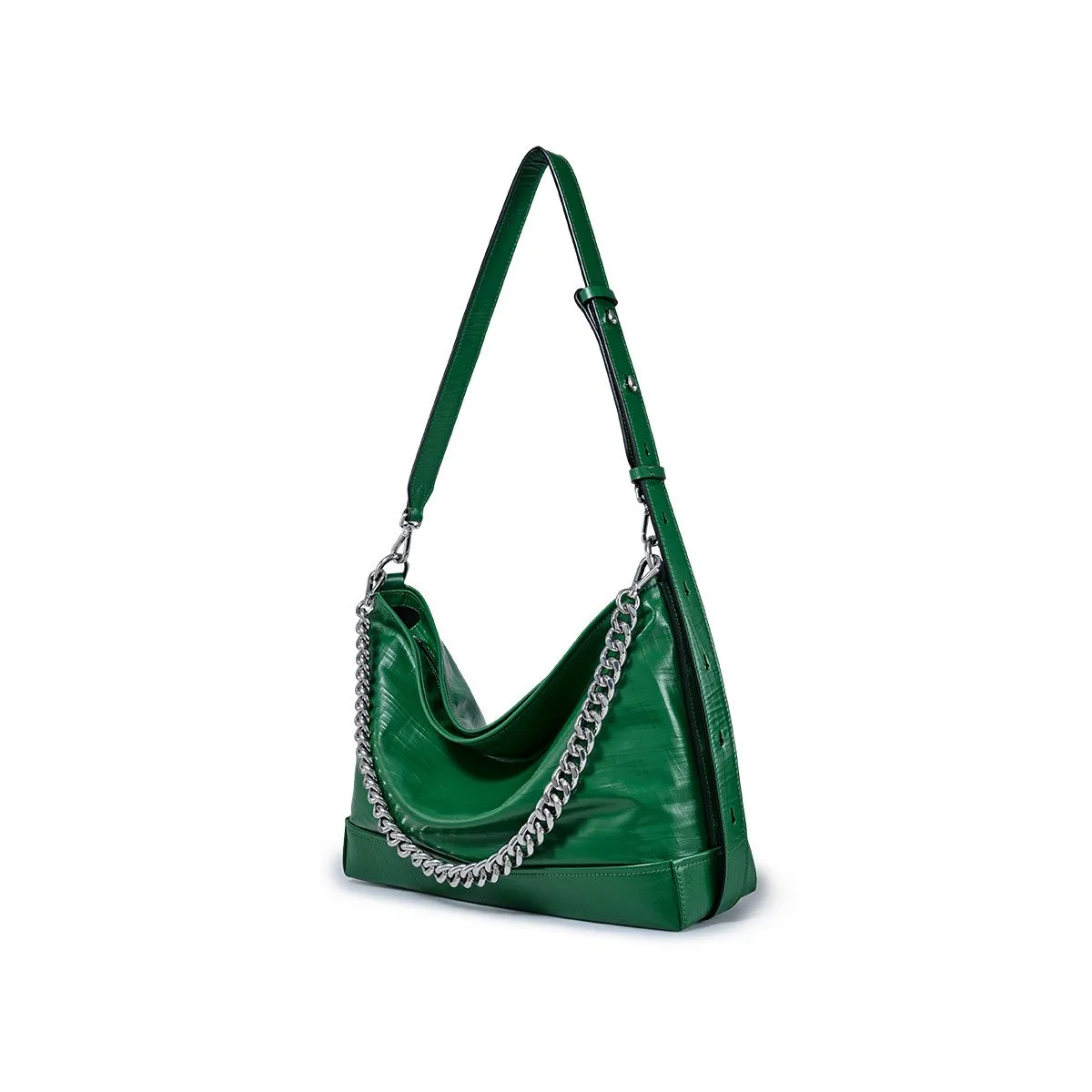
Select zipper type, tape color, finish and pull style for compartments, closures and pockets. Yeenkran sources options suited to the bag’s load, use frequency, material thickness and target cost.

Branded Zipper Pulls
Custom metal, rubber or cord zipper pulls add recognizable branding and improve grip. They can be matched to hardware finishes, logo artwork and the intended feel of fashion, travel or outdoor bags.

Buckles and Rings
Buckles, D-rings, snaps, rivets and cord locks are sourced around strap function, load requirements and visual direction. Sample approval confirms compatibility with webbing, reinforcement points and the chosen bag construction.

Webbing and Straps
Choose webbing width, weave, color and hand feel for handles, shoulder straps and compression systems. Material selection considers carrying comfort, abrasion resistance, adjustment hardware and whether a woven logo is required.

Woven Labels Patches
Woven labels, leather labels, metal labels and custom patches give each style a consistent brand signature. Placement, attachment method and artwork are reviewed during sampling to protect appearance and production repeatability.

Hangtags and Packaging
Add hangtags, dust bags, branded boxes and retail-ready packaging to support presentation through delivery. Quote requirements include dimensions, print treatment, packing method and carton configuration for your order.
Documentation Checks for bag material sourcing service
Request reports relevant to the approved shell, lining, coating, hardware or decoration for the bag material sourcing service specification.
Review the factory, production and quality records that apply to the confirmed manufacturing program.
Define required declarations or testing before sampling so the quotation reflects the destination market.
When recycled or specifically sourced materials are selected, request supplier records matched to the actual order.
Confirm fiber, care, packaging, carton marks and labeling information for the buyer’s sales channel.
Complete Buyer’s Guide to bag material sourcing service
Use a practical decision framework to compare materials, supplier capabilities, quality controls, and pricing—while avoiding costly sourcing mistakes when selecting a China-based bag manufacturing partner.
1. What Is a bag material sourcing service?
100-piece MOQ programs still require more than a fabric purchase: a bag material sourcing service identifies, validates, samples, and buys fabrics, linings, foam, webbing, hardware, and labels through qualified supply partners.
Yeenkran coordinates mills, tanneries, and trim suppliers against a controlled specification covering Pantone color, weight, hand feel, performance, component dimensions, and approved sample references. OEM, ODM, private-label, and wholesale buyers receive swatches, cost comparisons, material records, and supplier follow-up.
2010-founded Wuhan Yeenkran also helps assess available compliance documentation and reduces mismatch risk before bulk cutting. The service connects material decisions to pattern engineering, construction, sampling, quality checks, packing, and repeatable reorders.
2. Evolution of bag material sourcing services
Before 2010, many bag buyers relied on local wholesalers or trading agents, then separately managed fabric mills, trim vendors and factories. That model slowed approvals and made color, quality and delivery accountability difficult to control.
Since the 2010s, China-based sourcing networks have connected mills, tanneries, hardware suppliers, digital sampling and production teams in one workflow. Swatches, Pantone approvals and sample revisions can now be documented before bulk cutting, while lower-MOQ programs make testing a new style more practical.
Today, brands expect faster development, material traceability, recycled options and consistent specifications across global reorders. A capable bag material sourcing service coordinates those requirements with pattern engineering and manufacturing, reducing handoffs between the initial concept and finished export cartons.
3. Types of bag material sourcing service
Five sourcing models shift control, minimums and speed. Match the bag material sourcing service to your development capability, rather than selecting solely on unit price.
Factory-Direct And Agent Support
100-unit factory-direct programs suit startups wanting material visibility and one accountable maker.
Agent support broadens supplier access but can add margin and obscure mill pricing.
Full Package And Nominated Suppliers
Full-package development suits growing labels without patterns; the factory coordinates materials, sampling and production.
Nominated-supplier procurement gives established brands maximum specification control, but requires approved vendors and tighter coordination.
Wholesale Stock Materials
Stock fabrics shorten development and reduce material minimums for market tests.
Available colors and repeatability are limited, so confirm lot continuity before committing to reorders.
4. Bag material sourcing service: materials and fabrics
100-unit style-and-color MOQs make material choices consequential. A bag material sourcing service should compare weight, coating, hand feel, print method, care, verified recycled content, and delivered cost before sampling.
| Material | Typical Spec | Best Bag | Market |
|---|---|---|---|
| Canvas | 10–16 oz | Tote | Lifestyle |
| Cotton | 8–12 oz | Shopper | Retail |
| Polyester | 300–600D | School | Mass |
| Nylon | 420–500D | Travel | Outdoor |
| PU | 0.8–1.2 mm | Handbag | Fashion |
| PVC | 0.3–0.6 mm | Waterproof | Utility |
| Leather | 1.2–1.8 mm | Premium | Luxury |
| RPET | 300–600D | Backpack | Eco |
| Nonwoven | 80–120 GSM | Promo tote | Events |
| Lining | 210D polyester | Interior | All |
Performance Fabrics
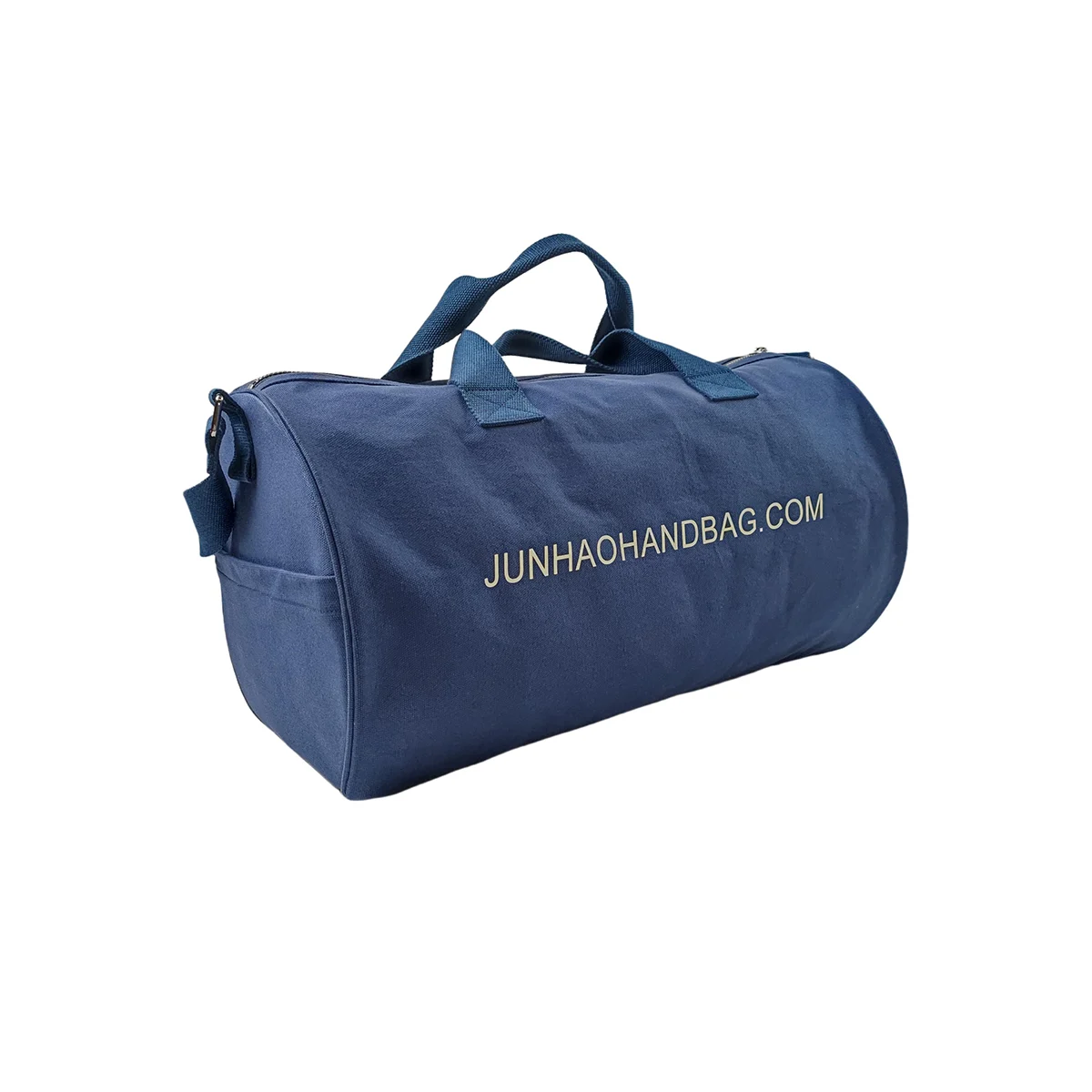
300D polyester suits printed school bags; 500D nylon raises abrasion and water resistance for travel. 12-oz canvas feels natural but needs spot-clean care.
Surface And Structure

PU offers consistent color and easy wipe-clean care; PVC is more water-resistant but less supple. Genuine leather needs protective finishing and carries higher material cost.
Claims And Linings

RPET claims require supplier documentation; nonwoven fits short-life promotional totes. 210D polyester lining balances cost, printability, and abrasion resistance.
5. Bag material sourcing service customization options
Pantone matching, coating, lamination, texture, and fabric weight should be locked against approved swatches before bulk cutting. A capable bag material sourcing service also specifies lining, zipper gauge, hardware finish, and branded trims as one controlled bill of materials.
| Method | Best Base | Durability | MOQ Consideration |
|---|---|---|---|
| Screen print | Canvas | High | Low |
| Heat transfer | Polyester | Medium | Low |
| Embroidery | Woven fabric | High | Moderate |
| Debossing | PU or leather | High | Moderate |
| Woven label | Most fabrics | High | Moderate |
Material And Trim Controls

100-unit programs can use stock colors and trims; custom dye lots or molded hardware may require higher supplier minimums.
0.15–0.30 mm coatings, TPU lamination, and foam thickness should be confirmed on the sample.
Decoration Selection
Screen print suits flat canvas and polyester panels; heat transfer handles detailed multicolor graphics. Embroidery, debossing, patches, and woven labels should match the base material and expected abrasion.
6. Key construction and quality elements
100% of critical seams should be specified before approval, including stitch density, seam allowance, bar-tacks, binding, and reinforcement at strap anchors. A bag material sourcing service should also check colorfastness, odor, coating consistency, and visible fabric defects.
Tech Pack Requirements
Each tech pack should state dimensions, tolerances, stitch type, SPI, seam construction, zipper specification, hardware finish, lining attachment, and handle load requirement.
Golden Sample Controls

One approved golden sample should define shape, edge finishing, logo placement, zipper action, pocket alignment, and acceptable color variation. Retain it with material swatches for repeat orders.
Pre-Shipment Inspection
Final inspection should verify measurements, seam strength, loose threads, scratches, stains, odor, color mismatch, broken hardware, packing, and carton marks before balance payment.
7. How to choose a bag material sourcing service
Choose a supplier on evidence, not catalog breadth. The right bag material sourcing service combines relevant materials, workable MOQs, documented controls, and export execution.
Material Network And MOQ
Ask which mills supply canvas, RPET, PU, nylon, or leather and what minimums apply. Confirm substitute options, color control, swatches, and 100-unit feasibility before quoting.
- Request mill names and material specifications.
Samples And Quality Evidence
Inspect a sample against approved swatches, Pantone, weight, construction, and hardware. Request applicable order-matched documentation or order-matched documentation documents, material test reports, references, and a factory-audit route.
- Ask who approves incoming materials.
Commercial And IP Controls
Obtain a line-item quote for fabric, trims, sampling, tooling, Incoterms, and packing. Confirm sample and bulk lead times, English ownership, destination experience, NDA coverage, and pattern ownership.
- Verify the factory address through an audit.
8. Common bag sourcing mistakes to avoid
A 100-piece MOQ does not remove sourcing risk. Small specification gaps can erode margin, delay launches, and create inconsistent reorders.
Chasing The Lowest Quote
Three quotes can hide different fabric weights, hardware grades, and usable yield. Compare a matched bill of materials, labor scope, packing, and defect allowance before selecting a supplier.
Approving Vague Specifications
One approved sample is not enough without Pantone, GSM, dimensions, tolerances, stitch count, and zipper specification. Freeze a signed tech pack and golden sample before bulk cutting.
Missing Material Controls
A 5–10% cutting-waste assumption can materially alter cost on printed or directional fabrics. Require written substitution approval, test relevant use cases, verify certification documents, and set pre-production checkpoints.
9. Steps to launch a bag brand
A 100-unit opening run can work when one product, customer, retail price and margin target are defined before sampling. A capable bag material sourcing service turns these decisions into a timed production brief.
Define The Product Brief
One target user, use case and price tier should guide dimensions, capacity and pockets.
Three material choices—shell, lining and hardware—should be ranked by cost, durability and appearance.
Sample And Approve
Two revision rounds usually reveal pattern, fit and construction issues before bulk production.
One approved sample must lock Pantone colors, logo method, measurements, packing and inspection points.
Plan Launch And Reorders
Four logistics decisions—carton count, shipping mode, destination and delivery date—should be confirmed before production.
Thirty days of sales data can guide replenishment; retained patterns and specifications prevent reorder drift.
10. Bag material sourcing service pricing and costs
100 units is Yeenkran’s starting MOQ per style and color, subject to material minimums and construction complexity. Fabric grade, coatings, custom Pantone color, hardware, decoration, foam, packaging and freight all change the landed cost.
2 sample rounds often reveal whether a custom mold, print screen, embroidery file or special zipper pull is needed. Compare quotations line by line: material specification, consumption, setup charges, QC scope, carton dimensions and Incoterm must match before judging unit price.
30 days is a practical planning baseline after sample approval, but custom materials or testing can extend it. A bag material sourcing service should separate one-time development costs from repeatable production costs.
| Quantity tier | Unit-price direction | Setup costs | Typical lead time |
|---|---|---|---|
| 100–299 | Highest | Sampling; possible tooling | 3–6 weeks |
| 300–999 | Lower | Amortized setup | 4–7 weeks |
| 1,000+ | Lowest | Custom color or molds | 5–8 weeks |
Ready to Start Your Bag Material Sourcing Service?
Send your tech pack, reference sample or concept for a practical material review, quotation and development plan from Yeenkran.