
Bag Pattern Making Service for Production-Ready OEM Bags
Yeenkran combines bag pattern making service, material sourcing, sampling, and controlled production in one accountable workflow from concept to reorder.
Product Directions for bag pattern making service


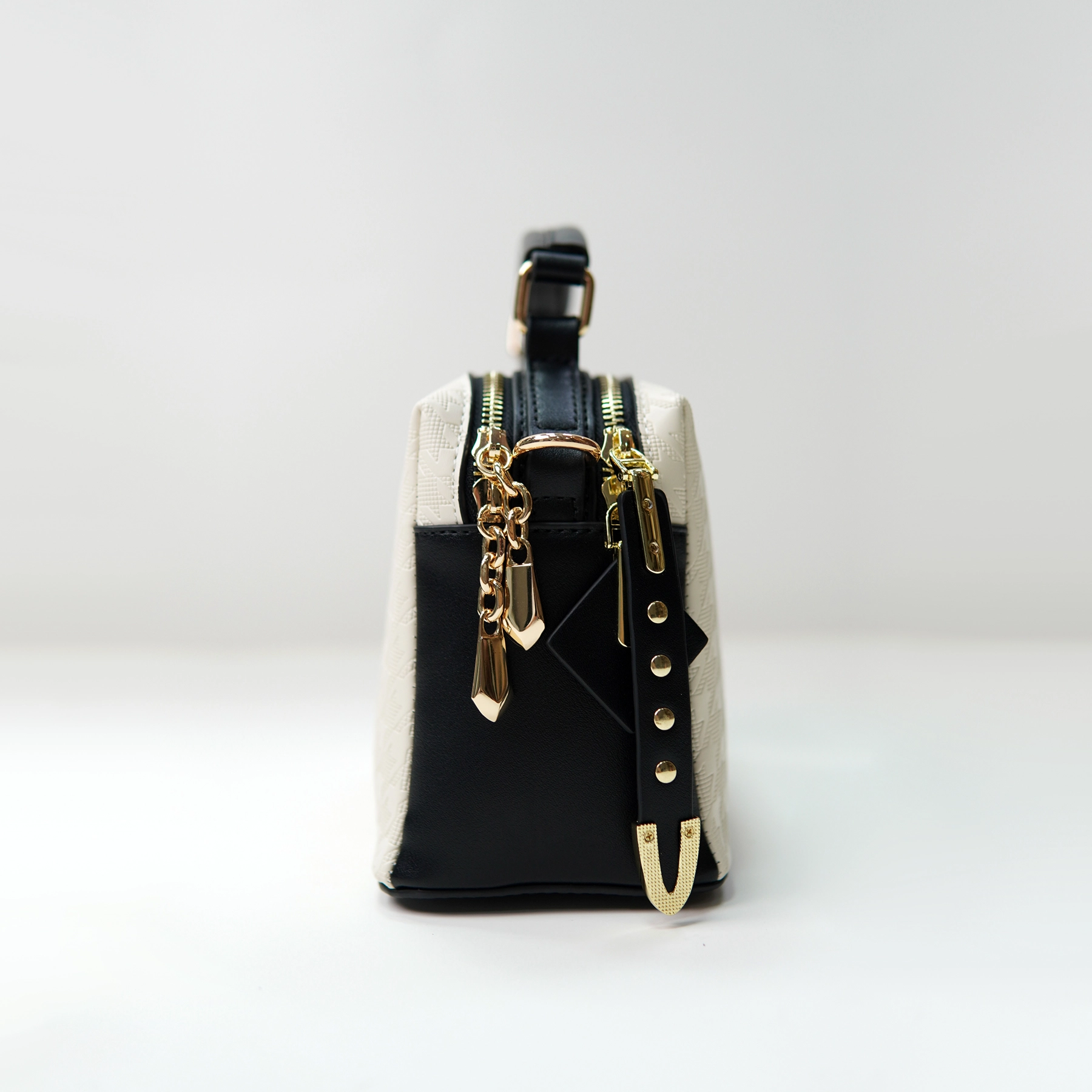


Why OEM Buyers Choose Our Bag Pattern Making Service
Pattern engineering, sourcing and sampling decisions aligned for dependable bulk production.
Accurate Pattern Engineering
We translate dimensions, capacity, pocket layouts and carrying requirements into buildable patterns that support consistent shape, fit and assembly.
Practical Material Sourcing
Compare fabrics, linings, foam and hardware by hand feel, durability, water resistance, minimums and target cost before approving samples.
Construction Review
Our team evaluates seam reinforcement, strap attachment, panel structure and hardware placement to identify production risks before bulk manufacturing.
Refined Sample Feedback
Review prototypes, then refine measurements, ergonomics, materials and construction details through clear approval checkpoints before confirming your production sample.
Production-Ready Scale
Approved specifications move into controlled production, with MOQ starting at 100 pieces per style and color, subject to material and craft minimums.
Retained Reorder Records
We retain approved patterns, material specifications and sample records to help repeat orders maintain the intended construction, appearance and requirements.
Related Manufacturing Capabilities
Explore adjacent services when specifying your bag project.
Bag Tech Pack Development
Review bag tech pack development requirements alongside this service.
View CapabilityBag Prototype Development
Review bag prototype development requirements alongside this service.
View CapabilityBag Product Development
Review bag product development requirements alongside this service.
View CapabilityLow MOQ Bag Manufacturing
Review low moq bag manufacturing requirements alongside this service.
View CapabilityBag Material Sourcing
Review bag material sourcing requirements alongside this service.
View CapabilityAbout Yeenkran’s Bag Pattern Making Service
Founded in Wuhan, China, in 2010, Yeenkran helps sourcing and product teams turn early bag concepts into production-ready products. Our bag pattern making service begins with the practical decisions that shape a viable sample: dimensions, capacity, materials, hardware, construction, target cost and intended use.
Our in-house development team works alongside material and hardware sourcing, sampling, manufacturing, quality control, branded packaging and export coordination. This one-stop OEM, ODM and private-label workflow gives buyers a clear path from a sketch, reference sample or tech pack to repeatable bulk production, with MOQ starting from 100 pieces per style and color, subject to confirmed material and craft minimums.
Yeenkran supports collections across backpacks, handbags, totes, crossbody bags, travel bags, business bags and small leather goods. With more than 200 skilled employees, reported monthly capacity above 60,000 bags and experience serving over 1,200 bag and accessory brands, we retain approved patterns and sample records to support controlled reorders.

From Pattern Engineering to Repeatable Production
Feasibility Before Patterns
Yeenkran reviews your concept, reference or tech pack against intended use, capacity, dimensions, target price and order volume before pattern work begins. This early review identifies construction risks, material constraints and hardware choices that can affect sampling cost, lead time and bulk repeatability.
- Confirm capacity, pocket layout, carrying system and key measurements
- Assess construction complexity against target cost and MOQ
- Flag material or hardware minimums before development proceeds
- Align quotation inputs with the approved development direction

Production-Ready Pattern Development
Our bag pattern making service converts approved design direction into workable pattern pieces, construction details and production-ready tech-pack information. The team refines shape, seam placement, reinforcement, foam structure and assembly sequence so the sample can be evaluated as a realistic basis for bulk manufacturing.
- Develop patterns from sketches, photos, samples or existing tech packs
- Define construction details, panels, seam allowances and reinforcements
- Refine ergonomics, proportions and measurements through sample feedback
- Retain approved pattern and specification records for reorders

Materials and Hardware Matched
Material and trim selection is evaluated alongside the pattern, not after it. Yeenkran helps sourcing and product teams compare fabrics, linings, foam, webbing, zippers and hardware by hand feel, weight, durability, water resistance, branding requirements, supplier minimums and target cost.
- Compare canvas, nylon, polyester, RPET, PU, vegan and genuine leather options
- Review zippers, pulls, buckles, D-rings, labels and decoration methods
- Request swatches or sample bags before final material approval
- Balance performance, appearance, supplier minimums and unit cost

Sample Approval Protects Bulk
A development sample provides the approval checkpoint between a design idea and production commitment. After buyer feedback, Yeenkran updates patterns, measurements and construction details, then uses approved samples and specifications to guide cutting, sewing, in-line checks, final inspection and packing verification.
- Review pre-production samples for shape, function, workmanship and branding
- Document approved measurements, materials and construction details
- Apply in-line checks for assembly, reinforcement and decoration quality
- Start from 100 pieces per style and color, subject to confirmed minimums

Why Choose Yeenkran for Bag Pattern Making Service
Compare Yeenkran’s coordinated development-to-production workflow with a fragmented multi-supplier sourcing process.
← Swipe left or right to view →
Bag Pattern Making Service: Development to Export
A controlled workflow for sourcing and product teams, with approval checkpoints before materials, patterns and bulk production move forward.
Review Brief and Feasibility
Share a tech pack, sketch, reference sample or concept. We review dimensions, function, target price, capacity, materials, hardware, decoration and packaging requirements.
Source Materials and Hardware
Compare fabrics, linings, foam, structural components and trims by hand feel, durability, water resistance, color, sustainability, availability and order-specific cost.
Engineer Patterns and Sample
Our bag pattern making service develops construction details and prototypes, then refines shape, measurements, ergonomics and assembly against your feedback before approval.
Confirm Specifications and Order
Approve the sample, retained pattern and material specifications before final quotation and order confirmation. MOQ starts at 100 pieces per style and color, subject to minimums.
Produce, Inspect and Pack
Bulk production includes cutting, sewing, reinforcement, hardware installation and finishing, supported by incoming, in-line and final inspection plus packing verification.
Coordinate Export and Reorders
We prepare export cartons and coordinate shipment after balance payment. Approved sample records and specifications support consistent repeat orders and future collection development.
How to Start Your Bag Pattern Making Service Project
Move from concept review to approved sample, bulk production and shipment with clear technical and commercial checkpoints.
Send Your Concept
Share a tech pack, sketch, reference sample, photo or mood board, plus intended use, dimensions, capacity, target price and branding requirements.
Confirm Feasibility
Review materials, hardware, pocket layout, carrying system, construction details, decoration and packaging. We confirm quotation inputs, timelines and applicable minimums before development.
Approve Your Sample
Evaluate the prototype for shape, measurements, ergonomics, material hand feel and assembly. Submit feedback so patterns and specifications can be refined for approval.
Start Bulk Production
After sample and order confirmation, we source approved components, manufacture, inspect construction and packing, then coordinate export shipment. MOQ starts at 100 pieces per style and color.
Buyer Approval Priorities for bag pattern making service
Use the first bag pattern making service sample to verify dimensions, access, carry comfort, materials and logo placement against one written approval list.
Keep approved patterns, material references and construction notes together so repeat orders can be checked against the same standard.
Coordinate pattern development, sourcing, decoration, quality checks and packing through one accountable project file.
Bag Pattern Making Service FAQ
Clear answers on minimums, samples, approvals, production planning and delivery for OEM bag development.
What is the minimum order for your bag pattern making service?
What do you need to quote a bag pattern making service project?
Can your bag pattern making service start from a photo or rough sketch?
How long do bag samples and bulk production take?
What approvals are required before bulk bag production?
How do you protect my bag design and pattern information?
What payment terms apply to a first bag order?
Can Yeenkran arrange shipping and branded export packing?
Explore Products for bag pattern making service
Browse published Yeenkran product directions, then send your material, size, branding and quantity requirements for an OEM/ODM quotation.


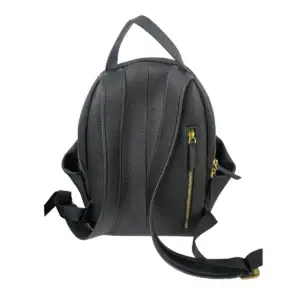

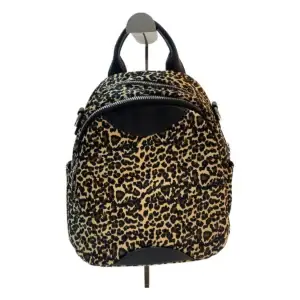
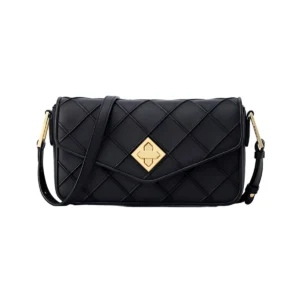

Materials Matched to Your Bag’s Use Case
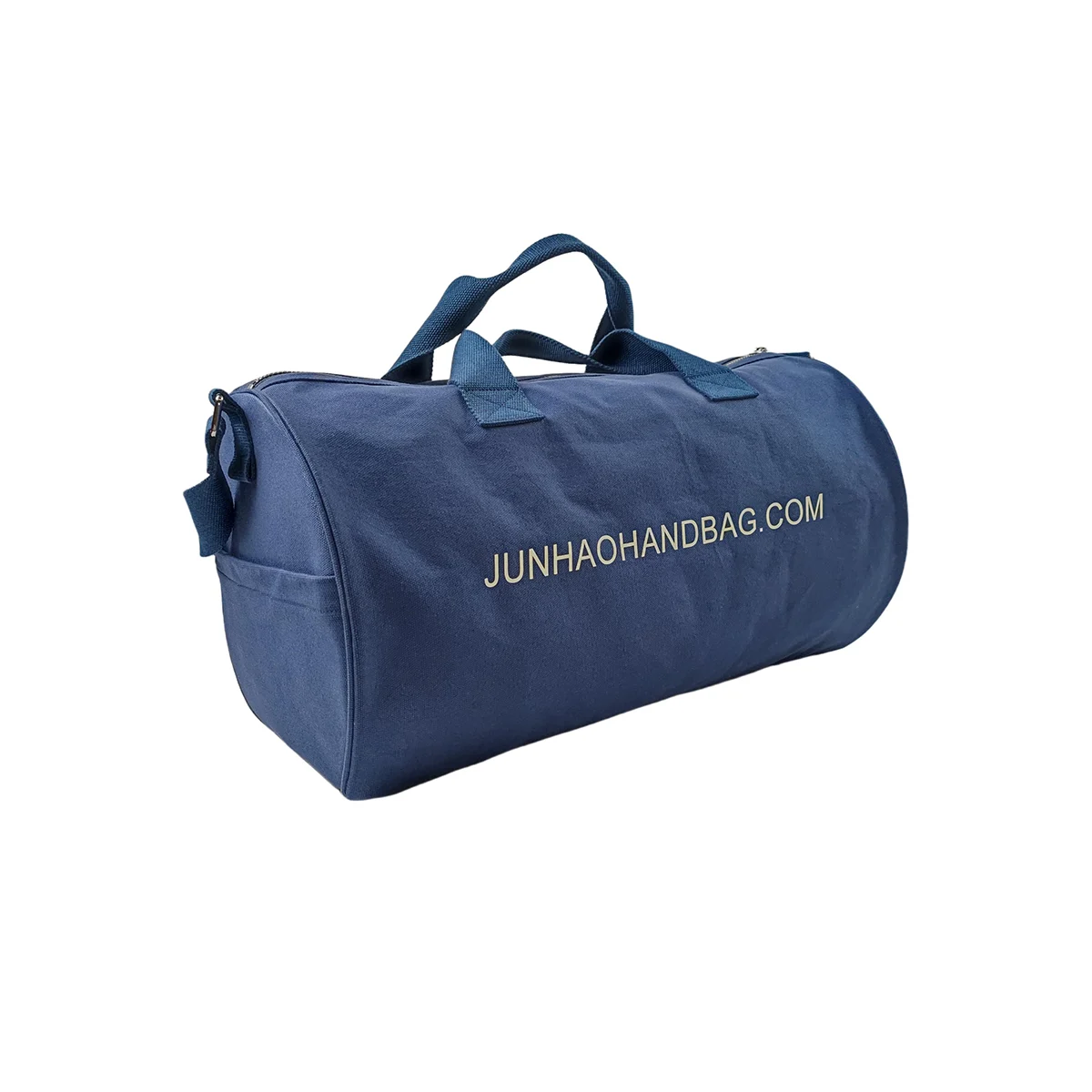
Canvas Cotton
A firm, natural-feel fabric for totes, shoppers, school bags and casual backpacks. Canvas offers body and a textured hand feel; heavier weights improve structure but add bulk and can raise shipping weight.

Nylon Fabric
A smooth, lightweight option for travel, outdoor, commuter and technical bags. Nylon provides strong abrasion resistance for its weight and can be paired with water-resistant coatings, though its hand feel is less natural than canvas.
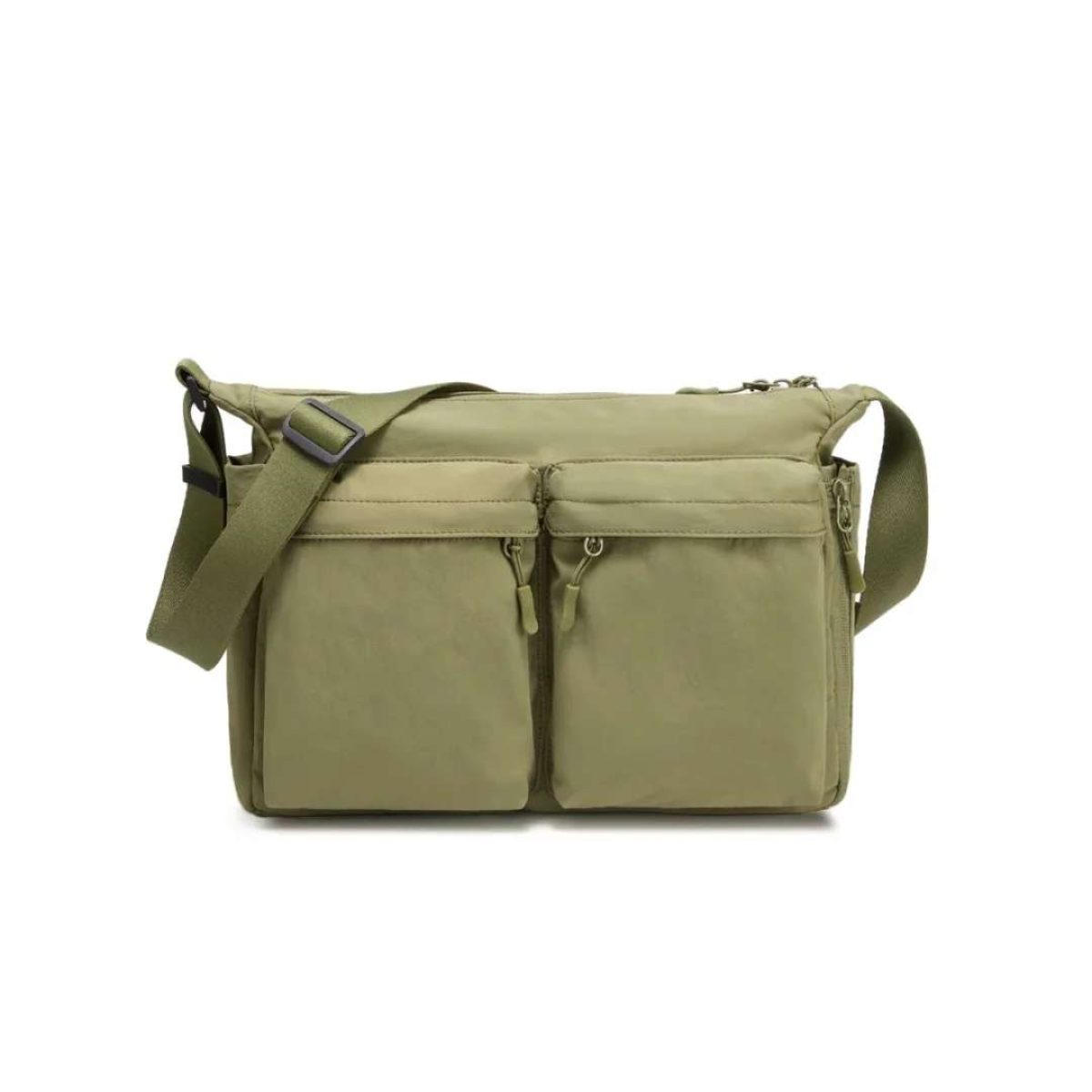
Polyester Oxford
A practical, versatile fabric for backpacks, promotional bags, lunch bags and everyday carry styles. Polyester Oxford has a crisp woven hand feel, supports coatings well, and offers stable color performance at accessible target costs.
Recycled RPET
A recycled polyester choice for brands prioritizing lower-impact material options in totes, backpacks and lifestyle bags. RPET can deliver a similar feel and durability to conventional polyester; available weights and colors depend on supplier minimums.

PU Vegan Leather
A uniform, leather-look material for handbags, crossbody bags, wallets and structured accessories. PU offers consistent color and an easy-clean surface, while thickness and backing selection determine drape, edge finish and shape retention.

Genuine Leather
A premium material for handbags, small leather goods and elevated travel accessories. Genuine leather develops a distinctive hand feel and character, but natural grain variation, yield loss and finishing choices affect cost and production planning.
Bag Pattern Making Service: Decoration and Construction Processes

Custom Embroidery
Flat or three-dimensional embroidery creates tactile logo detail on suitable fabrics. We review stitch density, backing, placement and panel access during sampling to help protect shape, durability and a clean branded finish.
Screen Printing
Screen printing applies bold, durable graphics to compatible bag panels, including canvas and cotton. Artwork, ink coverage, print position and color are checked against the material before approval for consistent production results.

Heat Transfer
Heat transfer adds detailed artwork, small-run graphics or color-rich logos to selected surfaces. Yeenkran evaluates material compatibility, placement and adhesion during sampling so the decoration supports the intended use and finish.
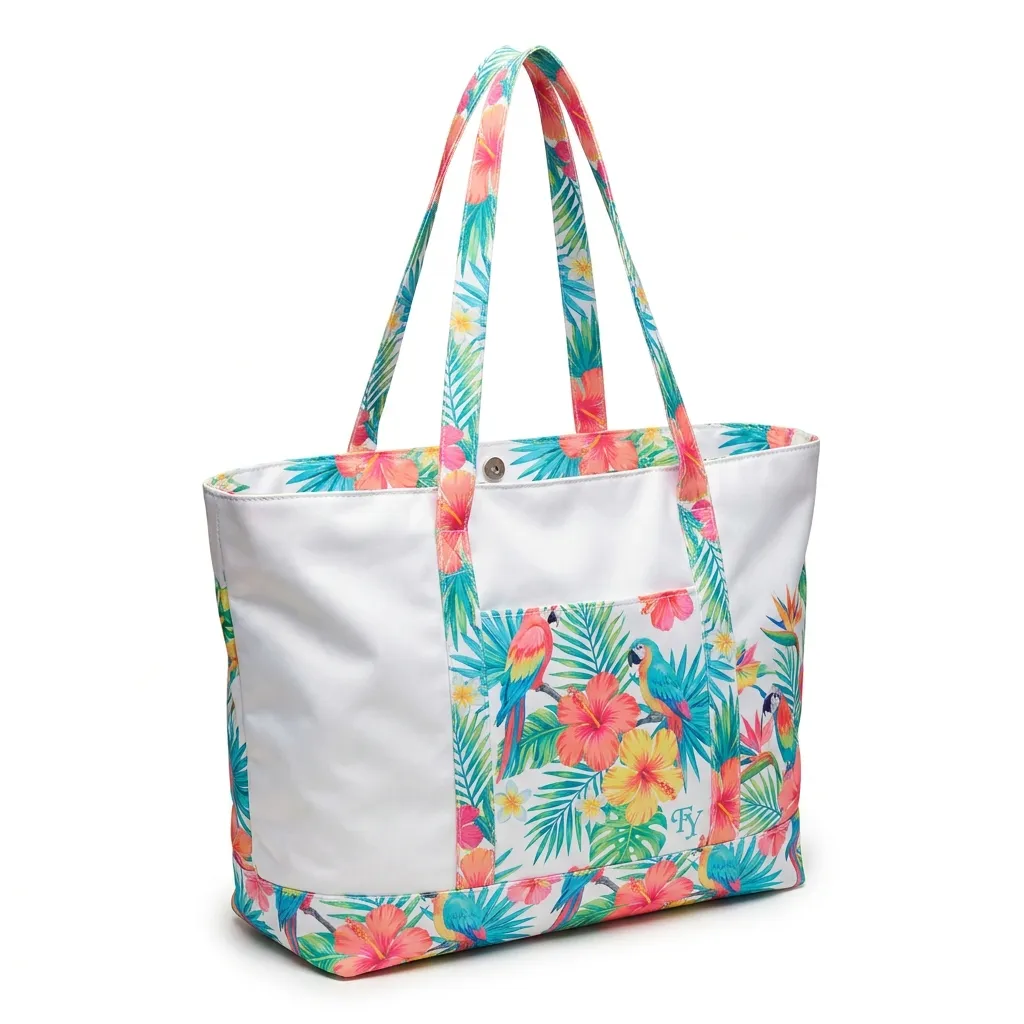
Dye Sublimation
Dye sublimation produces all-over or high-color graphics on compatible polyester-based fabrics. Pattern placement is aligned before cutting, helping maintain graphic continuity across panels while supporting a lightweight, integrated visual result.

Laser Engraving
Laser engraving adds precise, low-profile branding to suitable leather, vegan leather or trim components. Sample review confirms contrast, logo scale and placement, giving branded details a controlled finish without adding separate print layers.

Reinforced Assembly
Reinforced seams, padded backs, webbing, strap assembly and hardware installation are matched to the bag’s carrying load and use case. Construction checkpoints during sampling help confirm strength, comfort, shape retention and repeatable assembly.
Accessories for Your Bag Pattern Making Service

Custom Zipper Pulls
Custom zipper pulls add a recognizable branded detail to backpacks, totes and travel bags. Yeenkran can source suitable zipper systems and pulls based on opening size, use frequency, finish preference and target cost.

Buckles and D-Rings
Buckles, D-rings, snaps and cord locks support adjustable straps, closures and attachment points. We match their size, material and finish to webbing width, load requirements, bag construction and the approved sample.

Webbing and Straps
Webbing, shoulder straps and carry handles are specified for comfort, reinforcement and visual consistency. Options can be reviewed by width, weave, color, hand feel and compatibility with padding, hardware and intended load.

Woven Brand Labels
Woven labels, leather labels and metal labels establish brand identity on exterior panels, interiors or straps. Placement, stitch method, edge finish and material are confirmed during sampling to protect the bag’s structure and appearance.

Hangtags and Packaging
Hangtags, dust bags, branded boxes and retail-ready packaging help prepare finished bags for wholesale or direct retail. We confirm dimensions, print details, packing method and export-carton requirements before bulk production.
Documentation Checks for bag pattern making service
Request reports relevant to the approved shell, lining, coating, hardware or decoration for the bag pattern making service specification.
Review the factory, production and quality records that apply to the confirmed manufacturing program.
Define required declarations or testing before sampling so the quotation reflects the destination market.
When recycled or specifically sourced materials are selected, request supplier records matched to the actual order.
Confirm fiber, care, packaging, carton marks and labeling information for the buyer’s sales channel.
Complete Buyer’s Guide to Bag Pattern Development
Use this framework to evaluate pattern development capabilities, materials, quality controls, MOQ and cost factors, compare China manufacturing partners, and avoid specification, sampling and production mistakes before placing your bag order.
1. What Does a Bag Pattern-Making Service Cover?
2010 is the year Wuhan Yeenkran began turning bag concepts into manufacturable specifications. A bag pattern making service translates a brief, sketch, reference or technical drawing into paper or digital pattern pieces, measurement points, seam allowances, reinforcement locations and assembly instructions.
100 units per style and color is Yeenkran’s usual starting MOQ, but a prototype must first prove the pattern. The first sample tests fit, capacity, material behavior, hardware placement and sewing sequence; approved revisions become the production-ready specification used for repeatable cutting and assembly.
1 pattern maker engineers the bag’s shape and construction; a bag factory sources materials, samples, sews, inspects, packs and ships it. In OEM, ODM and private-label programs, the factory may coordinate both roles, but a clear pattern remains the control document before mass production.
2. How Bag Pattern Development Has Evolved
Before CAD, bag makers drafted full-size paperboard templates by hand, then adjusted seam allowances, gussets and reinforcement positions directly on samples. This craftsmanship remains valuable for judging drape, turning and leather behavior, but each revision could require recutting multiple pieces.
Since the 1990s, CAD-assisted bag pattern making service has made pattern files, graded sizes and revision histories easier to control. A manufacturer can update a 10 mm pocket shift or strap length, issue a marked file for approval, and preserve the approved version for repeat orders.
For global sourcing, digital files pair with annotated photos, measurement sheets and couriered samples. That gives brands clearer remote approvals while Chinese production teams receive repeatable cutting and assembly instructions at scale.
3. Types of Pattern Development Support
Six service types suit different product maturity levels. A bag pattern making service should be selected after reviewing the buyer’s usable inputs and revision tolerance.
| Service | Best Use | Required Input | Limitation |
|---|---|---|---|
| Original development | New idea | Sketch or brief | Needs sampling |
| Conversion | Existing design | Sample or sketch | Details may be hidden |
| Correction | Poor prototype | Current sample | May expose redesign |
| CAD patterning | Repeatable cutting | Approved dimensions | Requires physical validation |
| Size grading | Multiple sizes | Proven base pattern | Fit rules needed |
| Production package | Bulk handoff | Approved sample | Locks specifications |
Concept And Conversion
A 1:1 concept pattern starts with sketches, dimensions, use case, and target cost. Sample conversion needs a physical reference; hidden construction still requires verification.
Correction And CAD
A first-fit correction resolves shape, seam, or capacity issues from an existing prototype. Digital CAD improves repeatability, but cannot validate material behavior without a sewn sample.
Grading And Production Packages
Two or more sizes require grading rules anchored to a proven base size. A production package records patterns, tolerances, materials, and assembly details after approval.
4. Materials and Their Pattern Implications
Material behavior changes seam allowances, turn-under widths, reinforcement zones and machine settings. Confirm the actual mill lot before approving production patterns; a substitute can alter shape, stitch density and edge finish.
| Material | Stretch | Edge Finish | Water Resistance | Consistency |
|---|---|---|---|---|
| Leather | Low | Skive or paint | Low | Lot dependent |
| PU | Low | Turned edge | Moderate | Supplier dependent |
| Nylon | Low | Bound seam | High coated | Mill dependent |
| Canvas/RPET | Moderate | Bound seam | Low to moderate | GSM dependent |
Material Behavior

1.2–1.8 mm leather needs skiving and folded or painted edges, while PU tolerates turned edges but may crack at tight radii.
210D–1680D nylon, polyester, canvas and recycled fabrics vary in stretch, coating adhesion and abrasion; stabilize stress points accordingly.
Support And Hardware

2–10 mm foam, lining and interfacing determine panel size, seam bulk and strap comfort. Reinforce handles, D-rings and buckle anchors with webbing or backing patches.
No. 5 or No. 8 zippers require compatible seam clearances and puller strength.
Freeze The Specification
1 approved material specification should name composition, GSM, coating, color standard and trim supplier. Patterns should be rechecked after final swatches, because thickness and finish affect assembly tolerances and sourcing consistency.
5. Customization Decisions to Resolve Before Sampling
A production-ready pattern converts brand choices into sewable panels, seam allowances, and assembly order. Prioritize the details customers touch or see first, then test whether each addition fits the target cost and 100-unit MOQ.
| Feature | Pattern Impact | Practical Priority |
|---|---|---|
| Color blocking | Extra seams and matching | Limit to key panels |
| Custom lining | Separate material specification | Use repeatable print |
| Woven label | Seam insertion allowance | Place on simple edge |
| Metal logo | Backing and tolerance | Avoid curved panels |
Silhouette And Storage
Three core decisions—silhouette, capacity, and compartment layout—set panel count and labor. Laptop sleeves, bottle pockets, and organizer panels need defined dimensions before sampling.
Carrying And Closures

Two strap anchor points, handle drop, and closure type determine reinforcement zones. Adjustable webbing, zipper garages, buckles, and D-rings should be specified with load and access requirements.
Branding Placement

Four decoration routes—embossing, printing, embroidery, and metal logos—require different clearances and backing. Embroidery and metal plates add labor or hardware cost, while printing needs a flatter panel.
6. Construction Quality Elements to Specify
A production pattern must define more than silhouette: it must lock seam allowances, stitch density, reinforcement, binding, and load paths before cutting begins. A bag pattern making service should record these controls in the tech pack and approved sample.
Seams And Edges

6–10 mm seam allowances and specified SPI prevent inconsistent panel sizes. Inspect binding coverage, edge-paint adhesion, skipped stitches, and seam puckering.
Zippers And Straps

an approved stitch-density standard is a practical baseline for many sewn bags, adjusted for material and seam load. Check zipper ends, strap box-X reinforcement, bartacks, hardware clearance, and anchor pull direction.
Prototype Durability Checks
Two sample stages matter: prototype review confirms appearance and fit; pre-production review confirms repeatable assembly. Load-test carrying points, inspect lining tension and pocket alignment, and compare hardware tolerances against the approved specification.
7. Choosing a Pattern Development Partner
100-unit programs need a partner that can turn approvals into repeatable bulk work. Compare evidence, not factory promises: category fit, in-house pattern control, CAD files, response speed, confidentiality, sourcing reach and capacity.
| Criterion | Evidence To Request | Buyer Question |
|---|---|---|
| Category experience | Comparable sample photos | Which constructions match ours? |
| Pattern capability | CAD and revision record | Who owns each revision? |
| Quality system | Checkpoint report | What tolerance applies? |
| Communication | Named project contact | When are updates sent? |
Verify Development Control
3 questions expose development discipline: Can you show comparable samples, explain the revision log, and provide graded patterns or CAD outputs? Request dated photos, measurement sheets and an NDA before sharing original designs.
Audit Production Readiness
5 measurable checkpoints should cover incoming materials, stitch and reinforcement checks, dimensions, decoration and final packing. Ask for sample turnaround, material swatches, MOQ by color, monthly capacity and the escalation path for defects.
8. Common Pattern Development Mistakes
A bag pattern making service can lose weeks when approval inputs are incomplete. Lock design, materials, performance targets and revision records before production sampling.
Incomplete Design Inputs
One mood-board image rarely defines gusset depth, pocket placement, or strap drop.
Missing dimensions and load requirements cause fit failures; provide annotated views, measurements, capacity and tested load.
Uncontrolled Material Changes
One post-approval fabric substitution changes thickness, stretch, seam allowance and reinforcement needs.
New materials can require patterns and samples; confirm shell, lining, foam and Pantone before approval.
Rushed Sample Approval
One attractive sample may hide zipper clearances, buckle travel and assembly tolerances.
Rushed visual approval invites bulk defects; test hardware, inspect construction, and issue dated revision-controlled specifications.
9. Steps to launch a custom bag line
A 100-unit launch succeeds when commercial intent is fixed before sampling. The buyer owns positioning, retail price and approvals; Yeenkran translates them into production controls.
Define The Brief
One design brief should state user, capacity, target retail price, dimensions, colorways and reference images. Emerging labels approve brand direction; established private-label teams supply their tech pack.
Lock Materials And Patterns
Three material options usually reveal the cost, hand-feel and durability trade-off early. Yeenkran develops patterns and a prototype; the buyer signs off measurements, pocket layout, hardware and Pantone references.
Approve Production Controls
One approved sample, packaging artwork and pre-production checklist become the factory reference. Yeenkran checks incoming materials, in-line construction, final appearance and packing before export.
10. Pattern Development Pricing and MOQ
100 units per style and color is Yeenkran’s standard starting MOQ, subject to material minimums and construction complexity. Pattern engineering and sampling should be quoted separately from bulk units.
2–3 sample revisions are common planning assumptions, but layered padding, molded parts, custom hardware, Pantone branding, and retail packing can change cost. Request an itemized quote covering development, sample, materials, labor, branding, packing, and shipping—not one headline price.
| Quantity tier | Indicative unit-price driver | Typical production lead time |
|---|---|---|
| 100–299 units | Highest development allocation; standard materials reduce cost | 20–35 days after approval |
| 300–999 units | Material purchasing and cutting efficiency improve | 25–40 days after approval |
| 1,000–2,999 units | Better allocation of tooling, labor, and packing | 30–45 days after approval |
| 3,000+ units | Volume leverage depends on fabric, hardware, and colorway | 35–55 days after approval |
Start Your Bag Pattern Making Service Project
Send your tech pack, sketch, reference sample or mood board for a practical development review and custom bag quotation.