
Bag Tech Pack Development for Production-Ready Custom Bags
Turn a concept, sketch, or reference sample into production-ready specifications, engineered patterns, approved samples, and a clear manufacturing quotation.
Product Directions for bag tech pack development


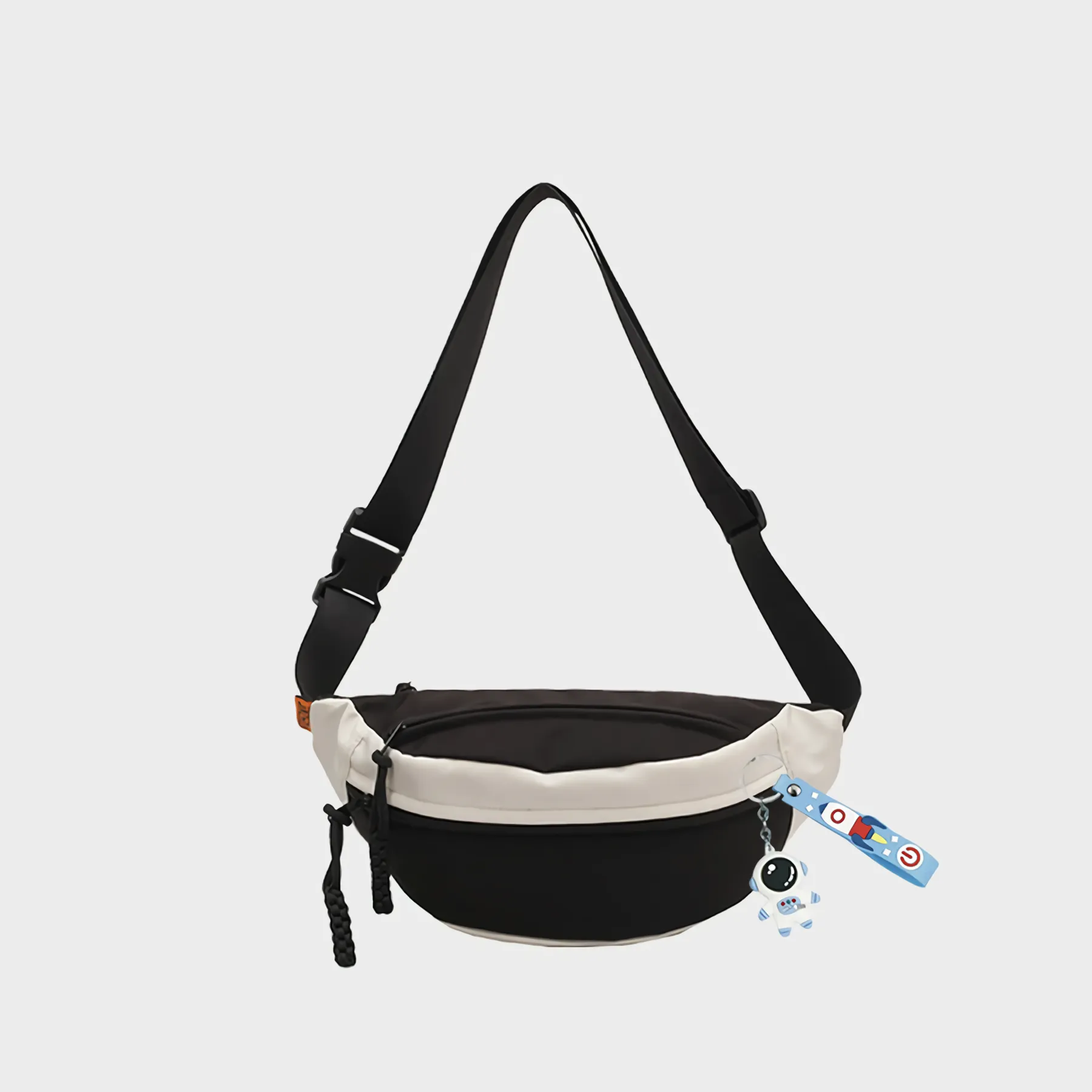


Bag Tech Pack Development That Reduces Production Risk
Turn early concepts into controlled specifications, approved samples and repeatable bulk-production decisions.
Pattern Engineering
Review dimensions, capacity, pocket layout, carrying system and reinforcement points before patterns are prepared for sampling and production.
Material Sourcing
Compare fabrics, linings and structural components by hand feel, weight, durability, water resistance, sustainability, availability and target cost.
Hardware Specification
Match zippers, buckles, webbing, pulls and branding trims to the bag’s use case, construction requirements and approved sample.
Sample Feedback Loops
Refine shape, measurements, ergonomics and assembly after buyer feedback, keeping each change tied to a practical production decision.
Documented Approvals
Retain approved patterns, material specifications and sample records to support clear handoffs, consistent reorders and fewer avoidable variations.
Low-MOQ Bag Manufacturer Planning
Assess material minimums, construction complexity and sourcing constraints early; MOQ starts from 100 pieces per style and color.
Related Manufacturing Capabilities
Explore adjacent services when specifying your bag project.
Bag Product Development
Review bag product development requirements alongside this service.
View CapabilityLow MOQ Bag Manufacturing
Review low moq bag manufacturing requirements alongside this service.
View CapabilityBag Prototype Development
Review bag prototype development requirements alongside this service.
View CapabilityWholesale Bag Manufacturing
Review wholesale bag manufacturing requirements alongside this service.
View CapabilityAbout Yeenkran
Founded in Wuhan, China, in 2010, Yeenkran was built on practical pattern-making, cutting, sewing and hardware-assembly experience. We help global sourcing and product teams turn a finished tech pack, sketch, reference sample or early concept into an OEM-ready bag program with clear construction decisions.
Our one-stop bag manufacturing workflow combines tech-pack development, material and hardware sourcing, pattern engineering, sampling, bulk manufacturing, quality control, branded packaging and export coordination. For teams evaluating an OEM bag manufacturer, ODM bag manufacturer, private-label bag manufacturer or wholesale bag supplier, this keeps product details connected from the first prototype through repeat orders.
What distinguishes Yeenkran is development grounded in how bags are actually made. We review capacity, pocket layout, load-bearing areas, carrying systems, target cost and material trade-offs before sampling, then retain approved patterns and specifications to support consistent production. MOQ starts at 100 pieces per style and color, subject to confirmed material and craft minimums.
Bag Tech Pack Development: From Concept to Approved Sample
Feasibility Before Patterns
Yeenkran reviews your concept, reference or draft tech pack against the intended use, dimensions, capacity, target price and MOQ before development begins. This early feasibility review identifies construction, material and trim decisions that affect cost, lead time and repeatability.
- Confirm style dimensions, compartments and carrying requirements
- Review target price against materials and construction complexity
- Identify material or hardware minimums before quotation
- Set approval inputs for patterns, samples and packaging

Patterns Built for Production
Bag tech pack development moves beyond a visual sketch when pattern engineering defines panel shapes, seam allowances, reinforcement points and assembly order. Yeenkran develops patterns around the selected construction so the approved sample can be translated into controlled bulk production.
- Define panel layouts, measurements and construction details
- Engineer padded areas, straps, pockets and structural components
- Check ergonomics, capacity and shape during prototype review
- Retain approved pattern records for consistent reorders

Materials and Hardware Aligned
Fabric, lining, foam, webbing, zippers and hardware must work together in both appearance and daily use. Yeenkran helps sourcing teams compare available options by hand feel, weight, abrasion resistance, water resistance, branding needs, order volume and target cost.
- Compare canvas, nylon, polyester, RPET, PU, vegan or genuine leather
- Select zippers, pulls, buckles, D-rings and webbing for the use case
- Review swatches and trim options before sample confirmation
- Coordinate labels, decoration and retail-ready packaging requirements

Sample Approval With Evidence
Each sample round is a practical approval checkpoint, not simply a presentation piece. Yeenkran records buyer feedback to refine measurements, shape, construction and decoration, then confirms the production-ready specification before bulk manufacturing starts. MOQ begins at 100 pieces per style and color, subject to confirmed minimums.
- Review sample measurements, weight, appearance and functional details
- Consolidate revisions before the next sample or pre-production sample
- Approve material specifications, trim placement and decoration execution
- Confirm final sample, quotation and production requirements before order release

Why Choose Yeenkran for Bag Tech Pack Development
One accountable workflow for sourcing and product teams, from specifications and sample approvals to repeatable bulk production.
← Swipe left or right to view →
Bag Tech Pack Development to Bulk Production
A defined approval workflow for sourcing and product teams, from feasibility review through export-ready packing.
Review Project Feasibility
Share a tech pack, sketch, reference sample or concept. We review dimensions, use case, target price, capacity, materials, hardware and branding requirements.
Develop Technical Specifications
Our team converts approved direction into production-ready patterns, measurements, construction details and material specifications, resolving assembly and performance considerations before sampling.
Source Materials and Hardware
Compare fabrics, linings, foam, webbing, zippers and trims by hand feel, durability, color, sustainability, availability and target cost before confirming sample components.
Sample and Refine Design
We make a prototype for review, then refine shape, measurements, pocket layout, carrying comfort, decoration and construction details against your feedback before approval.
Confirm Order and Produce
After sample approval and quotation confirmation, we retain approved specifications and begin bulk production, with MOQ starting at 100 pieces per style and color.
Inspect Pack and Export
Quality checks cover materials, construction, measurements, decoration and packing. Finished bags receive branded packaging or export cartons before shipping coordination and final balance settlement.
How Bag Tech Pack Development Moves Forward
A defined approval path from your concept or existing specifications to a controlled bulk-production program.
Submit Your Concept
Send your tech pack, sketch, reference sample, mood board, or product brief with target use, dimensions, capacity, materials, branding, and expected order volume.
Confirm Feasibility and Pricing
Review construction, pattern requirements, material and hardware options, target cost, sample scope, and MOQ starting from 100 pieces per style and color.
Approve Development Samples
Evaluate the prototype for shape, measurements, ergonomics, pocket layout, materials, decoration, and assembly details; provide feedback before final specifications and production approval.
Launch Controlled Bulk Production
Confirm the order after sample approval, then Yeenkran manages material inspection, in-line construction checks, final quality review, branded packing, and export coordination.
Buyer Approval Priorities for bag tech pack development
Use the first bag tech pack development sample to verify dimensions, access, carry comfort, materials and logo placement against one written approval list.
Keep approved patterns, material references and construction notes together so repeat orders can be checked against the same standard.
Coordinate pattern development, sourcing, decoration, quality checks and packing through one accountable project file.
Bag Tech Pack Development FAQ
Practical answers on development inputs, sampling, MOQ, pricing, approvals and delivery for custom bag programs.
What do I need to start bag tech pack development?
Can Yeenkran handle bag tech pack development if I only have an idea or reference bag?
How does bag tech pack development move from design to an approved sample?
What is the minimum order quantity for a custom bag?
What affects the quotation for a custom bag project?
How long do sampling and bulk production take?
What payment terms are available for first and repeat orders?
How are shipping, confidentiality and production records managed?
Explore Products for bag tech pack development
Browse published Yeenkran product directions, then send your material, size, branding and quantity requirements for an OEM/ODM quotation.


Materials for Bag Tech Pack Development

Canvas Cotton
A natural, structured fabric with a tactile hand feel for totes, backpacks and casual bags. Weight can be selected for body and durability; coatings or heavier constructions improve everyday wear resistance.
Nylon Fabric
Lightweight, smooth and durable, nylon suits travel, outdoor, laptop and performance bags. Denier, weave and backing affect strength, abrasion resistance and water resistance, helping teams balance packability with target cost.
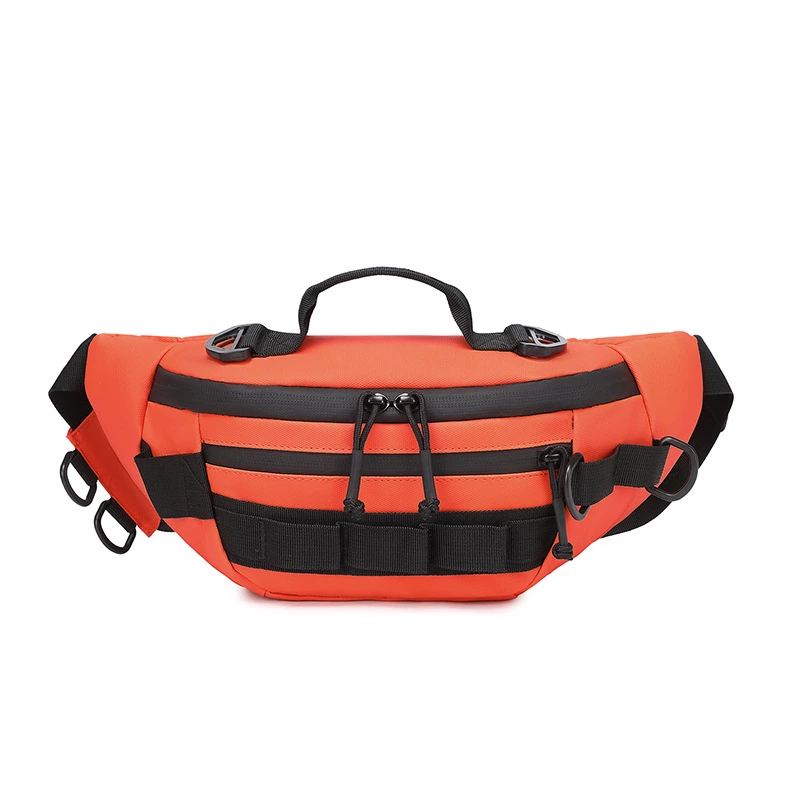
Polyester Oxford
A practical, versatile fabric for school bags, backpacks, duffels and promotional programs. It offers a firmer hand feel than many lightweight fabrics, while denier and PU backing influence weight, structure and water resistance.
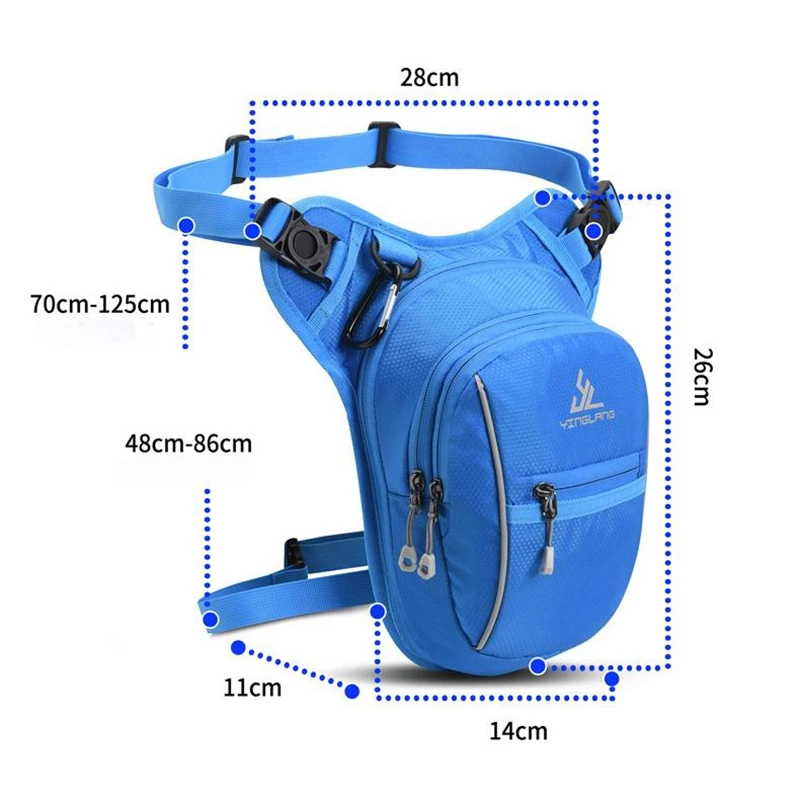
Recycled RPET
RPET provides a recycled-textile option for totes, backpacks and lifestyle collections. Its hand feel and performance vary by yarn, weave and coating, so swatch approval helps confirm color, weight and construction suitability.

Vegan Leather
PU and vegan leather create a clean, polished surface for handbags, crossbody bags and structured accessories. Thickness, backing and grain determine softness and shape retention, while material selection must align with use and cost.

Genuine Leather
Genuine leather delivers a premium, natural hand feel for handbags, wallets and elevated accessories. Grade, tanning and thickness affect appearance, flexibility and durability, with material yield and hardware choices shaping the final quotation.
Bag Tech Pack Development: Decoration and Construction Processes

Custom Embroidery
Flat or three-dimensional embroidery adds a tactile, durable branded finish to panels, patches and labels. We review stitch density, backing, placement and fabric stability during sampling to protect shape and appearance.

Screen Printing
Screen printing applies clear, repeatable graphics across suitable fabric panels. Artwork size, ink coverage, fabric texture and print location are checked on the sample so color and edge definition translate reliably to bulk production.

Heat Transfer
Heat transfer supports detailed logos and multicolor artwork on selected bag materials. Sample approval confirms adhesion, placement and finish, helping buyers assess how the decoration performs with the fabric and intended use.

Dye Sublimation
Dye sublimation produces integrated, full-color artwork on compatible polyester-based fabrics. It is suited to repeat patterns and vivid graphics, with sample review used to confirm color, panel alignment and construction sequence.

Laser Engraving
Laser engraving creates precise, permanent branding on compatible leather and vegan-leather components. We assess logo scale, contrast, material response and placement before approval to achieve a controlled, premium-looking finish.

Reinforced Assembly
Reinforced seams, padded backs, webbing, straps, hardware installation and structural components are assembled to match the approved pattern. Development samples verify load areas, ergonomics, shape and assembly details before production.
Hardware, Trims and Branded Accessories

Custom Zipper Pulls
Define zipper type, slider finish, pull shape, logo treatment and puller attachment for main openings, pockets and compartments. Sample review confirms smooth operation, visual balance and compatibility with the chosen fabric.

Buckles and Adjusters
Select buckles, D-rings, snaps and strap adjusters by load requirement, finish and operating feel. Yeenkran can source suitable hardware and verify placement, reinforcement and strap routing during prototype sampling.

Webbing and Straps
Specify webbing width, weave, color, edge finish and hardware connections for handles, shoulder straps and compression details. Development samples help assess comfort, strength, adjustment range and construction alignment before approval.

Woven Brand Labels
Add woven labels, leather labels or metal branding with defined dimensions, colors and placement. The tech pack records attachment method and orientation so branding remains consistent across approved samples and repeat production.
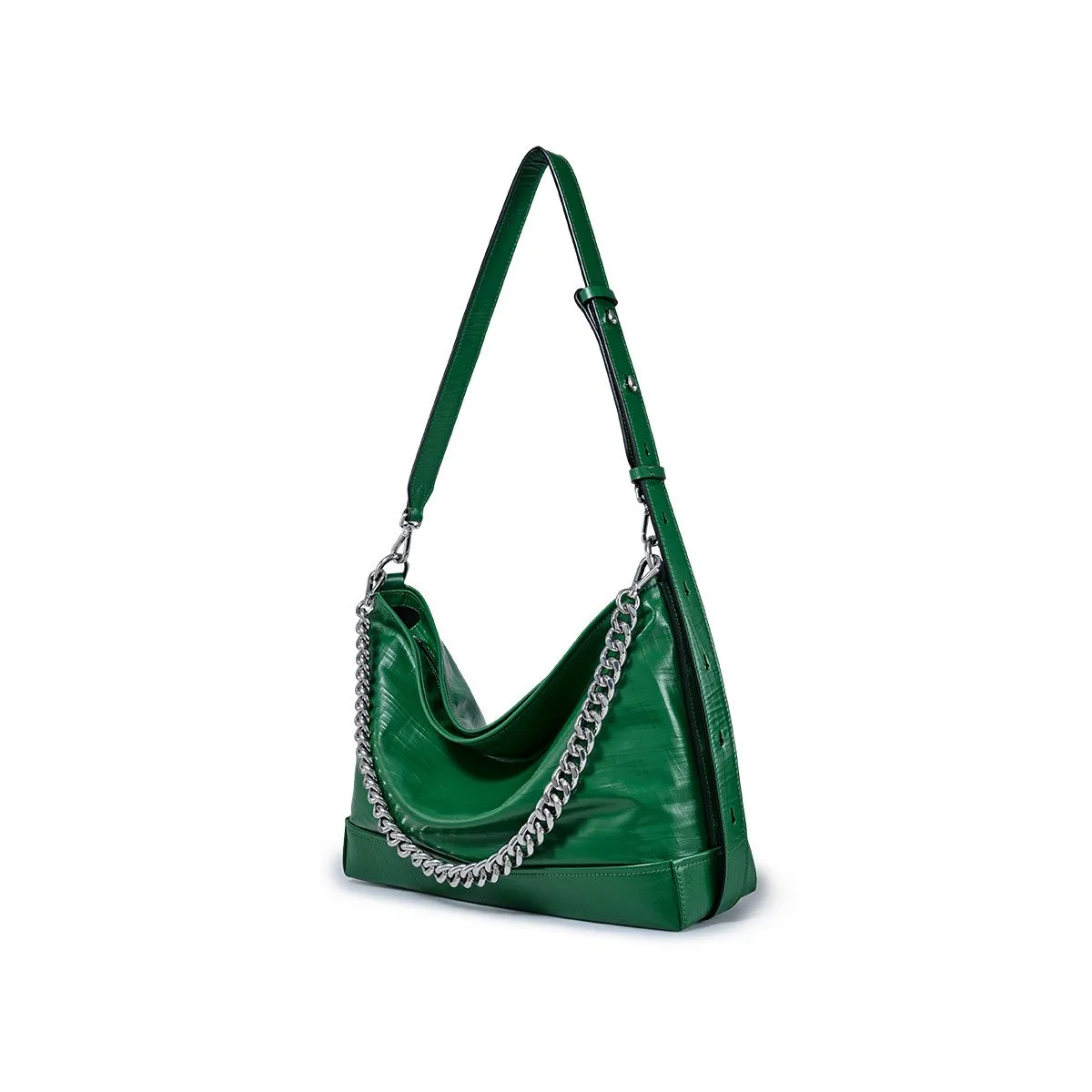
Custom Patches
Use embroidered, applique or custom patches to create a recognizable product detail. Confirm patch material, border treatment, backing, placement and stitching method on the sample to avoid distortion or uneven application in bulk.

Hangtags and Packaging
Coordinate hangtags, dust bags, branded boxes and export packing with the finished bag program. Share artwork, dimensions, materials and packing instructions early so quotation, sampling and final packing checks reflect your retail requirements.
Documentation Checks for bag tech pack development
Request reports relevant to the approved shell, lining, coating, hardware or decoration for the bag tech pack development specification.
Review the factory, production and quality records that apply to the confirmed manufacturing program.
Define required declarations or testing before sampling so the quotation reflects the destination market.
When recycled or specifically sourced materials are selected, request supplier records matched to the actual order.
Confirm fiber, care, packaging, carton marks and labeling information for the buyer’s sales channel.
Complete Buyer’s Guide to Bag Tech Pack Development
Use this decision framework to define OEM-ready specifications, compare capable Chinese bag suppliers, control sampling costs, and avoid unclear documentation, material, construction, and production mistakes before launch.
1. What Is bag tech pack development?
A production-ready tech pack turns a bag idea into an OEM-ready specification before sampling, costing, and bulk production. It gives the pattern maker and sourcing team one controlled reference instead of assumptions.
Core deliverables normally include technical flats, finished dimensions and tolerances, a bill of materials, construction notes, colorways, and packaging requirements. It should also identify zipper type, webbing width, foam, hardware finish, logo placement, and seam reinforcement.
A sketch communicates a silhouette, not the hidden decisions that determine cost and buildability. In bag tech pack development, Yeenkran can use those specifications to prepare patterns and a sample, then record approved changes for repeatable production.
2. Evolution of Bag Technical Specifications
Before CAD files, factories relied on handwritten measurement sheets, marked-up physical samples, and verbal handoffs. Those methods worked locally but made it easy for a zipper length, pocket placement, or seam allowance to shift between overseas revisions.
By the 2000s, digital flats, shared bills of materials, Pantone references, and revision-controlled PDFs made bag tech pack development more traceable. A buyer and China-based OEM can review the same dimensions, hardware codes, material weights, and approval comments before cutting begins.
Today, a sample workflow links each prototype to dated feedback and an approved specification. This reduces repeated questions, protects consistency across reorders, and helps shorter product cycles move from concept to bulk production with less communication risk.
3. Types of bag tech pack development
Five formats cover different starting points in bag tech pack development. Choose by the engineering your idea still needs.
| Format | Starting Input | Engineering | Typical User | Supplier Role |
|---|---|---|---|---|
| Concept | Sketch | Full | New label | Develop |
| Factory-ready | BOM | Validate | Experienced brand | Review |
| ODM | Existing style | Adapt | Fast launch | Modify |
| Private-label | Existing style | Limited | Reseller | Brand |
| Revision | Approved sample | Change control | Reorder buyer | Update |
Concept And Factory-Ready
Two routes distinguish early concepts from complete production documentation.
ODM And Private Label
Two adaptation routes change an existing style or apply buyer branding.
Existing-Style Revisions
One revision pack records approved changes for controlled reorders.
4. Materials in bag tech pack development
A material callout in bag tech pack development must identify each component before sampling. Specify composition, GSM or thickness, Pantone color, performance target, and approved substitute.
| Material | Best Use | Strength | Request Before Sampling |
|---|---|---|---|
| Canvas | Totes | Natural hand feel | Composition, GSM, wash shrinkage |
| 600D polyester | Backpacks | Abrasion resistance | Denier, backing, coating |
| RPET | Lifestyle bags | Recycled content | Composition, certification scope |
| PU | Handbags | Consistent surface | Thickness, peel resistance, color |
Component Schedule
Ten component lines should cover shell, lining, reinforcement, foam, webbing, zippers, hardware, thread, labels, and packaging.
Approval Controls
One material ID links swatches, supplier codes, and sample records. Define acceptable alternatives before quotation, including color tolerance and minimum performance.
Sampling Details

420D nylon requires denier, coating, width, and color reference. Specify zipper size, hardware finish, foam thickness, stitch thread, label weave, and carton packing.
5. Customization and Decoration Specifications
One approved decoration sheet per style keeps bag tech pack development traceable. Record artwork, Pantone colors, finished dimensions, placement from seams, and signed sample references.
| Method | Appearance | Durability | MOQ/setup |
|---|---|---|---|
| Embroidery | Textured | High | Digitizing required |
| Screen print | Flat color | Medium | Screens required |
| Heat transfer | Detailed | Medium | Film setup |
| Debossing | Subtle leather | High | Die required |
| Metal badge | Premium | High | Mold required |
Artwork And Placement
Three files are normally required: vector AI/PDF, color callout, and scaled placement drawing. Specify embroidery, screen print, heat transfer, or debossing size; locate logos from fixed seam intersections.
Trim And Packaging
Two approval samples should cover branded trims and retail presentation. Define woven labels, metal badges, zipper pulls, lining prints, hangtags, dust bags, cartons, metal finish, and attachment method.
6. Key Bag Construction Quality Elements
A dependable specification controls how every load path is sewn, finished and checked. In bag tech pack development, small construction details determine whether samples look consistent and survive use.
Seams And Reinforcement
an approved stitch-density standard suits many woven bag seams; heavier stress points may require bartacks, box-X stitching, or layered reinforcement. Specify seam allowance, binding, panel alignment, and strap-anchor stitch pattern.
- Ask: Are bartacks placed at every strap and handle load point?
- Ask: Does seam binding cover raw edges without puckering?
Zippers, Hardware And QC

3 mm measurement tolerances should be stated for critical panels, pocket openings and strap lengths. Inspect zipper topstops, smooth travel, hardware attachment, stitch density, appearance and packed weight against the approved sample.
- Ask: Does the zipper remain flat under a filled-bag load?
- Ask: Are D-rings and buckles secured without sharp edges?
7. Choosing a bag tech pack development partner
China sourcing requires proof of bag-category engineering, not a polished quotation. Confirm whether the supplier only executes an existing pack or can co-develop patterns, materials and revisions.
| Supplier Type | Best Starting Point | Key Proof |
|---|---|---|
| Executor | Complete tech pack | Measurement control |
| Co-developer | Sketch or reference | Patterns and prototypes |
| Material partner | Target cost | Swatches and alternatives |
Execution Versus Co-Development
1 finished pack needs accurate pattern execution; an early sketch needs in-house pattern makers, a sample room and revision records. Ask for comparable backpacks, handbags or technical bags—not generic sewn goods.
Capability Checks
100-unit MOQs can suit launches, but fabric minimums and complex construction may change them. Verify sourcing depth, QC checkpoints, realistic sample and bulk timelines, English communication, IP handling, and relevant compliance or audit documentation.
Prepayment Checklist
3 checks prevent expensive sampling mistakes:
- Review comparable samples and pattern details.
- Approve material, hardware and revision scope.
- Get dated sampling, approval and production milestones.
8. Common bag tech pack development mistakes
Before sampling, run a one-page audit against the latest bag tech pack development file. Most sample failures begin with unresolved inputs, not sewing quality.
Drawings And Dimensions
1 vague sketch or missing measurement produces guessed proportions, pocket placement, and capacity. Prevent it with front, back, side, interior views and finished dimensions.
2 copied reference bags can conceal unsuitable construction. State the intended use, contents, wearer, and required fit or load test.
Materials And Branding
1 unapproved fabric substitution changes hand feel, color, cost, or durability. Lock material, color standard, weight, backing, and approved alternatives.
1 incomplete BOM or unclear logo file causes trim omissions and incorrect branding. List every component and supply vector artwork, size, position, and method.
Revision And Approval Control
1 absent tolerance rule creates inconsistent bulk measurements. Define critical dimensions and allowable variance before pattern release.
1 conflicting revision or undocumented sample approval repeats rejected details. Issue one dated master file and record every approved change before pre-production.
9. Steps to Launch a Bag Brand
A launch is easier to control when each gate has a named approver and dated record. Start with positioning, target retail price, customer use case, and one product brief before requesting samples.
Brief And Concept
One brief should define dimensions, capacity, target cost, colorway, pocket layout, logo placement, and packaging. Reference photos or a sketch can start bag tech pack development, but unresolved functions should be decided before quotation.
Quote And Prototype
One quotation should separate materials, hardware, decoration, sampling, MOQ, and freight assumptions. Approve swatches and a prototype, then consolidate fit, shape, and construction comments into one revision round.
Lock And Produce
One pre-production sample is the final gate before bulk cutting. Lock the approved tech pack, pattern, BOM, color standard, measurements, labels, packing method, and inspection criteria; inspect finished cartons before delivery.
10. Bag Development Pricing and Lead Times
100 units per style and color is Yeenkran’s standard starting MOQ, subject to material minimums and construction complexity. A final quote should separate one-time development charges from recurring per-unit costs after materials are approved.
Sampling and production timing depend on specification completeness, material availability, sample revisions, order quantity, and production scheduling. Request line-item pricing for patterns, samples, tooling or decoration setup, materials, packaging, inspection, and export terms; confirm the order-specific production plan after sample approval.
| Driver | Cost treatment | Price or lead-time effect |
|---|---|---|
| Tech pack complexity | One-time | More revisions can extend sampling |
| Prototype charge | One-time | Covers pattern and sample work |
| Materials and hardware | Recurring | Premium fabric or custom trims raise unit cost |
| Decoration setup | One-time | Screens, molds, or embroidery files |
| Quantity tier | Recurring | Higher volume usually lowers unit price |
| Bulk production | Recurring | Confirmed after sample approval, order quantity, material availability, and production scheduling |
Start Your Bag Tech Pack Development Project
Send your concept, reference sample or existing tech pack for a feasibility review and custom manufacturing quote.