


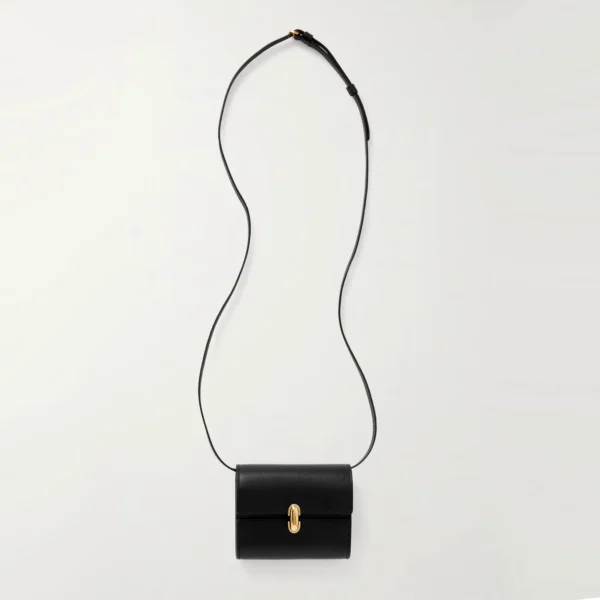




This custom genuine leather small organizer is a focused small-goods platform built around material hand, edge definition, and controlled pocket volume. The compact folded profile, contrasting stitch line, coral interior direction, and buckle detail can support accessories, tags, or curated gift programs.
Can Yeenkran manufacture this small leather organizers?
Wuhan Yeenkran Bag Co., Ltd., founded in 2010 in Wuhan, China, develops small leather organizers through OEM, ODM and private-label programs. For this wallets & small leather goods direction, Yeenkran can support pattern making, material and hardware selection, sampling, manufacturing, quality control and branded packaging. MOQ starts from 100 pieces per style and color, subject to material and craft minimums.
Compact Scale Makes Temper Critical
Small leather goods have little spare volume, so leather temper directly changes the usable interior. A soft hide may fold attractively but collapse around pockets, while a firmer hide can preserve shape yet create unnecessary thickness at layered edges.
Yeenkran can compare leather samples against the buyer’s intended contents, fold count, and closure direction. The approval checkpoint is a packed dimensional review: confirm the organizer closes cleanly, remains comfortable in hand, and does not become rigid at the folded spine.
Stitched Edges as Structure and Identity
The visible contrast stitching does more than decorate the organizer; it defines the perimeter where folded leather panels meet. Stitch distance, thread size, edge allowance, and corner turning must remain consistent because irregularity is highly visible on a compact product.
Yeenkran’s sample development can establish the stitch map from a photograph, sketch, or technical package. Buyers should examine straight runs, corners, thread tension, and edge compression under light bending, confirming that the visual treatment also supports a stable finished form.
Pocket Bulk and Small-Goods Access
Every card slot, slip pocket, insert, or folded panel consumes space in a compact organizer. The right layout depends on the buyer’s assortment, whether the product carries tags, cards, small accessories, or another defined group of lightweight goods.
Pocket development should begin with actual reference items rather than assumed dimensions. Yeenkran can adjust panel count, opening direction, reinforcement layers, and seam positions, while the buyer checks retrieval speed, folded thickness, edge pressure, and whether the organizer closes without forcing the hardware.
Interior Contrast and Lining Decisions
The coral interior direction creates a deliberate contrast against the black exterior and can help users see small contents. However, a contrasting insert or lining may introduce additional seams, color-matching requirements, and thickness at the fold.
The buyer should approve the interior after reviewing color, hand feel, abrasion exposure, and seam placement together. Yeenkran can source suitable lining, leather, or textile components, then refine the interior so visibility improves without allowing layers to migrate during use.
Buckle Hardware and Local Reinforcement
The buckle detail establishes a tactile closure or attachment moment, but compact leather can tear or deform when hardware force is concentrated at one small point. Reinforcement must be hidden where possible while preserving the clean perimeter and folded profile.
Yeenkran can coordinate buckles, rivets, snaps, D-rings, labels, and edge finishing with the shell construction. Approval should include repeated opening and closing with the intended load, checking hardware alignment, hole stability, stitch protection, and comfort when the organizer is carried.
Private Label Use Across Accessory Programs
This organizer can extend a handbag, luggage, or small leather goods collection through coordinated leather, stitch, and interior colors. A modest front or interior branding area may suit woven labels, embossed marks, metal details, or printed inserts once the available surface is confirmed.
Yeenkran, Wuhan, China, founded in 2010, develops genuine leather small organizers with OEM, ODM, private-label, and wholesale support. MOQ starts from 100 pieces per style and color, subject to material and craft minimums, while final pocket and hardware details follow sample approval.
Buyer Questions
What contents should be supplied for compact organizer development?
Provide representative tags, cards, accessories, or other intended goods. Their actual thickness and quantity allow Yeenkran to control pocket bulk, fold behavior, and closure alignment.
Can the contrast stitching be changed?
Yes. Thread color, size, stitch spacing, and edge treatment can be developed around the leather surface, collection identity, and the buyer’s preferred visual contrast.
Can the buckle become another closure?
Yes. The buckle can be reviewed alongside snaps, rivets, magnets, zippers, or another approved closure, provided the chosen hardware suits the leather temper and compact structure.
What is the starting MOQ for this organizer?
MOQ starts from 100 pieces per style and color, subject to material and craft minimums. Exact material and hardware selections may introduce additional minimum requirements.
Develop Your Small Leather Organizer
Send Yeenkran your reference goods, leather direction, stitch preference, hardware concept, and branding artwork. We can refine pocket bulk, edge construction, interior contrast, and closure reinforcement into a practical private-label sample.


Reviews
There are no reviews yet.