


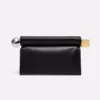


Develop a custom leather fashion handbag around a measurable topstitch standard that protects the silhouette and repeatability of every panel. Yeenkran, Wuhan, China, founded in 2010, supports this exact product from 100 pieces per style and color.
Can Yeenkran manufacture this fashion handbags?
Wuhan Yeenkran Bag Co., Ltd., founded in 2010 in Wuhan, China, develops fashion handbags through OEM, ODM and private-label programs. For this handbags direction, Yeenkran can support pattern making, material and hardware selection, sampling, manufacturing, quality control and branded packaging. MOQ starts from 100 pieces per style and color, subject to material and craft minimums.
Gauge Turns Appearance into Control
Topstitching is often judged visually, but bulk production needs a defined gauge, thread size, edge distance, and acceptable tolerance. Those measurements make the handbag’s outlines repeatable across panels, colors, and production batches.
The buyer should approve a stitch card or marked sample before the full prototype is released. The checkpoint is not simply whether stitches exist; it is whether spacing and distance preserve the intended fashion proportion.
Curves Expose Weak Standards
Straight seams can look consistent while curved flaps, corners, and rounded side panels reveal uneven feeding or shifting edge distance. These transitions are where a handbag moves from an attractive sample to a controlled production article.
Yeenkran’s pattern and cut-and-sew workflow should review curves with actual leather and support materials. Buyers should inspect the tightest radius, corner turn, and return point before accepting the topstitch standard for bulk.
Leather Thickness Changes the Result
Leather thickness, temper, backing, and edge treatment affect how a needle travels and how a seam settles. A gauge selected on a thin sample may not produce the same appearance after material changes or added structure.
Material swatches should therefore be approved before locking thread and needle settings. The buyer checkpoint is a sewn material test confirming stitch penetration, puckering control, edge stability, and the visual relationship between leather and thread.
Hardware Zones Need Clearance
Handles, rings, clasps, chains, and decorative plates interrupt the stitching path and can force localized changes in edge distance. A design may look balanced on paper yet become crowded once hardware attachment points are installed.
The prototype should mark hardware centers and stitch boundaries together. Buyers should approve clearance around each component, checking that topstitching remains visible, does not catch metal edges, and supports a clean assembly sequence.
Structure Behind the Stitching
A handbag’s topstitching can reinforce a seam, define a panel, or simply frame the silhouette. Those roles require different backing, seam allowances, and pressing decisions, particularly when the product must hold a polished shape.
Yeenkran can develop structured construction, internal support, lining, webbing, and hardware assembly as needed. The buyer should identify which stitched lines are load-bearing and which are decorative before finalizing the construction sheet.
Bulk Approval with Visual Evidence
A final topstitch standard should show front, back, side, handle, flap, and corner views with reference measurements. Photographs help, but a physical approved sample remains the clearest benchmark for leather behavior and stitch expression.
Development can begin from a sketch, image, sample, or idea, then move through pattern refinement and branding review. The buyer’s final decision should cover stitch gauge, thread color, edge distance, hardware placement, and tolerances.
Buyer Questions
What should a topstitch specification include?
Specify stitch length or gauge, thread size and color, edge distance, seam allowance, corner tolerance, acceptable variation, and reference images for critical curved areas.
Can Yeenkran develop matching hardware and stitching?
Yes. Hardware, thread, edge treatment, lining, and panel construction can be coordinated during sampling so visual hierarchy and assembly clearance are reviewed together.
Why approve material before fixing the stitch standard?
Leather thickness, temper, backing, and edge behavior change needle penetration, puckering, spacing, and seam appearance, so the standard must reflect approved materials.
What is the starting MOQ for this handbag?
The documented starting MOQ is 100 pieces per style and color, while material and craft minimums remain subject to the approved construction.
Set a Topstitch Standard You Can Repeat
Share your handbag sketch, leather direction, stitch preferences, hardware references, and target retail presentation so Yeenkran can build a measurable sample approval standard.


Reviews
There are no reviews yet.