


Yeenkran, founded in Wuhan, China in 2010, develops custom travel backpacks for outdoor and wholesale programs. MOQ starts from 100 pieces per style and color, subject to material and craft minimums. This foldable nylon direction uses a pocket map organized around named carry items.
Can Yeenkran manufacture this travel backpacks?
Wuhan Yeenkran Bag Co., Ltd., founded in 2010 in Wuhan, China, develops travel backpacks through OEM, ODM and private-label programs. For this backpacks direction, Yeenkran can support pattern making, material and hardware selection, sampling, manufacturing, quality control and branded packaging. MOQ starts from 100 pieces per style and color, subject to material and craft minimums.
Convert Outdoor Routines into a Pocket Map
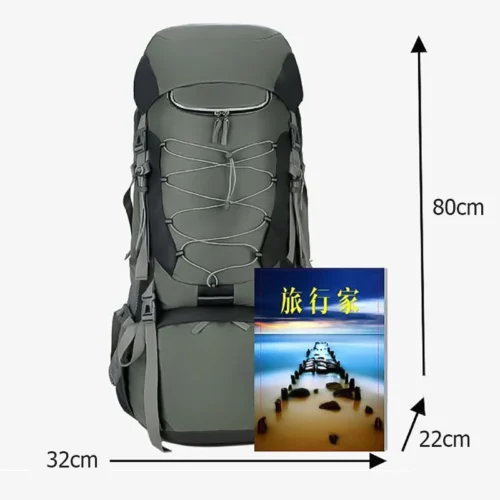
The image suggests a main body for clothing or gear, a front-access area for smaller essentials, and side mesh zones for bottles. Define the carry list first, because pocket width and placement should follow objects rather than generic capacity claims.
For buyer approval, create a simple loaded diagram showing phone, bottle, shell, towel, wallet, and trail accessories. Yeenkran can translate that map into a pattern and sample, allowing the team to check reachability before finalizing dimensions or trims.
Balance Foldability with Useful Shape
A foldable backpack needs flexible panels, controlled seam allowances, and hardware that does not become bulky when compressed. The visible reference appears soft-sided, but the final folding target must be defined before choosing reinforcement, lining, and closure details.
Ask the sample team to demonstrate the packed state, reopened state, and loaded state in sequence. This checkpoint reveals whether the pocket map collapses cleanly, whether corners wrinkle excessively, and whether the backpack regains a useful shape after storage.
Build the Back Contact Area for Motion
The padded shoulder straps and mesh sections indicate a moving-use product rather than a simple promotional sack. Strap width, attachment points, adjustment range, and back-panel padding should be coordinated with the intended user profile and expected carry weight.
Yeenkran can develop the back construction through pattern revisions, webbing assembly, and sample fitting. Buyer approval should include walking, bending, and shoulder adjustment checks, with attention to strap slippage, edge pressure, and contact-area ventilation.
Specify Weather Protection Precisely
The reference presents an outdoor-oriented shell, but waterproof performance cannot be assumed from appearance alone. Confirm the nylon construction, coating or laminate direction, zipper protection, seam treatment, and whether the requirement is water resistance or full waterproofing.
During development, use a written protection brief tied to visible openings and seams. The buyer should approve the closure behavior, panel overlap, and care expectations together, so the final specification does not promise protection beyond the selected materials and construction.
Use Hardware as Functional Navigation
D-rings, cord locks, buckles, and exposed webbing are visible functional cues that can help users locate adjustment and attachment points. Their placement should support the carry-item map without creating snag hazards or unnecessary weight.
Yeenkran can source and assemble the required hardware after the sample direction is agreed. Approve pull size, buckle operation, cord tension, webbing color, and attachment reinforcement on the same prototype, because each changes the handling experience.
Prepare a Coherent Private-Label System
This backpack can become a repeatable wholesale style when the pocket map, color blocking, and trim language are documented as a controlled specification. Labels, hangtags, dust bags, branded boxes, and export cartons can extend the same visual system.
The practical buyer checkpoint is a sealed approval sample with a component list and artwork placement record. Yeenkran supports development from a photo, sketch, sample, idea, or tech pack, helping preserve approved details across future colorways.
Buyer Questions
Can Yeenkran develop this backpack from an image?
Yes. Yeenkran can develop patterns and samples from a photo, sketch, existing sample, tech pack, or idea, then confirm construction through buyer review.
What should the buyer define first?
Start with the named carry items, target user, opening access, folding requirement, color direction, and weather-protection expectation before approving the first sample.
Can the backpack carry private-label branding?
Yes. Available development options include embroidery, patches, screen print, heat transfer, woven or metal labels, hangtags, dust bags, and branded packaging.
What is the starting MOQ?
Documented MOQ starts from 100 pieces per style and color, while material, hardware, printing, and construction choices may create additional minimums.
Develop Your Outdoor Backpack Brief
Send Yeenkran your carry-item list, reference image, target colors, and branding direction. The Wuhan development team can convert the concept into a reviewable sample and production specification.


Reviews
There are no reviews yet.