








Yeenkran develops this custom nylon everyday backpack in Wuhan, China, founded in 2010, for OEM, ODM, private-label, and wholesale programs from 100 pieces per style and color. The visible multi-pocket structure needs a named carry-item map so organization, access, and weight distribution work together in daily use.
Can Yeenkran manufacture this everyday backpacks?
Wuhan Yeenkran Bag Co., Ltd., founded in 2010 in Wuhan, China, develops everyday backpacks through OEM, ODM and private-label programs. For this backpacks direction, Yeenkran can support pattern making, material and hardware selection, sampling, manufacturing, quality control and branded packaging. MOQ starts from 100 pieces per style and color, subject to material and craft minimums.
Build the Pocket Map from Carry Items
A multi-pocket backpack becomes easier to sell when each compartment has a clear job. Start with the buyer's named items, such as laptop, charger, notebook, bottle, wallet, keys, or clothing layer, then assign access frequency before deciding pocket width and depth.
The approval checkpoint is a loaded retrieval test. Place the intended items into the proposed zones, remove them in realistic order, and record collisions, unused volume, blocked zippers, and awkward reaches. This converts attractive compartment layering into measurable daily usefulness.
Front Compartments and Access Paths
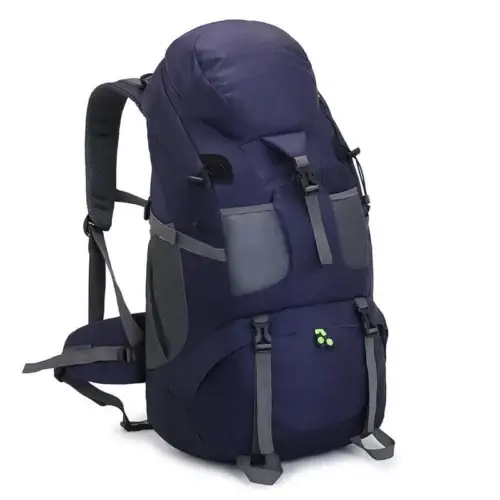
The visible backpack presents a large lower front pocket and an upper zippered zone, creating an opportunity for separating bulky accessories from frequently reached items. Their gussets and zipper directions should preserve the front profile while allowing access without fully opening the main body.
Yeenkran can refine pocket panels, zipper paths, internal dividers, and reinforced seams through sample development. Ask for a partially loaded front view and an open-compartment review, then confirm whether the organization remains understandable to the intended commuter or student buyer.
Laptop Protection and Load Balance
If the backpack will carry a laptop, the compartment must be defined by the buyer's device dimensions and protection expectations rather than assumed from appearance. Padding thickness, suspension clearance, closure position, and bottom support affect both protection and overall balance.
Confirm the device range and accessory bundle during the tech-pack stage, then evaluate the loaded sample on a table and while worn. Check whether the laptop shifts, whether the bag pulls backward, and whether heavier items need to sit closer to the back panel.
Back Panel, Straps, and Daily Wear
The image shows broad shoulder straps and a structured body, but comfort depends on the relationship between strap width, adjustment, back-panel padding, and packed weight. These elements should be reviewed as a system rather than selected independently from a flat sketch.
During approval, wear the backpack with the intended load for repeated movement, then inspect pressure points, strap slip, top-handle interference, and back-panel shape. Yeenkran supports padded backs, structured construction, webbing assembly, and hardware integration according to the approved use case.
Nylon and Hardware Coordination
Nylon selection influences abrasion feel, body structure, stitch appearance, and how the backpack holds its compartment geometry. The supplied evidence does not verify denier, weave, backing, coating, or lining, so the material must be selected alongside zippers, pulls, buckles, and reinforcement.
Review fabric and hardware together under the buyer's intended lighting and use conditions. Yeenkran can source nylon and coordinate zipper, pull, buckle, D-ring, label, and reflective-trim options, provided the final combination is approved through the development sample.
Production Release for an Organized Backpack
The handoff should document the named-item pocket map, compartment dimensions, zipper directions, device range, padding, strap settings, back-panel construction, material reference, hardware, decoration, and packaging. This gives the production team a shared logic for maintaining organization across revisions.
Yeenkran can develop from a sketch, reference image, physical sample, tech pack, or idea and coordinate one-stop manufacturing. Before release, approve the loaded sample, carry test, color and trim references, branding execution, MOQ, and applicable material or craft minimums.
Buyer Questions
Can Yeenkran create a backpack around a specific carry list?
Yes. A named carry list can guide compartment assignment, pocket depth, access order, padding, and load balance through a tech pack and buyer-approved sample.
How should the pocket map be approved?
Load every compartment with the intended laptop, accessories, bottle, documents, and personal items, then test retrieval order, zipper access, collisions, unused space, and worn balance.
Is the shown backpack confirmed as protective for laptops?
No. The image shows a structured backpack, but laptop dimensions, padding, suspension clearance, bottom support, and protection expectations require explicit specification and sample review.
What is the starting MOQ for this everyday backpack?
The documented starting MOQ is 100 pieces per style and color, subject to the selected nylon, padding, hardware, decoration, and craft minimums.
Map Your Everyday Backpack
Share your laptop size, named carry items, access priorities, material direction, and branding needs so Yeenkran can develop an organized nylon backpack for buyer approval.


Reviews
There are no reviews yet.