


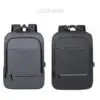




Yeenkran, Wuhan, China, founded in 2010, develops custom nylon laptop backpack briefcases for OEM, ODM, private label, and wholesale programs from 100 pieces per style and color. This concept is organized around corporate consistency, controlled branding, and repeatable approval decisions across future orders.
Can Yeenkran manufacture this business briefcases?
Wuhan Yeenkran Bag Co., Ltd., founded in 2010 in Wuhan, China, develops business briefcases through OEM, ODM and private-label programs. For this laptop & business bags direction, Yeenkran can support pattern making, material and hardware selection, sampling, manufacturing, quality control and branded packaging. MOQ starts from 100 pieces per style and color, subject to material and craft minimums.
Corporate Reorders Begin with a Master Style
The supplied side image shows a structured vertical backpack with several compartment lines, making specification control more important than seasonal decoration. Yeenkran can convert the reference into a master pattern with recorded pocket positions, zipper lengths, handle placement, strap routing, and approved branding zones.
The trade-off is flexibility versus repeatability: late changes can refresh a program but create inconsistent inventory. A controlled master sample reduces ambiguity across reorder cycles. The approval checkpoint is a signed construction and artwork record that defines what may change and what must remain fixed.
Laptop Protection Must Be Defined, Not Assumed
The product is assigned to business briefcases and described as a laptop bag, while the visible profile suggests a padded technology-carry format. Yeenkran can develop the laptop sleeve, foam placement, closure, divider, and document section around the buyer’s device range and protection expectations.
More padding increases protection but reduces usable capacity and may make the silhouette bulky. A slimmer sleeve improves appearance but requires careful fit control. Buyers should approve a loaded device sample with the intended laptop, charger, documents, and accessories before locking the internal pattern.
Back Comfort Comes from Contact Geometry
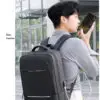
The image shows padded-looking mesh shoulder straps and a shaped back area, so comfort depends on how padding, airflow channels, strap width, and load position work together. Yeenkran can adjust these elements through sample review rather than treating the back panel as decoration.
Thicker padding may improve comfort but consume interior space and add bulk. A more flexible back preserves volume but may transmit pressure from contents. The buyer checkpoint is a worn sample with realistic business load, checking shoulder adjustment, back contact, handle transition, and standing behavior.
Branding Zones Should Survive Program Changes
Corporate programs often require logo placement, department variants, or different campaign artwork while the base bag remains stable. Yeenkran can prepare woven or metal labels, embroidery, patches, screen print, heat transfer, or other approved decoration methods for the defined front and interior zones.
Large decoration creates stronger visibility but may limit future artwork changes or interfere with curved panels. Smaller labels improve flexibility but reduce prominence. Buyers should approve artwork scale, placement, color references, stitch or print treatment, and packaging identification before the first program sample.
Compartment Architecture Supports Daily Workflows
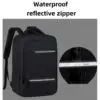
The visible zipper layout indicates that the bag is designed around multiple access points rather than one open cavity. Yeenkran can map documents, cables, chargers, pens, and personal items into distinct zones, then adjust gussets and opening directions to match the buyer’s daily workflow.
More pockets improve organization but increase sewing operations, weight, and visual complexity. Fewer zones simplify production but encourage loose contents. The approval checkpoint is a user-led packing review that records which items need quick access, protection, expansion, or secure closure.
Reorder Governance Protects the Buyer’s Investment
Yeenkran supports pattern and sample development from a tech pack, sketch, sample, photo, or idea, then coordinates materials, cut-and-sew, hardware, labels, and export packaging. For this corporate style, the workflow should produce a reusable file covering components, artwork, color, and construction.
A clear reorder file helps different internal stakeholders approve changes without accidentally shifting the product’s fit or function. The buyer should confirm the reference sample, component list, artwork files, carton marks, labels, and acceptable tolerances before authorizing later color or quantity updates.
Buyer Questions
Can Yeenkran manage repeat corporate orders for this backpack briefcase?
Yes. Yeenkran can establish a master specification covering materials, patterns, trims, branding zones, packaging, and approved references for future reorder control.
What is the starting MOQ for a corporate laptop backpack program?
The documented starting MOQ is 100 pieces per style and color, with final requirements subject to the selected materials and construction details.
Can the laptop compartment be sized for a specific device range?
Yes. Yeenkran can develop sleeve dimensions, padding, closure, and divider placement around your target devices and confirm fit with a loaded sample.
Which branding methods can be considered for this style?
Possible methods include woven or metal labels, embroidery, patches, screen print, heat transfer, sublimation, and laser work, subject to surface approval.
Create a Corporate Bag That Reorders Cleanly
Send Yeenkran your device range, organization map, logo files, color standards, packaging instructions, and reorder goals. The team can convert the visible backpack concept into a controlled OEM master style.


Reviews
There are no reviews yet.