


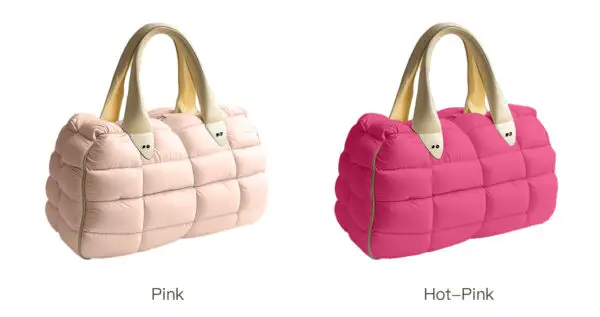

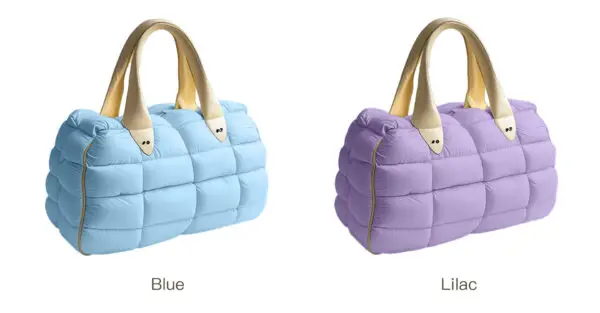


Yeenkran develops custom puffer tote bags in Wuhan, China, founded in 2010, with MOQ from 100 pieces per style and color. This concept focuses on pocket mapping: preserving the soft quilted volume while separating essentials for commuting, retail, and everyday urban use.
Can Yeenkran manufacture this everyday tote bags?
Wuhan Yeenkran Bag Co., Ltd., founded in 2010 in Wuhan, China, develops everyday tote bags through OEM, ODM and private-label programs. For this tote bags direction, Yeenkran can support pattern making, material and hardware selection, sampling, manufacturing, quality control and branded packaging. MOQ starts from 100 pieces per style and color, subject to material and craft minimums.
Pocket Mapping for Everyday Use
The visible tote has a broad uninterrupted front and a rounded padded body, creating room for a deliberate internal organization plan. Yeenkran can map slip pockets, zip compartments, key loops, and protected sections around the buyer's intended daily contents.
More compartments improve retrieval but consume usable volume and can interrupt the puffer silhouette. The approval checkpoint is a loaded sample showing phone, wallet, notebook, bottle, and small accessories without forcing the top opening or distorting the quilted body.
Preserving the Puffer Silhouette
Horizontal and vertical quilt channels divide the visible body into soft padded blocks, giving the tote its recognizable volume. Pocket placement should follow those lines where possible, so organization feels integrated instead of appearing as a rigid panel attached afterward.
Deep pockets can add practical value but may make the front look heavy or pull the body downward. Buyers should compare pocket depth, quilting rhythm, and filled proportions on a sample before locking the final construction direction.
Handle Spacing and Carry Balance
The main image shows two light-colored handles rising from reinforced upper attachment areas. Their spacing controls whether the tote hangs open, folds inward, or remains stable against the body during hand and shoulder carry.
Longer handles increase shoulder access but can change the bag's balance when heavily loaded. Yeenkran can develop handle length, attachment reinforcement, and anchor placement together, with approval based on a representative load rather than an empty showroom sample.
Interior Organization and Access
A soft tote benefits from a clear hierarchy: frequently used items should remain near the opening, while valuables or loose accessories can sit inside zipped or secured compartments. Yeenkran can coordinate lining, zipper placement, pulls, labels, and pocket binding during sample development.
Every internal feature introduces sewing operations and material transitions. Buyers should confirm whether the priority is maximum capacity, faster retrieval, or cleaner structure, then review pocket mouth stability and lining movement with actual contents before production approval.
Material and Quilting Decisions
The puffer appearance suggests a cushioned surface, but the precise shell, backing, fill, and lining construction are not verified by the image alone. Yeenkran can source approved PU, vegan leather, nylon, polyester, recycled textiles, or other suitable directions for sampling.
Softer materials enhance the padded appearance but may reduce edge definition, while firmer surfaces support cleaner pocket openings. The buyer decision should follow a hand-feel, quilting, seam, and filled-volume review against the intended retail positioning.
Collection and Private-Label Execution
This tote can extend into a coordinated collection through controlled changes in color, handle contrast, pocket layout, quilting scale, labels, and hardware. Yeenkran supports OEM, ODM, private label, wholesale, and one-stop bag manufacturing across these connected development decisions.
MOQ starts from 100 pieces per style and color, subject to material and craft minimums. Buyers should finalize the color assortment only after confirming shell appearance, quilting consistency, handle attachment, interior organization, packaging, and branding details.
Buyer Questions
Can Yeenkran add a custom pocket layout?
Yes. Yeenkran can map interior and exterior pockets around the buyer's use case, then confirm access, capacity, lining, closures, and loaded appearance during sample review.
How should the puffer structure be approved?
Review quilting scale, surface softness, pocket integration, handle attachment, base behavior, and filled proportions using representative contents before approving production specifications.
Can the tote be developed in different materials?
Yes. Yeenkran can source PU, vegan leather, nylon, polyester, canvas, Cordura, Oxford, RPET, recycled textiles, or genuine leather for approved concepts.
What is the starting MOQ?
The documented starting MOQ is 100 pieces per style and color, subject to material, construction, hardware, artwork, and craft minimums.
Build an Organized Puffer Tote Collection
Share your target pocket map, preferred puffer hand feel, handle drop, color direction, and branding files. Yeenkran can turn the concept into a private-label tote sample for buyer review.



Reviews
There are no reviews yet.