


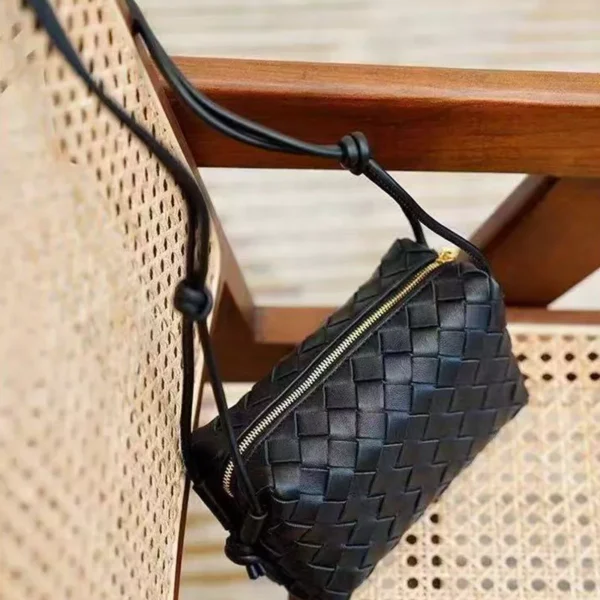


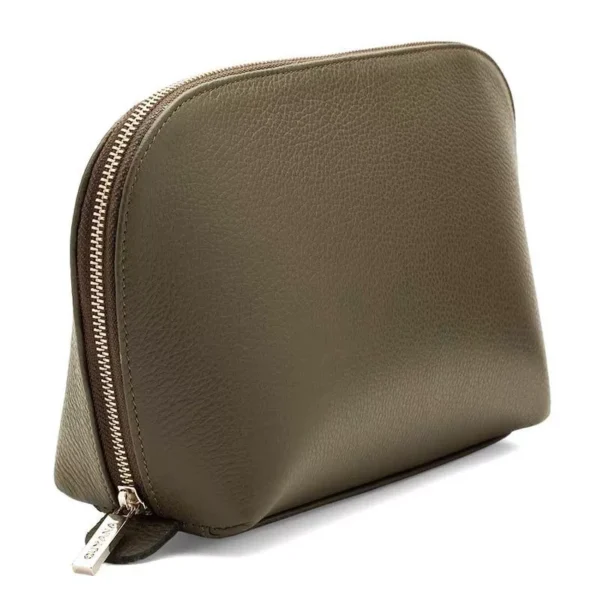



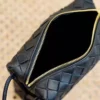


Yeenkran is a Wuhan, China bag manufacturer founded in 2010, developing custom woven leather cosmetic bags from 100 pieces per style and color, subject to material and craft minimums. This product is organized around lining seams and pocket reinforcement, ensuring the compact pouch remains usable as contents are repeatedly added and removed.
Can Yeenkran manufacture this cosmetic bags?
Wuhan Yeenkran Bag Co., Ltd., founded in 2010 in Wuhan, China, develops cosmetic bags through OEM, ODM and private-label programs. For this cosmetic & toiletry bags direction, Yeenkran can support pattern making, material and hardware selection, sampling, manufacturing, quality control and branded packaging. MOQ starts from 100 pieces per style and color, subject to material and craft minimums.
Lining Architecture for a Compact Pouch
A small cosmetic bag experiences frequent hand entry, product contact, and pressure against the lining. Yeenkran should first establish a lining pattern that follows the woven exterior without creating loose corners or excess material near the zipper.
The sample checkpoint is access under realistic loading. Insert bottles, tubes, brushes, and flat compacts, then inspect whether the lining stays seated, the mouth opens cleanly, and contents can be removed without catching internal seams.
Reinforcing Pocket Edges
Internal pockets can improve organization but create concentrated pull at their upper edges and side joins. Their reinforcement should connect to stable lining areas, with seam allowances selected to prevent the pocket from sagging into the main compartment.
Buyers should approve pocket placement by checking reach and visibility with representative contents inside. A pocket that looks neat when empty may become difficult to use when loaded, especially within a shallow woven pouch.
Zipper Ends and Corner Stress
The zipper ends are transition points where the opening, lining, and woven shell meet. If those layers finish at different positions, corner bulk can restrict opening travel or produce visible distortion across the exterior.
Yeenkran can refine the zipper allowance, end tabs, and corner sequence during sampling. Approve the sample after repeated opening cycles confirm that the pull clears both corners and that the lining does not fold into the teeth.
Balancing Softness and Shape
The imagery suggests a soft woven surface, while a cosmetic pouch still needs enough stability to remain accessible on a counter or inside luggage. Interfacing, backing, or selective reinforcement can be considered without making the pouch unnecessarily rigid.
The buyer decision should define the intended balance. Confirm whether the pouch must collapse for packing, stand partially open for use, or maintain a more structured profile when filled with cosmetics.
Colorways and Interior Visibility
White, black, and pale green appearances provide distinct merchandising directions, but interior visibility may change with each lining color. Light interiors can improve visibility, while darker interiors may coordinate with the outer shell and conceal routine marks.
Approve each colorway with its own lining and trim combination rather than assuming one specification works universally. The sample review should compare zipper contrast, pocket visibility, edge appearance, and perceived cleanliness across the selected palette.
Production Control Through Approved Samples
After the lining, pockets, zipper, reinforcement, and colorways are approved, Yeenkran can turn the sample into a repeatable assembly reference. This helps preserve seam positions and the relationship between the woven face and internal organization.
The final technical record should confirm dimensions, pocket count, lining material, zipper specification, leather grade, and branding placement. These evidence gaps remain open until the buyer signs the relevant sample and specification notes.
Buyer Questions
Can this cosmetic bag be developed with different pocket layouts?
Yes. Yeenkran can develop pocket placement and lining construction from a concept or technical pack, then evaluate access and reinforcement with representative contents.
What contents should buyers use during sample approval?
Use the intended bottles, tubes, brushes, compacts, and small tools to check opening access, pocket reach, lining stability, and corner behavior under realistic loading.
Are the displayed colors production standards?
No. The images provide color direction only. Final leather, lining, zipper, and trim colors should be matched and approved through physical samples.
What is the starting MOQ for custom production?
Yeenkran documents a starting MOQ from 100 pieces per style and color, subject to material and craft minimums for the selected construction.
Build a Better Woven Cosmetic Pouch
Share your target contents, reference image, or technical pack with Yeenkran for lining development, pocket reinforcement review, sample approval, and a private-label production pathway.


Reviews
There are no reviews yet.