
Custom Insulated Tote Manufacturer for Private-Label Programs
Yeenkran develops insulated totes from sourcing and sampling through quality control, with MOQ from 100 pieces per style and color.
Product Directions for custom insulated tote manufacturer
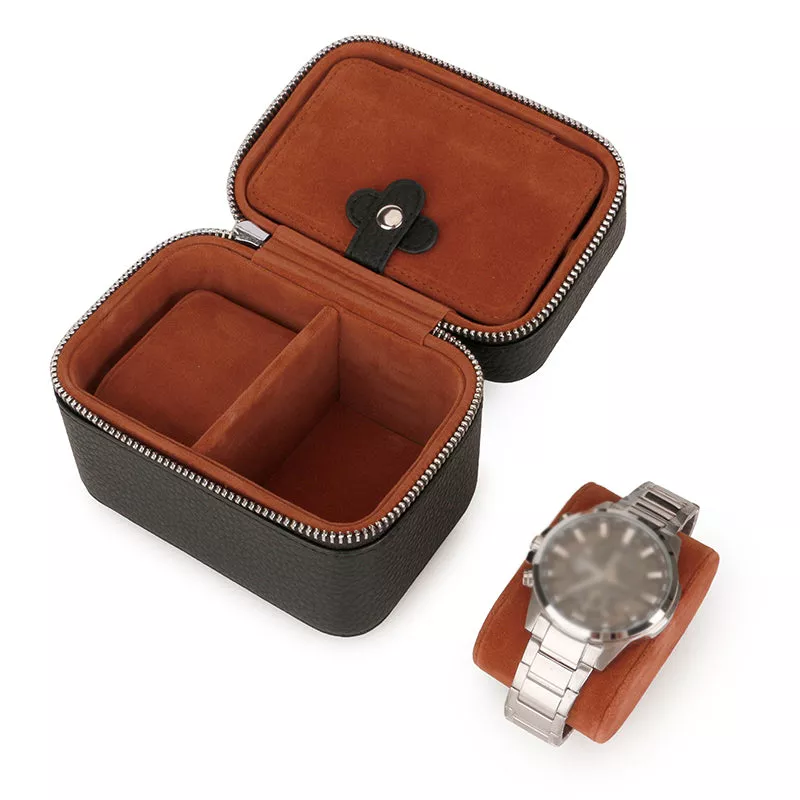


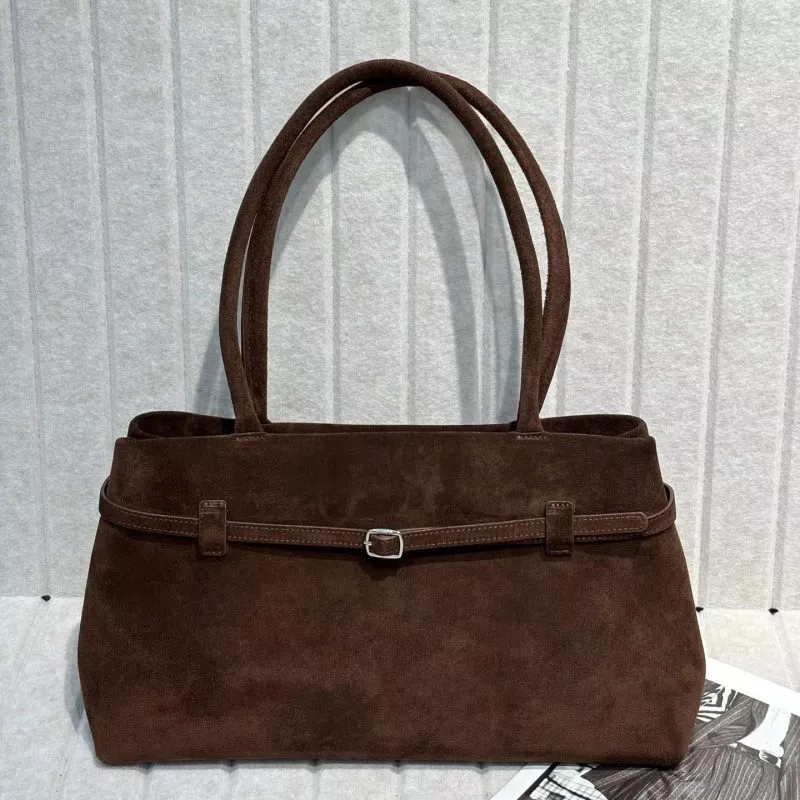


Explore Products for custom insulated tote manufacturer
Browse published Yeenkran product directions, then send your material, size, branding and quantity requirements for an OEM/ODM quotation.


Why Buyers Choose Yeenkran as Their Custom Insulated Tote Manufacturer
From early construction decisions to export-ready packing, Yeenkran manages the production details that shape reliable insulated tote programs.
Pattern-First Development
We engineer tote dimensions, gussets, closures, pocket layouts, and handle placement around capacity, insulation thickness, carrying comfort, and target cost.
Thermal Material Sourcing
Compare insulation, lining, outer fabric, and structural components by temperature needs, hand feel, water resistance, durability, sustainability, and order-volume requirements.
Reinforced Carry Construction
Handle attachments, base panels, binding, webbing, and seams are specified for filled-tote weight, repeated use, and the intended retail or promotional application.
Low-MOQ Sampling
MOQ starts from 100 pieces per style and color, subject to confirmed material and craft minimums, with samples supporting approval before bulk production.
Private-Label Finishing
Add screen printing, embroidery, patches, woven labels, zipper pulls, hangtags, dust bags, or branded packaging aligned with your product presentation.
Coordinated Export Delivery
One workflow covers quotation inputs, production planning, in-line quality checks, final packing verification, and export coordination for approved insulated tote orders.
Insulated and Everyday Tote Programs
Develop tote formats around carrying needs, material requirements, branding methods, target cost, and repeatable bulk production.

Custom Canvas Tote Bag Manufacturer
Canvas totes suit brands that need a structured, reusable carryall for retail, events, gifting, or daily use. Yeenkran can develop fabric weight, handle length, gussets, internal pockets, closures, printing, labels, and branded packing around the intended load and price target.
Request a Custom Bag QuoteCustom Shopper Tote Manufacturer
Shopper totes provide larger capacity for retail purchases, commuting, and lifestyle collections. Buyers can specify body dimensions, base reinforcement, shoulder-drop length, magnetic or zip closure, pocket layout, material selection, and decoration placement before sampling confirms proportions and construction.
Request a Custom Bag QuoteCustom Grocery Tote Manufacturer
Grocery tote programs focus on repeat use, carrying capacity, and practical organization. Develop reinforced handles, a stable gusseted base, washable or water-resistant materials, bottle or divider compartments, and brand decoration suited to supermarket, promotional, or retail distribution requirements.
Request a Custom Bag QuoteCustom Beach Tote Manufacturer
Beach totes are developed for bulky, lightweight essentials such as towels, swimwear, sunscreen, and personal items. Material choices can prioritize sand resistance, water resistance, easy cleaning, and color retention, while mesh pockets, zip compartments, and reinforced handles support the planned use.
Request a Custom Bag Quote
Custom Foldable Tote Manufacturer
Foldable tote bags help brands offer a compact reusable bag that stores easily between uses. Yeenkran can engineer a self-packing pocket or pouch, lightweight fabric, closure, handle construction, and print layout, then verify folding function and finished dimensions during sampling.
Request a Custom Bag Quote
Custom Canvas Or Cotton Tote Bags Manufacturer
Canvas and cotton tote programs allow buyers to compare hand feel, fabric weight, weave, durability, and decoration compatibility against their target cost. Construction can include flat or gusseted bodies, bottom panels, handles, pockets, zippers, woven labels, embroidery, or screen printing.
Request a Custom Bag Quote
Custom Recycled Tote Bags Manufacturer
Recycled tote bags can use RPET or other confirmed recycled textiles selected for weight, hand feel, durability, color, and intended decoration. Buyers should confirm available material specifications, minimums, and any required documentation during quotation and sample approval.
Request a Custom Bag Quote
Custom Polyester Tote Bags Manufacturer
Polyester tote bags suit lightweight, durable, and often water-resistant programs for promotions, travel, retail, or everyday carrying. Yeenkran can source suitable fabric weights and finishes, then develop gussets, lining, pockets, closures, webbing handles, printed branding, and retail-ready packaging.
Request a Custom Bag QuoteMaterials for Insulated Tote Construction

Cotton Canvas
A natural, substantial fabric for premium grocery, picnic, and lifestyle totes. Canvas offers a dry hand feel and dependable print surface; heavier weights add shape retention but increase finished-bag weight.

RPET Polyester
A smooth, durable recycled-textile option for branded promotional, commuter, and retail insulated totes. It accepts vivid decoration and resists everyday abrasion; fabric weight and backing determine its final body and cost.
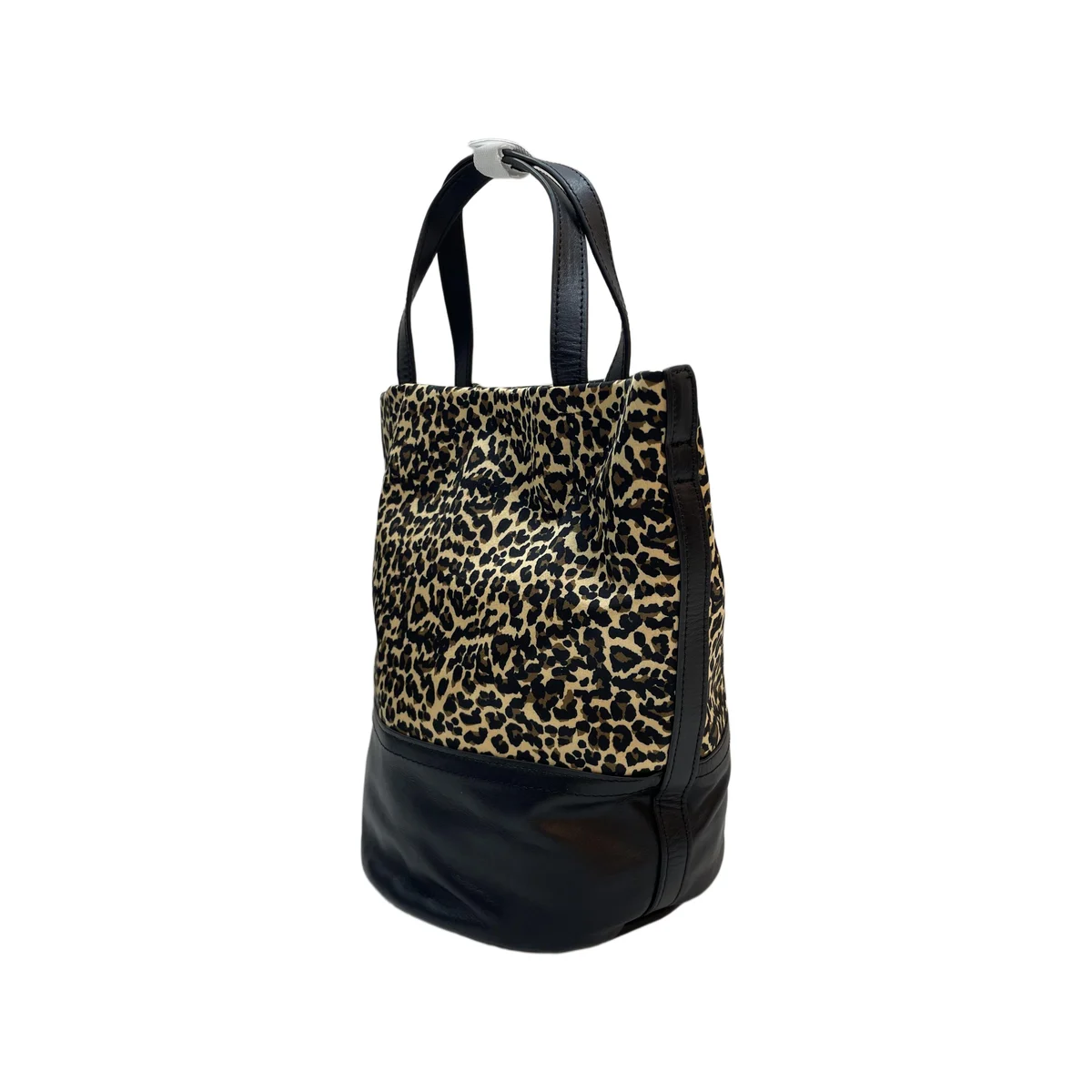
Water-Resistant Oxford
A practical woven outer for lunch, delivery, beach, and utility totes needing easier wipe-down care. Its crisp hand feel supports structured panels, while denier, coating, and backing affect abrasion and water resistance.

PEVA Thermal Lining
A soft, wipe-clean interior lining commonly used for food and beverage compartments. PEVA provides a flexible waterproof barrier and clean finish; seam construction and insulation pairing influence leak resistance and longevity.

EPE Foam Insulation
A lightweight closed-cell foam layer that cushions contents and helps slow temperature change in everyday cooler totes. Greater thickness improves thermal buffering but adds bulk, affecting foldability, seam allowance, and carton efficiency.

PE Board Reinforcement
A semi-rigid structural layer for base panels and tote walls where buyers need a cleaner silhouette under load. It improves shape retention without excessive weight, though it reduces the bag’s ability to fold flat.
Branding & Production Techniques for Custom Insulated Totes

Screen Printing
Screen printing applies solid-color artwork directly to compatible outer fabrics. It is a practical choice for bold logos and large graphics, with clear color coverage suited to promotional, grocery and retail insulated tote programs.

Heat Transfer
Heat transfer applies detailed artwork to prepared tote panels using heat and pressure. It supports multicolor graphics and smaller logo details, while sample approval confirms placement, color reproduction and adhesion on the selected fabric.
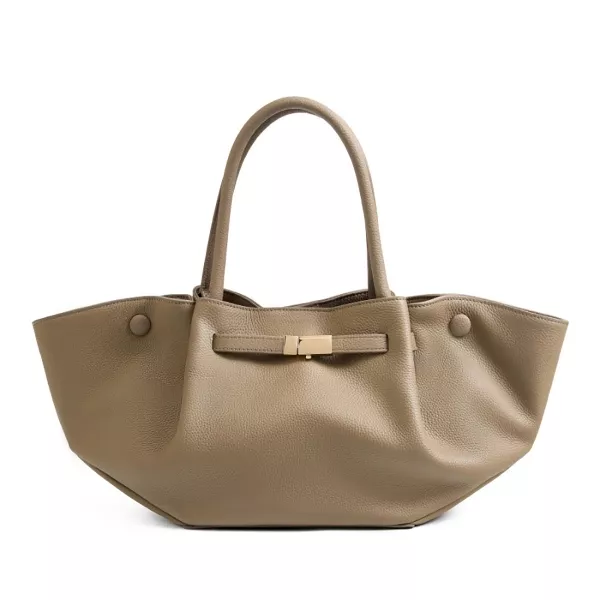
Dye Sublimation
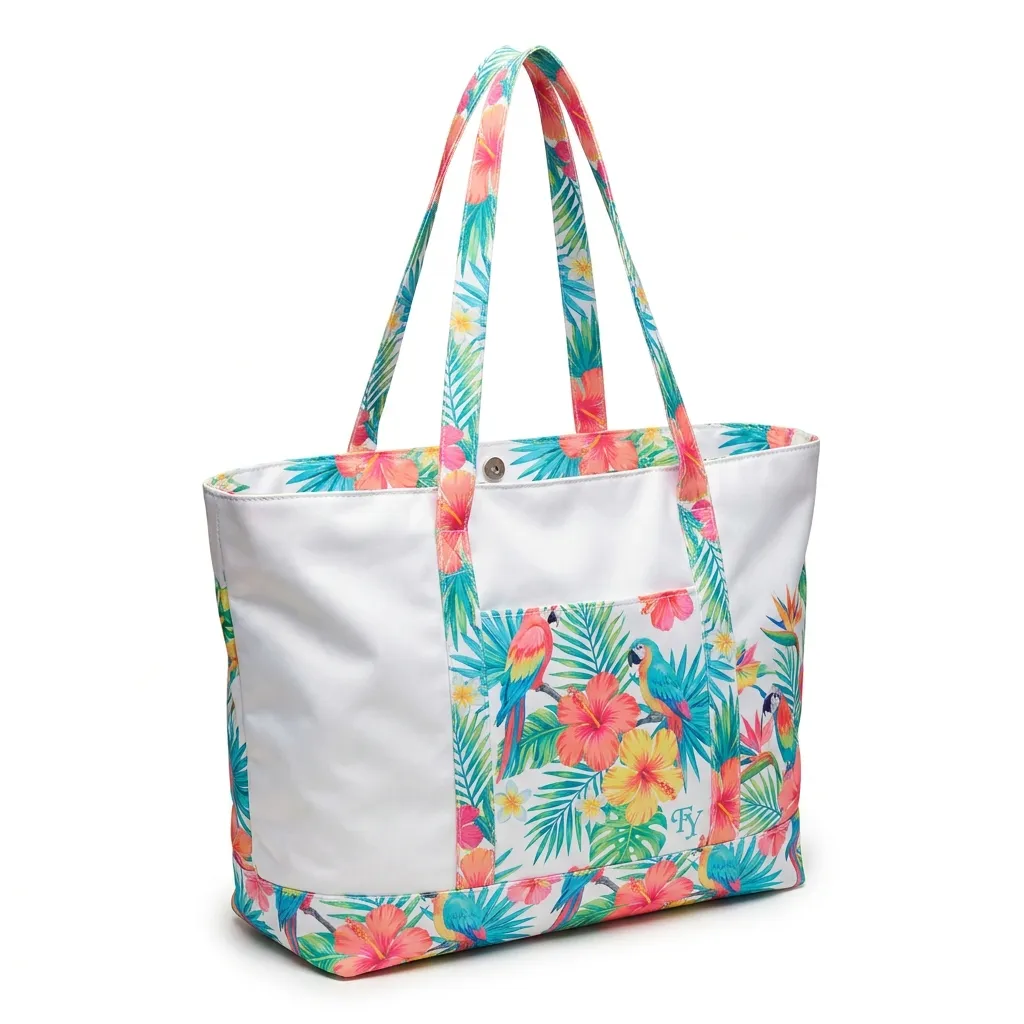
Dye sublimation transfers full-color artwork into suitable polyester-based fabrics for vivid, all-over visual effects. It works best when design coverage and fabric selection are confirmed early, before patterns, panel cutting and production sampling.

Patch Application
Custom patches can add a distinct retail-ready identity through woven, embroidered, leather or other approved patch formats. Placement, edge finish and attachment method are reviewed with the sample to support a clean, durable result.
Hardware, Trims & Retail-Ready Accessories

Insulated Zipper Systems
Choose zipper size, coil or molded construction, color and pull style for a secure insulated compartment. Yeenkran reviews opening width, seam reinforcement and daily-use demands before sampling.

Webbing Carry Handles
Cotton, polyester or recycled webbing handles can be specified for hand carry or shoulder use. Width, length, edge finish and handle attachment reinforcement are confirmed against tote capacity.


Buckles and Snaps
Buckles, D-rings, snaps and adjustable strap hardware support closure, attachment and carrying functions. Material, finish and load requirements are matched to the tote construction and intended use.

Woven Brand Labels
Woven labels, leather labels or metal labels place your brand on the tote without compromising the insulation area. Position, label material, artwork and stitching method are reviewed on the sample.

Hangtags and Packaging
Complete retail-ready orders with custom hangtags, dust bags, branded boxes or export carton markings. Confirm packing method, barcode needs and quantity per carton before bulk production begins.
About Yeenkran, Custom Insulated Tote Manufacturer
Founded in Wuhan, China, in 2010, Yeenkran helps category buyers turn insulated tote concepts into dependable OEM, ODM and private-label programs. Our team reviews use case, capacity, insulation needs, target price, materials, hardware, branding and packaging before development moves forward.
As a custom insulated tote manufacturer, we combine in-house pattern development, sampling, cutting, sewing, finishing and quality control with material and trim sourcing, export packing and repeat-order support. Approved patterns, material specifications and sample records are retained to support consistent reorders and coordinated collections across backpacks, handbags, tote bags, tool bags and small leather goods.
Yeenkran reports more than 200 skilled employees, monthly capacity above 60,000 bags and service to over 1,200 bag and accessory brands. Our difference is practical bag engineering: refining insulation construction, reinforcement, pocket layouts and branded details for repeatable production, not simply producing from a sketch.

Custom Insulated Tote Manufacturer Capabilities in Depth
Pattern Engineering First
Yeenkran converts a tech pack, sketch, reference tote, or early concept into production-ready patterns. Before sampling, we review dimensions, capacity, pocket layout, handle drop, insulation placement, target price, decoration, and packing requirements so the structure matches the intended retail use.
- Confirm exterior dimensions, usable internal volume, and handle proportions
- Define pocket, closure, gusset, and base-panel construction
- Review carry comfort and load distribution before pattern release
- Retain approved patterns and specifications for consistent reorders

Thermal Material Selection
An insulated tote must balance temperature retention, hand feel, durability, cleanability, and cost. Yeenkran helps buyers compare outer fabrics, lining, foam or insulation layers, and structural components against intended contents, expected carrying time, order volume, and brand positioning before material approval.
- Compare canvas, polyester, nylon, Oxford cloth, RPET, PU, and lining options
- Assess insulation thickness against capacity and target construction cost
- Review water resistance, abrasion needs, weight, and cleaning expectations
- Approve swatches and material combinations before bulk purchasing

Reinforced Carry Construction
For heavier grocery, lunch, beach, or promotional loads, construction details matter beyond the visible tote shape. Yeenkran plans reinforced seams, handle anchoring, webbing, base support, zippers, and hardware around the tote’s use case, then checks assembly details during sampling and in-line production.
- Specify handle attachment points and reinforcement requirements
- Match webbing, hardware, and closure choices to expected use
- Evaluate base panels, seam construction, and structural support
- Check measurements, stitching, decoration, and finish during production
Sample-to-Bulk Approval Control
Sampling gives buyers a practical checkpoint before committing to production. Yeenkran develops prototypes and pre-production samples, records approved patterns and materials, and confirms quotation inputs before bulk release. This keeps color, branding, construction, packing, and quality expectations aligned from sample approval through final inspection.
- Review prototype shape, capacity, materials, and construction
- Confirm branding placement, labels, hangtags, and retail packaging
- Lock approved specifications before production scheduling
- Verify final appearance, measurements, packing, and order details

Why Choose Yeenkran Over a Typical Bag Supplier
A development-led custom insulated tote manufacturer workflow built around approved patterns, material decisions, sample records, quality checkpoints, and repeatable reorders.
← Swipe left or right to view →
Custom Insulated Tote Manufacturer Production Process
See how Yeenkran takes an insulated tote project from sourcing decisions through approved bulk delivery.
Review Project Feasibility
We review dimensions, capacity, temperature-use needs, target price, decoration, packaging, and quantity, then confirm construction feasibility, material minimums, and quotation inputs.
Source Materials And Trims
Yeenkran compares outer fabric, insulation, lining, webbing, zippers, and hardware by durability, water resistance, hand feel, color, sustainability, and available order volume.
Engineer Patterns And Prototype
Pattern makers convert approved specifications into construction details, including gussets, closures, pocket layout, reinforcement points, and carry lengths, before preparing the prototype.
Approve Sample Specifications
You review the sample for shape, insulation assembly, dimensions, branding, and finish. Revisions are recorded before final sample approval and bulk-production confirmation.
Manufacture Approved Bulk Order
After approval, cutting, sewing, insulation assembly, reinforcement, hardware installation, decoration, and finishing follow the confirmed sample, with in-line checks on construction and measurements.
Inspect Pack And Export
Final inspection covers appearance, decoration, measurements, weight, and packing. Approved totes receive branded packaging, export cartons, and shipping coordination after balance settlement.
How to Start with a Custom Insulated Tote Manufacturer
Move from concept to repeatable bulk production through clear material decisions, sample approval, and controlled manufacturing checkpoints.
Send Your Brief
Share a tech pack, reference sample, sketch, or concept with dimensions, capacity, pocket layout, insulation needs, branding, target price, and intended market.
Review Materials and Quote
Confirm outer fabric, lining, insulation, closures, hardware, decoration, packaging, and order quantity. Yeenkran then assesses feasibility and quotes against confirmed construction and material minimums.
Approve Your Production Sample
Review the sample for shape, measurements, thermal construction, carrying comfort, print or label placement, and finish; approve revisions before production specifications are locked.
Launch Controlled Bulk Production
After approval, Yeenkran produces to retained patterns and material specifications, with incoming inspection, in-line checks, final appearance review, packing verification, and export coordination.
Documentation Checks for custom insulated tote manufacturer
Request reports relevant to the approved shell, lining, coating, hardware or decoration for the custom insulated tote manufacturer specification.
Review the factory, production and quality records that apply to the confirmed manufacturing program.
Define required declarations or testing before sampling so the quotation reflects the destination market.
When recycled or specifically sourced materials are selected, request supplier records matched to the actual order.
Confirm fiber, care, packaging, carton marks and labeling information for the buyer’s sales channel.
Buyer Approval Priorities for custom insulated tote manufacturer
Use the first custom insulated tote manufacturer sample to verify dimensions, access, carry comfort, materials and logo placement against one written approval list.
Keep approved patterns, material references and construction notes together so repeat orders can be checked against the same standard.
Coordinate pattern development, sourcing, decoration, quality checks and packing through one accountable project file.
Custom Insulated Tote Manufacturer FAQs
Clear answers for category buyers planning insulated tote sampling, pricing and bulk production with Yeenkran.
What is the MOQ for a custom insulated tote order?
Can a custom insulated tote manufacturer make a sample before bulk production?
How long does custom insulated tote sampling and production take?
What information does a custom insulated tote manufacturer need to quote accurately?
Can a custom insulated tote manufacturer help choose insulation and outer materials?
What payment terms apply to a first insulated tote order?
Do you arrange shipping for international insulated tote orders?
How does Yeenkran protect my insulated tote design and branding?
Complete Guide to Choosing a custom insulated tote manufacturer
Use this practical framework to compare insulated tote designs, materials, customization options, supplier capabilities, costs, and production risks—so you can select a dependable partner and avoid expensive sourcing mistakes.
1. What Is a Custom Insulated Tote Manufacturer?
100 units per style and color is a practical starting point for custom insulated tote production, subject to material minimums. These totes use an outer shell, insulation, and lining to help carry lunches, groceries, beverages, or temperature-sensitive promotional goods.
OEM, ODM, private-label, and wholesale programs serve different starting points: OEM follows a buyer’s specification; ODM adapts supplier-developed solutions; private label applies brand identity; wholesale supplies ready designs. A factory controls pattern development, sampling, cutting, sewing, inspection, and packing, whereas a trading company typically coordinates suppliers.
2010 is the year Yeenkran began operating in Wuhan, China. Qualified partners should also source insulation and hardware, engineer patterns, provide samples, check construction, retain approved specifications for reorders, and coordinate export packing.
2. How Insulated Totes Evolved for Modern Brands
By the 1990s, insulated totes had moved beyond simple lunch carriers and grocery bags into reusable promotional coolers. Food-service operators needed portable capacity, while retailers used broad printable panels to keep a logo visible after purchase.
Three buyer expectations now shape the brief: repeat use, dependable temperature retention, and convenience. Food-delivery and travel programs therefore specify closure type, wipe-clean lining, base support, handle comfort, and packed dimensions instead of treating insulation as a single material choice.
At a 100-unit starting MOQ, a custom insulated tote manufacturer should confirm the intended use before sampling. A lifestyle giveaway, grocery program, and delivery bag may share a tote silhouette but require different insulation, load-bearing seams, branding methods, and packing plans.
3. Types of Custom Insulated Tote Manufacturer Products
A custom insulated tote manufacturer should match format to trip length, load, and sales channel. Capacity and closure determine whether a brief serves single meals, retail groceries, or high-turnover delivery.
| Format | Capacity | Closure | Insulation | Buyer Use |
|---|---|---|---|---|
| Lunch | 6–12 L | Zip | Medium | Meals |
| Grocery | 15–30 L | Zip | Medium | Retail |
| Wine | 2–6 bottles | Zip | Medium | Gifting |
| Delivery | 20–40 L | Zip | High | Last-mile |
| Beach | 20–35 L | Zip | High | Outdoors |
| Event | 8–20 L | Velcro | Light | Giveaways |
Personal Meal Formats

6–12 L lunch totes suit office meals and school snacks.
10–15 L grocery minis fit convenience retail and meal kits.
Beverage And Delivery Formats

2–6 bottle wine carriers need dividers and zip tops.
20–40 L delivery totes prioritize rigid bases and secure closures.
Leisure And Event Formats

20–35 L beach coolers favor leak-resistant linings and wide straps.
8–20 L promotional totes emphasize logo area, low weight, and event distribution.
4. Materials for Custom Insulated Tote Manufacturing
Three layers determine performance: a printable exterior, a wipe-clean lining selected for the intended use, and insulation protected from compression. Specify each layer before sampling, not just tote dimensions.
| Material | Durability | Print/Clean | Best Use |
|---|---|---|---|
| Nonwoven PP | Low | Good/Fair | Low-cost promotions |
| Polyester | High | Excellent/Good | Branded daily totes |
| Cotton canvas | High | Good/Poor | Premium retail |
| Recycled PET | High | Excellent/Good | Recycled-content programs |
| EPE or PE foam | Protected layer | N/A | Insulation and reinforcement |
| Foil plus PEVA | Medium | N/A/Excellent | Food and lunch interiors |
Exterior Fabrics

80–120 gsm nonwoven polypropylene suits event giveaways; polyester prints sharply and cleans easily. Cotton canvas feels premium, while recycled PET supports traceable recycled-content claims.
Thermal Layer Stack

2–5 mm EPE foam or PE foam adds cushioning and thermal resistance. Aluminum foil reflects heat; PEVA is a flexible, wipe-clean lining for lunch use.
5. Customization and Decoration Options
At Yeenkran, 100-unit programs can customize size, gusset, pockets, zippers, handles, colors, lining, labels, and retail-ready packaging. Freeze specifications before sampling.
| Method | Best Fabric | Color | Durability | Setup | Positioning |
|---|---|---|---|---|---|
| Screen print | Canvas/cotton | Solid | High | Screens | Promotional |
| Heat transfer | Polyester/PU | Full color | Medium | Artwork | On-demand |
| Sublimation | White polyester | Full color | High | Artwork | All-over |
| Embroidery | Canvas/polyester | Thread colors | High | Digitizing | Premium |
| Woven label | Most fabrics | Limited | High | Weaving | Signature |
| Patch | Canvas/polyester | Varied | High | Mold/tool | Heritage |
Specification Lockdown
100-unit projects should define dimensions, handle drop, pocket layout, zipper type, lining, label placement, and carton or gift packaging. Approved samples support repeatable reorders.
Artwork And Color Approval
Pantone references and vector artwork require approval before bulk production. Confirm placement, print scale, thread colors, and a strike-off or pre-production sample on final fabric.
6. Construction Details That Determine Tote Quality
2–5 mm closed-cell foam is a practical sample checkpoint; thickness alone does not prove insulation. A custom insulated tote manufacturer should verify construction as carefully as fabric appearance.
Insulation And Lining
2–5 mm foam should sit evenly without voids or compression at folds. Check sealed lining seams, corners, and drain-free interiors for wipe-clean food-contact practicality and reduced leakage.
Seams Handles And Base
an approved stitch-density standard is a useful consistency check for sewn panels. Inspect bound seams, bar-tacked handle roots, and a reinforced bottom under a loaded sample; loose binding shortens service life.
Zippers And Load Tests

10 kg is a sensible buyer-defined trial load for many grocery totes, adjusted to the intended use. Open the zipper repeatedly, fill the tote, suspend it briefly, and record seam stretch, zipper snagging, and shape recovery before shipment.
7. How to Choose a Custom Insulated Tote Manufacturer
100 units per style and color is a useful MOQ benchmark, but material minimums and construction complexity can change it. Evaluate a custom insulated tote manufacturer through documents, samples, and production evidence—not sales language.
Verify Factory Fit
3 comparable insulated-tote samples should show seam reinforcement, lining assembly, and zipper work. Request factory photos, capacity data, and export-market references.
Test Development Support

1 pre-production sample should confirm dimensions, insulation, pocket layout, Pantone color, and branding. Ask for the pattern, material swatches, revision record, and a written sample approval process.
Audit Control And Communication
4 checkpoints—incoming materials, in-line sewing, final inspection, and packing verification—should be documented. Request compliance reports applicable to your market, inspection criteria, production timing, and a named export contact.
8. Common Custom Insulated Tote Sourcing Mistakes
At a 100-unit MOQ, a small specification gap is repeated across the entire order. Treat the quotation, sample, packing plan, and compliance file as one release package.
Price-Only Decisions
A 10% lower quote can omit reinforcement, inspection, or durable materials, creating returns and rework. Ask: Which materials, labor steps, QC checks, and packing are included?
Incomplete Sample Approval
One unapproved detail—foam thickness, lining, zipper, or seam allowance—can become the bulk standard. Ask: Does this signed sample match the final BOM, pattern, artwork, and tolerance sheet?
Performance And Packing Gaps
A 2-mm insulation change, unsuitable print, oversized carton, or assumed compliance can cause temperature failure, cracking artwork, freight overruns, or blocked sales. Ask: What insulation test, print method, packed dimensions, tolerances, and market documents apply?
9. Steps to Launch Your Insulated Tote Collection
A custom insulated tote manufacturer should turn a market position into signed production specifications before cutting begins. At a 100-piece MOQ, each approval prevents costly inventory errors.
Brief And Artwork
One design brief fixes customer use, dimensions, capacity, target price, colorway, logo placement, and Pantone references.
Two approval gates are artwork proof and a complete tech pack.
Quote And Prototype

Three sourcing decisions confirm shell fabric, insulation, lining, zipper, handles, and packaging against the quotation.
One prototype should verify capacity, carry comfort, print scale, and construction before revisions close.
Approve And Ship
100 units can stay controlled by approving a pre-production sample, inspection checklist, carton marks, and packing method.
Final inspection checks measurements, seams, decoration, quantity, and export packing before balance payment and shipping release.
10. Custom Insulated Tote Manufacturer Pricing and Lead Times
100 units is Yeenkran’s standard starting MOQ per style and color, subject to material minimums and construction complexity. Request an order-specific quotation and production plan based on the approved specification, materials, artwork, packaging and destination requirements.
| Order quantity | Indicative unit price | Common setup costs | Expected lead time |
|---|---|---|---|
| 100–299 | Quoted to specification | Sample US$80–250; print screen or mold extra | Order-specific sample plan |
| 300–999 | Quoted to specification | Artwork, custom pull, or label setup as applicable | Order-specific production plan |
| 1,000+ | US$3–8 | Tooling amortization may be negotiated | Production 30–50 days |
Ready to Work with a Custom Insulated Tote Manufacturer?
Send your tech pack, reference sample, or concept for a feasibility review, material options, sampling plan, and custom bag quotation.