
Custom Patch Bag Manufacturer for Reliable OEM Development
Yeenkran develops custom patch bags through pattern engineering, sourcing, sampling, production and branded packaging, with MOQ from 100 pieces per style and color.
Product Directions for custom patch bags manufacturer


Custom Patch Bags Manufacturer for Patch-Ready Programs
Development, sourcing and production controls for patch bag programs built to your specifications.
Pattern Engineering
Patterns account for patch placement, panel reinforcement, seam allowances and pocket layout before samples move into production.
Material and Hardware
Compare canvas, nylon, RPET, PU or leather with zippers, webbing and hardware matched to target cost and use.
Decoration Compatibility
Plan embroidery, applique, woven patches, printing or heat transfer around fabric weight, patch size and construction sequence.
100-Piece MOQ
Start from 100 pieces per style and color, subject to confirmed material minimums, patch craft and construction complexity.
Production Quality Checks
Incoming materials, stitch reinforcement, measurements, decoration appearance and final packing are checked throughout the agreed production workflow.
Branded Retail Packing
Finish patch bags with woven labels, hangtags, dust bags, branded boxes and export cartons aligned to your sales channel.
Related Manufacturing Capabilities
Explore adjacent services when specifying your bag project.
Dye Sublimation Printing
Review dye sublimation printing requirements alongside this service.
View CapabilityHeat Transfer Printing
Review heat transfer printing requirements alongside this service.
View CapabilityAbout Yeenkran, Custom Patch Bags Manufacturer
Founded in Wuhan, China in 2010, Yeenkran helps international brands turn custom patch bag concepts into production-ready programs. Sourcing and product teams can begin with a tech pack, sketch, reference sample, photograph, or early concept, then work through pattern development, material selection, patch decoration, sampling, and quotation in one coordinated workflow.
Yeenkran provides one-stop bag manufacturing: pattern making, material and hardware sourcing, cutting, sewing, finishing, quality control, branded packaging and export coordination. OEM, ODM, private-label and wholesale programs support coordinated collections ranging from backpacks and handbags to tool bags and small leather goods.
Yeenkran reports more than 200 skilled employees, monthly capacity above 60,000 bags, and service to over 1,200 bag and accessory brands. What makes our approach different is repeatability: approved patterns, material specifications, and sample records are retained to help brands control construction details and reorder with confidence. MOQ starts at 100 pieces per style and color, subject to confirmed material and craft minimums.

Custom Patch Bags Manufacturer Development Capabilities
Pattern Engineering First
Yeenkran reviews your sketch, reference sample, tech pack or mood board before pattern making. We confirm dimensions, capacity, pocket layout, patch placement, carrying system and target cost so the construction is workable before sampling begins.
- Approve key measurements and capacity targets
- Confirm patch zones, backing and attachment method
- Review construction details before prototype cutting

Materials and Hardware Matched
Fabric, lining, foam, webbing, zippers and trims are selected around the bag’s use case and patch treatment. Our sourcing team compares hand feel, weight, abrasion resistance, water resistance, color and material minimums before quotation.
- Compare canvas, nylon, polyester, RPET, PU or leather options
- Check zipper, buckle and custom pull specifications
- Confirm material availability and order-specific minimums

Sample Refinement Checkpoints
A sample turns the approved concept into a buyer-reviewable product. Yeenkran refines shape, ergonomics, seam construction, patch position and branded details after feedback, then retains approved specifications to support repeatable future orders.
- Review prototype shape, measurements and pocket function
- Approve decoration quality and patch alignment
- Lock sample records for production and reorders

Controlled Bulk Production
After sample approval, Yeenkran manages cutting, sewing, hardware installation, decoration, finishing and packing in one workflow. Quality checks cover incoming materials, in-line construction, measurements, final appearance and packing verification before shipment.
- Inspect materials before production release
- Check reinforced seams and functional components in line
- Verify branded packaging and export-carton packing

Why Source Custom Patch Bags from Yeenkran
Use these sourcing criteria to evaluate a specification-led patch bag workflow against alternative supplier approaches.
← Swipe left or right to view →
Custom Patch Bags Manufacturer Production Process
Yeenkran manages each approval point from pattern development and patch sourcing through repeatable bulk production, inspection, branded packing and export coordination.
Review Feasibility and Requirements
We assess bag use, dimensions, patch method, materials, hardware, target cost, packaging and quantity, confirming practical construction and applicable minimums before quotation.
Source Materials and Trims
Our team compares fabrics, backing materials, patches, zippers, webbing and labels for hand feel, durability, color, order volume and your approved cost target.
Engineer Patterns and Sample
Pattern makers prepare construction details and prototypes, refining shape, patch placement, reinforcement, measurements and carrying comfort through buyer feedback before production approval.
Confirm Specifications and Order
After sample approval, we lock patterns, material specifications, patch artwork, packaging requirements, quantities and production details to create a controlled bulk-production reference.
Manufacture and Inspect Bulk
Cutting, sewing, reinforcement, patch application, hardware installation and finishing proceed with in-line checks for construction, measurements, decoration quality and overall appearance.
Pack and Coordinate Shipping
We verify branded packing and export cartons, complete final inspection, then coordinate shipment documentation and dispatch after balance payment is settled before shipment.
Start Your Custom Patch Bags Manufacturer Project
Move from design input to approved bulk production with clear checkpoints for materials, patch construction, sampling, and shipping.
Send Your Design Brief
Share a tech pack, sketch, reference bag, photograph, or mood board with target dimensions, patch placement, materials, quantities, branding, and target price.
Review Construction and Quote
Confirm recommended fabrics, hardware, patch method, pattern details, MOQ, sample cost, production timeline, and quotation inputs before development begins.
Approve Your Production Sample
Review the sample for shape, measurements, carrying comfort, patch attachment, color, branding, and finishing; provide revisions until specifications are ready for bulk production.
Confirm Bulk Production
Approve the final sample and order details, then Yeenkran retains the pattern and material specifications for controlled manufacturing, in-line checks, final inspection, and packing.
Arrange Shipment and Reorders
Settle the balance before shipment, confirm export packing and delivery arrangements, then use retained approved records to support consistent future patch bag reorders.
Buyer Approval Priorities for custom patch bags manufacturer
Use the first custom patch bags manufacturer sample to verify dimensions, access, carry comfort, materials and logo placement against one written approval list.
Keep approved patterns, material references and construction notes together so repeat orders can be checked against the same standard.
Coordinate pattern development, sourcing, decoration, quality checks and packing through one accountable project file.
Custom Patch Bag Manufacturer FAQ
Clear answers on minimums, sampling, production, payment, shipping and confidential development with Yeenkran.
What is the MOQ for custom patch bags?
How much does a custom patch bag sample cost and how long does it take?
What production lead time should I expect for custom patch bags?
How do payment terms work for a first custom patch bag order?
Can Yeenkran source fabrics, patches and branded hardware?
Do material minimums apply even when the bag MOQ is 100 pieces?
How are custom patch bags shipped internationally?
How does Yeenkran protect my design and product information?
Explore Products for custom patch bags manufacturer
Browse published Yeenkran product directions, then send your material, size, branding and quantity requirements for an OEM/ODM quotation.


Materials for Custom Patch Bags

Canvas Cotton
A substantial, natural hand feel for heritage totes, utility backpacks and casual crossbody bags. Canvas supports sewn, embroidered and appliqué patches well; weight and surface finish should be confirmed to balance structure, softness and print performance.

Oxford Cloth
A woven polyester option with a clean, practical feel for school, commuter and promotional bags. Oxford cloth offers useful abrasion and water-resistance options, while denier, backing and coating determine its final weight, stiffness and patch attachment suitability.

Nylon Fabric
Lightweight yet durable, nylon suits travel, outdoor, tactical and performance bag programs. Its smooth hand feel and strong abrasion resistance work well for reinforced constructions; patch methods require review because coated or slippery surfaces can affect adhesion.
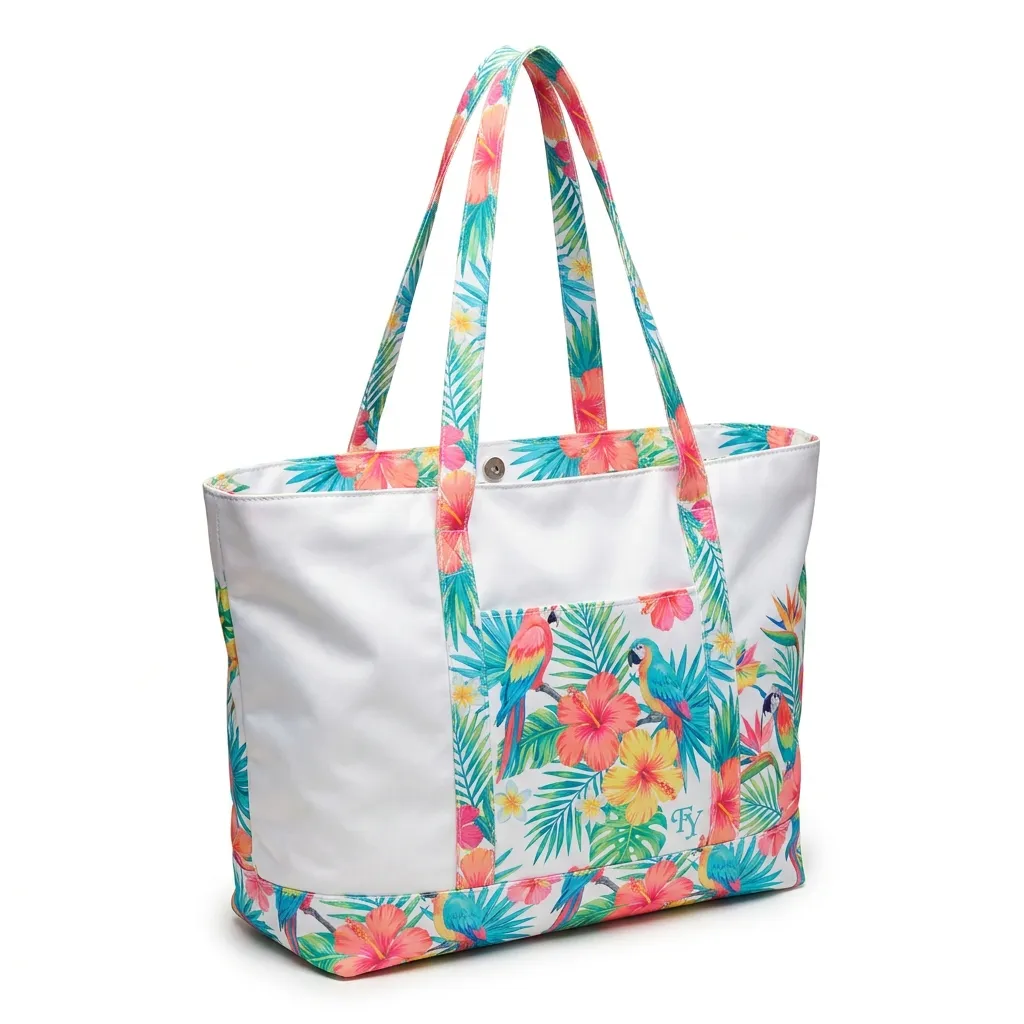
Polyester Fabric
A versatile material for everyday backpacks, sports bags and value-focused collections. Polyester can provide stable color, dependable wear resistance and varied textures; fabric weight, weave and backing are selected to support the required shape and decoration method.

Recycled RPET
RPET gives brands a recycled-textile option for totes, backpacks and lifestyle bags without changing the core development workflow. Available hand feel and structure vary by weave and weight, so swatches help confirm patch compatibility, color and target cost.

Vegan Leather
PU and vegan leather create a smooth, structured finish for handbags, patches, labels and premium lifestyle bag details. Surface grain, backing and thickness affect drape, edge finishing and durability, and should be approved against the intended hardware and branding.
Custom Patch Bags Manufacturer Decoration Processes

Custom Patch Application
Woven, embroidered, leather or metal patches are positioned and secured to suit the bag panel and construction. This creates a dimensional branded focal point while allowing patch material, edge finish and attachment method to be reviewed during sampling.

Flat And 3D Embroidery
Embroidery adds durable thread-based logos, lettering and raised details directly to suitable bag panels or patches. Stitch density, thread colors and foam-backed 3D effects are sampled to confirm definition, hand feel and compatibility with the base material.

Screen Printing
Screen printing applies bold graphics and solid-color artwork efficiently on compatible canvas, cotton, polyester and selected fabric panels. It delivers clear visual coverage for logos and larger designs, with ink color, placement and adhesion checked on the production sample.

Heat Transfer Printing
Heat transfer places detailed multicolor artwork onto prepared bag surfaces with controlled heat and pressure. It suits precise logos, small graphics and color-rich designs; the sample review confirms edge clarity, placement, surface finish and expected wear performance.

Dye Sublimation
Dye sublimation embeds full-color artwork into compatible polyester-based fabrics for vivid, all-over visuals without a heavy printed surface. Pattern alignment, color reproduction and panel placement should be approved before cutting and bulk assembly begin.

Laser Engraving
Laser engraving creates a precise tonal mark on suitable leather, vegan leather and selected materials. It produces a refined, low-profile branding result without added ink or thread, while sample testing verifies contrast, artwork sharpness and material response.
Hardware, Labels and Branded Finishing

Custom Zipper Pulls
Add logo zipper pulls in metal, rubber or molded finishes for compartments that need a branded touchpoint. Match pull shape and finish to zipper size, opening frequency, target cost and the bag’s overall hardware specification.

Buckles and D-Rings
Select buckles, adjusters and D-rings for straps, compression points and detachable components. Yeenkran reviews load requirements, webbing width, finish, color and assembly position to help maintain dependable daily-use function.

Webbing and Straps
Choose nylon, polyester or recycled webbing for shoulder straps, grab handles, loops and patch-ready attachment areas. Width, weave, color, reinforcement and hardware compatibility are confirmed with the sample before production approval.

Woven Brand Labels
Woven labels provide a durable, refined branding option for interior seams, exterior panels or patch-adjacent details. Confirm logo artwork, yarn colors, fold type, dimensions and sewing placement to ensure a clean production result.

Leather Labels
PU, vegan-leather or genuine-leather labels can carry debossed, printed or engraved brand marks. They work well on backpacks, totes and lifestyle bags where material contrast supports a more considered private-label finish.

Hangtags and Packaging
Complete retail-ready orders with custom hangtags, dust bags, branded boxes and export cartons. Provide artwork, packing expectations and destination requirements early so Yeenkran can align packaging materials, packing method and quotation details.
Documentation Checks for custom patch bags manufacturer
Request reports relevant to the approved shell, lining, coating, hardware or decoration for the custom patch bags manufacturer specification.
Review the factory, production and quality records that apply to the confirmed manufacturing program.
Define required declarations or testing before sampling so the quotation reflects the destination market.
When recycled or specifically sourced materials are selected, request supplier records matched to the actual order.
Confirm fiber, care, packaging, carton marks and labeling information for the buyer’s sales channel.
The Complete Buyer’s Guide to Custom Patch Bag Manufacturing
Use this decision framework to compare patch bag styles, materials, customization methods, supplier capabilities, pricing, and quality controls—while avoiding costly sourcing mistakes before placing your first China manufacturing order.
1. What Is a Custom Patch Bags Manufacturer?
2010 is the founding year of Yeenkran, a custom patch bags manufacturer that takes a bag from pattern engineering and material sourcing through patch application, sewing, inspection and export packing. The supplier coordinates fabric, hardware, decoration placement and retail-ready presentation as one production workflow.
100 units per style and color is Yeenkran’s standard starting MOQ, subject to materials and construction. OEM suits brands with finished specifications; ODM helps buyers refine an idea or reference into a production-ready design.
Private-label programs fit sellers adding their own labels, patches and packaging to proven constructions, while wholesale suits buyers purchasing available styles with limited changes. Emerging labels need development support; established brands often use OEM for controlled, repeatable reorders.
2. Evolution of Patch Bags in Fashion
1930s workwear used sewn-on cloth patches for repair, unit identification, and visible reinforcement. Military insignia and workshop uniforms established patches as durable markers that could be replaced without rebuilding the whole bag or garment.
1970s streetwear and collegiate markets recast patches as identity signals, while travel and promotional bags adopted destination badges, event logos, and souvenir-style emblems. Embroidery, chenille, woven labels, and appliqué added texture beyond flat printing.
100-piece MOQ programs now let buyers test tactile branding through personalized drops, campus-inspired capsules, or limited colorways before a wider rollout. A custom patch bags manufacturer should confirm patch placement, backing, stitch method, and wash or abrasion performance during sampling.
3. Types From a Custom Patch Bags Manufacturer
A custom patch bags manufacturer should start with the carry use, then match patch scale to the panel and price point. Six formats cover most fashion, promotional and travel programs.
Everyday Totes
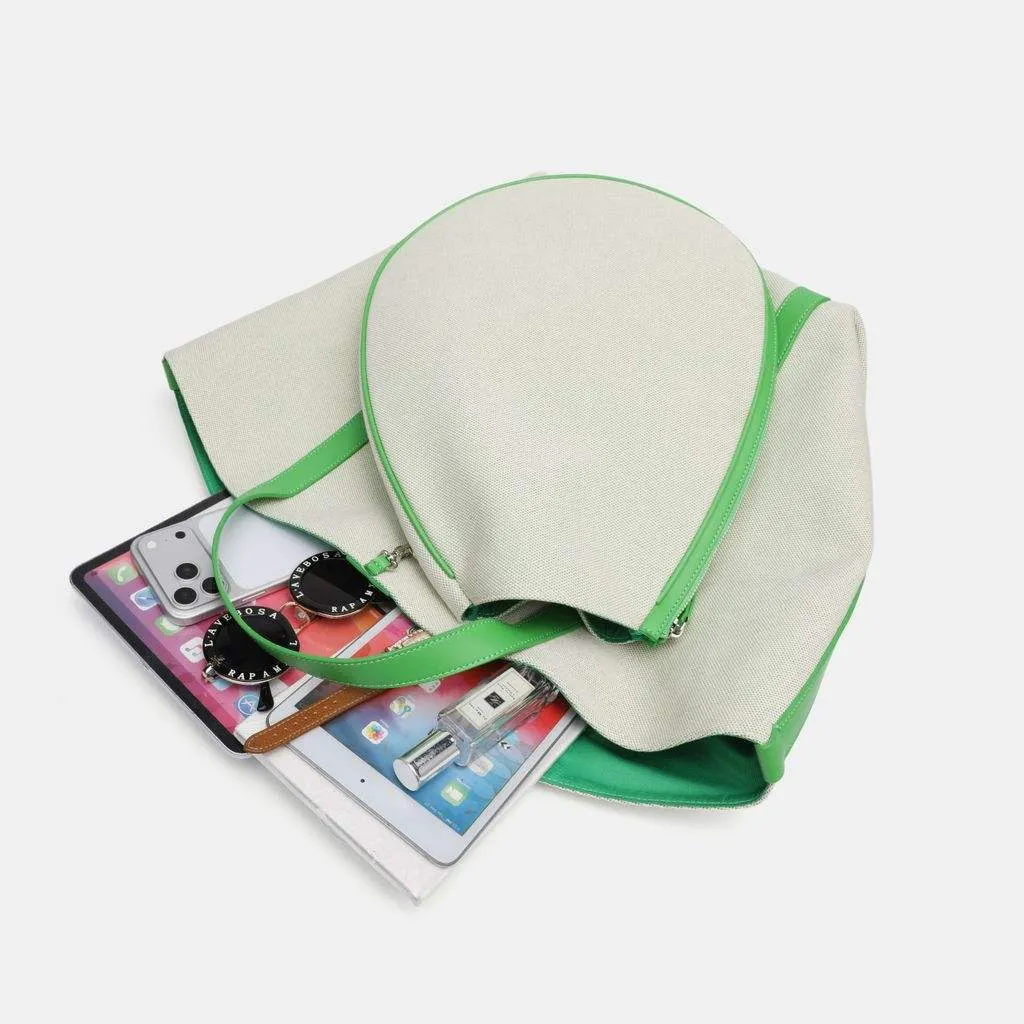
12–16 oz canvas totes suit grocery, campus and branded-merchandise retail. Center patches need a flat front panel; reinforce handles for heavier loads.
Backpacks And Crossbodies

15–25 L backpacks fit commuter and school lines, while crossbodies target hands-free streetwear. Place patches on front pockets or flap panels, avoiding curved seams and zipper paths.
Pouches And Travel Bags
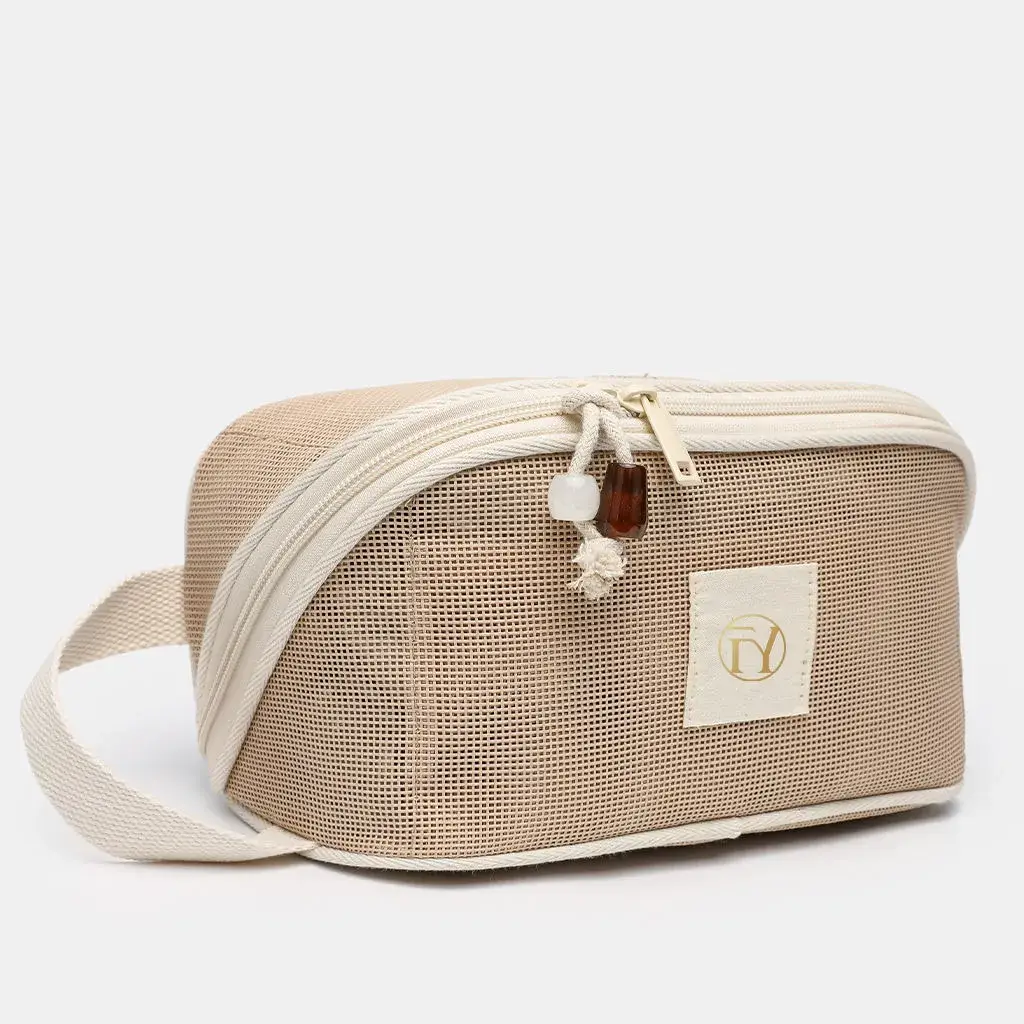
Small cosmetic pouches favor woven or embroidered corner patches for accessible add-ons. Duffels, drawstrings and utility bags need patch positions clear of handles, webbing and high-abrasion zones.
4. Materials for Custom Patch Bags
Material weight changes patch support, cost, and care more than surface color. Buyers should compare swatches for hand feel, abrasion needs, and decoration before sampling.
| Material | Typical Spec | Patch/Print | Care | Best Fit |
|---|---|---|---|---|
| Canvas | 10–16 oz; firm | Excellent | Spot clean | Totes, utility |
| Cotton | 200–320 GSM; soft | Good | Gentle wash | Casual bags |
| Recycled cotton | 250–350 GSM; textured | Good | Gentle wash | Eco collections |
| Nylon | 210D–840D; smooth | Good | Wipe clean | Travel, outdoor |
| Polyester | 300D–600D; stable | Excellent | Wipe clean | School, promotional |
| PU leather | 0.8–1.2 mm; polished | Test first | Wipe clean | Fashion bags |
| Denim | 10–14 oz; rugged | Excellent | Wash separately | Streetwear |
Match Price To Use
100-unit programs often benefit from cotton canvas or polyester; nylon suits higher-performance travel bags.
Confirm Patch Support

12-ounce canvas and denim hold sewn patches well; PU leather needs tested adhesive or stitching.
Plan Care Early
30°C gentle washing protects cotton and recycled cotton; wipe-clean PU suits fashion accessories.
5. Patch and Decoration Customization Options
A custom patch bags manufacturer should match decoration to fabric, wear points, and artwork. Layered treatments work best when each process adds a distinct tactile or branding function.
| Option | Effect | Best Fabrics | Setup |
|---|---|---|---|
| Embroidery | Raised, durable | Canvas, nylon | Digitizing |
| Chenille | Soft varsity pile | Canvas, twill | Patch sample |
| PVC/rubber | Molded relief | Polyester, nylon | Mold fee |
| Leather | Premium deboss | Canvas, PU | Die approval |
| Screen print | Flat color | Cotton, canvas | Screen setup |
| Heat transfer | Fine color detail | Polyester, nylon | Artwork proof |
Select By Material
Embroidery and chenille add raised texture; appliqué adds color blocking. Woven labels retain fine type, while PVC, rubber, and leather patches suit repeated handling.
Control Print Detail

Screen printing suits broad, flat artwork on canvas or cotton; heat transfer and printed patches reproduce gradients and small color detail on smooth polyester or nylon.
Avoid Decoration Overload
Two layers—such as an embroidered patch plus woven label—can clarify hierarchy. Adding more processes raises setup, attachment, and inspection cost without improving a busy design.
6. Construction Quality That Protects Your Brand
Construction failures typically emerge at load-bearing seams, closures, and decoration edges—not during a showroom review. A custom patch bags manufacturer should lock measurable standards into the approved sample.
Fabric And Internal Finish
600D polyester, canvas, or PU should match approved weight, color, coating, and hand feel lot to lot. Inspect lining coverage, clean seam binding, and an approved stitch-density standard where construction permits.
Stress Points And Hardware
Two rows of stitching and bartacks at strap anchors, handles, and pocket corners reduce stress-point failure. Cycle zippers, test buckle engagement, and confirm webbing width, foam density, and hardware finish against the sample.
Patch And Final Inspection
24-hour patch adhesion and edge-lift checks should precede bulk approval; examine embroidery, appliqué, or heat-transfer alignment. Before shipment, inspect measurements, stitch defects, loose threads, function, appearance, branding, and carton counts against the signed sample.
7. Choosing a Custom Patch Bags Manufacturer
Compare a custom patch bags manufacturer on evidence, not its lowest quote. Ask for the same specification, Incoterm, quantity, patch method, and delivery destination from every supplier.
Request Production Proof
100-piece MOQs can work only when materials and patch construction are confirmed. Request comparable patch-bag samples, factory process photos, and a dated sampling plan.
- Approved-sample and pattern records
- Incoming-material inspection procedure
- Recent export packing photos
Check Quote Completeness
3 quotations should separate fabric, hardware, patch, packaging, sampling, freight terms, and lead time. Confirm capacity, QC checkpoints, compliance documents, and export support before choosing.
- Pantone and material specifications
- Final-inspection standard
- Named English-speaking contact
8. Common Patch Bag Sourcing Mistakes
Most patch-bag failures begin before sampling, when assumptions replace specifications. A custom patch bags manufacturer can control production only after the buyer defines performance, appearance, packaging, and approval criteria.
Specify Before Quoting
One incomplete tech pack creates avoidable revisions. State dimensions, Pantone colors, pocket layout, patch artwork, placement, stitch type, and tolerances; use a reference sample only as support.
Test Materials And Patches

One online photo cannot confirm fabric weight, coating, or patch adhesion. Request swatches and a sewn trial: embroidery can pucker light nylon, while heat transfer needs a compatible, heat-stable surface.
Approve The Full Cost
Two rushed approvals miss setup charges, packaging, and assembly defects. Review the pre-production sample, carton packout, and all tooling costs before bulk; reject the lowest quote if construction or inspection scope is unclear.
9. Launching With a Custom Patch Bags Manufacturer
A 100-piece first order works best when the launch is treated as a controlled test, not a full collection bet. Set the customer, use case, retail price, channel, and required margin before briefing a custom patch bags manufacturer.
Build The Development Brief
1 design brief should specify dimensions, capacity, pocket layout, target cost, Pantone colors, fabric, hardware, packaging, and patch placement.
1 production-ready tech pack converts approved details into patterns and a quotation.
Approve Before Bulk

2 sample rounds are often enough: check patch artwork, stitch density, alignment, measurements, zipper operation, and carrying comfort.
100 units should be split by color only after material minimums and sales forecasts are confirmed; approve a sealed pre-production sample before cutting.
Plan Reorders Early
1 inspection plan should cover incoming materials, in-line sewing, final appearance, packing, and carton counts before freight booking.
30 days after launch, compare sell-through, returns, and customer feedback; retain approved tech packs, material codes, and sample records for repeatable reorders.
10. Custom Patch Bag Pricing and Costs
MOQ starts at 100 units per style and color, subject to material minimums and construction complexity. Separate bag cost, patch setup, decoration, packaging and freight instead of relying on a generic per-piece figure.
Material and lining, pocket-and-strap construction, and patch method and count usually have the greatest effect on quotation. Embroidery, woven, PVC and leather patches have different tooling and run costs; branded hardware and retail boxes add cost.
Production timing is order-specific and depends on approved samples, material availability, order size and production planning. Provide dimensions, Pantone colors, patch artwork, BOM, packaging and quantity for a reliable specification-based quote.
| Quantity | Unit-cost direction | Setup impact | Typical lead time |
|---|---|---|---|
| 100–299 | Highest | Spread across fewer bags | 25–35 days |
| 300–999 | Lower | Better absorbed | 20–30 days |
| 1,000+ | Lowest | Usually amortized | 15–25 days |
Request a Custom Patch Bag Quote
Send your tech pack, reference sample or concept for sampling review, material recommendations and an order-specific quote from Yeenkran.