


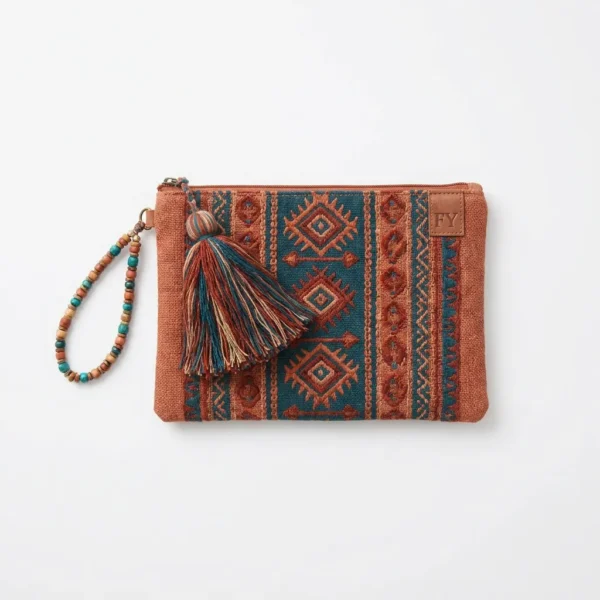




Yeenkran, Wuhan, China, founded in 2010, develops custom nylon everyday totes for retail and wholesale buyers, with MOQ from 100 pieces per style and color, subject to material and craft minimums. Because the supplied image is not conclusive, development begins by defining fold behavior and load-bearing seams.
Can Yeenkran manufacture this everyday tote bags?
Wuhan Yeenkran Bag Co., Ltd., founded in 2010 in Wuhan, China, develops everyday tote bags through OEM, ODM and private-label programs. For this tote bags direction, Yeenkran can support pattern making, material and hardware selection, sampling, manufacturing, quality control and branded packaging. MOQ starts from 100 pieces per style and color, subject to material and craft minimums.
Foldability Begins with a Planned Fold Path
The supplied image does not reliably show the tote, so the first development decision is not visual imitation but a defined folded state. A controlled fold path should reduce bulk without forcing random creases through handles, openings, or decorated panels.
Yeenkran can convert a sketch, photo, sample, or idea into a pattern that records fold lines and storage dimensions. Buyers should approve the folded package beside the opened tote, confirming that convenience does not compromise presentation.
Seams Carry the Cost of Packability
A flexible nylon tote may be folded repeatedly, but each fold can concentrate stress near handle bases and upper side seams. If reinforcement is too heavy, the tote becomes awkward to pack; if too light, load cycles may distort the opening.
Development should compare seam allowances, bar tacks, binding, reinforcement patches, and webbing width on physical samples. The buyer checkpoint is a loaded carry test followed by folding, inspecting whether the stress zones return cleanly to shape.
Material Selection Sets the Fold Memory
Nylon is a material direction rather than a complete specification. Weave, denier, coating, finish, and lining can change stiffness, noise, crease recovery, and perceived value, so the foldable concept cannot be approved from fiber naming alone.
Yeenkran can source nylon alongside Oxford, recycled textiles, polyester, canvas, or other approved directions for comparison. Buyers should review swatches and sewn panels, then select the material that balances storage behavior with the intended retail handfeel.
Opening Recovery Protects Everyday Use
A tote designed to fold must still open into a credible shopping or daily-carry shape. Excessive collapse at the mouth can make loading inconvenient, while excessive structure can defeat the purpose of compact storage and increase package volume.
Pattern and sample review should examine top-edge finish, side-gusset behavior, base support, and optional closure placement. Buyers should fill the tote with representative items, fold it, reopen it, and approve the recovery standard before decoration.
Branding Must Survive Creasing
Fold lines can distort graphics, labels, and surface treatments, especially when a large mark crosses a side panel or base. Branding should therefore reinforce the product’s packable logic instead of placing fragile detail in the most stressed areas.
Yeenkran supports woven labels, screen print, heat transfer, embroidery, patches, laser work, hangtags, and branded packaging. Buyers should approve a decorated fold test, checking edge lift, image distortion, abrasion exposure, and legibility after opening.
Repeat Orders Need a Fold-and-Load Record
For this tote, a retained reference should document more than color and dimensions. It should show the approved folded configuration, handle reinforcement, seam allowance, opening recovery, decoration placement, and the intended loaded appearance for future production.
Yeenkran can use the approved sample to coordinate material sourcing, cut-and-sew work, reinforcement, hardware, and packaging details. Buyers should sign off on the physical reference before repeating the style, while material minimums remain part of the quotation review.
Buyer Questions
How should a foldable tote be approved?
Approve both the opened and folded states, then test representative loading, handle stress, repeated folding, crease recovery, decoration stability, and storage convenience before production.
Can Yeenkran recommend a different fabric?
Yes. Yeenkran can source nylon, Oxford, polyester, recycled textiles, canvas, or other approved materials, then compare fold behavior and seam performance through samples.
Where should branding be placed on a folding tote?
Place branding away from high-stress fold lines when possible, then approve a decorated fold test to confirm legibility, edge security, and surface recovery.
What is the starting MOQ for this tote?
Yeenkran documents MOQ from 100 pieces per style and color, subject to material and craft minimums confirmed during development.
Engineer the Fold Before You Order
Share your tote sketch, fold target, material preference, or reference sample with Yeenkran for pattern planning, seam reinforcement, decorated fold testing, and a repeatable private label specification.


Reviews
There are no reviews yet.