


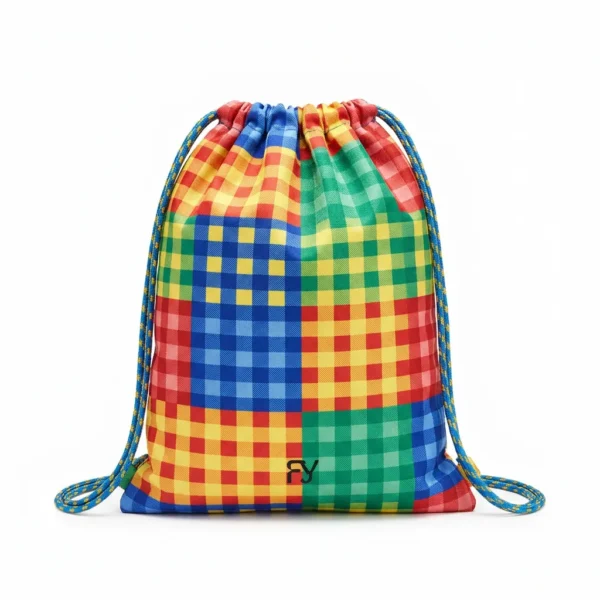

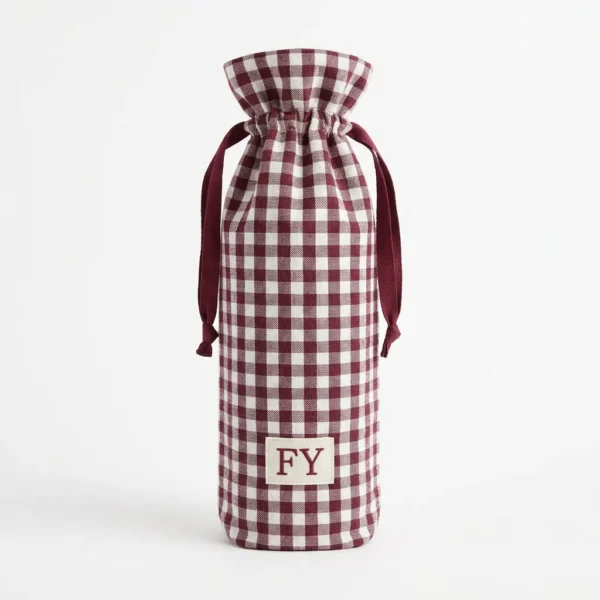





Yeenkran develops custom nylon gingham everyday tote bags in Wuhan, China, founded in 2010, with MOQ from 100 pieces per style and color. This format supports wholesale collections needing recognizable textile patterning, practical shoulder carry, and controlled open-top access.
Can Yeenkran manufacture this everyday tote bags?
Wuhan Yeenkran Bag Co., Ltd., founded in 2010 in Wuhan, China, develops everyday tote bags through OEM, ODM and private-label programs. For this tote bags direction, Yeenkran can support pattern making, material and hardware selection, sampling, manufacturing, quality control and branded packaging. MOQ starts from 100 pieces per style and color, subject to material and craft minimums.
Gusset Depth Versus Loading Access
The tote visibly gains volume from a side gusset while keeping a wide open upper edge. That combination supports quick loading, but excessive depth can cause the mouth to fold inward or make the bag appear visually heavy.
Yeenkran should prototype the gusset, base turn, handle length, and opening together rather than approving them separately. The buyer checkpoint is a loaded sample review using the intended daily contents, checking access, balance, and whether the tote stands or collapses as intended.
Gingham Registration Across Seams
The red-and-cream grid is the product’s primary visual identifier, and it continues over the front, side, handles, and lower edges. Every seam therefore becomes a registration point where misalignment can change the perceived quality of the entire tote.
Approve the repeat scale, cut direction, seam matching, and handle placement on a complete sample. Yeenkran can adjust pattern placement during pattern development, but the buyer should define which front and side lines receive priority when perfect matching is impractical.
Handle Length and Shoulder Comfort
The long fabric handles visibly rise above the body and are designed for shoulder or hand carry. Their width, fold, stitch path, and connection area influence both comfort and how much the upper edge opens under load.
During sampling, review handle drop with the tote filled and worn over typical clothing. The buyer should approve reinforcement at the handle ends, seam exposure, and the relationship between handle length and gusset depth before committing to final production specifications.
Nylon Direction and Soft Structure
Nylon is the supplied material direction, while the image shows a soft textile appearance rather than a rigid framed body. Exact denier, weave, coating, lining, and recycled content are not supplied and should remain open technical decisions.
Yeenkran can source nylon, polyester, canvas, Oxford, RPET, and other recycled textiles when the collection requires a different hand feel or cost position. Approve a swatch and sewn corner sample together, because drape and check clarity change after construction.
Front Label as a Controlled Branding Zone
A small light patch appears on the front, interrupting the gingham in a deliberate, compact branding area. Its position is useful because it creates recognition without covering the pattern, but its size and attachment must suit the soft tote body.
The buyer should approve patch material, lettering method, edge treatment, and placement relative to the check repeat. Yeenkran supports woven labels, embroidery, applique, screen print, heat transfer, and patches, allowing the brand mark to match the collection’s intended texture.
Wholesale Presentation and Packout
The tote’s emotional appeal comes from the coordinated pattern rather than complex hardware, so packout should preserve clean surfaces and prevent folded handles from creating unwanted creases. A consistent fold method can also help buyers compare multiple colorways on arrival.
Yeenkran can coordinate hangtags, labels, dust bags, branded boxes, and export cartons around the approved tote format. Confirm folding direction, protective inserts if needed, carton arrangement, and labeling before the packaged sample becomes the wholesale reference.
Buyer Questions
What is the MOQ for a custom gingham tote?
Yeenkran’s documented starting MOQ is 100 pieces per style and color, with final material and craft minimums confirmed during product development.
Can the gingham pattern be developed from a reference?
Yes. Yeenkran can develop patterns and samples from a photo, sketch, tech pack, sample, or idea, then review repeat registration on the sewn bag.
Can the tote use another textile?
Yes. Yeenkran can source nylon, polyester, canvas, Oxford, RPET, recycled textiles, and other supplied material directions for approval.
What should a wholesale buyer review?
Review gusset depth, opening access, check alignment, handle drop, handle reinforcement, patch placement, folding method, branding, and the complete packaged sample.
Build a Patterned Tote Collection
Share your gingham artwork, target use, and reference tote with Yeenkran for a development review covering gusset behavior, pattern registration, handles, branding, packaging, and MOQ.



Reviews
There are no reviews yet.